Quick Facts
- Protein Winner: Hemp seeds are the clear leader, offering 9 to 10 grams of protein per ounce compared to 5 grams in chia.
- Fiber Winner: Chia seeds dominate this category with 10 to 11 grams per serving, whereas hemp contains only about 1 gram.
- Best for Weight Loss: Chia seeds are superior due to their high fiber content and ability to create a gel-like consistency that increases satiety and fullness.
- Best for Muscle Building: Hemp seeds are a complete plant-based protein source containing all essential amino acids and high levels of magnesium and zinc.
- Heart Health: Hemp seeds possess a 3:1 ratio of omega-6 to omega-3 fatty acids, which is ideal for reducing inflammation.
- Keto Friendliness: Hemp seeds are the better option for hemp vs chia seeds for keto and low carb diets because they have significantly fewer net carbs.
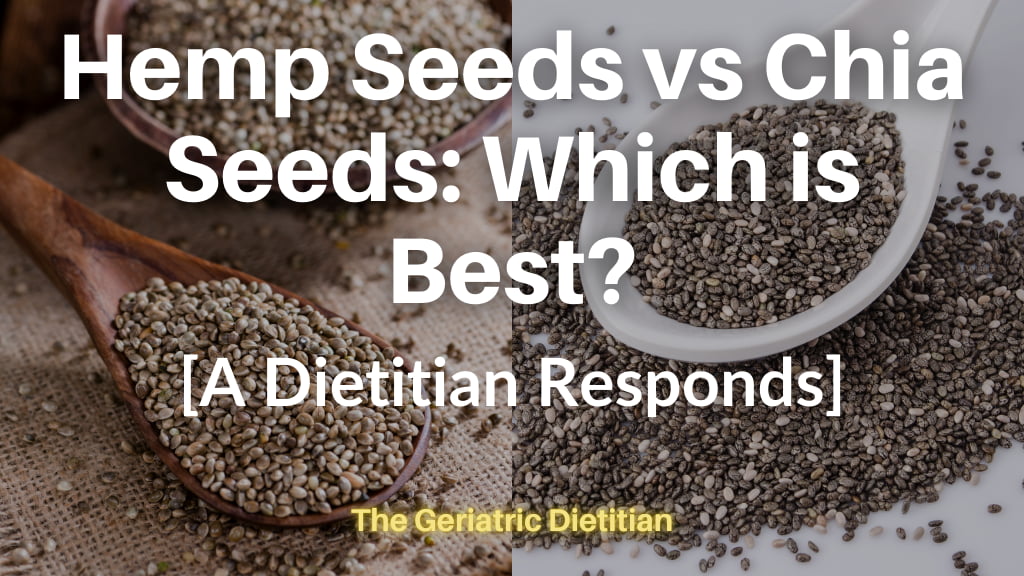
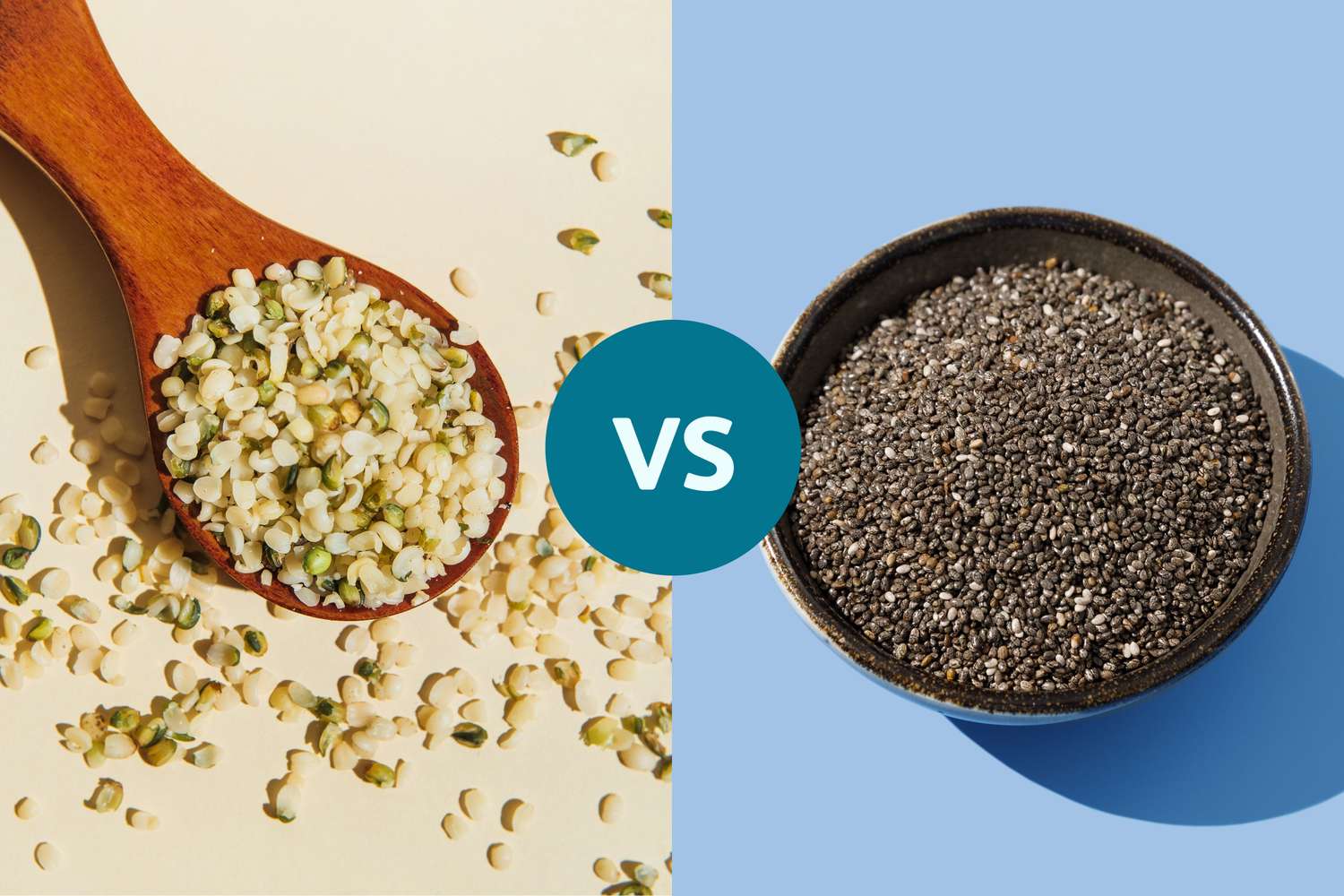
Hemp seeds are the superior choice for protein and muscle building, providing nearly double the amount found in chia seeds per serving. However, chia seeds are more effective for weight loss and digestive health due to their high fiber content and unique gel-forming properties. Choosing between hemp seeds vs chia seeds ultimately depends on whether your priority is hitting your protein macros or improving your gut health and satiety.
Protein and Muscle Building: The Hemp Advantage
When we look at hemp seeds vs chia seeds protein, the data makes a compelling case for hemp. As a nutrition editor, I often look for plant-based protein source options that don’t require a massive serving size to be effective. Hemp hearts, which are the shelled version of the seed, are a nutritional powerhouse for anyone looking at protein for muscle building.
A one-ounce serving of hemp seeds provides about 10 grams of protein. What makes this even more impressive is that hemp is a complete plant-based protein source. This means it contains all nine essential amino acids that your body cannot produce on its own. While chia also contains these amino acids, the concentration in hemp is much higher, making the hemp seeds vs chia seeds nutrition comparison lean heavily toward hemp for athletes.
Beyond just the amino acids, hemp seeds are rich in magnesium and zinc. These minerals are vital for post-workout recovery. Magnesium helps with muscle relaxation and prevents cramping, while zinc plays a crucial role in protein synthesis and immune function. If you are choosing hemp vs chia seeds for muscle building, adding three tablespoons of hemp to your morning smoothie or oatmeal provides a significant head start on your daily goals.
| Nutrient (per 1 oz) | Hemp Seeds | Chia Seeds |
|---|---|---|
| Calories | 161 | 138 |
| Protein | 10g (Winner) | 5g |
| Total Fiber | 1g | 11g (Winner) |
| Net Carbs | 1.5g | 2g |
| Fat | 13g | 9g |
Weight Loss and Digestion: The Chia Champion
If your primary goal is shedding pounds, the chia vs hemp seeds for weight loss debate has a different winner. The standout feature of chia seeds is their incredible dietary fiber content. While hemp seeds are relatively low in fiber once they are shelled, chia seeds offer a massive 11 grams per ounce.
The way chia seeds interact with liquid is fascinating from a biochemical perspective. When exposed to water or juice, they develop a gel-like consistency. This mucilaginous fiber expands in your stomach, which directly contributes to satiety and fullness. By slowing down the rate at which your stomach empties, chia seeds help you feel satisfied for much longer after a meal, reducing the urge to snack.
This high fiber content also makes a difference for blood sugar regulation. Because the gel-like consistency slows down digestion, the glucose from your meal enters the bloodstream more gradually. This prevents the sharp insulin spikes that can lead to fat storage and energy crashes. When evaluating chia vs hemp seeds for weight loss effectiveness, the fiber in chia is its most potent weapon for managing appetite and maintaining a healthy metabolism.
Hemp vs chia seeds for digestion and gut health is another area where chia takes the lead. Most of the fiber in chia is insoluble, which adds bulk to the stool and helps maintain regularity. However, it also contains soluble fiber, which acts as a prebiotic, feeding the beneficial bacteria in your microbiome.
Heart Health and Healthy Fats
Both of these seeds are famous for their healthy fats, but they offer different types of benefits. Chia seeds are one of the best plant sources of alpha-linolenic acid (ALA), a type of omega-3 fatty acid. These omega-3 fatty acids are essential for maintaining heart health and reducing the risk of cardiovascular disease.
On the other hand, hemp seeds offer a more complex fat profile. They are unique because they contain gamma-linolenic acid (GLA), an omega-6 fatty acid that has been linked to powerful anti-inflammatory effects. While many people get too many omega-6s from processed vegetable oils, the omega-6 in hemp is balanced. Specifically, hemp seeds maintain a 3:1 ratio of omega-6 to omega-3, which is considered the "sweet spot" for human health.
Many of my readers ask about the benefits of eating hemp and chia seeds together. This is actually my top recommendation. By combining them, you get the high ALA content from the chia and the anti-inflammatory GLA from the hemp. This combination provides a full spectrum of fatty acids that support brain health, reduce joint pain, and keep your skin glowing.
Culinary Differences: Gel vs Crunch
The choice between hemp seeds vs chia seeds often comes down to texture and how you plan to use them in the kitchen.
Chia Seeds: The Thickener Because of their gel-forming ability, chia seeds are best used as a functional ingredient. They can absorb up to 12 times their weight in liquid.
- Chia Pudding: Mix them with almond milk and let them sit overnight for a tapioca-like texture.
- Egg Replacement: In vegan baking, one tablespoon of ground chia mixed with three tablespoons of water can replace one egg.
- Smoothie Boost: They will thicken a smoothie significantly if left to sit for a few minutes.
Hemp Seeds: The Garnish Hemp seeds have a soft, buttery texture and a mild, nutty flavor similar to pine nuts or sunflower seeds. They do not change the consistency of your food, making them more versatile as a topper.
- Salad Topper: Sprinkle them over greens for a protein boost and a nutty crunch.
- Yogurt and Oatmeal: They blend in seamlessly without adding a "gritty" feel.
- Keto Breads: Use them in low-carb baking to add healthy fats and protein without the carbs.
For those following hemp vs chia seeds for keto and low carb diets, hemp is usually the favorite. Hemp hearts are naturally lower in total carbohydrates, making them easier to fit into a strict keto macro count.
Safety, Storage, and Side Effects
While both seeds are generally safe, there are a few practical things to keep in mind regarding safety and storage.
Safety Warning: Because chia seeds absorb so much water, you should never consume large amounts of dry chia seeds followed by a small amount of liquid. There have been rare cases of esophageal impaction where the seeds expanded before reaching the stomach. Always hydrate your chia seeds or eat them as part of a meal with plenty of fluids.
If you are on blood-thinning medication, consult your doctor before significantly increasing your intake of either seed. Both hemp and chia are rich in omega-3s, which have a natural mild blood-thinning effect.
Storage is another major difference. Chia seeds are incredibly stable due to their high antioxidant content; they can last in a cool, dark pantry for up to four years. Hemp seeds are much more fragile. Because of their high polyunsaturated fat content, they can go rancid quickly. Once you open a bag of hemp hearts, I recommend keeping them in the refrigerator or freezer to preserve the bioavailability of nutrients and prevent a bitter taste.
FAQ
Which is healthier, hemp seeds or chia seeds?
Neither is objectively healthier as they serve different purposes. Hemp seeds are better for those needing more protein and minerals like zinc, while chia seeds are superior for those needing more fiber and calcium. A balanced diet often includes both.
Do hemp seeds have more protein than chia seeds?
Yes, hemp seeds contain nearly double the protein. In a standard one-ounce serving, hemp seeds provide about 10 grams of protein, while chia seeds provide approximately 5 grams.
Which has more fiber, chia seeds or hemp seeds?
Chia seeds are the clear winner for fiber. They offer about 10 to 11 grams of fiber per ounce, whereas hemp seeds provide only about 1 gram in the same serving size.
Is it better to eat hemp seeds or chia seeds for weight loss?
Chia seeds are generally better for weight loss. Their high fiber content and ability to absorb water help create a feeling of fullness, which can reduce overall calorie intake throughout the day.
Can you mix hemp seeds and chia seeds together?
Absolutely. Mixing them is a great way to get a balanced nutritional profile. You benefit from the high fiber of chia and the high protein and GLA content of hemp in one meal.