Quick Facts
- Normal Range: A SpO2 level between 95% and 100% is typical for healthy adults.
- Emergency Threshold: Any reading consistently below 90% is a medical emergency requiring immediate attention.
- Reading Stability: Always wait 30 to 60 seconds for the device to stabilize before recording a number.
- Accuracy Margin: Most home devices are accurate within 2% to 4% of a clinical blood test.
- Certification Standard: Look for FDA 510(k) clearance to ensure the device is validated for medical accuracy.
- Physical Interference: Factors like dark nail polish, cold hands, and skin pigmentation can impact the sensor's precision.
Normal pulse oximeter readings for adults typically fall between 95% and 100%. Anything below 90% is considered significant hypoxemia and requires medical attention. Understanding these numbers is vital for home health monitoring and ensuring you are interpreting pulse oximeter results with confidence.
Deciphering the Screen: SpO2 vs. Pulse Rate
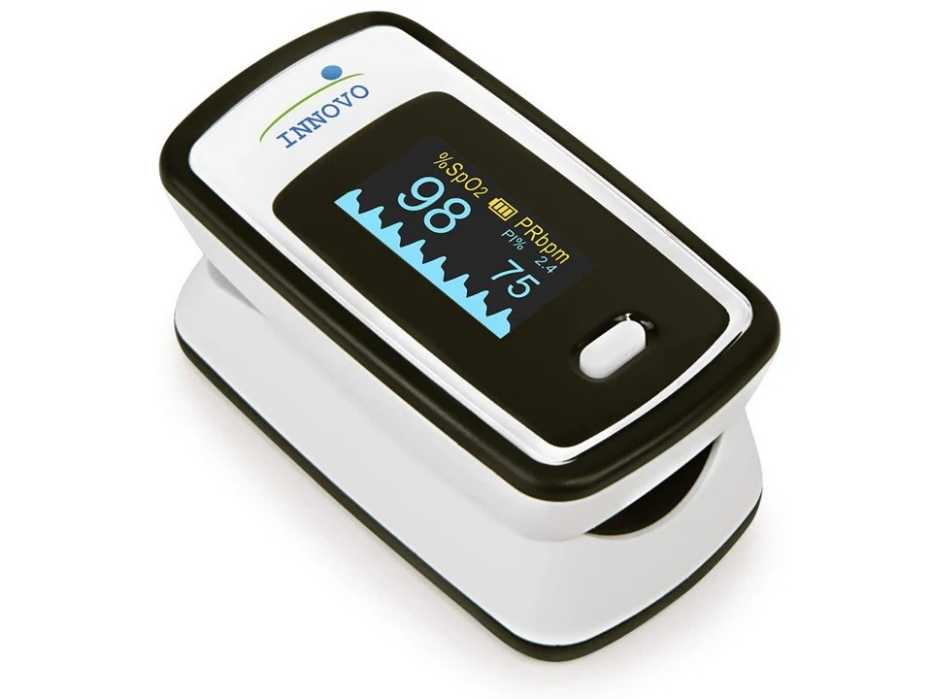
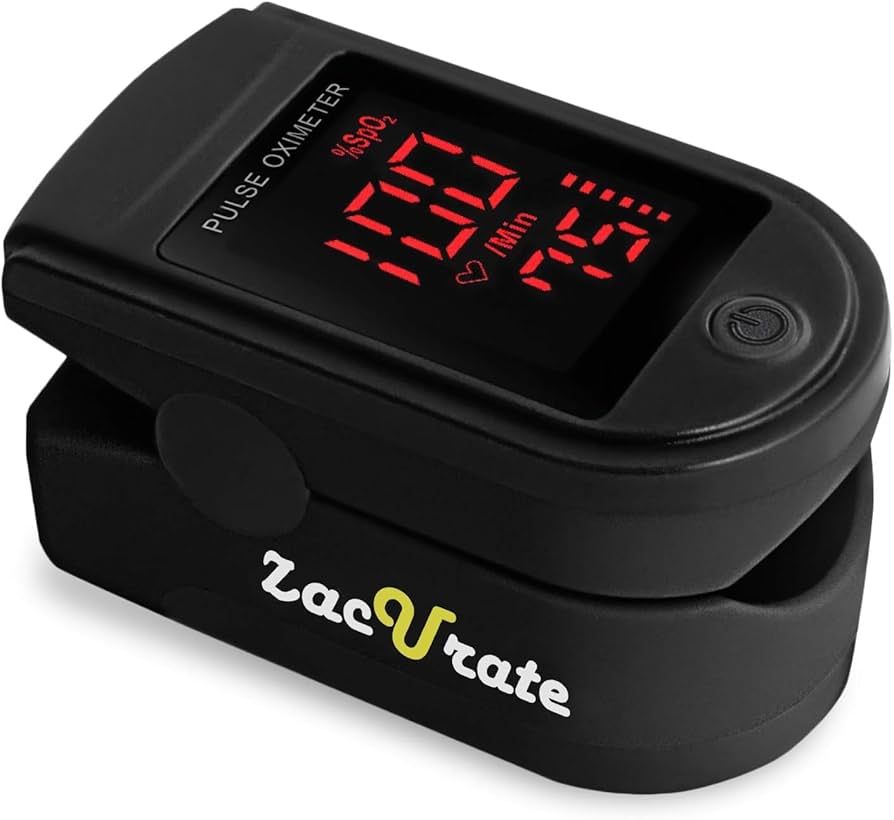
When you slide your finger into a pulse oximeter, the screen usually lights up with two primary numbers. To the untrained eye, these digits can look like a confusing jumble of health data, but they represent two distinct and vital functions of your cardiovascular and respiratory systems.
The first and often most prominent number is the SpO2, which stands for peripheral capillary oxygen saturation. This percentage tells you how much oxygen your hemoglobin is carrying compared to how much it could carry. A pulse oximeter works by emitting red and infrared light through your finger; oxygenated blood absorbs more infrared light, while deoxygenated blood absorbs more red light. By calculating the ratio, the device determines your blood oxygen saturation.
The second number is your Pulse Rate (PR), measured in beats per minute (BPM). While SpO2 monitors your lungs' ability to oxygenate your blood, the pulse rate tracks how hard your heart is working to pump that blood throughout your body. Some advanced models also display a Plethysmograph waveform, which is a visual representation of your pulse strength. A consistent, rhythmic wave indicates a strong signal and more reliable pulse oximeter readings, whereas an erratic line might suggest that the device is struggling to get a clean measurement.
The Pulse Ox Zone Chart: What Your Numbers Mean
Interpreting pulse oximeter results requires looking at the data through a "Threshold-to-Action" lens. Rather than panicking over a single dip in numbers, it is helpful to categorize your readings into zones that guide your next steps.
A resting oxygen saturation level between 95% and 100% is considered normal for a healthy person at sea level. If you live at a high altitude, your baseline might be slightly lower, but for most individuals, staying within this range is the goal for optimal respiratory health.
| SpO2 Reading | Classification | Recommended Action |
|---|---|---|
| 95% – 100% | Normal | Maintain routine monitoring; no action needed. |
| 91% – 94% | Mild Hypoxemia | Monitor closely; rest and re-test in 30 minutes. |
| 90% | Significant Hypoxemia | Contact your healthcare provider immediately. |
| Below 85% | Severe Hypoxia | Seek emergency medical care or call 911. |
For individuals focused on COPD management or those recovering from a respiratory illness, these zones are essential for early intervention. If you are wondering when to see a doctor for low SpO2 levels, the rule of thumb is that any consistent reading below 94% warrants a conversation with a professional, especially if accompanied by shortness of breath or chest pain.
Accuracy Killers: How to Get a Precise Reading
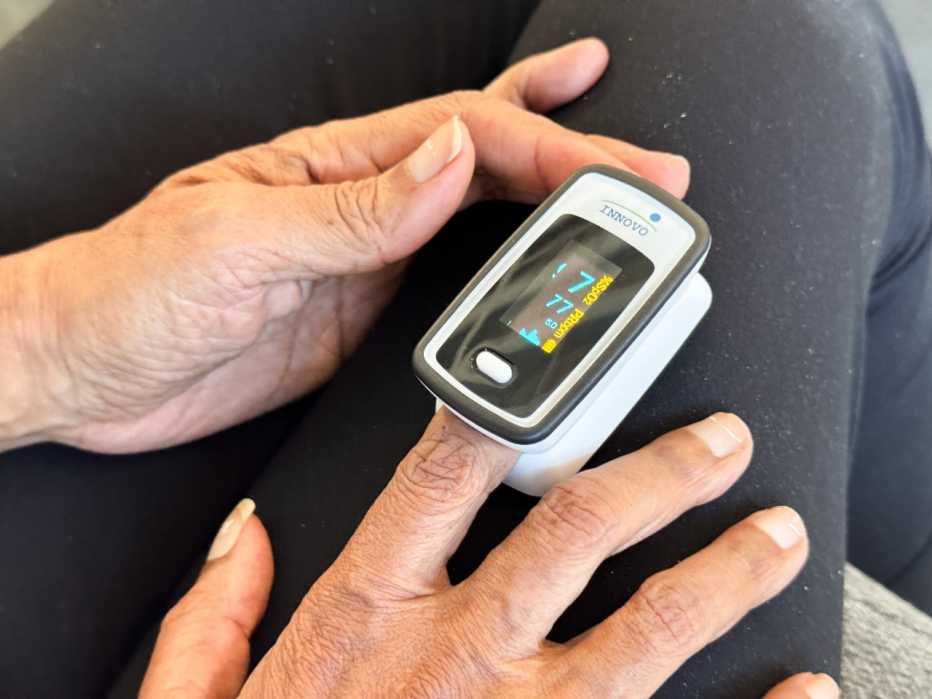
One of the most common mistakes I see as an editor in the preventive care space is the "quick clip." Many people put the device on, look at the first number that flashes, and take it off. To get an accurate pulse oximeter reading at home, you must follow the stabilization rule: stay still and keep the device on your finger for at least 30 to 60 seconds. The sensors need time to find a consistent pulse and calculate the oxygen ratio.
There are several "accuracy killers" that can lead to false lows or erratic results. Here is a quick pulse oximeter accuracy tips checklist to ensure your home data is reliable:
- Remove Nail Polish: Dark colors, especially blue, black, or dark green, can block the light sensors. Research shows how nail polish affects pulse oximeter accuracy by interfering with the wavelength transmission, potentially showing a lower SpO2 than reality.
- Warm Your Hands: If your hands are freezing, the blood flow to your extremities is reduced. This poor Perfusion Index makes it difficult for the device to read your arterial oxygenation. Rub your hands together or run them under warm water before testing.
- Stay Still: Movement creates "noise" for the sensors. Rest your hand on a flat surface at heart level during the measurement.
- Avoid Bright Light: Excessive ambient light hitting the sensor can sometimes wash out the internal LED signals.
Beyond these physical factors, there is a significant clinical consideration regarding skin tone. Clinical research has indicated that hidden hypoxemia is nearly three times as common in Black patients as in White patients. This occurs because skin pigmentation can interfere with the way the sensor absorbs light, sometimes overestimating oxygen levels in darker-skinned individuals. If you have darker skin and feel unwell—even if the device shows a normal reading—trust your symptoms over the machine and contact a doctor.
Medical-Grade vs. Sports Oximeters: Buying Guide
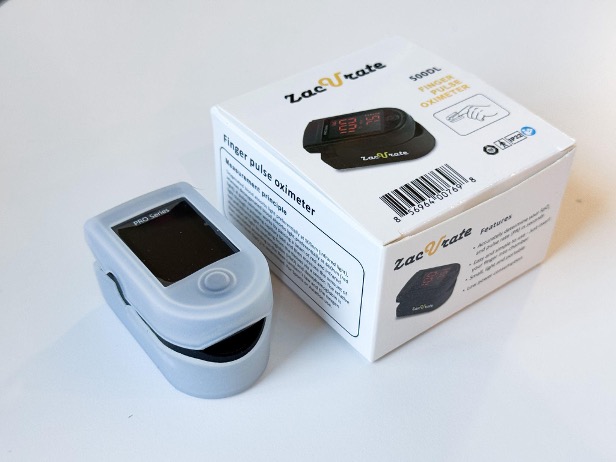
When shopping for a device, the terminology can be confusing. You will see some products labeled for "sports or aviation use" and others marketed as medical devices. The primary difference between medical grade and sports pulse oximeters lies in the regulatory oversight.
A medical-grade device has received FDA 510(k) clearance. This means the manufacturer has submitted data to the FDA proving the device meets specific standards for clinical accuracy and reliability. These are the best fda cleared pulse oximeters for home use because they are validated for diagnosing and monitoring medical conditions.
In contrast, sports or wellness oximeters are intended for recreational use, such as checking your stats after a mountain hike or during athletic training. While they may look identical, they haven't undergone the same rigorous testing for clinical precision. For anyone managing a chronic condition, I always recommend spending a few extra dollars on a device that carries the FDA 510(k) mark. Models like the Innovo Deluxe or the Masimo MightySat are frequently cited for their high performance in home health monitoring settings.
FAQ
What is a normal pulse oximeter reading?
For most healthy adults, what are normal pulse oximeter readings for adults falls between 95% and 100%. If your readings are consistently in this range while you are at rest, your lungs and heart are likely effectively distributing oxygen throughout your body.
What level of oxygen is dangerously low?
A SpO2 level below 90% is considered dangerously low and is a clinical sign of hypoxemia. If your reading drops below this threshold, you should seek medical attention immediately, as it indicates your tissues may not be receiving enough oxygen to function properly.
How accurate are home pulse oximeters?
While home devices are quite reliable, they are generally designed to be accurate within 2% to 4% of the actual blood oxygen level. They are best used for tracking trends over time rather than relying on a single absolute number.
Does nail polish affect pulse oximeter readings?
Yes, nail polish can significantly interfere with the device. The pigment in the polish absorbs the light emitted by the oximeter, which can prevent the sensors from accurately detecting the hemoglobin. It is best to test on a finger that is clean and free of polish or artificial nails.
Can cold hands affect pulse oximeter accuracy?
Absolutely. Cold temperatures cause peripheral vasoconstriction, meaning blood flow to your fingertips decreases. Without sufficient blood flow, the pulse oximeter cannot get a strong enough signal to provide an accurate reading. Always ensure your hands are warm before starting a measurement.
Monitoring Trends for Long-Term Wellness
As we integrate more technology into our daily routines, it is important to remember that pulse oximeter readings are just one piece of your health puzzle. I always advise my readers to focus on the trend rather than a single momentary dip. If you notice your baseline shifting from 98% down to 94% over several days, that trend is a valuable piece of information to share with your doctor.
However, never let a piece of plastic and glass overrule how you feel. If you are experiencing shortness of breath, a rapid heart rate, or a bluish tint to your lips or fingernails, seek care regardless of what the screen says. Devices can fail, and sensors can be fooled, but your body’s symptoms are the most important data point of all. By combining high-quality tools with an intuitive understanding of your own health, you can build a more proactive and preventive lifestyle.