Quick Facts
- Method: Nasal spray (FluMist) for home use; standard intramuscular injection for clinic visits.
- Age Eligibility: Approved for healthy individuals aged 2 to 49 years; traditional shots are available for all ages (6 months+).
- Administration: Adults (18-49) can self-administer; caregivers can administer to children (2-17).
- Insurance: Primarily covered by private health insurance as 100% preventive care in 2026.
- Effectiveness: Roughly 70-75% in children and 30-40% in adults, comparable to traditional injections.
- Direct Answer: The at-home flu vaccine is a nasal spray known as FluMist, which is FDA-approved for self-administration by adults aged 18 to 49 or by caregivers for children aged 2 to 17. This needle-free alternative uses a live attenuated influenza vaccine and is fulfilled through specialized online pharmacies following a digital health screening to confirm eligibility.
When comparing the nasal spray to traditional shots, the primary difference is the administration method and the type of vaccine used. FluMist contains weakened live viruses, while most shots use inactivated viruses. For the 2025-2026 season, the at-home flu vaccine offers the convenience of home delivery and administration, whereas traditional shots still require a visit to a clinic or pharmacy.
The 2026 Shift: Why At-Home Options Are Changing
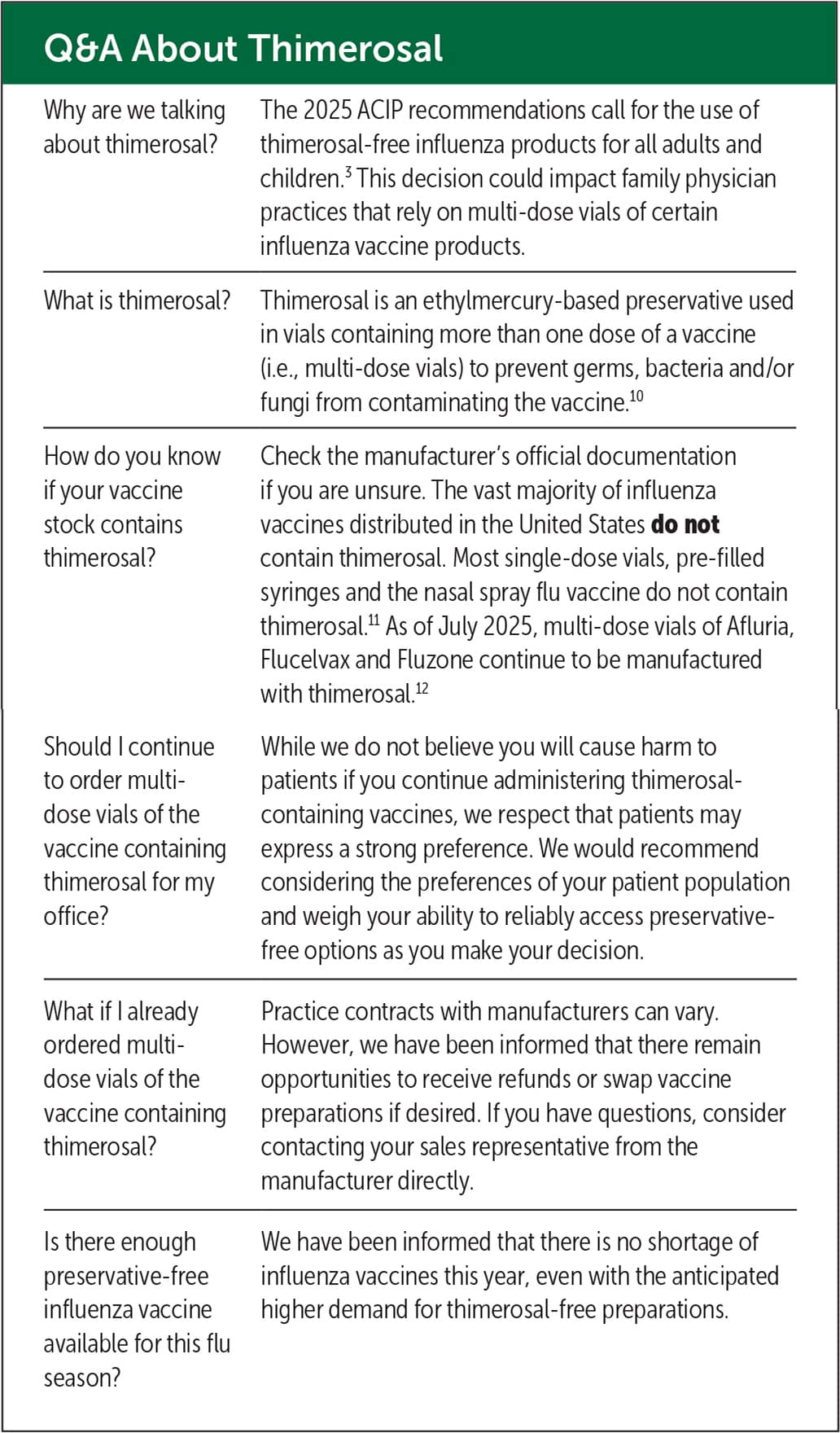
For decades, the ritual of the annual flu shot has been synonymous with fluorescent lights and waiting rooms. However, the landscape of preventive healthcare underwent a seismic shift recently. In September 2024, the FDA approved FluMist as the first influenza vaccine available for self-administration at home. This approval specifically authorized use for adults aged 18 to 49 and caregiver-administration for children as young as two years old.
By the time we reached the 2025-2026 flu season, the infrastructure had matured significantly. AstraZeneca officially launched the 'FluMist Home' delivery service in August 2025, which enabled the nasal spray vaccine to be shipped directly to consumers in 34 U.S. states. This evolution is more than just a matter of convenience; it represents a fundamental change in public health infrastructure. We are moving toward a decentralized model where the individual takes an active role in their seasonal immunization uptake.
Another critical change for the 2026 season is the transition from quadrivalent to trivalent vaccines. Public health experts noticed that the B/Yamagata strain of the flu has not been seen in circulation since early 2020. Consequently, the FDA approval criteria for 2026 vaccines have shifted to focus on the three most relevant strains, streamlining the production process and ensuring the most targeted immunological response possible.
Flu Shot vs. Nasal Spray: Effectiveness and Mechanism
When choosing between a flu shot vs nasal spray comparison, it is essential to understand that they work through different biological mechanisms. The traditional shot uses an inactivated (killed) virus. In contrast, the nasal spray flu vaccine uses a live attenuated influenza vaccine. This means the virus is alive but significantly weakened so that it cannot cause the flu, but it can still prompt the immune system to build a defense.
| Feature | At-Home Nasal Spray (FluMist) | Traditional Flu Shot |
|---|---|---|
| Delivery Method | Intranasal administration | Intramuscular injection |
| Virus Type | Live attenuated (weakened) | Inactivated (killed) |
| Age Range | 2 to 49 years old | 6 months and older |
| Location | Home or pharmacy | Clinic, pharmacy, or doctor's office |
| Ideal For | Healthy individuals, needle-averse | Everyone, including high-risk groups |
From a clinical perspective, the nasal spray flu vaccine effectiveness has been shown to be particularly high in children. Because the vaccine is introduced through the nasal mucosa—the same way the actual flu virus enters the body—it often creates a robust local immune response in the respiratory tract. For adults, the effectiveness of at-home nasal spray vs clinic flu shot is generally considered comparable, though some studies suggest that traditional shots may have a slight edge in older populations due to how the adult immune system recognizes inactivated viruses.
One of the most significant benefits of the at-home option is psychological. For many, needle phobia is a genuine barrier to preventive care. The at-home flu vaccine vs traditional shot for needle phobia debate is easily settled for many families: a quick spray is far less traumatic than a needle, which can lead to higher compliance rates and better long-term wellness outcomes for the whole household.

Eligibility and Insurance: Who Can Skip the Clinic?
While the idea of home delivery is exciting, self-administered flu vaccine eligibility is strictly defined. For the 2026 season, the at-home nasal spray is restricted to healthy, non-pregnant individuals between the ages of 2 and 49. If you fall outside this age range—for example, if you are over 50 or have an infant under age 2—you must still receive a traditional flu shot at a medical site.
The logistical gatekeeper for this new system is the digital health screening. When you request an at-home vaccine through a participating online pharmacy, you must complete a comprehensive screening questionnaire. This process ensures that you do not have contraindications, such as a weakened immune system, certain chronic heart or lung conditions (like asthma in some cases), or a severe egg allergy.
Financially, the landscape in 2026 favors those with private coverage. Currently, private insurance coverage for self-administered flu vaccines 2026 is the primary way to access this service. Most private plans cover the vaccine as a 100% preventive service, meaning you likely won't have a copay. However, for those without private insurance or those covered by government programs like the Vaccines for Children (VFC) program, the at-home flu mist eligibility for children under 18 may be more restricted, often requiring a visit to a public health clinic instead.
The At-Home Experience: Unboxing and Administration
Once your eligibility is confirmed via the online pharmacy fulfillment process, your vaccine is shipped. Because the live attenuated virus is temperature-sensitive, the "last-mile" delivery is handled with extreme care. Here is what you can expect when your kit arrives.
What’s in the Box
- The FluMist Sprayer: A pre-filled, single-use intranasal administration device.
- Temperature Monitor: A specialized card or digital sensor that turns a specific color if the box got too warm during transit.
- Cold Packs: Insulated packaging to maintain the "cold chain."
- Step-by-Step Instructions: A visual guide for self-administration or caregiver administration.
- Biohazard Disposal Bag: For safe disposal of the device after use.
Following a step by step guide to administering FluMist at home is simple. The process involves placing the tip of the sprayer just inside the nostril and depressing a plunger. Unlike some nasal sprays, you don’t need to sniff deeply; a normal breath is sufficient. Usability studies conducted by AstraZeneca during the FDA approval phase showed a 100% success rate among participants in correctly administering the dose.
After the dose is given, the pharmacy or the manufacturer's portal usually requires you to confirm the administration. This information is then reported to State Immunization Information Systems (IIS), ensuring your official medical record is updated just as it would be in a doctor's office.
Safety, Side Effects, and Contraindications
Even though it is administered at home, the nasal spray is a medical product. It is common to experience mild potential side effects of at-home nasal spray flu vaccine as your immune system begins its work. The most frequently reported symptoms include a runny or stuffy nose, a mild sore throat, and occasionally a low-grade fever. These are signs that your body is building an immunological response and typically resolve within 24 to 48 hours.
It is vital to note that because this is a live vaccine, it should not be used by individuals who are pregnant, those with severely weakened immune systems, or children who are taking aspirin-containing therapy. Additionally, if you have taken antiviral medications for the flu in the last 48 hours, you should wait to use the nasal spray, as the medication can interfere with the vaccine's ability to replicate and trigger an immune response.
Prevention is a holistic practice. While the at-home flu vaccine provides the internal defense you need, I always remind my readers to pair vaccination with lifestyle habits like prioritizing sleep and managing stress, which keep the immune system resilient throughout the winter months.

FAQ
Is there a self-administered flu vaccine available?
Yes, as of the 2025-2026 season, the nasal spray vaccine FluMist is FDA-approved for self-administration by adults and caregiver-administration for children. It is the only needle-free flu vaccine that can be delivered directly to your home following a digital screening by a healthcare provider.
Is the nasal spray flu vaccine available for home use?
The nasal spray is available for home use for healthy individuals aged 2 to 49. It is fulfilled through specialized online pharmacies that ensure the vaccine is shipped under temperature-controlled conditions to maintain its effectiveness.
Are at-home flu vaccines safe?
At-home flu vaccines are considered safe when the screening guidelines are followed. The FDA approval was based on extensive usability studies showing that adults can safely and effectively administer the spray to themselves or their children. However, it is not recommended for pregnant women or individuals with certain underlying health conditions.
Are at-home flu shots as effective as clinic visits?
Technically, the at-home option is a nasal spray, not a shot. In terms of effectiveness, it provides comparable protection to traditional flu shots for the approved age group. While clinical shots use inactivated viruses, the nasal spray uses a live attenuated virus to create a strong immune response in the respiratory system.
Does insurance cover at-home flu vaccinations?
Most private health insurance plans cover the at-home flu vaccine as a preventive service with no out-of-pocket cost. During the 2026 season, coverage is most common among private insurers, while those with public or no insurance may still need to visit a pharmacy or clinic to receive their annual immunization.
Final Thought from Lily: Embracing the at-home flu vaccine is a wonderful way to reduce the friction of preventive care. By removing the need for an appointment and the fear of a needle, we can ensure more families stay protected. If you are within the 2 to 49 age range, consider this modern alternative to keep your wellness routine on track this season.