Quick Facts
- The 2026 Stat: A significant 43% of Millennials are opting for separate spaces to protect their peace and health.
- Health Gain: Research indicates couples gain an average of 37 minutes of additional sleep per night when sleeping apart.
- The Expert View: Leading sleep specialists like Dr. Seema Khosla suggest that separate beds can actually improve empathetic accuracy between partners.
- Top Benefit: Prioritizing separate beds leads to better cortisol regulation and significantly reduced REM cycle fragmentation.
- Adoption Rate: More than one-third of Americans now occasionally or consistently sleep in separate rooms to address issues like snoring or mismatched schedules.
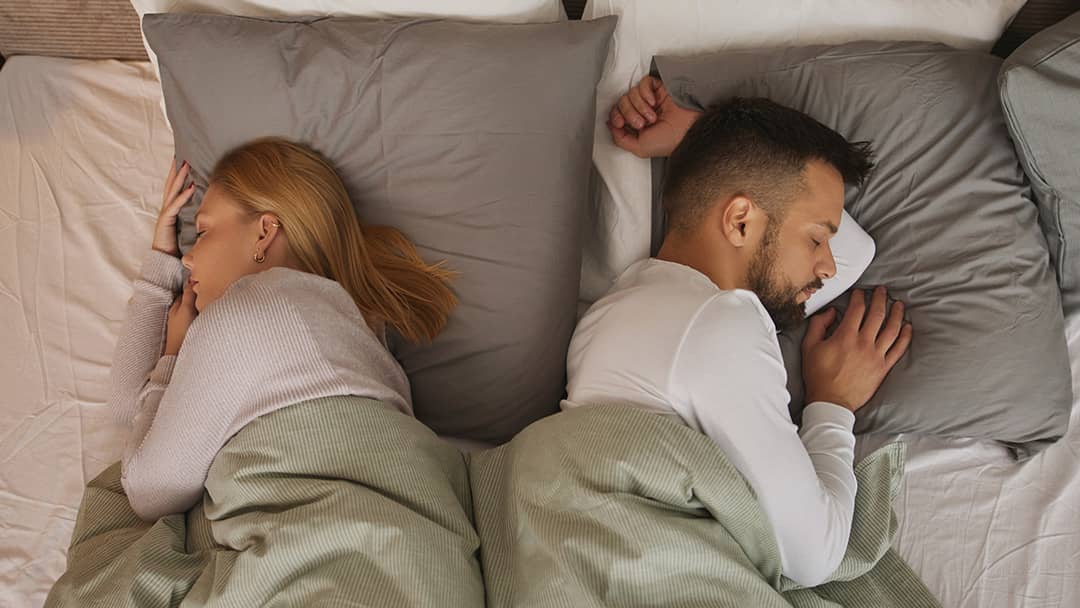
A sleep divorce involves couples choosing separate sleeping arrangements for couples to prioritize sleep hygiene and personal autonomy over traditional norms, emerging as the top 2026 wellness trend. This shift allows individuals to customize their environment to support their unique circadian rhythm, ensuring that both partners wake up feeling refreshed and emotionally resilient.
The Science of Solo Sleep: Why Restorative Rest is Non-Negotiable
As we move through 2026, the cultural narrative surrounding sleep is shifting from a shared chore to a pillar of high-performance wellness biohacking. For decades, the image of a healthy relationship was tied to sharing a mattress, but from a physiological standpoint, this often comes at a high cost to sleep architecture. When we share a bed, we are susceptible to the micro-arousals caused by a partner’s movements, temperature fluctuations, and breathing patterns. These interruptions lead to REM cycle fragmentation, which prevents the brain from entering the deep, restorative rest needed for cognitive clarity and emotional regulation.
Maintaining a sleep divorce allows each person to fully align with their own biological clock. Our individual circadian rhythm is like a thumbprint; some of us are naturally inclined to be night owls while others are early birds. Forcing these two different chronotypes into a shared sleep schedule creates a state of permanent "social jetlag." By choosing separate beds, couples can eliminate the stress of trying to match a partner's rhythm, leading to better cortisol regulation. High cortisol levels, often triggered by poor sleep, are linked to increased inflammation, weight gain, and chronic stress.

The benefits of sleeping in separate beds go beyond just avoiding a kick in the shin. When we sleep alone, our body temperature can drop naturally according to our specific needs, which is a critical trigger for sleep onset. The following table illustrates the physiological differences between traditional co-sleeping and the optimized solo sleep experience:
| Metric | Co-Sleeping Dynamics | Solo Sleep Optimization |
|---|---|---|
| Sleep Efficiency | Often lowered by 10-15% due to partner movements. | Maximum efficiency; sleep remains undisturbed. |
| REM Cycle Quality | Higher risk of fragmentation from snoring or alarms. | Continuous cycles for better memory and mood. |
| Cortisol Levels | May remain elevated due to "vigilant" sleep states. | Lowered; promotes deeper healing and recovery. |
| Body Temperature | Subject to "heat island" effect from a partner. | Personalized climate control for faster sleep onset. |
By prioritizing restorative rest through a sleep divorce, you aren't just sleeping more; you are sleeping better. This trend is less about physical separation and more about the radical act of self-care.
Signs Your Relationship Needs a Sleep Divorce
Recognizing that your current arrangement is hindering your wellness is the first step toward a healthier lifestyle. Often, couples ignore the signs of sleep deprivation, attributing their irritability to "work stress" or "a long day," when the root cause is actually the person lying next to them. One of the primary indicators is mismatched chronotype compatibility. If one partner is most productive at midnight and the other is ready for a 5 AM workout, the friction caused by differing lights-out times can lead to chronic resentment.
Parasomnia, including sleepwalking or restless leg syndrome, and heavy snoring are also major catalysts for seeking separate sleeping arrangements for couples. These aren't just annoyances; they are medical disruptors that prevent both parties from achieving the deep stages of sleep. If you find yourself frequently retreating to the sofa at 3 AM just to get a few hours of peace, you are already practicing an unplanned sleep divorce.

Consider this checklist to see if your wellness—and your relationship longevity—could benefit from a change:
- You feel a sense of dread or anxiety when it is time to go to bed because you know you won't sleep well.
- Daytime irritability has become your "new normal," and you find yourself snapping at your partner over minor issues.
- You or your partner use "white noise" or earplugs excessively, yet still feel the vibrations of movements.
- There is a growing lack of empathy during the day, which is a common side effect of REM cycle fragmentation.
- You find yourself "sleep-watching"—staying awake until your partner falls asleep just to have a moment of quiet before the snoring starts.
How to Suggest a Sleep Divorce and Transition Smoothly
The biggest hurdle for most couples is the conversation itself. Because of the heavy social stigma associated with "divorce," the term can sound alarming. The key is to reframe the discussion as a health-driven decision rather than a reflection of your feelings. You are not divorcing your partner; you are divorcing the habits that keep you tired and stressed.
Start with a collaborative approach. Instead of saying, "Your snoring is keeping me awake," try focusing on the collective benefit: "I’ve noticed neither of us is waking up feeling our best, and I’d love for us to try something that helps us both get the restorative rest we need for our health." You can even suggest a "Trial Run"—committing to separate beds for just three nights a week to see how your mood and energy levels improve.
Lily’s Communication Script: The Health Reframe
"I really value our time together, but I've been reading about how much our sleep quality impacts our heart health and our mood during the day. I want to be the best version of myself for you, and I think that starts with me getting more consistent sleep. What would you think about us trying a sleep divorce for a few nights a week? We can still have our bedtime routine together, but then we’ll each have the space to really recover."
For those not ready to move into different rooms entirely, you might consider the Scandinavian sleep method vs sleep divorce. The Scandinavian method involves using two separate duvets on a single large bed, which eliminates the "tug-of-war" over the blankets and reduces the transfer of motion. However, if noise or light is the issue, exploring separate bedroom layout ideas for couples can be an exciting design project. Transforming a guest room into a luxury sleep sanctuary—complete with blackout curtains and a personalized mattress—can make the transition feel like an upgrade rather than a demotion.
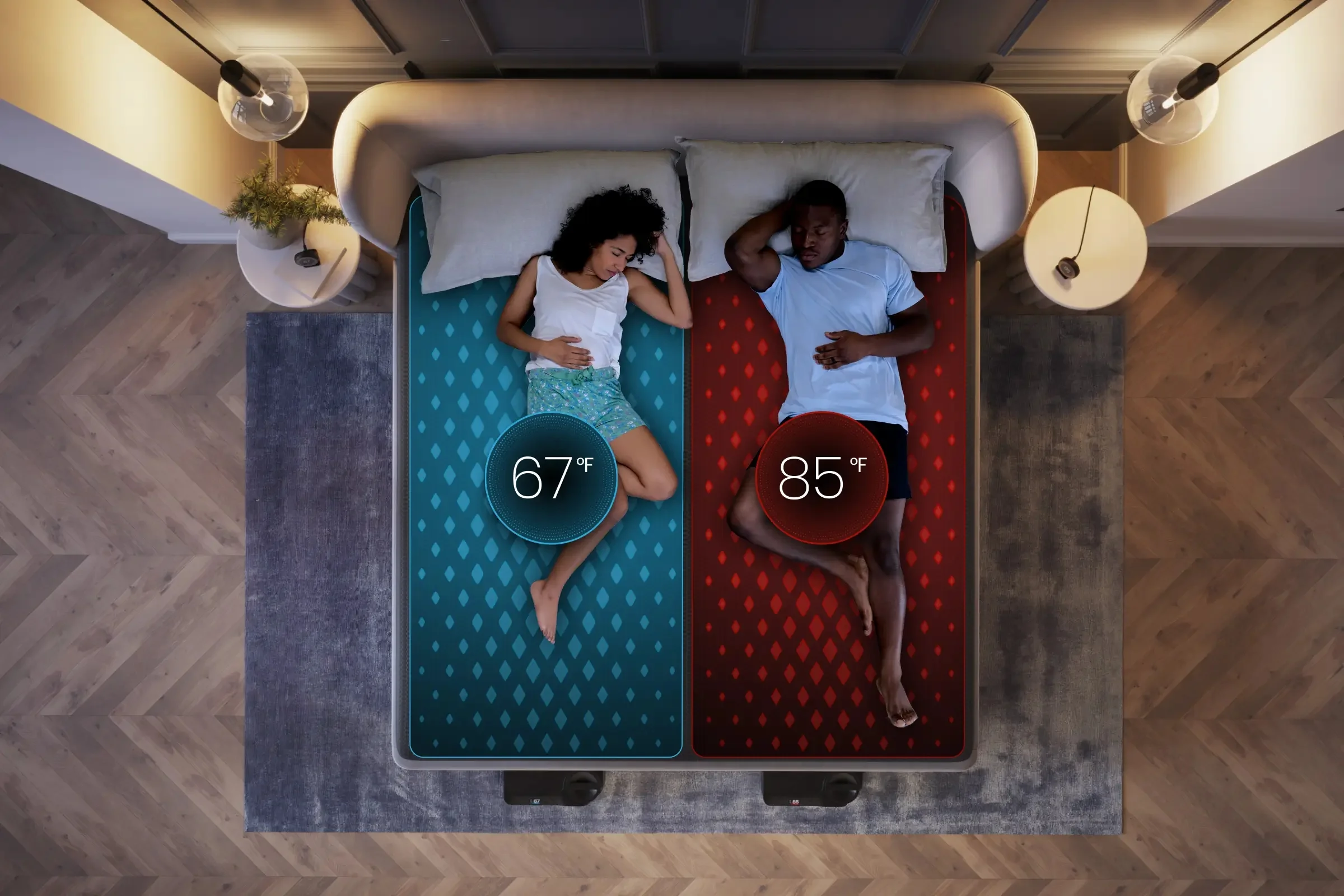
When considering tips for sleeping apart from partner, don't forget that modern technology can help bridge the gap. Dual-zone cooling pads or smart mattresses can sometimes provide a middle ground, but for many, the physical autonomy of a separate room is the ultimate luxury.
The Intimacy Paradox: Maintaining Connection While Sleeping Apart
One of the most common fears I hear from readers is that sleeping in separate rooms will lead to emotional distance. However, in my experience as an editor, the opposite is usually true. This is what I call the Intimacy Paradox: by creating physical space at night, you create the emotional capacity for deeper connection during the day. When you are well-rested, your capacity for patience, empathy, and sexual desire naturally increases.
Sleep deprivation is a known libido killer. When the body is exhausted, it prioritizes survival over reproduction, leading to lower hormonal drives. By prioritizing sleep hygiene and ensuring both partners are refreshed, many couples find that their waking hours become much more romantic and intentional. You are no longer two "zombies" sharing a bed; you are two vibrant individuals who are excited to see each other.
To ensure you are maintaining intimacy while sleeping in separate rooms, you must be intentional. Many couples who embrace a sleep divorce establish "connection windows" before bed. This might involve cuddling in one bed for 30 minutes to talk or watch a show before retreating to their own respective sleep sanctuaries. Others prioritize a "morning reunion," where the first thing they do upon waking is visit their partner's room for a coffee and a chat.
Ultimately, marital satisfaction is built on a foundation of health and mutual respect. Respecting your partner’s need for personal autonomy and restorative rest is one of the most loving things you can do. Transitioning to a sleep divorce without feeling distant requires open communication and a commitment to quality time during the day. When the bedroom stops being a place of conflict over snoring or stolen covers, it can return to being a place of peace.
FAQ
What exactly is a sleep divorce?
A sleep divorce is a lifestyle choice where a couple decides to sleep in separate beds or entirely separate rooms. The primary goal is to improve individual sleep quality by eliminating disturbances like snoring, tossing and turning, or mismatched sleep-wake schedules. It is a health-focused arrangement rather than a sign of a failing relationship.
Is a sleep divorce healthy for a relationship?
Yes, it can be incredibly healthy. Chronic sleep deprivation leads to irritability, a lack of empathy, and increased conflict. By ensuring both partners get high-quality restorative rest, a sleep divorce can reduce daytime tension and improve the overall emotional health and longevity of the partnership.
How do you maintain intimacy while sleeping separately?
Intimacy is maintained through intentionality. Couples often schedule "cuddle time" before sleeping or spend their mornings together. Because both partners are better rested, they often find they have more energy and desire for physical intimacy during their waking hours than they did when they were struggling to share a bed.
How do I talk to my partner about a sleep divorce?
Focus the conversation on health and wellness rather than your partner's annoying habits. Use "I" statements, such as "I have been feeling really exhausted lately," and frame the suggestion as a way for both of you to feel better and be more present in the relationship. Suggesting a temporary trial run can also make the idea feel less permanent and scary.
Does sleeping in separate beds lead to divorce?
There is no evidence that sleeping in separate beds causes divorce. In fact, many experts believe that by solving sleep-related conflicts, couples can prevent the resentment that often leads to a legal divorce. It is about prioritizing the quality of the time you spend together while awake.
How can a sleep divorce improve your health?
Sleeping solo reduces REM cycle fragmentation and helps regulate your circadian rhythm. This leads to better cortisol regulation, improved cognitive function, and a stronger immune system. When your sleep architecture is undisturbed, your body can effectively repair tissues and process emotions, leading to long-term wellness.