Our Top Picks
- Overall Best: Hyperice Vyper 3 – Unmatched power and high-intensity vibration levels for elite athletic performance.
- Best for Back Pain: Therabody WaveRoller – Featuring a specialized texture and smart connectivity to manage deep knots safely.
- Best for Travel: Hyperice Vyper Go – A compact, portable vibrating foam roller that fits easily into any gym bag without sacrificing motor wattage.
- Best Budget: FITINDEX Vibrating Foam Roller – Delivers essential variable intensity levels and rechargeable lithium-ion battery life at an accessible price point.
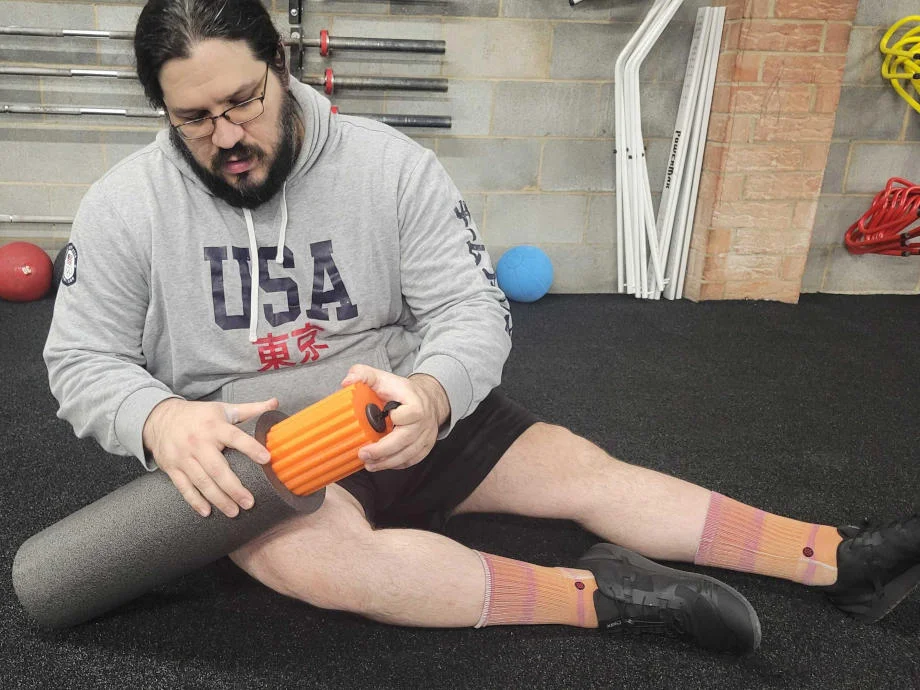
The best vibrating foam roller combines high-intensity vibration with durable high-density EVA foam to enhance blood circulation and speed up recovery times by targeting the nervous system. By integrating traditional myofascial release with vibration technology, these tools help activate mechanoreceptors and recruit more muscle fibers, which can alleviate post-workout soreness and reduce muscle fatigue more effectively than standard rollers.
| Brand | Speed Levels | Battery Life | Best For |
|---|---|---|---|
| Hyperice Vyper 3 | 3 Levels | 2 Hours | Pro Athletes |
| Therabody WaveRoller | 5 Levels | 2.5 Hours | Back Pain & Spine |
| Hyperice Vyper Go | 3 Levels | 2 Hours | Travel & Gym |
| Brazyn Morph | 3 Levels | 2 Hours | Collapsible/Space Saving |
| FITINDEX | 4 Levels | 3 Hours | Budget Recovery |
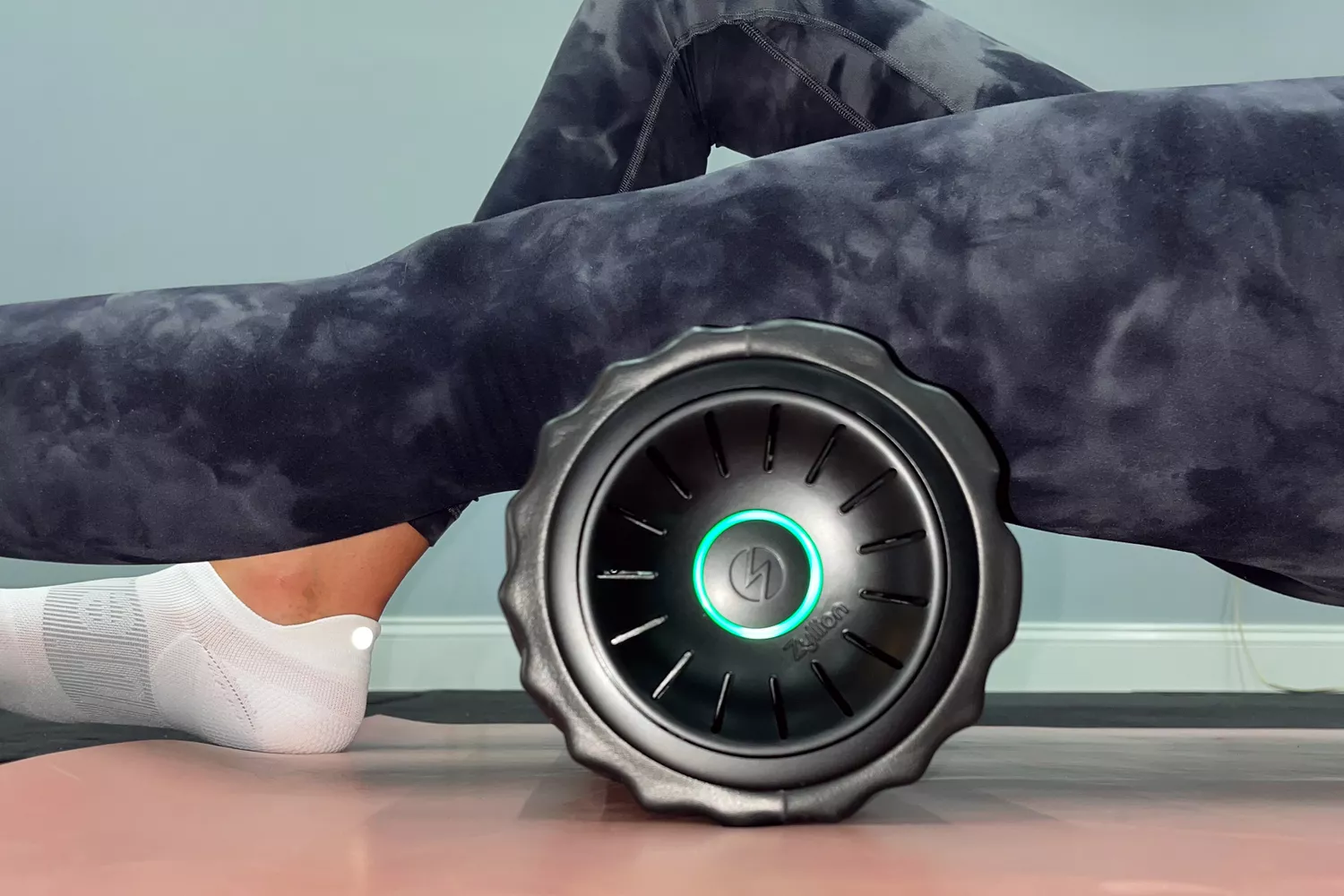
The Science: Why Doctors Recommend Vibration Therapy
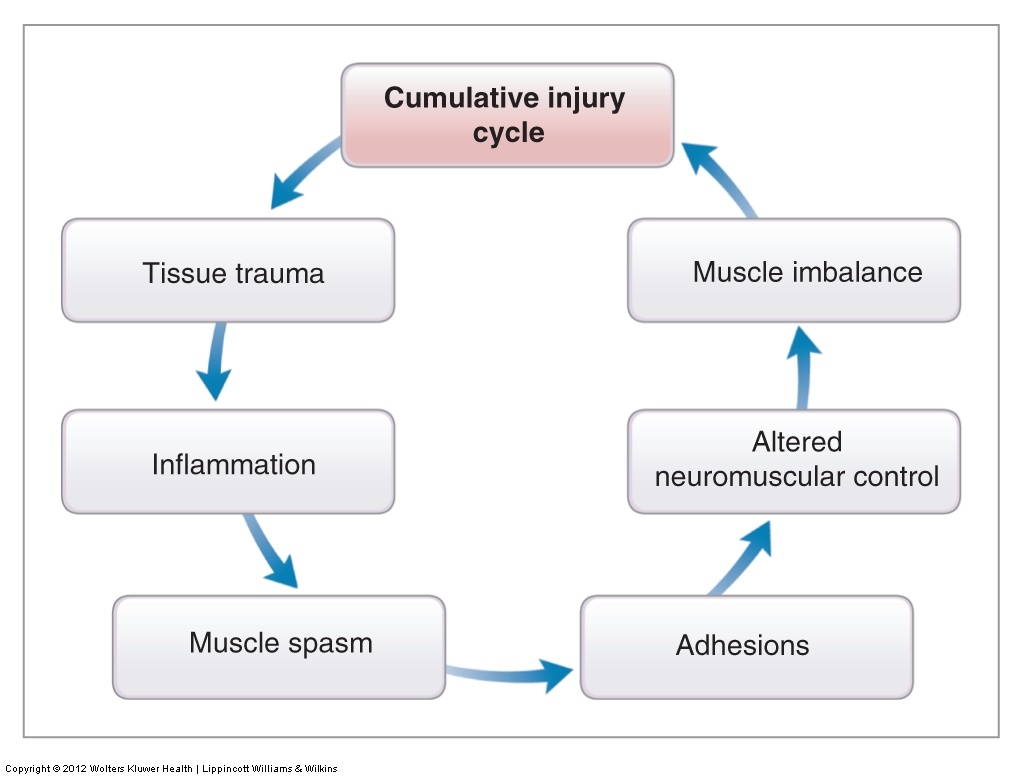
As an editor focused on athletic performance, I prioritize gear backed by sports physical therapy principles. Vibrating foam rollers are not just a luxury upgrade; they are a functional evolution of recovery gear. The core mechanism is based on the Gate Control Theory of pain. When you apply high-intensity vibration to a muscle, the sensory input overwhelms the neural pain systems, effectively gating out the discomfort of deep tissue work. This allows you to address deep knots that would be too painful to roll out with a standard density foam roller.
Beyond pain management, the physiological benefits of using a vibrating foam roller for recovery are measurable. Medical experts highlight that vibration therapy improves fascial elasticity and blood circulation more rapidly than static pressure. A meta-analysis of clinical trials involving 230 healthy participants demonstrated that vibrating foam rollers achieved a standardized mean difference of 0.53 in improving range of motion compared to traditional foam rollers.
By stimulating mechanoreceptor activation, these devices signal the brain to relax the targeted muscle group, resulting in improved range of motion and reduced muscle fatigue. This makes them a superior choice for both pre-workout warm-ups and post-workout cooldown routines where fascial health is a priority.
Top 10 Recommended Vibrating Foam Rollers
1. Hyperice Vyper 3
The Vyper 3 remains the gold standard for high-intensity recovery. It is built with a powerful 34W motor that maintains its frequency even under heavy body weight. The contoured design helps avoid direct pressure on the spine while targeting the paraspinal muscles.
Technical Spec Box
- Motor Wattage: 34W
- Speeds: 3 High-Torque Levels
- Material: Eco-friendly high-density EVA foam
- Battery: 2-hour rechargeable lithium-ion battery
Doctor's Advice: Use the highest setting for large muscle groups like the quads or glutes. The intensity is specifically calibrated to reach deep tissue that traditional myofascial release often misses.
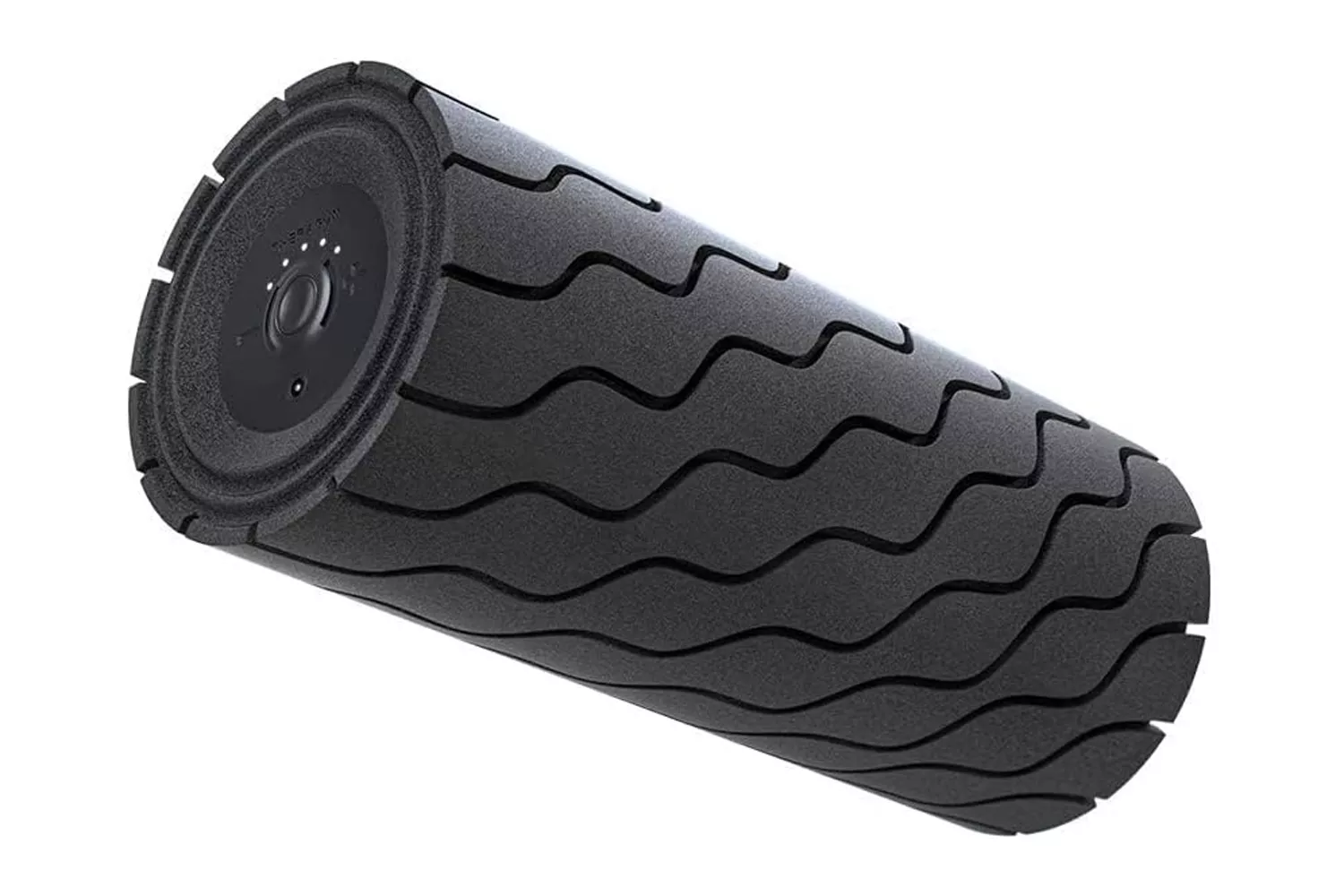
2. Therabody WaveRoller
Therabody is known for percussion therapy, and they brought that expertise to the WaveRoller. It features five variable intensity levels, allowing for a more customized experience. The asymmetric wave texture is designed to maximize surface area contact.
Technical Spec Box
- Connectivity: Bluetooth app integration
- Speeds: 5 Customizable Levels
- Design: Hypoallergenic high-density EVA foam
- Battery: 150-minute life
Pros:
- Excellent for guided recovery routines via the app.
- Quiet motor technology for home use.
Cons:
- The wavy surface might be too aggressive for beginners.
3. Hyperice Vyper Go
For athletes who need a portable vibrating foam roller for travel and gym sessions, the Vyper Go is the top pick. It delivers almost the same power as its larger sibling but in a much smaller footprint.
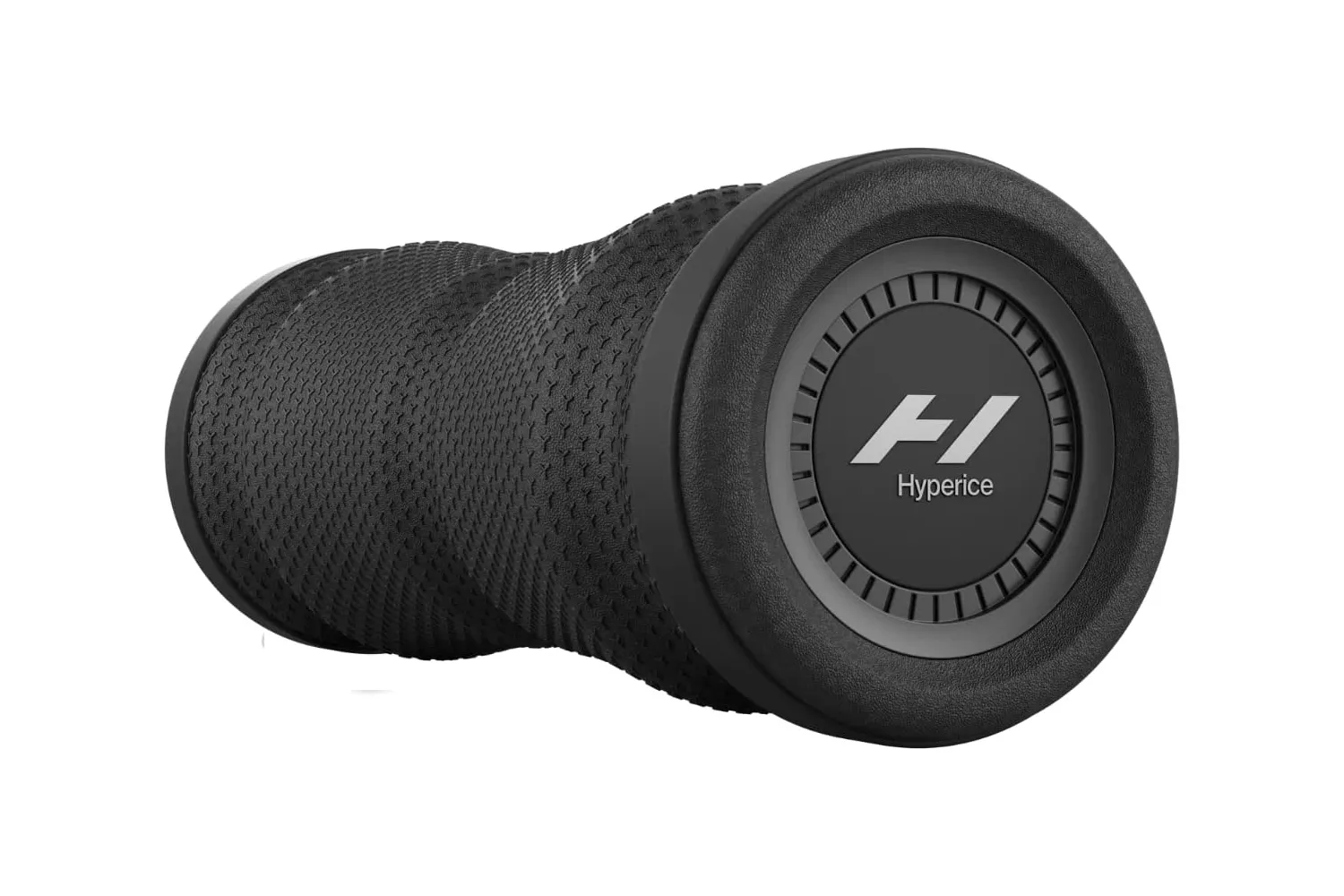
Medical Take: This is the best vibrating foam roller for those who travel frequently. Maintaining a recovery routine while on the road is crucial for preventing fascial elasticity loss during long flights or car rides.
4. Brazyn Morph Vibrating Roller
Innovation meets portability here. The Morph is famous for being a collapsible foam roller, and the vibrating version adds a powerful motor to that space-saving design. It is TSA compliant and fits into a laptop bag.
Technical Spec Box
- Feature: Collapsible to 2 inches thick
- Weight: Less than 3 lbs
- Speeds: 3 Vibration Levels
5. Zyllion High-Intensity Vibrating Roller
The Zyllion is a favorite among sports medicine doctors for its durability. It uses a rigid inner core that ensures the vibration is transferred directly to the muscle rather than being absorbed by the roller's frame.
Pros:
- Excellent battery life.
- Aggressive texture for deep knots.
6. TriggerPoint GRID Vibe Plus
TriggerPoint is a staple in sports physical therapy clinics. Their vibrating model uses the signature GRID pattern to mimic a massage therapist's hands while the vibration provides trigger point therapy.
Medical Take: The variable surface helps with fluid displacement and blood circulation, making it ideal for post-workout cooldown sessions.
7. LifePro Surger
If you are looking for high-intensity vibrating foam roller for deep knots, the LifePro Surger offers four levels of vibration that reach up to 3000 RPM. It is a workhorse designed for heavy-duty daily use.
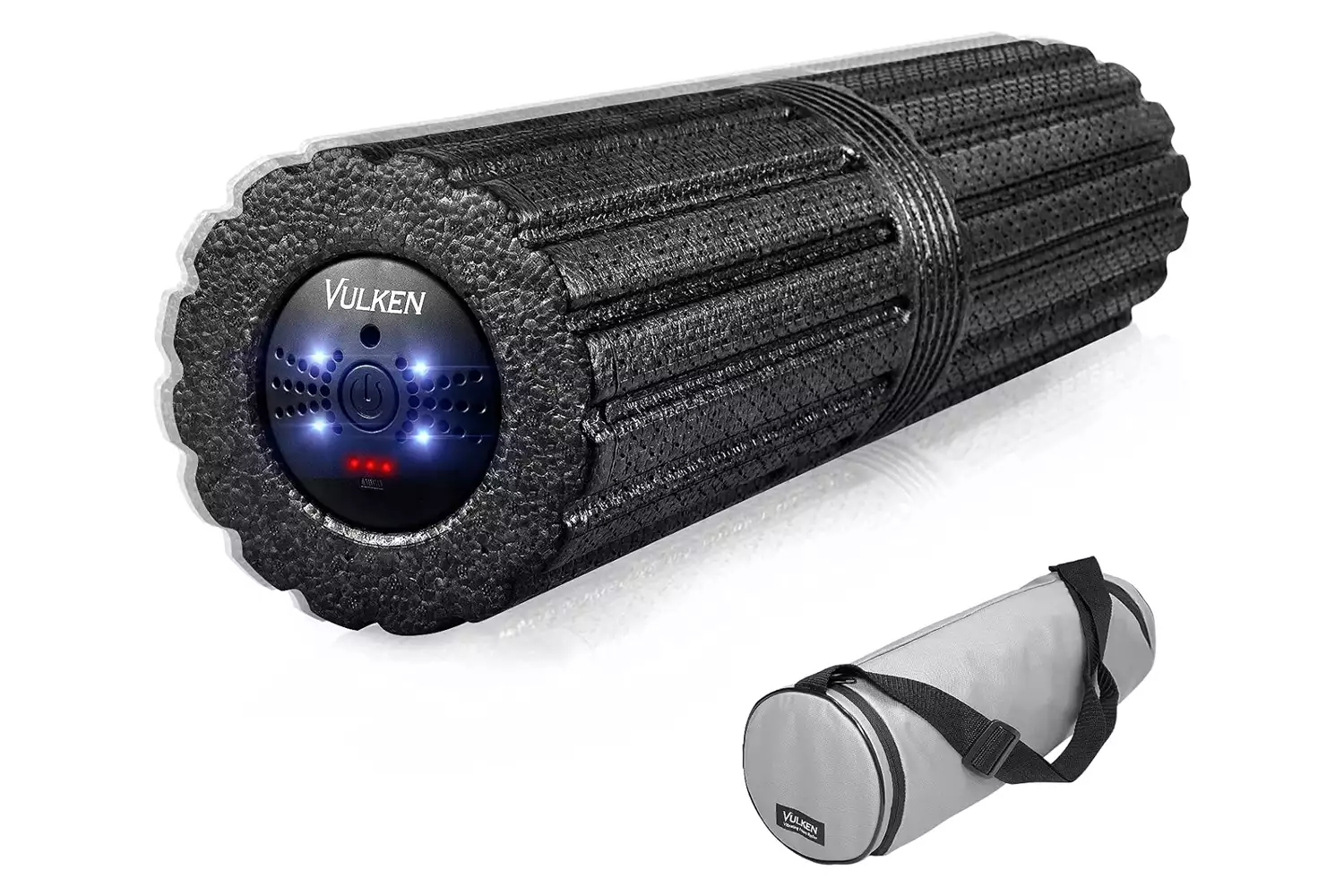
8. Vulken 4-Speed Vibrating Foam Roller
This model is highly recommended for its length. At 17 inches, it is wider than many competitors, making it easier to roll both legs at once or target the entire width of the back.
9. FITINDEX Electric Foam Roller
For those searching for electric foam roller recommendations for beginners, FITINDEX offers a smooth surface option. It is less intimidating than ridged rollers and provides a gentle introduction to vibration therapy.
10. NextRoller 3-Speed Vibrating Roller
The NextRoller focuses on simplicity and power. It includes a built-in handle for easy transport and a straightforward interface that doesn't require an app to operate effectively.
How to Use a Vibrating Foam Roller Safely
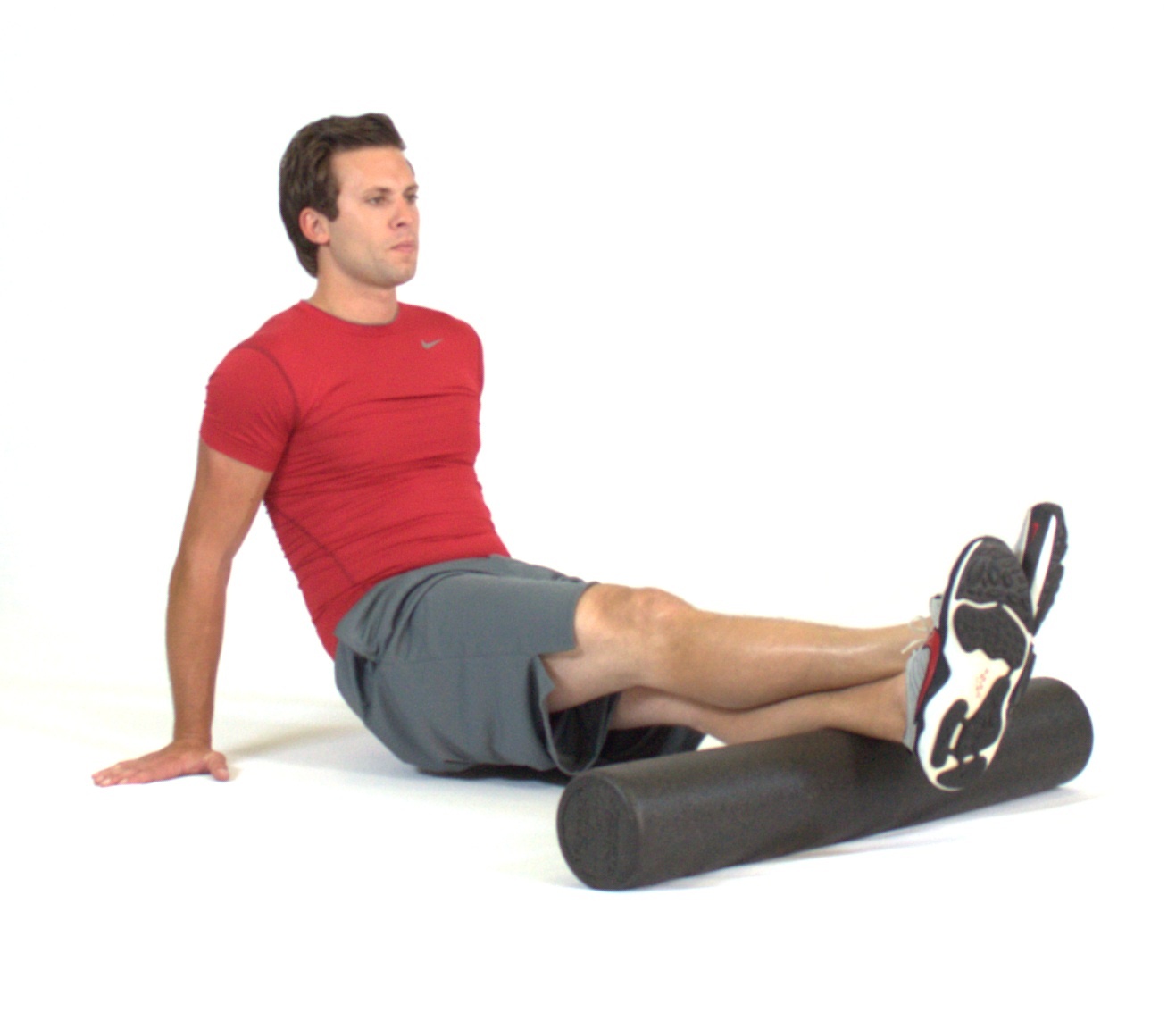
To get the most out of your electric foam roller, you must follow an evidence-based usage protocol. Medical experts suggest using a vibrating foam roller for at least 60 seconds per muscle group to achieve optimal results.
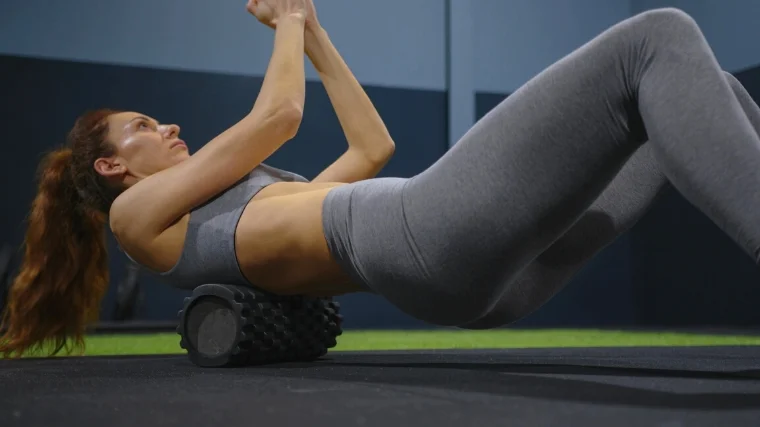
During your pre-workout warm-ups, use a higher intensity level with faster movements to improve circulation and wake up the nervous system. This prepares the muscle fibers for high-intensity training. During your post-workout cooldown, switch to a lower intensity and move much more slowly. Focus on breathing and allow the vibration to desensitize trigger points.
When targeting the back, doctors recommend rollers with spinal grooves to avoid putting direct pressure on the vertebrae while targeting surrounding soft tissue. Never roll your lower back with high-intensity vibration without professional guidance, as this can lead to muscle guarding or nerve irritation.
Safety and Contraindications: When to Skip the Vibration
While vibrating foam roller benefits are numerous, there are specific instances where you should avoid them. High-intensity vibration can be contra-indicated for certain medical conditions.
- Deep Vein Thrombosis (DVT): Vibration can potentially dislodge a clot.
- Pacemakers: The electronic components and magnetic fields in some rollers may interfere with cardiac devices.
- Acute Fractures or Open Wounds: Direct pressure and vibration will interfere with the healing process.
- Pregnancy: Most doctors advise avoiding vibration therapy on the lower back or abdomen during pregnancy.
- Osteoporosis: High-intensity pulses may be too aggressive for compromised bone density.
Always prioritize spinal alignment and avoid joints. The goal of using a vibrating foam roller for recovery is to treat the soft tissue, not the bone. If you feel sharp, radiating pain rather than a "good hurt" dull ache, stop immediately.
FAQ
Are vibrating foam rollers better than standard ones?
Yes, vibrating foam rollers are generally more effective because they address both the physical adhesions in the fascia and the neural signals of pain. The vibration helps to desensitize the area, allowing you to stay on a knot longer and achieve a deeper release than is possible with a traditional foam roller.
What are the benefits of using a vibrating foam roller?
The primary vibrating foam roller benefits for muscle recovery include increased blood circulation, improved range of motion, and a significant reduction in perceived muscle soreness. They also help in mechanoreceptor activation, which helps the muscles relax more efficiently during a post-workout cooldown.
Can you use a vibrating foam roller on your lower back?
You should exercise extreme caution when using any vibrating tool on the lumbar spine. Doctors recommend focusing on the thoracic spine (upper and middle back) and using a roller with a contoured groove to protect the vertebrae. For the lower back, it is often safer to target the glutes and hips, which are usually the root cause of lower back tension.
Who should not use a vibrating foam roller?
Individuals with deep vein thrombosis, pacemakers, acute inflammatory conditions, or advanced osteoporosis should avoid vibration therapy. If you have recently undergone surgery or have a history of blood clots, consult a medical professional before starting a vibration-based recovery routine.
Does vibration help with muscle soreness?
Yes, vibration therapy is highly effective for reducing Delayed Onset Muscle Soreness (DOMS). By improving lymphatic drainage and blood flow, it helps clear out metabolic waste products like lactic acid and delivers fresh oxygenated blood to the damaged muscle tissues, accelerating the healing process.