Quick Facts
| Symptom / Need | Recommended Gift Solution | Why it Works |
|---|---|---|
| Nausea & Digestion | Ginger chews or peppermint tea | Naturally settles the stomach during chemotherapy. |
| Extreme Fatigue | Sleep masks and weighted blankets | Blocks out light in hospital settings and promotes rest. |
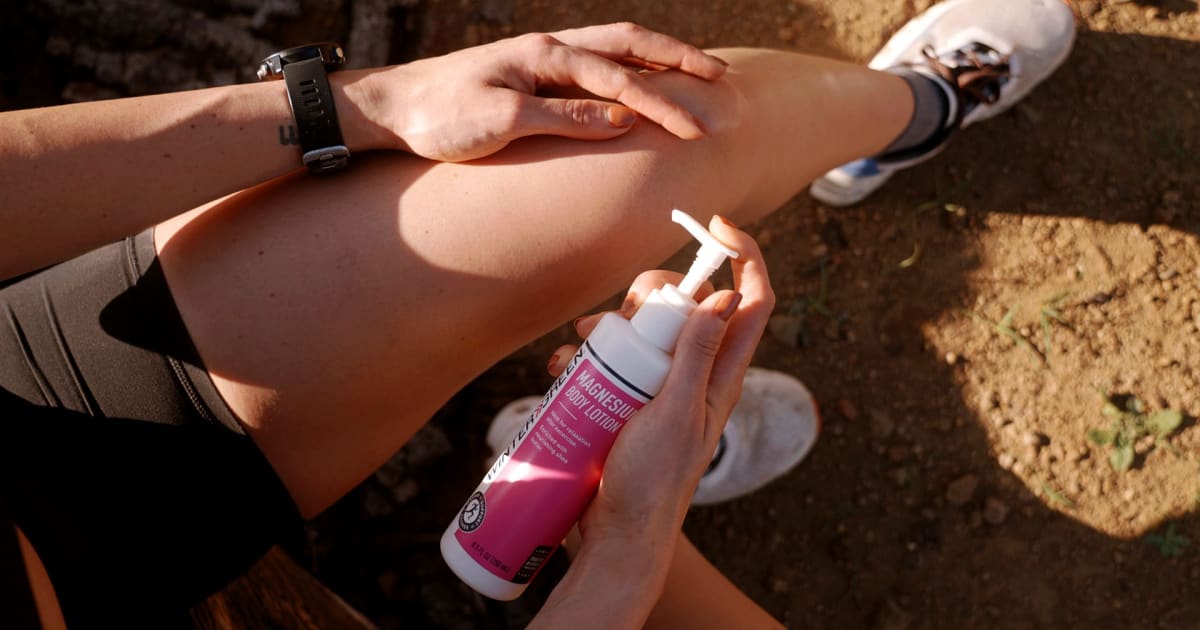
| Skin Sensitivity | Fragrance-free skincare | Protects the skin barrier without irritating chemicals. |
| Cold Infusion Rooms | Warm socks and soft head wraps | Combats the chill of sterile oncology environments. |
| "Metal Mouth" | Plastic utensils and bamboo sets | Eliminates the metallic taste caused by certain treatments. |
| Treatment Access | Port-accessible apparel | Allows nurses easy access without requiring disrobing. |
| Boredom / Anxiety | Puzzle books and headphones | Provides mental distraction during long infusion days. |
- Top Side-Effect Relief: Ginger chews and peppermint for nausea are essential, as this symptom affects up to 80% of patients.
- Essential Material: Always choose hypoallergenic textiles and fragrance-free skincare to protect treatment-sensitive skin.
- Critical Safety Rule: Avoid fresh flowers or unpasteurized food due to the high risk of infection (neutropenia).
- Treatment Must-Have: Include plastic utensils in every kit to combat the common "metal mouth" side effect.
- Comfort Pick: High-quality, warm socks are vital for notoriously cold infusion rooms.
- Logistical Support: Non-physical gifts like meal trains are invaluable, especially since 40% of patients struggle with food costs.
A thoughtful cancer care package should focus on practical comfort and side-effect management. Essential items include ginger chews for nausea relief, fragrance-free skincare for sensitivity, and hydration tracking tools. Comfort items such as soft head wraps, sleep masks, and port-accessible apparel help patients manage the physical challenges of treatment.
Safety First: What NOT to Include in a Cancer Care Package
When assembling a cancer patient gift basket ideas list, our first instinct is often to reach for items that represent life and luxury, such as a bouquet of lilies or a basket of artisanal cheeses. However, from a preventive care perspective, these items can actually pose significant medical risks. Many oncology patients experience a condition called neutropenia, where their white blood cell count drops dangerously low. This makes them highly susceptible to infections. Fresh flowers and plants can carry fungal spores and bacteria that a healthy immune system would easily fight off, but for someone undergoing treatment, these can lead to serious complications.
Chemical sensitivity is another critical factor. The skin often becomes paper-thin and highly reactive during radiation or chemotherapy. Strong fragrances—even from natural essential oils—can trigger intense nausea or cause painful skin rashes. This is why oncology-friendly gifts must always prioritize unscented toiletries. Furthermore, the phenomenon known as "metal mouth" is a common side effect where chemotherapy causes a persistent, bitter, metallic taste in the mouth. Gifting a high-end stainless steel water bottle might seem like a good idea for hydration, but it can actually worsen this unpleasant sensation.
Survivor-led curation often emphasizes the importance of avoiding unpasteurized foods or items that are difficult to clean. If you are building a kit, focus on hygiene and low-impact materials. Steer clear of anything with small, loose components or heavy perfumes. Instead, look for items that support a sterile yet soothing environment.
Warning for Gift Givers: Never include fresh flowers, unpasteurized honey, or sharp-smelling perfumes. If including snacks, ensure they are individually wrapped and come from a reputable source. Always opt for plastic or bamboo over metal when it comes to eating or drinking vessels.
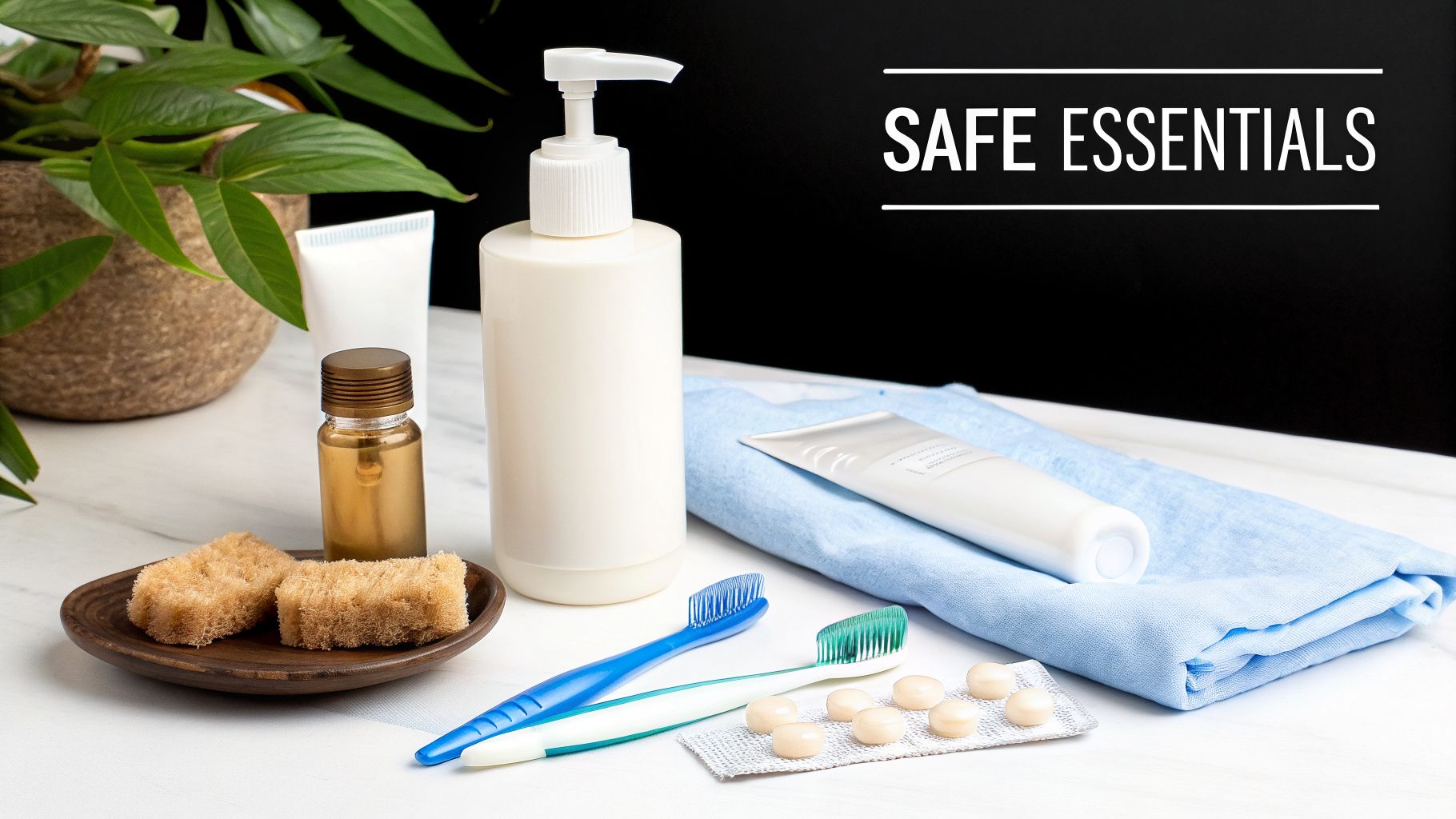
10 Essential Gift Ideas for Your Care Package
Creating a cancer care package that truly makes a difference requires moving beyond generic items and focusing on the specific treatment side effects a patient faces. Here are ten evidence-based, practical chemo care package ideas for nausea relief and overall comfort.
1. Ginger Chews and Peppermint Tea
Nausea is perhaps the most documented challenge of oncology treatment. In fact, chemotherapy-induced nausea and vomiting affects up to 80% of individuals who undergo treatment. High-quality, oncology-friendly ginger snacks provide a natural way to settle the stomach without interfering with medication. Peppermint tea is another excellent addition, offering a soothing ritual that helps with digestive comfort and hydration.
2. Fragrance-Free Skincare and Lip Balm
Treatment-induced dryness is a major concern. Look for fragrance-free skincare products that contain soothing ingredients like colloidal oatmeal or shea butter. Avoid any products with alcohols, parabens, or synthetic dyes. Providing a rich, unscented lip balm is also essential, as many patients suffer from chronically chapped lips due to dehydration and clinical environments.
3. Port-Accessible Apparel
For patients with a port or PICC line, getting dressed for appointments can be stressful. Specialized port-accessible apparel includes hoodies and shirts with hidden zippers or snaps at the chest. This allows medical staff to access the treatment site without the patient needing to strip down in a cold room, preserving their dignity and keeping them warm.
4. Noise-Canceling Headphones
The infusion room can be a chaotic place, filled with the beeping of machines and the hushed chatter of staff. These infusion room essentials help patients create a private sanctuary. Whether they are listening to a guided meditation, a calming playlist, or an audiobook, headphones provide a necessary mental escape from the clinical surroundings.
5. Hypoallergenic Textiles and Soft Head Wraps
When hair loss occurs, the scalp becomes incredibly sensitive to temperature and texture. Soft head wraps made from bamboo or organic cotton are far superior to wool or synthetic blends. These hypoallergenic textiles are gentle on the skin and help regulate temperature, providing comfort whether the patient is at home or at the clinic.
6. Warm, Non-Slip Socks
Hospitals and clinics are notoriously chilly. A pair of thick, fuzzy socks with non-slip grips on the bottom is a must-have for any chemo survival kit essentials for infusion day. They keep the feet warm during hours of sitting and provide safety when the patient needs to walk to the restroom or navigate the clinic.
7. Plastic or Bamboo Utensil Sets
As mentioned earlier, the metallic taste in the mouth can make eating a chore. By providing a set of high-quality plastic or bamboo utensils, you help the patient enjoy their food without the interference of a "tinny" taste. This small, thoughtful cancer care package addition can significantly improve their daily quality of life.
8. Hydration Tracking Water Bottles (BPA-Free Plastic)
Staying hydrated is critical for flushing toxins from the body, but it can be hard to remember when you are exhausted. A large, BPA-free plastic water bottle with time markers can serve as a gentle reminder to keep sipping throughout the day. This is one of those simple but highly useful care package gifts for radiation therapy patients as well.
9. Distraction Activities and Puzzle Books
Time moves differently during a long treatment session. Including distraction activities such as Sudoku, crosswords, or adult coloring books can help pass the time and reduce anxiety. These items are perfect for a cancer care package because they are lightweight, easy to pack, and don't require much physical energy to enjoy.
10. Silk Sleep Masks and Comfort Pillows
Fatigue is the most common side effect of chemotherapy, with approximately 15% to 35% of patients experiencing chronic, long-term cancer fatigue. A silk sleep mask can help a patient rest during the day, whether they are in the infusion chair or trying to nap at home. Pair this with a small neck pillow to support their head during long hours of sitting.

Building a DIY Cancer Care Package: Tips for Success
When you decide to create a bespoke gift, the goal is to show the recipient that you understand their specific needs. To make a successful what to put in a diy cancer care package list, start by considering the stage of their journey. Are they just starting chemotherapy? Are they mid-way through radiation?
For those in the middle of radiation, focus on comfort gifts for cancer patients with sensitive skin. This might include specialized creams specifically formulated for radiation burns. For those focused on infusion, your priority should be the chemo survival kit essentials for infusion day.
When assembling the box, use a sturdy container that can be repurposed, like a decorative felt bin or a reusable tote. Avoid using scented packing materials like potpourri. Instead, use clean tissue paper or shredded kraft paper. If you are providing thoughtful cancer care package ideas for long distance support, consider the weight and fragility of the items. Sending a "box of sunshine" with yellow-themed (but scent-free) items can be a wonderful way to brighten their day from afar.

Beyond the Box: Acts of Service as Gifts
Sometimes, the most impactful cancer care package isn't a physical box at all. The financial and physical toll of cancer is immense. A 2024 survey found that more than 40% of cancer patients and survivors reported that treatment costs impacted their ability to afford food. This is where acts of service become the ultimate comfort gifts for cancer patients.
Palliative care support can take many forms. You might set up a meal train, but ensure it is coordinated so the patient isn't overwhelmed with food all at once. Offering to handle grocery shopping, pet walking, or light house cleaning can provide the mental space the patient needs to focus on healing. If the patient has children, providing childcare during their appointments is an invaluable gift.
Transportation is another significant hurdle. Offering to drive them to and from the clinic can reduce the stress of navigating traffic while fatigued. These gestures demonstrate a deep level of post-surgery recovery support that goes beyond what any store-bought item can provide.


FAQ
What should I put in a cancer care package?
A well-rounded package should include items for nausea relief (ginger chews), skin care (fragrance-free lotions), and physical comfort (soft socks and head wraps). Focus on practical items that address treatment side effects rather than purely decorative gifts.
What items are most helpful for someone undergoing chemotherapy?
Items that manage "infusion day" challenges are the most helpful. This includes port-accessible clothing, noise-canceling headphones for distraction, and plastic utensils to combat the metallic taste caused by many chemo drugs.
What should you not include in a gift for a cancer patient?
Avoid fresh flowers and unpasteurized foods due to infection risks (neutropenia). Do not include products with strong scents, perfumes, or metal water bottles, as these can trigger nausea or worsen the metallic taste side effect.
What are the best comfort gifts for cancer patients?
The best comfort gifts address the specific physical needs of the patient, such as silk sleep masks for managing chronic fatigue and hypoallergenic textiles like bamboo wraps that are gentle on sensitive skin.
How do I make a DIY cancer care kit?
Start with a theme like "Infusion Essentials" or "Home Recovery." Select 5-7 high-quality, unscented items, and pack them in a reusable tote or bin. Prioritize quality over quantity, choosing items that have been vetted by survivor-led curation.
When is the best time to send a care package to a cancer patient?
While the initial diagnosis is a common time to send gifts, the "middle" of treatment is often when support is needed most. Sending a package when the initial flurry of attention has died down can provide a much-needed emotional boost during the long haul of recovery.