Our Top Picks
- Best Overall: Adjustable Dumbbell Set – Replaces 15 pairs of weights, offering maximum versatility for progressive overload in a tiny footprint.
- Best for Small Spaces: Fabric Resistance Band Set – Provides variable resistance levels for full-body conditioning without taking up any floor space.
- Best for Strength: 12-Gauge Steel Adjustable Bench – A heavy-duty foundation with a 1,000-lb weight capacity that supports every major lift.
Building a budget home gym in 2026 is more affordable than ever. Essential budget home gym equipment includes versatile tools like adjustable dumbbells, resistance bands, a weight bench, and a stability ball that offer high value for small spaces. By prioritizing multi-functional gear, you can effectively replicate a commercial gym experience without the recurring costs of a membership.
The Essentials: Building Your Foundation on a Budget
Setting up a high-performance training environment doesn't require a second mortgage. I always tell my clients to follow the 90% Training Rule: focus on the gear that handles 90% of your movements. In 2024, the beginner segment accounted for 59.2% of the smart home gym equipment market share, proving that more people are looking for accessible, user-friendly ways to train at home.
Your foundation starts with a high-quality surface. A thin yoga mat won't cut it when you are dropping weights or performing high-impact plyometrics. You need high-density affordable home workout gear that protects both your joints and your flooring.
-
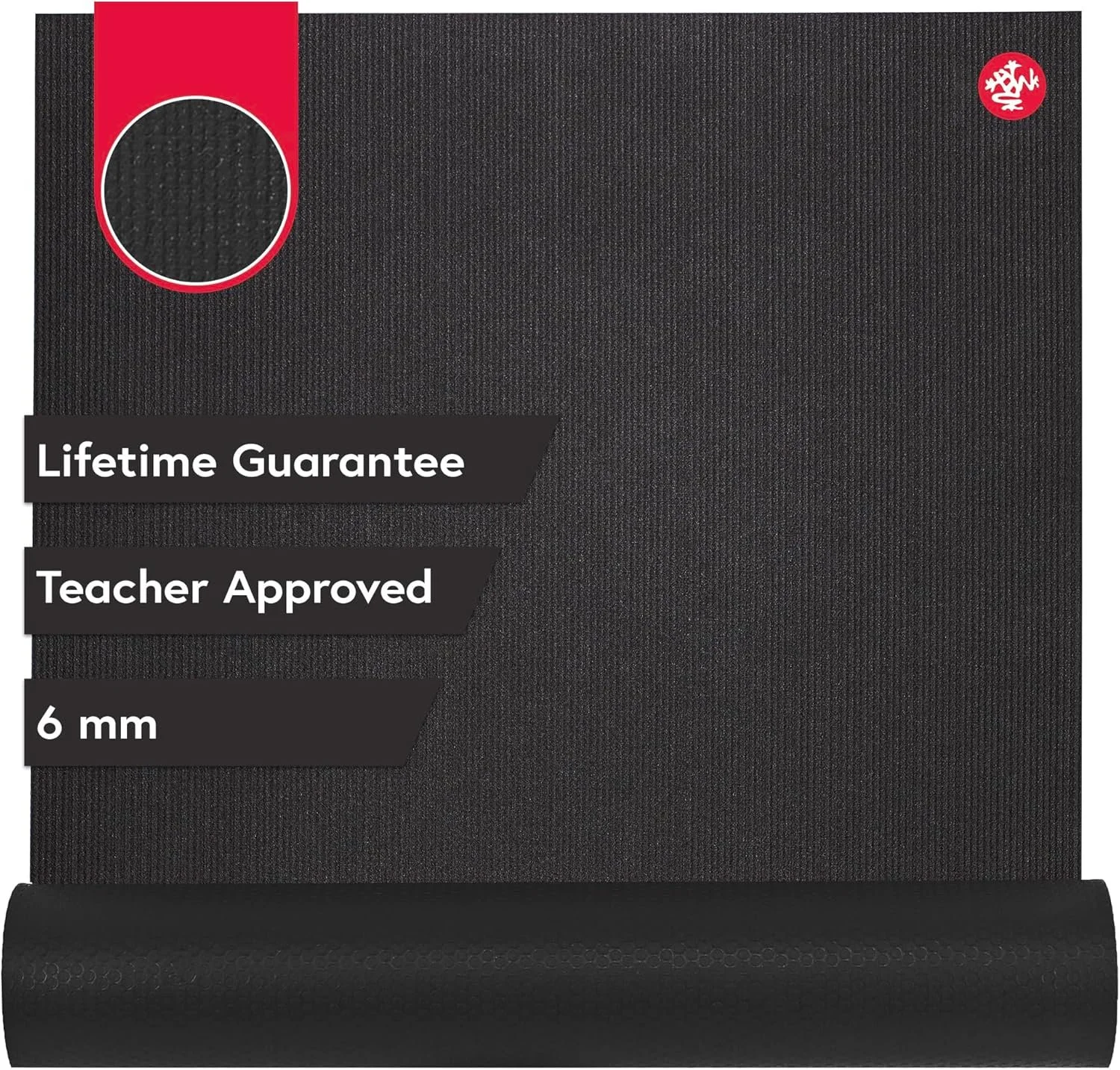
Manduka PRO High-Density Mat
- Who It’s For: Athletes needing a permanent, non-slip floor solution.
- Pros: Incredible durability; lifetime warranty; closed-cell surface prevents sweat soak.
- Cons: Heavier than standard mats; requires a break-in period.
- Footprint: 71" x 26"
-
Heavy-Duty Resistance Band Set
- Who It’s For: Beginners and travelers needing space-saving gym equipment.
- Pros: Extremely portable; adds linear variable resistance to any lift.
- Cons: Can snap if not maintained; hard to quantify exact weight.
- Footprint: Fits in a small drawstring bag.
-
High-Density Foam Roller
- Who It’s For: Anyone focused on post-workout recovery and mobility.
- Pros: Affordable; essential for myofascial release.
- Cons: Can be painful for beginners.
- Footprint: 36" x 6"
-
Anti-Burst Stability Ball
- Who It’s For: Users looking to improve core stability and balance.
- Pros: Doubles as an office chair; excellent for core isolation.
- Cons: Requires significant storage space when inflated.
- Footprint: 65cm - 75cm diameter.
Investing in a high-density mat like the Manduka PRO provides a durable foundation for both floor exercises and protecting your floors from weights.
Strength Training: Maximizing Weight Capacity Without the Cost
Strength training is the cornerstore of any athletic program. To see results, you need tools that allow for progressive overload. According to 2025 data, 55% of home gym enthusiasts prefer adjustable dumbbells over traditional fixed-weight sets. This shift toward versatile home fitness equipment for full body workouts is driven by the need for efficiency.
| Equipment Type | Key Feature | Weight Capacity | Target Muscle Groups |
|---|---|---|---|
| Adjustable Dumbbells | Space-saving dial system | 5 - 52.5 lbs | Full Body |
| Adjustable Bench | 12-gauge alloy steel | 800 - 1,000 lbs | Chest, Shoulders, Back |
| Cast Iron Kettlebell | Ergonomic wide grip | 10 - 50 lbs | Posterior Chain, Core |
| Doorway Pull-Up Bar | No-screw installation | 300 lbs | Back, Biceps, Core |
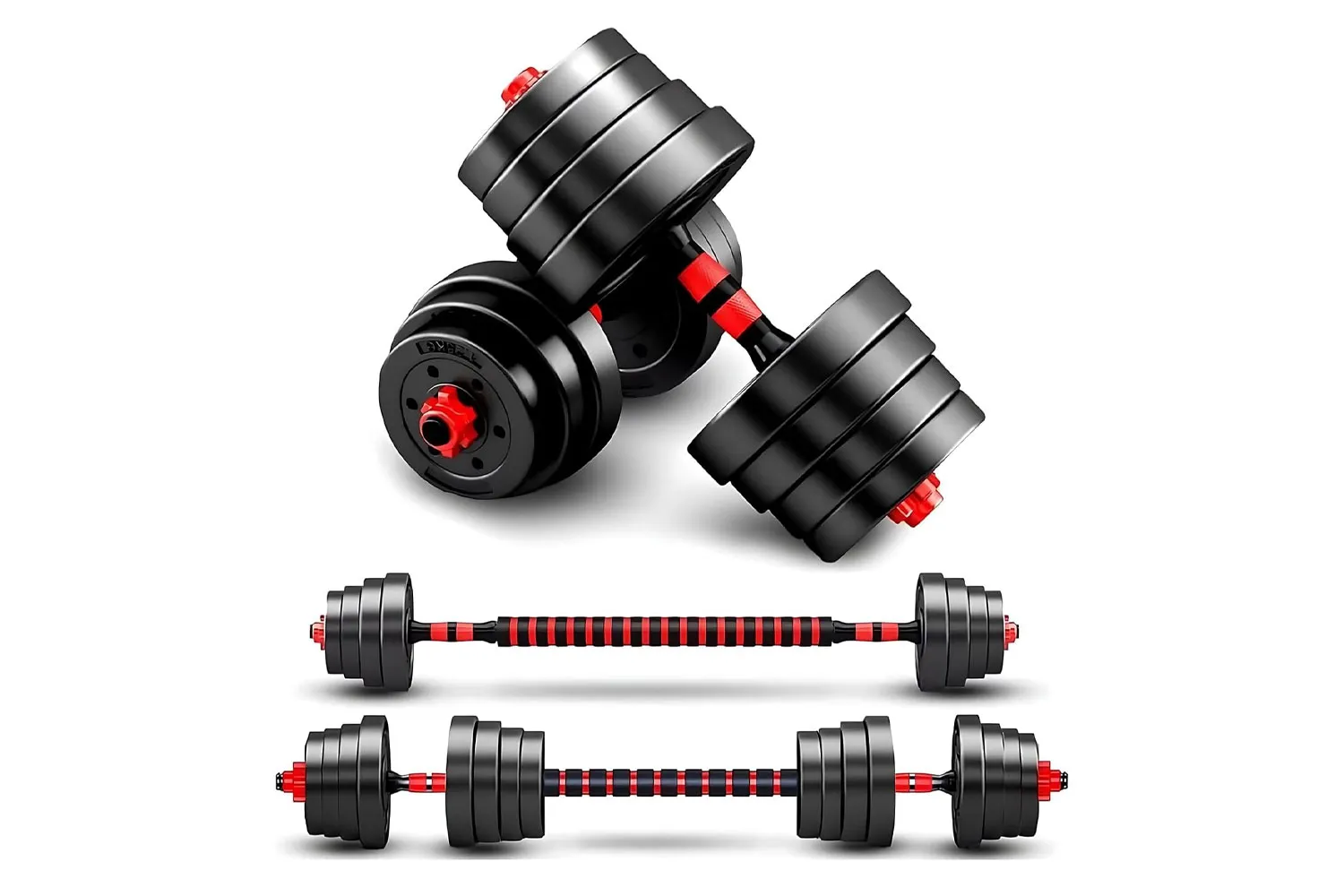
- Adjustable Dumbbell System
- Who It’s For: Strength athletes in apartments needing best budget home gym equipment for small apartments.
- Pros: Replaces 15 sets of weights; rapid weight changes.
- Cons: More fragile than solid iron; expensive upfront.
- Footprint: 1.5 sq. ft.
Adjustable dumbbells are the ultimate space-saver, replacing a full rack of weights with a single pair that grows with your strength.
-
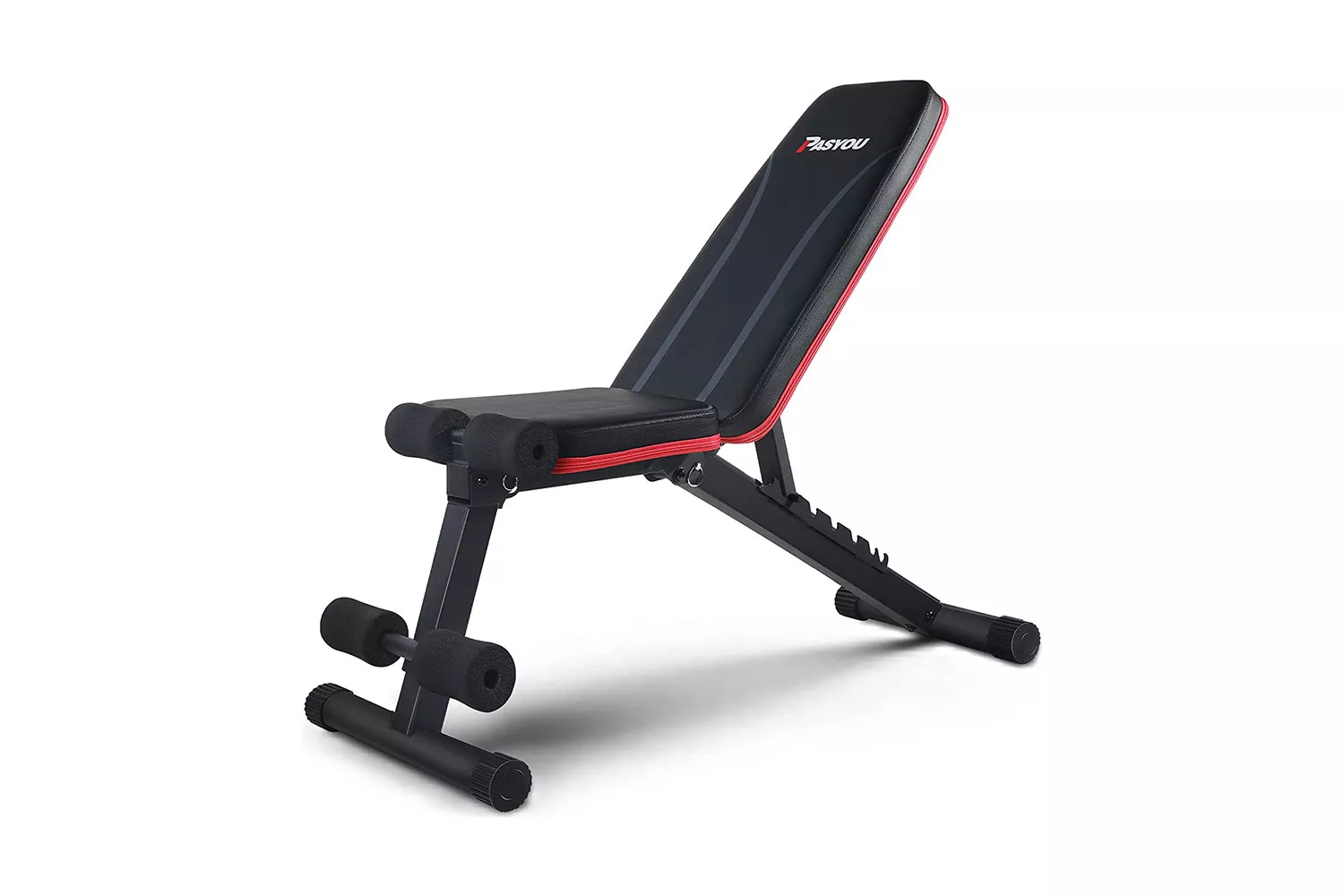
Foldable 12-Gauge Steel Bench
- Who It’s For: Serious lifters requiring durable budget home workout equipment reviews.
- Pros: High weight capacity; folds flat for storage under a bed.
- Cons: Can feel slightly less stable than a fixed commercial bench.
- Footprint: 47" x 16" (Unfolded)
-
Cast Iron Kettlebell (Standard)
- Who It’s For: Fans of functional movements and metabolic conditioning.
- Pros: Indestructible; textured ergonomic grips for better hold.
- Cons: Singular weight limits progression options.
- Footprint: 0.5 sq. ft.
-
Multi-Grip Pull-Up Bar
- Who It’s For: Bodyweight specialists and those focused on upper body pull strength.
- Pros: Multiple hand positions; uses leverage rather than screws.
- Cons: Not compatible with all door frames.
- Footprint: 36" wide (Doorway)
-
Dumbbell-to-Barbell Connector
- Who It’s For: Lifters on a budget wanting to perform compound barbell movements.
- Pros: Low cost; turns two dumbbells into a light barbell.
- Cons: Limited weight capacity compared to a real Olympic bar.
- Footprint: Negligible.
-
Core Sliders
- Who It’s For: Users wanting to intensify abdominal work on a budget.
- Pros: Double-sided for carpet or hardwood; lightweight.
- Cons: Requires a smooth surface.
- Footprint: 7" diameter.
-
Adjustable Ankle Weights
- Who It’s For: Those looking to add resistance to leg lifts and glute work.
- Pros: Removable weight packets; soft neoprene material.
- Cons: Not suitable for running.
- Footprint: Compact wrap-around.
A foldable, heavy-duty weight bench allows for full-body strength training without permanently occupying your living space.
Cardio & Versatility: Small Footprint, Big Results
You don't need a $2,000 treadmill to get your heart rate up. For those living in multi-story buildings, finding quiet home gym equipment for apartment dwellers is the priority. The goal is to maximize calorie burn without making the neighbors file a noise complaint.
| Cardio Tool | Resistance Type | Noise Level | Storage Ease |
|---|---|---|---|
| Magnetic Indoor Bike | Magnetic | Near Silent | Medium |
| Mini Trampoline | Spring or Bungee | Low | High (Foldable) |
| Speed Jump Rope | Manual | Moderate | Very High |
| Aerobic Step | Manual | Moderate | Medium |
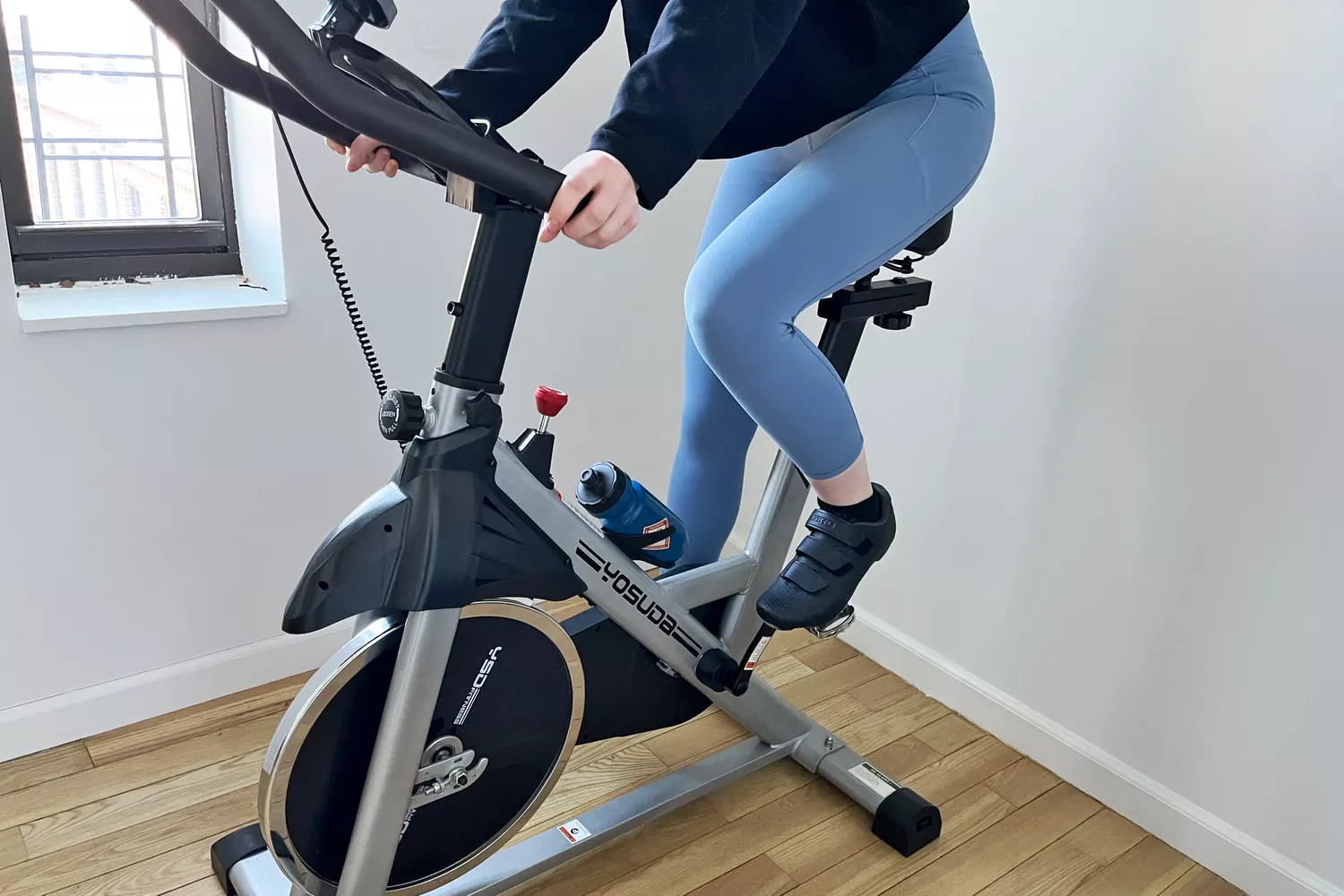
- Magnetic Indoor Cycling Bike
- Who It’s For: Urban dwellers needing low-impact, silent cardio.
- Pros: Magnetic resistance is maintenance-free; very quiet.
- Cons: No built-in screen (use your tablet).
- Footprint: 40" x 20"
Compact cardio machines like the YOSUDA bike offer a quiet, low-impact way to burn calories in small apartment settings.
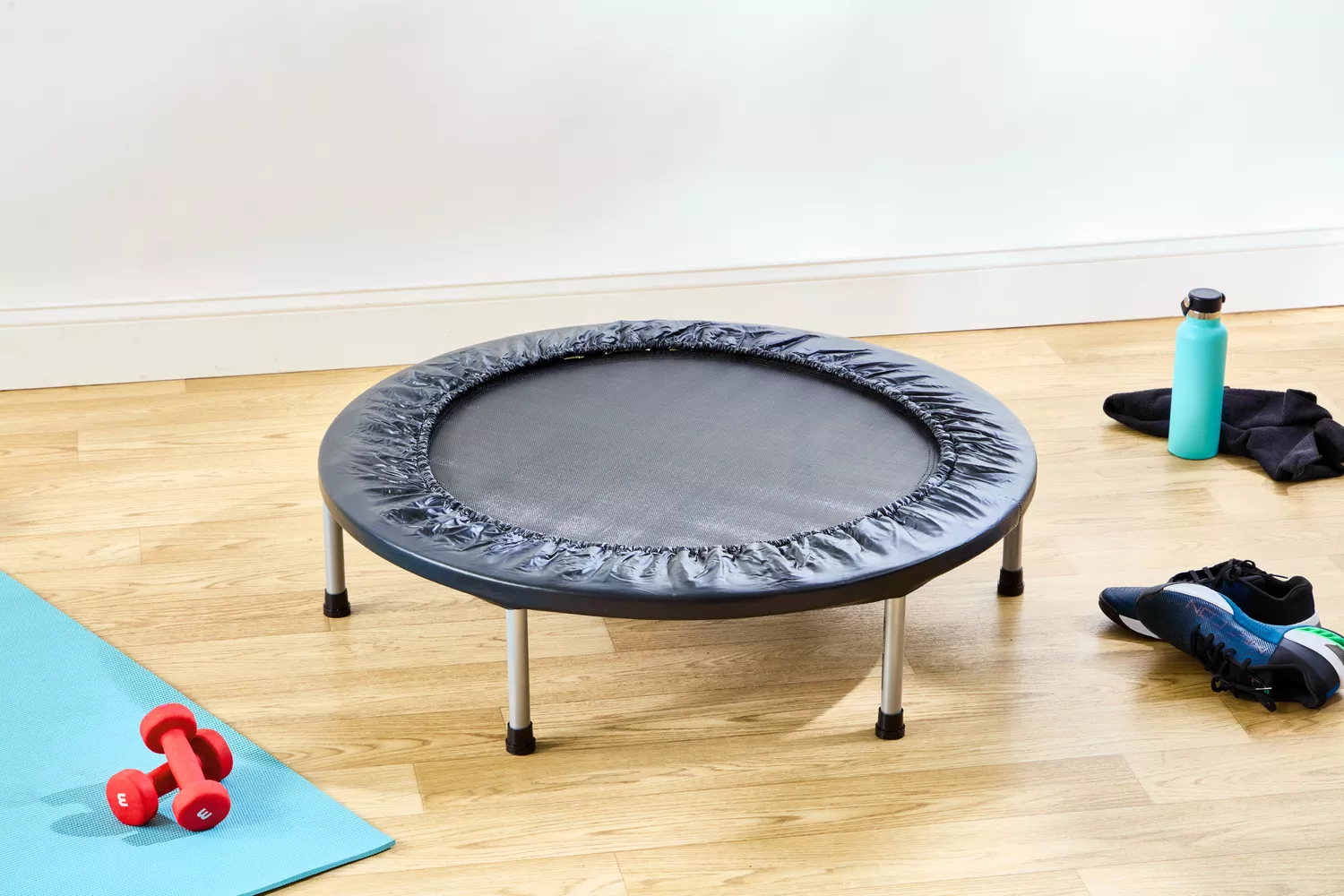
- Foldable Mini Trampoline (Rebounder)
- Who It’s For: Users wanting fun, low-impact cardio that stores easily.
- Pros: High calorie burn; easy on the joints.
- Cons: Requires a ceiling height check.
- Footprint: 40" diameter.
Mini trampolines provide a fun, high-intensity cardio alternative that can be easily tucked away when not in use.
-
Weighted Speed Jump Rope
- Who It’s For: Athletes focused on agility and coordination.
- Pros: Lowest cost cardio; extremely effective.
- Cons: Requires a specific skill level; high impact.
- Footprint: Fits in a pocket.
-
Adjustable Aerobic Step
- Who It’s For: HIIT enthusiasts and those needing a multi-purpose platform.
- Pros: Great for step-ups, incline pushups, and plyo jumps.
- Cons: Plastic can slide on hardwood if no mat is used.
- Footprint: 26" x 11"
-
3-in-1 Soft Plyo Box
- Who It’s For: CrossFit style athletes looking for explosive power.
- Pros: Soft edges prevent shin injuries; three heights in one box.
- Cons: Bulky to store.
- Footprint: 20" x 24" x 30"
-
Suspension Trainer (TRX Style)
- Who It’s For: Minimalists wanting to use their body weight for resistance.
- Pros: Hooks to any door; infinite exercise variations.
- Cons: Requires a sturdy door or anchor point.
- Footprint: Storage bag size.
Investment Analysis: Home Gym vs. Membership Costs
Is it worth the upfront cost? Approximately 29% of exercisers in the United States purchased fitness equipment for home use following the pandemic, and that trend isn't slowing down. When you look at the numbers, the math is clear.
A mid-tier commercial gym membership costs between $40 and $100 per month, plus initiation fees and the "hidden" cost of commuting. Over a year, you are spending $600 to $1,400. You can build a complete, high-performance space with affordable home gym essentials for beginners for under $600.
By selecting durable materials like alloy steel and cast iron, your home gym essentials on a budget become a one-time investment that lasts for a decade. The convenience of training at home also increases workout consistency—the most important factor in long-term athletic performance.
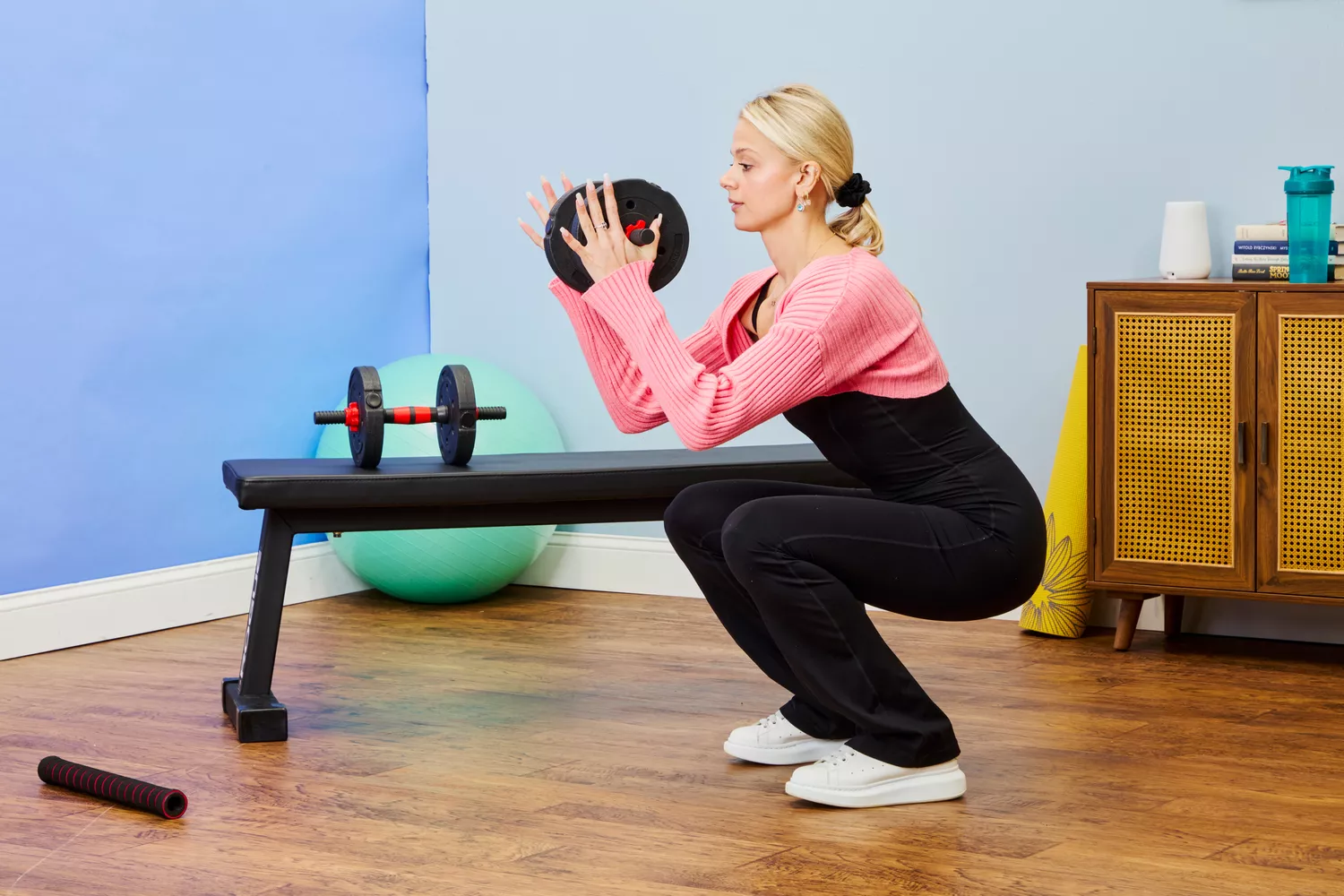
For the cost of a one-year gym membership, you can fully equip a home space that eliminates commute times and monthly fees forever.
FAQ
What is the best budget-friendly home gym equipment?
The best budget-friendly gear is the adjustable dumbbell set. It offers the highest versatility-to-cost ratio by replacing a full rack of weights, allowing you to perform hundreds of different exercises with one piece of equipment.
How much does a basic home gym cost to set up?
You can set up a high-quality beginner gym for approximately $300 to $600. This budget typically covers a heavy-duty mat, a set of resistance bands, an adjustable bench, and a set of dumbbells or kettlebells.
What are the essential items for a beginner home gym?
The foundation of any beginner gym should include a high-density floor mat, adjustable dumbbells, and a sturdy weight bench. These three items allow you to perform almost every foundational movement required for strength and fat loss.
Is it cheaper to build your own gym or join one?
Over the long term, building your own gym is significantly cheaper. While the initial investment might be several hundred dollars, you eliminate monthly dues, annual fees, and the gas/time costs associated with commuting to a commercial facility.
Can you build muscle with inexpensive home gym gear?
Absolutely. Muscle growth is driven by mechanical tension and progressive overload. As long as your budget home gym equipment provides enough resistance to challenge your muscles and allows you to increase that resistance over time, you will see significant results.
What is the most versatile piece of equipment for a small space?
The suspension trainer is the most versatile space-saving strength training gear for home. It allows for a full-body workout using your body weight, fits into a small bag, and can be set up in any doorway in seconds.
Building a training space isn't about having the flashiest machines; it's about having the right tools to do the work. Start with the basics, prioritize durability, and focus on the gear that keeps you moving. You don't need a massive budget to get massive results. Pick your first three items and start training today.