
Quick Facts
- Success Rate: Research shows that 80% of New Year's resolutions fail by February, making a mid-year spring reset routine essential for long-term health.
- Market Trend: As we enter 2026, 40% of consumers now consider wellness a top daily priority, shifting from occasional self-care to integrated lifestyle habits.
- Biological Trigger: Effective resets require shifting from indoor light (approx. 500 lux) to outdoor morning light (10,000–25,000 lux) to regulate hormones.
- Optimal Sleep: To support metabolic health during seasonal shifts, maintain a bedroom temperature of 65–68°F to facilitate a natural core temperature drop.
- Market Growth: The global wellness market is hitting new heights, projected to reach $7.8 trillion in 2026, driven by a demand for evidence-based preventive care.
- Motivation: According to 2026 survey data, 80% of Americans plan to engage in spring cleaning, with 57% identifying decluttering as their primary motivator.
A realistic spring reset routine focuses on sustainable daily shifts rather than dramatic lifestyle overhauls. Key components include starting the day with hydrating rituals like celery juice, decluttering specific areas of the home one at a time, and prioritizing low-impact movement to support circulation. The goal is to align with the season's energy by clearing physical and mental space while gradually reintroducing fresh, water-rich foods that support digestion and vitality.
The Biological Reset: Morning Light and Circadian Rhythms
As the editor of a lifestyle publication focused on preventive care, I often see the same mistake: people try to "spring clean" their lives using sheer willpower. However, true vitality isn’t about grit; it is about biology. As we transition away from the lethargy of winter, our internal clocks require a recalibration. This is where morning light exposure for circadian rhythm reset becomes the most powerful tool in your arsenal. During the winter, we often exist in a state of biological twilight, exposed only to the dim 500 lux of indoor lighting. To trigger the transition into spring energy, your brain needs a specific signal: 10,000 to 25,000 lux of natural light within thirty minutes of waking.
This surge of light suppresses melatonin and signals the timely release of cortisol, which should peak in the morning to provide focus and energy. When we ignore this environmental cue, we stay in a state of post-winter grogginess. For those crafting spring wellness rituals for busy mornings, the simplest shift is to take your first cup of tea or water outside. Even five minutes on a balcony or near an open window can begin this hormonal cascade.
In 2026, the concept of a digital fast has become a cornerstone of the preventive health movement. By delaying your first interaction with a screen, you prevent an artificial spike in cortisol levels that often leads to mid-morning burnout. Instead of scrolling through news or emails, prioritize deep breathing or a short walk. This mindful living practice ensures that your nervous system starts the day in a state of calm rather than reactivity. By grounding your spring reset routine in circadian biology, you are not just changing your schedule; you are optimizing your cellular function.

The Seasonal Kitchen: Nutrition and Gut Health
One of the most effective healthy lifestyle shifts you can make this season involves moving away from the heavy, calorie-dense comfort foods of winter toward the vibrant, water-rich produce that spring provides. In my work with nutritionists, we focus on the "Add, Not Subtract" philosophy. Instead of going on a restrictive diet that triggers a stress response, focus on incorporating seasonal produce like asparagus, leafy greens, and radishes. These foods are naturally high in phytonutrients and antioxidants that support the liver’s natural detoxification pathways.
Gut health is inextricably linked to our mood and energy levels. As the weather warms, our digestion often benefits from a shift toward lighter, enzyme-rich foods. This is the perfect time to experiment with seasonal kitchen fridge organization ideas that make these healthy choices the path of least resistance. When you open your refrigerator, the first things you see should be pre-washed greens, vibrant berries, and hydrating infusions.
| Category | Ideal (The "Insta" Version) | Realistic (The Sustainable Version) |
|---|---|---|
| Morning Routine | 2-hour meditation and workout | 10 mins morning light exposure |
| Nutrition | Strict 7-day juice cleanse | Adding seasonal produce to every meal |
| Movement | Daily 90-minute gym sessions | 15-minute low impact spring movement routine |
| Home | Full Marie Kondo of the whole house | Targeted seasonal home decluttering one drawer at a time |
Setting the stage for better nutrition starts with visibility. If the kale is buried in the back of the crisper drawer behind a block of cheese, you won't eat it. Clear out the expired condiments and reorganize your shelves so that your water-rich foods are at eye level. This simple act of organization reduces the "decision fatigue" that often leads to poor food choices at the end of a long day.

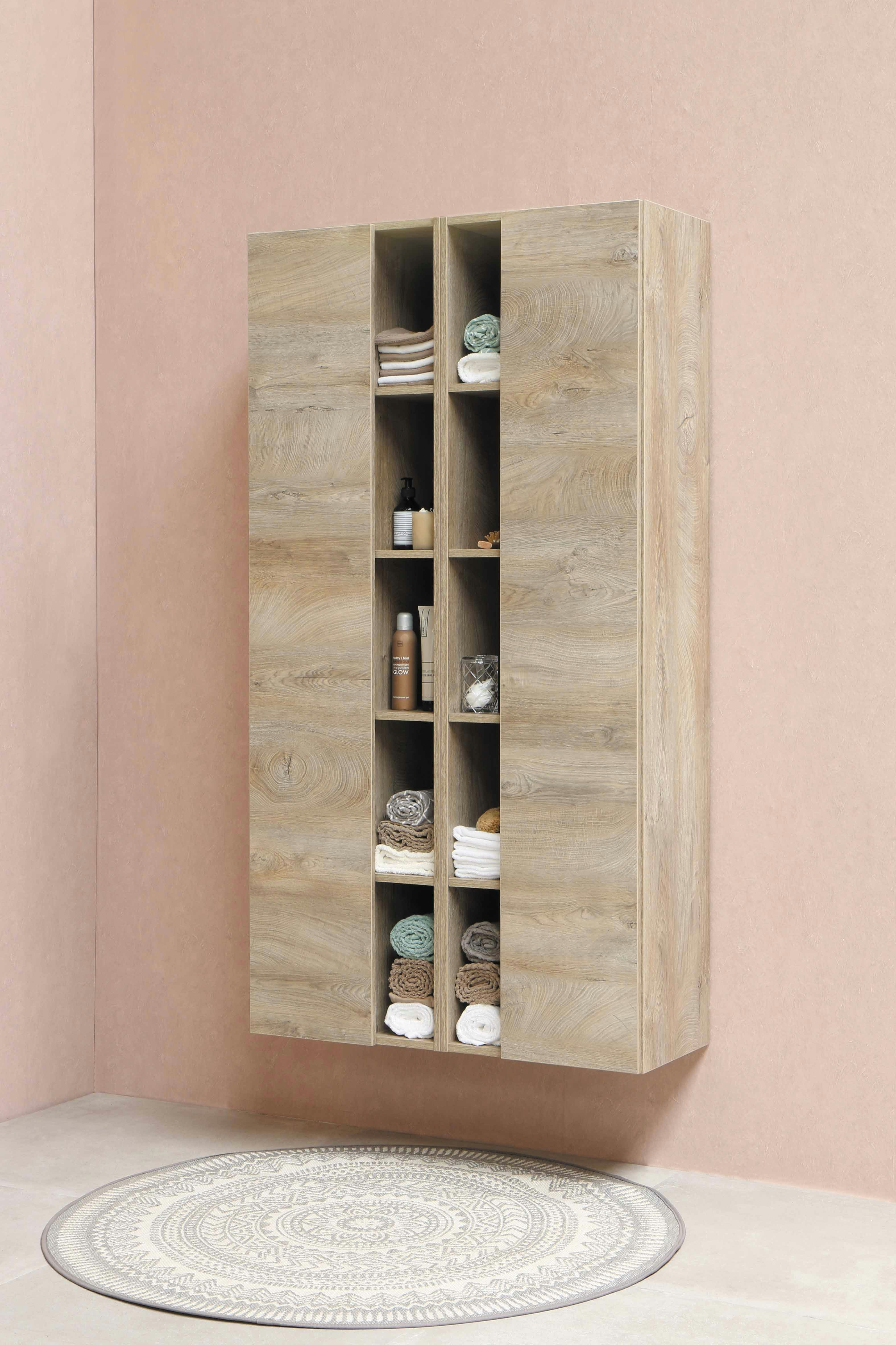
Beyond Cleaning: Home Decluttering for Security and Peace
While traditional spring cleaning focuses on scrubbing floors, a holistic spring reset routine looks at your environment as an extension of your mental state. We are currently seeing a significant shift toward minimalist living as a tool for stress reduction. This year, I am encouraging readers to adopt aspects of Swedish Death Cleaning—the practice of proactively organizing and thinning out possessions to reduce the burden on yourself and your loved ones.
Effective seasonal home decluttering isn't about throwing everything away; it’s about curation. Start with a "one-in, one-out" rule: for every new item that enters your home this spring, one must be donated or recycled. This prevents the slow creep of clutter that contributes to elevated cortisol levels. Beyond the aesthetic benefits, there is a vital component of home security and peace of mind. Use this reset to locate and secure vital records—passports, birth certificates, and legal documents—in fireproof storage. Knowing exactly where your most important information is kept provides a layer of psychological safety that is often overlooked in wellness guides.
If the idea of a full-house overhaul feels overwhelming, focus on how to declutter one room at a time spring. Start with the bedroom to turn it into a true sanctuary. Removing visual noise from your sleep environment directly impacts your ability to reach deep REM cycles. A toxin-free home also involves checking the ingredients in your cleaning supplies; as you refresh your space, swap out harsh chemicals for plant-based alternatives to improve indoor air quality.
Movement and Circulation: Shaking Off Winter
After a winter of sedentary habits, the body often feels heavy or stagnant. This is frequently due to poor lymphatic drainage and fluid retention. Rather than jumping straight into high-intensity interval training, which can be jarring to a post-winter nervous system, I recommend a low impact spring movement routine. Focus on mobility exercises that open up the hips and chest, areas that typically tighten during months of indoor living and desk work.
One of the most effective ways to ensure these habits stick is through habit stacking. This technique involves pairing a new movement goal with an existing ritual. For example, while your morning coffee is brewing, you can perform five minutes of active stretching or use a foam roller to stimulate blood flow. This lowers the barrier to entry and makes movement a non-negotiable part of your day.
The goal of spring movement is to support the body’s natural circulation. Simple activities like walking, swimming, or gentle yoga help move lymph fluid through the body, which is essential for immune function and reducing inflammation. By prioritizing mobility and low-impact activity, you build a foundation of fitness that is sustainable through the summer months, avoiding the "all-or-nothing" cycle that leads to injury and frustration.

The 7-Day Spring Reset Framework for Beginners
To help you implement these changes without the overwhelm, I’ve designed a 7-day spring reset plan for beginners. This framework utilizes micro-habit sequences that gradually layer on top of each other. Remember, the goal is not perfection in one week, but the start of a journey toward automaticity. It takes an average of 66 days for a new habit to become second nature, so use these first seven days to set the foundation.
- Day 1: The Hydration Foundation: Start your day with 16 ounces of water (optionally with lemon or celery juice) before any caffeine. Focus on internal hydration to kickstart digestion.
- Day 2: Circadian Calibration: Commit to 10 minutes of morning light exposure for circadian rhythm reset. No phones allowed during this window.
- Day 3: Digital Boundaries: Implement a digital fast by turning off all screens 60 minutes before bed. Focus on the sleep-friendly 65–68°F temperature setting in your bedroom.
- Day 4: Pantry and Fridge Purge: Clear out expired items and use your seasonal kitchen fridge organization ideas to put fresh produce at eye level.
- Day 5: Mindful Movement: Integrate a 15-minute low impact spring movement routine. Try habit stacking this movement with your morning or lunch break.
- Day 6: Sanctuary Scan: Choose one small area—a bedside table or a junk drawer—and apply the principles of minimalist living.
- Day 7: Future Self Planning: Sit down and practice setting realistic wellness goals for spring. What one habit from this week do you want to carry forward for the next two months?
By breaking the reset into these manageable daily tasks, you prevent the "paralysis by analysis" that often stops people from making meaningful changes. This structured approach allows you to experience small wins early on, which builds the dopamine needed to sustain long-term lifestyle shifts.
FAQ
What is a spring reset routine?
A spring reset routine is a holistic approach to refreshing your daily habits as the seasons change. Unlike a "detox" which often focuses on restriction, a reset focuses on alignment—adjusting your sleep, nutrition, and environment to match the increased light and energy of the spring season.
How do I start a spring reset?
The best way to start is with the lowest-hanging fruit: light and water. Begin by hydrating immediately upon waking and stepping outside for ten minutes of natural light. These two actions have the highest return on investment for your hormonal health.
What should be included in a spring reset checklist?
A comprehensive checklist should include biological, environmental, and nutritional shifts. Key items include a bedroom temperature audit (aim for 65–68°F), a fridge reorganization to highlight seasonal produce, a digital detox schedule, and a plan for low impact movement.
What is the difference between spring cleaning and a spring reset?
Spring cleaning is traditionally about the physical environment—scrubbing, dusting, and deep cleaning. A spring reset is a broader lifestyle shift that includes cleaning your space but prioritizes resetting your internal biological clock, gut health, and mental clarity.
How can I reset my wellness habits for the spring season?
Focus on habit stacking. Instead of trying to reinvent your entire day, attach new spring wellness rituals to things you already do. For example, do your mobility exercises while listening to your favorite morning podcast.
What are some good spring morning routine ideas?
Effective ideas include a "digital fast" for the first hour of the day, morning light exposure for circadian rhythm reset, and a breakfast rich in seasonal, antioxidant-dense foods. Incorporating five minutes of mindful breathing or journaling can also help set a calm tone for the day.
Conclusion: Sustaining the Shift
As we embrace the vitality of 2026, remember that the most successful spring reset routine is the one that you actually enjoy. My goal as an editor is to move us away from the punishing "new year, new me" rhetoric and toward a more compassionate, evidence-based approach to health. By focusing on morning light exposure, seasonal nutrition, and mindful decluttering, you are giving your body and mind the space they need to thrive.
The real magic happens when these individual shifts merge into a cohesive lifestyle. Don't worry if you miss a day or if your fridge gets messy again. Wellness is a practice, not a destination. By setting realistic wellness goals for spring and leaning into the 66-day habit loop, you are making a long-term investment in your preventive health. Use this season as a bridge—a time to shed the weight of winter and step into the brightness of the coming months with clarity, energy, and a renewed sense of purpose.