Quick Facts
- 2026 Mental Health Trend: 38% of Americans plan to make a mental health-related New Year's resolution for 2026, reflecting a deeper focus on inner peace.
- Top Morning Tool: Hatch Restore 3, which uses light to protect the brain from digital burnout.
- Recovery Essential: Nike Vomero Plus provides high-cushion joint protection for gentle winter movement.
- Best Beauty Tech: Correxiko LED Light Therapy Mask is the gold standard for skin barrier repair and brightness.
- Kitchen Must-Have: Titanium Pro non-toxic cookware supports mindful consumption and healthy cooking rituals.
- Key Stat: Roughly 64% of people are affected by post-holiday blues, making intentional recovery essential.
- Success Rate: 43% of individuals abandon resolutions by late January, suggesting that flexible rituals are more effective than rigid goals.
Morning self care rituals for winter 2026 focus on gentle transitions and circadian health. Incorporating smart sunrise alarm clocks helps mimic natural light, making early wake-ups easier during dark months. Complement this with intentional movement, such as low-impact Pilates on a cushioned mat, and beauty tech like LED phototherapy masks to support skin health and brightness.
Circadian Mornings & Mindful Movement
The traditional New Year often demands a "new you," but as we step into 2026, the collective mood has shifted toward a gentler approach. We are no longer chasing radical transformations; instead, we are cultivating sustainable self care rituals that honor our biological needs. The first pillar of this peaceful January involves reclaiming our morning light hygiene. During the dark winter months, our circadian rhythm can easily fall out of sync, leading to that heavy, sluggish feeling often mistaken for lack of motivation. By prioritizing circadian health, we allow our bodies to wake up in a way that feels natural rather than jarring.
One of the most effective winter wellness products for this transition is the use of smart sunrise alarm clocks for winter morning routines. Devices like the Hatch Restore 3 are designed to mimic a natural sunrise, gradually increasing light levels to pull you out of sleep gently. This prevents the immediate spike in cortisol that comes from a blaring phone alarm and protects your morning from the immediate digital burnout of checking notifications. When you wake up with light rather than noise, you preserve your mental clarity for the first hour of the day, creating a buffer between your dreams and the demands of the world.

Once you are awake, the focus shifts to intentional movement. In previous years, January was synonymous with high-intensity workouts, but 2026 is the year of low-impact exercise. Rather than punishing the body, we are nourishing it through low-impact Pilates or mobility work. Utilizing a high-cushion support mat, such as those from Onyx, provides the sensory comfort needed to make movement feel like a treat rather than a chore. If you do venture outside, choosing footwear like the Nike Vomero Plus ensures that your joints are protected against the hard, cold ground. This morning self care rituals for winter 2026 strategy is about building a foundation of resilience that lasts long after the snow melts.
Best for Morning Clarity:
- Light Source: Hatch Restore 3 (Sunrise Simulation)
- Footwear: Nike Vomero Plus (Max Cushioning)
- Support: Onyx Cushioned Movement Mat
Cultivating a Home Sanctuary with Slow Living
As we move deeper into the winter season, our homes should function as a home sanctuary—a place of recovery from the emotional and physical stress of the holiday season. Slow living habits for stressful new year transitions are not about doing less for the sake of laziness; they are about doing things with more intentionality. This January, we are leaning into the concept of "hibernation season," where the home becomes a space for sensory restoration and mindful consumption.
The clothes we wear play a significant role in our nervous system regulation. Investing in luxury cashmere loungewear for at-home wellness is a powerful way to signal to your brain that you are in a state of safety and rest. The tactile experience of high-quality natural fibers like cashmere or heavy linen helps lower stress levels and encourages a slower pace of life. When your physical environment feels soft, your mental internal monologue often follows suit.
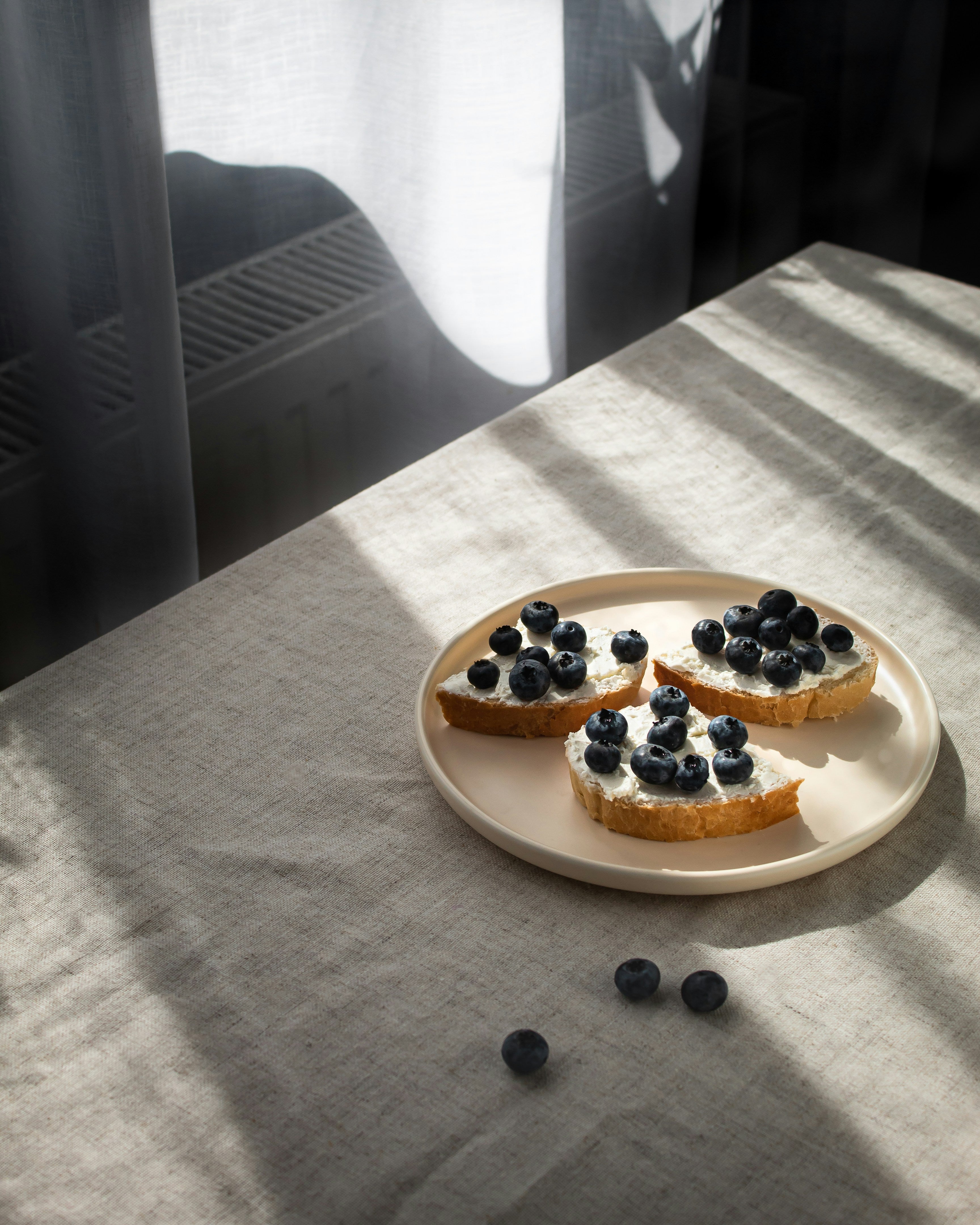
Another vital component of slow living habits is how we nourish ourselves. Mindful cooking has emerged as a top restorative activity for 2026. By using non-toxic titanium cookware, such as the Titanium Pro series, you transform meal preparation from a kitchen chore into a meditative ritual. The act of chopping vegetables, stirring a simmering soup, and being present with the aromas of seasonal spices provides an anchor in the present moment. This approach to nutrition focuses on skin barrier repair from the inside out, utilizing bone broths, root vegetables, and healthy fats to combat the depleting effects of winter air.
Best for Home Comfort:
- Loungewear: Naked Cashmere Ribbed Sets
- Cookware: Titanium Pro Non-Toxic Pans
- Scent: Hand-poured beeswax candles with cedarwood notes
The At-Home Spa: Rejuvenation & Skin Health
January often brings a specific type of fatigue that shows up on our skin. The combination of indoor heating, cold winds, and post-holiday recovery can leave the complexion looking dull and the skin barrier compromised. Creating an at-home spa for January wellness is an essential strategy for both physical rejuvenation and mental health. This year, we are seeing a significant rise in beauty tech integrated into daily self care rituals.
One of the most effective best beauty tech gadgets for facial rejuvenation is the LED phototherapy mask. The Correxiko LED Light Therapy Mask, for example, uses specific wavelengths to stimulate collagen production and calm inflammation. Incorporating a 10-minute LED session into your afternoon or evening allows for a moment of forced stillness while providing professional-grade skin benefits. Complementing this high-tech approach with low-tech tools like cooling depuffing wands or jade rollers can help with lymphatic drainage, reducing the facial puffiness often associated with winter stagnation.
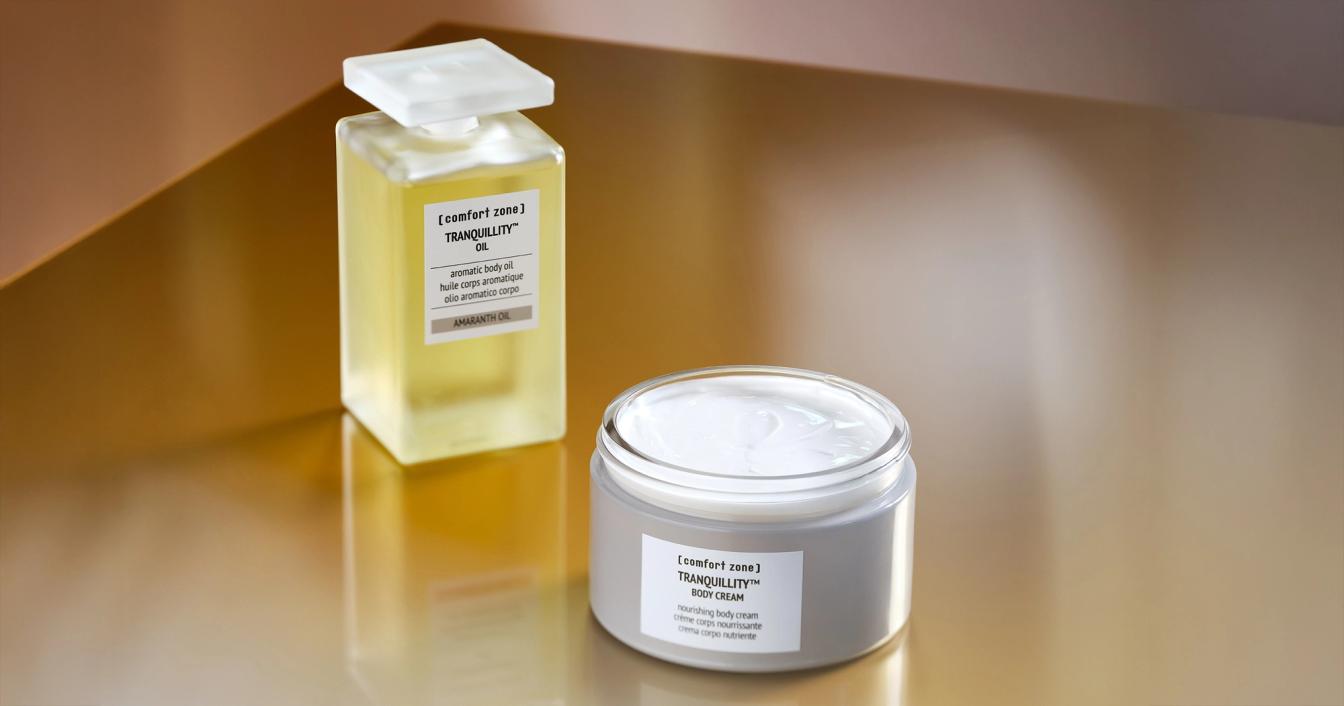
Bathing rituals remain the cornerstone of the at-home spa ideas for january wellness. A therapeutic aromatherapy bath using seaweed or mineral-rich botanical soaks can help restore minerals to the body and soothe the nervous system. The goal is to create a multi-sensory experience: dim the lights, use a moisture-infusion face mask, and let the warmth of the water facilitate a deep release of tension. These at-home spa ideas are designed to be flexible; even a twenty-minute soak once a week can significantly reduce the impact of the post-holiday blues.
Nighttime Wind-Down for Deep Recovery
The final phase of a peaceful January is the nighttime wind-down. In 2026, we are facing unprecedented levels of news cycle burnout and digital noise. Protecting the hours before sleep is no longer a luxury—it is a requirement for mental hygiene. The most effective evening bath rituals for improved sleep hygiene focus on lowering the body's core temperature and quieting the mind through deep-pressure therapy.
A powerful philosophy for this season is the concept of "Giving 10% Less." Many of us feel the pressure to start the year at 100% capacity, but the winter months naturally call for conservation. By intentionally lowering your expectations for productivity in the evenings, you create space for true recovery. Use weighted eye masks or heavy blankets to provide sensory grounding, which can be particularly helpful for those struggling with the anxiety of the new year.
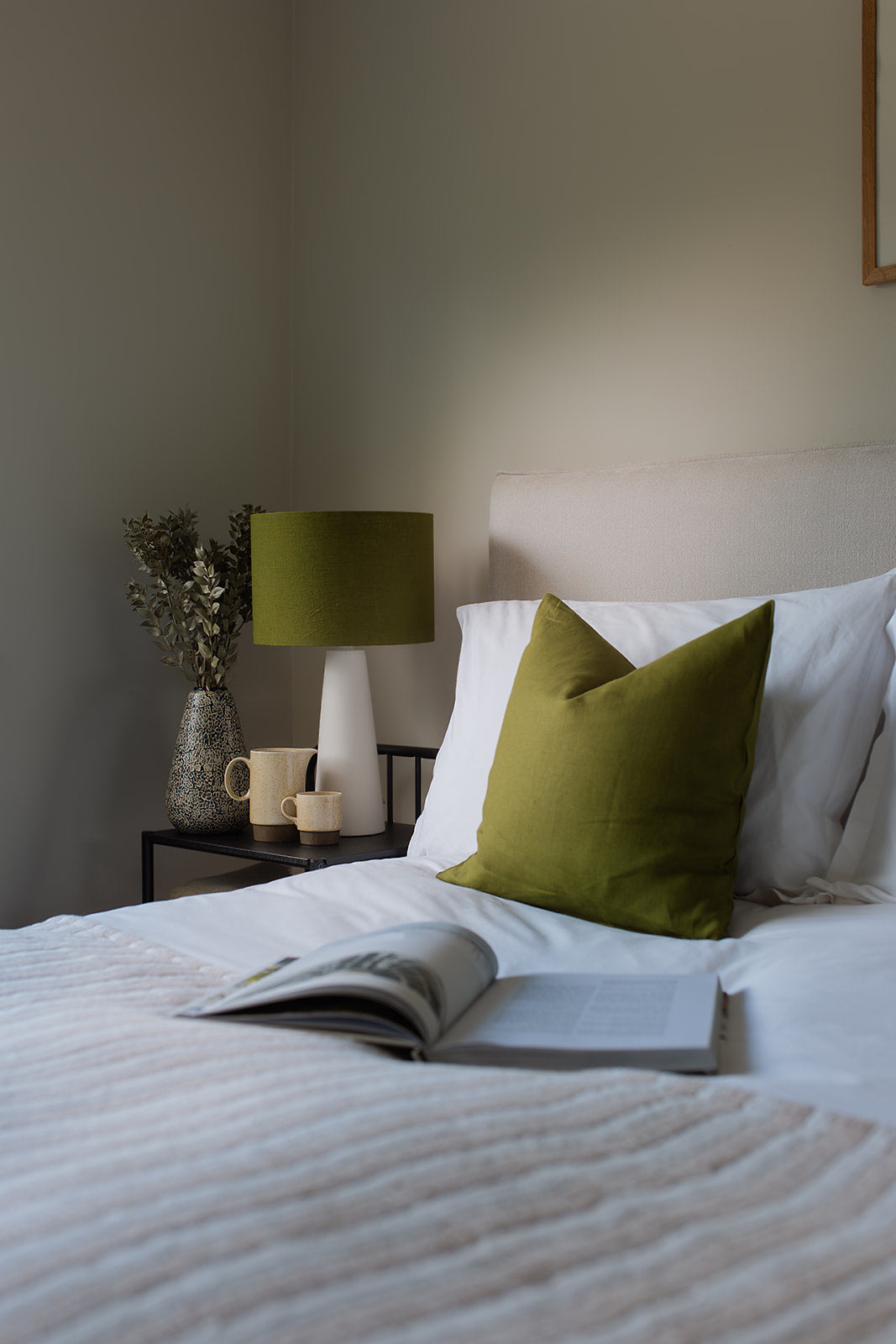
Your nighttime environment should be a sanctuary for your circadian rhythm. This means switching to warm, amber-toned lighting and avoiding blue light at least an hour before bed. By establishing a consistent routine—perhaps a cup of herbal tea, a few pages of a physical book, and a moment of gratitude—you train your brain to transition into deep sleep. Remember, the goal of these self care rituals is not to achieve perfection, but to foster a sense of peace that carries you through the winter with grace.
FAQ
What are some examples of daily self-care rituals?
Daily rituals can include light-based waking with a sunrise alarm, five minutes of intentional movement like stretching or Pilates, and a dedicated ten-minute screen-free window before bed. Other examples involve mindful cooking using high-quality tools or a simplified skincare routine that focuses on facial massage to promote lymphatic drainage.
How do I start a self-care routine?
The best way to start is by choosing one small "anchor" habit that fits into your existing schedule. Instead of overhauling your entire life, focus on a gentle morning transition or a consistent evening wind-down. Aim for consistency over intensity, and remember that rituals should feel like a gift to yourself rather than another item on your to-do list.
What are some simple self-care rituals for stress relief?
For immediate stress relief, therapeutic aromatherapy through a warm bath or essential oil diffuser can be very effective. Deep-pressure therapy, such as using a weighted blanket or mask, helps calm the nervous system. Additionally, taking a short "sensory break" where you step away from screens and focus on your physical surroundings can provide instant mental clarity.
How can I stay consistent with my self-care rituals?
Consistency comes from making rituals enjoyable and accessible. If a routine feels too difficult, simplify it until it feels easy. Using high-quality winter wellness products that you genuinely look forward to using—like soft cashmere or a high-tech LED mask—can provide the positive reinforcement needed to keep the habit going through the winter months.
What are some evening self-care rituals for better sleep?
Effective evening rituals include lowering the lights to support your natural circadian rhythm, engaging in evening bath rituals for improved sleep hygiene with magnesium-rich salts, and practicing the "10% less" rule to reduce mental load. Protecting your sleep from digital news fatigue by keeping devices out of the bedroom is also a crucial step for deep recovery.