Quick Facts
- Protein Target: Experts recommend 20 to 30 grams of protein per meal to help reduce post-meal insulin response by 30%.
- Key Benefit: Research indicates that a large breakfast can lead to a 50% decrease in testosterone levels.
- The Formula: Build every plate using the P-F-H rule: Protein + Fiber + Healthy Fats.
- Top Swap: Replace traditional oats with quinoa for higher plant diversity and a more stable glycemic response.
- Timing: To manage cortisol levels effectively, aim to eat within one hour of waking up.
- Primary Goal: Focus on blood glucose stabilization and reducing inflammation.
| Nutrition Target | Goal Amount | Key Benefit |
|---|---|---|
| High-Quality Protein | 20–30g | Satiety and insulin regulation |
| Dietary Fiber | 8–10g+ | Slows glucose absorption |
| Healthy Fats | 10–15g | Essential for hormone synthesis |
The best PCOS breakfast recipes focus on blood glucose stabilization through a balanced combination of high protein, fiber-rich complex carbohydrates, and healthy fats like omega-3s. Prioritizing these nutrient-dense components helps manage insulin sensitivity and supports metabolic health throughout the day.
Start your day with intention. For women with PCOS, breakfast isn't just a meal—it's a tool for endocrine support. These PCOS breakfast recipes focus on high protein and low glycemic load foods to stabilize blood glucose and manage insulin resistance. By shifting the bulk of your calorie intake to the morning, we can work with your body's natural rhythms to improve hormone signaling and energy levels.
The Science: Why Breakfast is Non-Negotiable for PCOS
For many of the women we speak with in our clinic, skipping breakfast or grabbing a quick pastry feels like a time-saver. However, for those managing Polycystic Ovary Syndrome, this habit can trigger a cascade of hormonal disruptions. When we skip the first meal of the day, our cortisol levels—our primary stress hormone—tend to spike. This elevated cortisol signals the liver to release stored glucose into the bloodstream, which then requires insulin to manage.
The challenge is that insulin resistance affects approximately 50% to 75% of women diagnosed with Polycystic Ovary Syndrome (PCOS). When our cells don't respond efficiently to insulin, our bodies pump out even more of it. High levels of insulin are a direct driver of the ovaries producing excess androgens, like testosterone, leading to symptoms like acne, hair thinning, and irregular cycles.
Research has shown just how powerful the timing and composition of your morning meal can be. One landmark study found that women with PCOS who consumed a large portion of their daily calories at breakfast instead of dinner achieved a 56% reduction in insulin resistance and a 50% decrease in testosterone levels. This simple shift in caloric distribution provides profound endocrine support and helps restore metabolic health. By choosing an anti inflammatory pcos breakfast for symptom management, we are essentially giving the endocrine system a much-needed break from the "blood sugar rollercoaster."

The P-F-H Formula for Hormone Balance
Navigating PCOS diet meal ideas doesn't have to be complicated or involve restrictive calorie counting. Instead, we use a simple mental model called the P-F-H formula: Protein, Fiber, and Fat. This framework ensures every meal is structured for maximum satiety and minimal glycemic load.
High-protein breakfasts are the anchor of this strategy. We know that consuming 25 to 30 grams of high-quality protein at breakfast has been shown to reduce post-meal insulin responses by 20% to 30% in women with PCOS. Protein provides the building blocks for hormones and neurotransmitters, while also keeping us full until lunch.
Fiber is our second pillar. Using low glycemic index breakfast ideas for insulin resistance means prioritizing fiber-rich complex carbohydrates. Fiber acts as a physical barrier in the gut, slowing down the speed at which sugar enters the bloodstream. This prevents the sharp spikes and crashes that lead to afternoon fatigue and sugar cravings. Furthermore, aim for plant diversity—the goal is to consume 30 different plant types a week—to support a healthy gut microbiome, which is essential for estrogen metabolism.
Finally, healthy fats are crucial for inflammation reduction and satiety. Omega-3 fatty acids, found in fatty fish, seeds, and nuts, help soothe the chronic low-grade inflammation that often accompanies PCOS. By combining these three elements, we create a meal that supports insulin sensitivity and provides long-lasting energy.
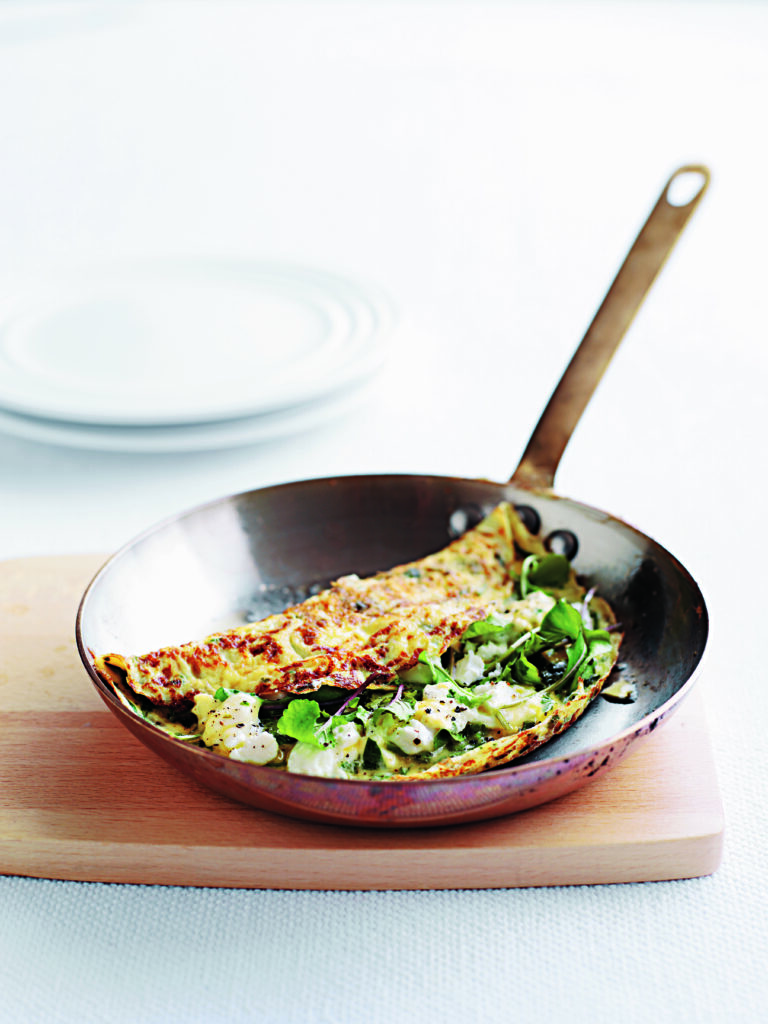
Recipe 1: The Ultimate Savory Omelette
When we look for high protein pcos breakfast recipes for weight loss, the humble egg is often our best friend. This savory omelette is designed to be a nutrient powerhouse, providing high-quality protein and essential micronutrients.
Ingredients:
- 3 large eggs (or 2 whole eggs plus 2 egg whites for a leaner option)
- 1 large handful of fresh spinach
- 50g smoked salmon or cooked turkey sausage
- 1/4 avocado, sliced
- 1 tablespoon fresh chives, chopped
- A pinch of turmeric and black pepper
- 1 teaspoon olive oil or avocado oil for the pan
Instructions:
- Whisk the eggs in a small bowl with turmeric and pepper. The black pepper is essential here as it helps activate the anti-inflammatory properties of the turmeric.
- Heat the oil in a non-stick skillet over medium heat. Add the spinach and sauté until just wilted.
- Pour the egg mixture over the spinach, tilting the pan to cover the surface.
- Once the eggs begin to set, layer the smoked salmon on one half.
- Fold the omelette over and cook for another minute until the center is firm.
- Top with sliced avocado and chives before serving.
Hero Ingredient: Zinc Eggs and smoked salmon are excellent sources of zinc. This mineral is vital for follicular health and can help manage common PCOS symptoms like skin breakouts and unwanted hair growth by supporting healthy androgen levels.
This high protein PCOS breakfast provides roughly 25-28 grams of protein, meeting our clinical threshold for metabolic health. The inclusion of omega-3 fatty acids from the salmon and healthy fats from the avocado ensures you stay satisfied for hours. If you prefer savory pcos breakfast recipes without eggs, you can replicate this flavor profile using a chickpea flour "omelette" or a silken tofu scramble combined with the same nutrient-dense greens and fats.
Recipe 2: Berry & Quinoa Anti-Inflammatory Bowl
While many women enjoy oatmeal, some find that traditional oats cause a higher blood sugar spike than they'd like. For a dairy free pcos breakfast recipes for hormone balance, we recommend swapping oats for quinoa. Quinoa is technically a seed, meaning it is naturally higher in protein and fiber, making it a low GI breakfast for PCOS.
Ingredients:
- 1/2 cup cooked quinoa (cook it in coconut milk for extra creaminess)
- 1/2 cup fresh or frozen raspberries
- 1 tablespoon chia seeds
- 1 tablespoon pumpkin seeds (pepitas)
- A dollop of unsweetened coconut yogurt or Greek yogurt (if you tolerate dairy)
- A sprinkle of cinnamon
Instructions:
- Place the cooked quinoa in a bowl. If you prefer it warm, heat it gently with a splash of almond milk.
- Stir in the chia seeds, which will absorb moisture and add prebiotic fiber for gut health.
- Top with the raspberries. These berries are low in sugar but exceptionally high in antioxidants and fiber.
- Add the pumpkin seeds for a satisfying crunch and a dose of magnesium.
- Finish with cinnamon, which has been studied for its ability to improve insulin sensitivity.
Hero Ingredient: Magnesium Pumpkin seeds are one of the best plant-based sources of magnesium. This mineral is often deficient in women with PCOS and plays a critical role in glucose metabolism and reducing anxiety.
This bowl is a fantastic example of using complex carbohydrates to your advantage. The combination of quinoa and chia seeds provides a massive hit of fiber, ensuring a slow and steady release of energy. It is an ideal anti inflammatory pcos breakfast for symptom management because it avoids refined sugars and emphasizes whole-food, plant-based nutrition.
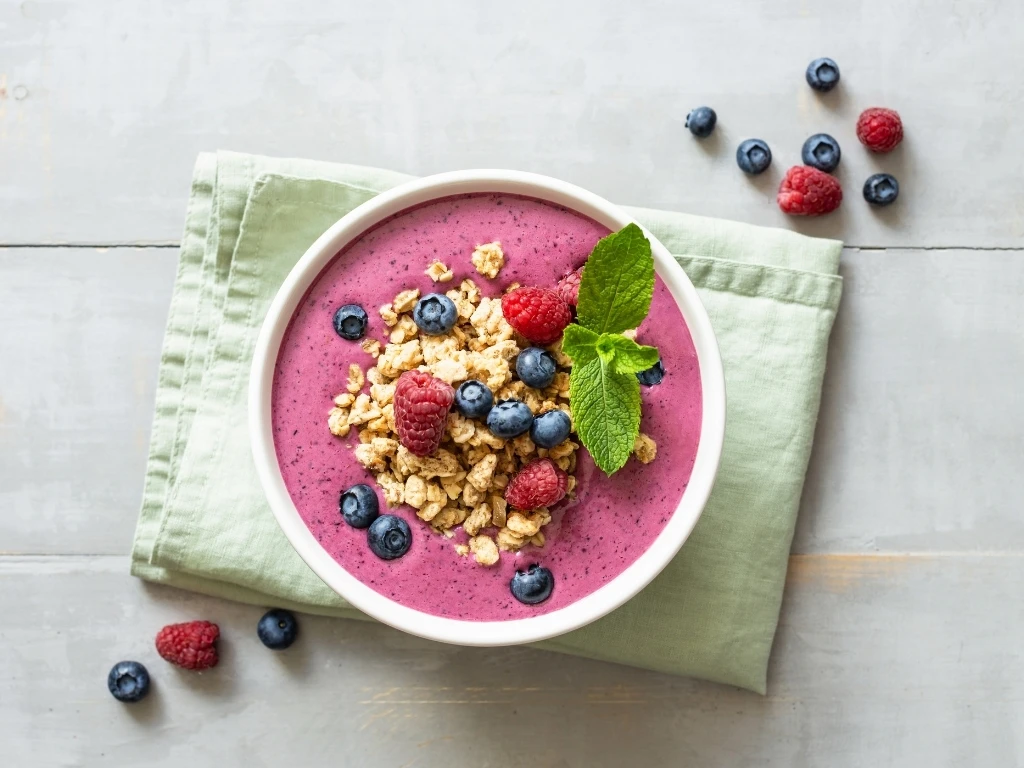
Recipe 3: Green Goddess Hormone-Balancing Smoothie
We are often asked if smoothies are a good choice. The answer is yes, but only if they are built correctly. Most commercial smoothies are "sugar bombs" that can lead to an immediate insulin spike. These easy pcos friendly smoothies for hormone health focus on greens, protein, and fats rather than just fruit.
Ingredients:
- 1 scoop of high-quality vanilla pea protein or grass-fed whey protein (20g protein minimum)
- 1 cup unsweetened almond milk
- 1 large handful of kale or baby spinach
- 1/4 small avocado (makes it incredibly creamy!)
- 1 tablespoon ground flaxseeds
- 1/4 cup frozen blueberries (for a low-glycemic fruit hit)
- 1/2 inch fresh ginger, peeled
Instructions:
- Add the almond milk and greens to your blender first and blend until smooth. This ensures you don't have any leafy bits.
- Add the protein powder, avocado, flaxseeds, blueberries, and ginger.
- Blend again until thick and creamy. If it’s too thick, add a little extra water or almond milk.
This smoothie provides excellent blood glucose stabilization because the fat from the avocado and the fiber from the flaxseeds slow down the digestion of the fruit sugars. The ginger offers potent anti-inflammatory benefits, while the protein powder ensures you hit that 20-30 gram goal. It's a perfect grab-and-go option for busy mornings when you still want to prioritize endocrine support.
FAQ
What is the best breakfast for someone with PCOS?
The best breakfast for someone with PCOS is one that prioritizes blood glucose stabilization through a combination of high-quality protein, healthy fats, and high-fiber carbohydrates. Aiming for 20-30 grams of protein and incorporating low-glycemic foods like leafy greens, berries, and seeds helps manage insulin resistance and prevents energy crashes.
Can I eat oatmeal if I have PCOS?
Yes, you can eat oatmeal, but it is best to choose steel-cut or rolled oats rather than instant varieties to keep the glycemic load lower. To support hormone balance, always pair your oats with a protein source like Greek yogurt or protein powder and a fat source like walnuts or chia seeds to prevent a sharp insulin spike.
Is a high-protein breakfast better for PCOS?
A high-protein breakfast is often considered superior for PCOS management because protein is the most satiating macronutrient and has a minimal effect on blood sugar levels. Consuming adequate protein in the morning helps regulate appetite-controlling hormones and has been shown to reduce overall insulin response throughout the day.
Are eggs good for PCOS weight loss?
Eggs are an excellent choice for PCOS weight loss as they are nutrient-dense and provide high-quality protein that promotes satiety. They are also rich in choline and vitamin D, which are essential for metabolic health. Pairing eggs with fiber-rich vegetables creates a meal that supports stable blood sugar, which is key for weight management in PCOS.
Are smoothies a good option for PCOS?
Smoothies can be a great option if they are balanced correctly with protein, fiber, and healthy fats. To make a smoothie PCOS-friendly, focus on using low-sugar fruits like berries, adding a handful of greens, and ensuring a full serving of protein and a source of healthy fat like avocado or nut butter to maintain insulin sensitivity.
Conclusion & Personalized Care
Managing PCOS is a journey of consistency rather than perfection. By starting your day with these PCOS breakfast recipes, you are making a powerful choice to support your metabolic health and endocrine function. Remember that small, sustainable changes in how you build your plate can lead to significant improvements in your symptoms over time.
Focus on the P-F-H formula and listen to your body's hunger and fullness cues. While nutrition is a cornerstone of management, it works best when combined with regular movement and stress management. Our goal is to empower you with the tools to feel your best, one meal at a time.