Quick Facts
- Protein Status: Complete protein (contains all 9 essential amino acids)
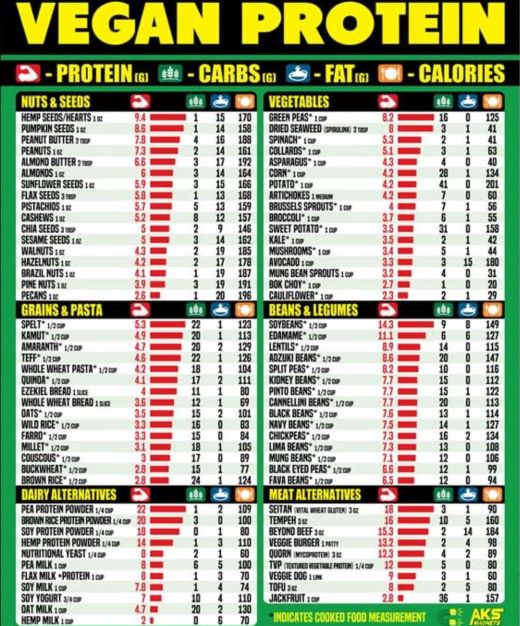
- Protein Content: Approximately 8.14 grams of protein per cooked cup
- Fiber Content: Roughly 5.2g per cup for digestive health
- Biological Value: Features a biological value of 73%, which is nearly equal to beef
- Glycemic Index: Low rating, making it ideal for blood sugar stability and sustained energy
- Varieties: Nutritional analysis shows black quinoa contains the highest protein content at approximately 16.2%
Quinoa is classified as a complete protein because it contains all nine essential amino acids that the human body cannot produce on its own. While most plant-based sources lack specific amino acids like lysine or methionine, quinoa provides a balanced profile including leucine, valine, and phenylalanine, making it an exceptional staple for vegan muscle synthesis and recovery. Using this quinoa complete protein source in your daily meals allows for a more efficient intake of high-quality vegan protein sources quinoa enthusiasts rely on for optimal health.
The Science: Why Quinoa is a Complete Protein
In the world of nutrition science, we often talk about protein quality rather than just quantity. For many on a plant-based journey, the challenge is finding a single source that provides every building block necessary for repair and growth. This is where the quinoa complete protein profile becomes a game-changer. Most grains, such as wheat or corn, are notoriously low in the amino acid lysine. Quinoa, however, boasts a significant Lysine concentration that rivals many animal products.
To understand why this matters, we have to look at the nine essential amino acids: histidine, isoleucine, leucine, lysine, methionine, phenylalanine, threonine, tryptophan, and valine. Your body uses these to build muscle, create neurotransmitters, and maintain immune function. Because quinoa contains all nine in sufficient quantities, it is one of the few vegan protein sources quinoa experts categorize as complete.
Unlike true grains, quinoa is technically a seed from a plant related to spinach and beets. This is why it is referred to as a pseudocereal. Its Andean grain origins reflect a history of a crop bred for resilience and high nutrient density. From a biochemical perspective, the essential amino acids in quinoa for muscle growth are highly accessible. It provides a solid dose of Branched-chain amino acids (BCAAs), specifically leucine, which acts as a primary trigger for muscle protein synthesis. When we look at the Plant-based bioavailability of this superfood, we find that the body absorbs its nutrients more efficiently than many other legumes or seeds.
Quinoa vs. Rice: The Ultimate Vegan Showdown
One of the most frequent questions I receive as an editor is about the quinoa vs rice protein content. Many people grew up with brown rice as the gold standard for healthy complex carbohydrates. While brown rice is certainly a whole food with great fiber, it is an incomplete protein because it lacks adequate lysine.
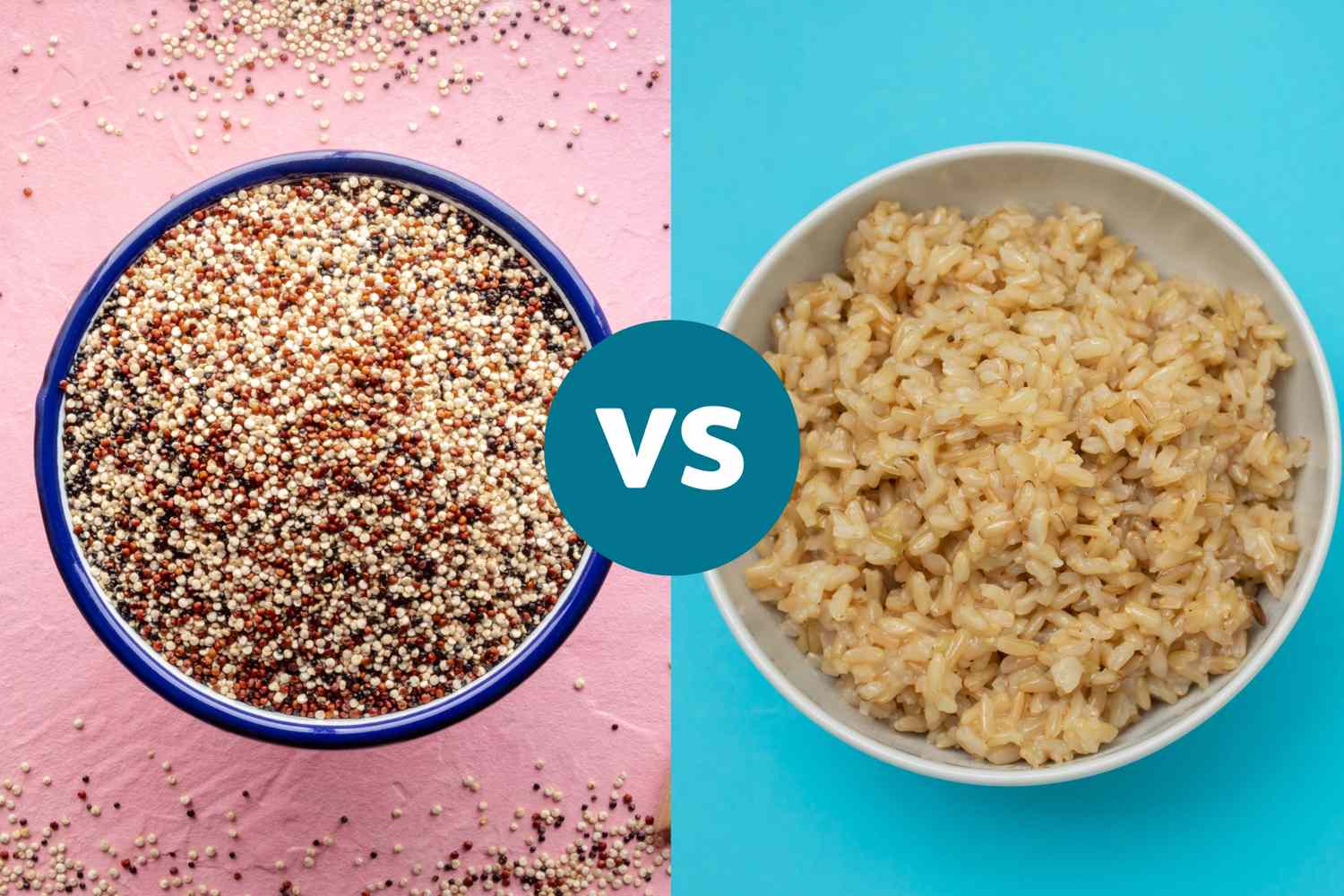
For a vegan to get a full amino acid profile from rice, they must follow the traditional method of mixing quinoa with beans for complete amino acids or pairing rice with lentils. Quinoa, on the other hand, is a standalone powerhouse. When comparing quinoa vs brown rice protein quality for vegans, quinoa consistently comes out on top not just for its amino acids, but for its higher concentration of minerals like magnesium and iron.
| Nutrient (per cooked cup) | Quinoa | Brown Rice |
|---|---|---|
| Protein (Total) | 8.14g | 5.5g |
| Amino Acid Profile | Complete | Incomplete (Low Lysine) |
| Biological Value | 73% | 49% |
| Fiber | 5.2g | 3.5g |
| Glycemic Index | 53 (Low) | 68 (Medium) |
| Gluten-Free | Yes | Yes |
As shown in the table, quinoa offers superior protein quality and concentration. Quinoa has a protein biological value of 73%, which significantly exceeds the values for wheat at 49% and corn at 36%. This means your body can actually use a higher percentage of the protein you eat when it comes from quinoa. This high Digestible plant protein makes it a more efficient fuel source for active individuals.
Varieties and Optimization: Red, White, and Sprouted
Not all quinoa is created equal, and understanding the differences can help you fine-tune your nutrition. Most grocery stores carry white, red, and black varieties, or a "tri-color" blend. If you are looking for the absolute highest protein density, black is your best bet. A recent nutritional analysis found that black quinoa contains 16.2% protein, while red contains 15.1% and white contains 13.4%.
There is also a significant red vs white quinoa protein content difference in terms of texture and phytochemicals. Red and black varieties tend to hold their shape better after cooking and have a more robust, earthy flavor. They also contain higher levels of antioxidants due to the pigments in their outer hulls. White quinoa is generally fluffier and has a milder taste, making it a great "entry-level" grain for those transitioning from white rice.
To further increase the nutritional value, I recommend looking into sprouted quinoa. Sprouting helps break down the Saponin coating—the bitter natural defense layer on the seed—and neutralizes phytic acid. Phytic acid can sometimes interfere with the absorption of minerals. By sprouting or even just thoroughly rinsing and soaking your quinoa, you improve the Nutrient-dense superfood qualities and ensure better digestibility. This process enhances the Micronutrient density, making minerals like zinc and magnesium more bioavailable for your body.
Practical Guide: How Much Quinoa Do You Need?
Determining how much quinoa to eat for daily protein depends heavily on your activity level and body weight. A general science-based guideline for sedentary individuals is 0.36 grams of protein per pound of body weight, but for those who are active or vegan, I often recommend aiming for 0.4 to 0.6 grams per pound to ensure you are meeting all your essential amino acid needs.
Emily's Pro Tip: The Daily Protein Formula To calculate your baseline needs: (Body Weight in lbs) x 0.4 = Your Daily Protein Goal in grams. One cup of cooked quinoa provides about 15-20% of the daily protein needs for an average adult, making it a perfect foundation for high protein vegan meal prep with quinoa.
Integrating quinoa into your routine doesn't have to be boring. Because it has a Gluten-free profile and a Low glycemic index, it serves as a versatile base for breakfast porridge, cold Mediterranean salads, or as a hearty side dish for roasted vegetables.
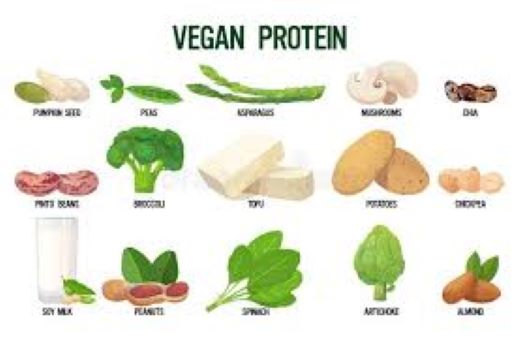
For those doing high protein vegan meal prep with quinoa, I suggest cooking a large batch at the start of the week. You can use it as a base for "protein bowls" by adding roasted chickpeas, steamed kale, and a tahini dressing. The beauty of the essential amino acids in quinoa is that even if you don't pair it with other proteins, you are still getting a complete set of building blocks. However, adding nuts or legumes only serves to further boost your totals and provide a wider range of vitamins.
FAQ
Is quinoa a complete protein source?
Yes, quinoa is a complete protein source. This means it contains all nine essential amino acids that the human body cannot synthesize on its own and must obtain through dietary sources.
What makes quinoa a complete protein?
What makes quinoa a complete protein is its specific amino acid profile. Unlike most plant foods that are low in lysine or methionine, quinoa contains an adequate balance of all nine essential amino acids, including those crucial for muscle repair and metabolic function.
How much protein is in a cup of cooked quinoa?
There are approximately 8.14 grams of protein in one cup of cooked quinoa. This makes it significantly more protein-dense than many other grains and pseudocereals.
Does quinoa have more protein than brown rice?
Yes, quinoa has more protein than brown rice. On average, a cup of cooked quinoa provides about 8 grams of protein compared to roughly 5.5 grams in brown rice. Furthermore, quinoa protein is considered higher quality because it is complete.
Do you have to combine quinoa with other foods for a complete protein?
No, you do not have to combine quinoa with other foods to create a complete protein. Quinoa is a standalone complete source. However, pairing it with other healthy foods like beans, nuts, or vegetables is still encouraged for overall dietary variety and micronutrient intake.
I encourage you to try swapping out your usual refined grains for quinoa this week. Whether you're an athlete looking for better recovery or simply trying to optimize your plant-based diet, this ancient seed offers the scientific foundation you need for a healthier lifestyle. Feel free to share your favorite high-protein quinoa recipes with our community!