Quick Facts
- Primary Goal: Restore hormonal homeostasis and improve insulin sensitivity through targeted nutrition.
- Key Macronutrients: Focus on a 30% protein intake to suppress the hunger hormone ghrelin.
- Fiber Intake: Aim for 33-41g daily to assist in efficient estrogen metabolism and gut health.
- Meal Timing: Consume your first meal within 2 hours of waking and finish dinner before 8 PM.
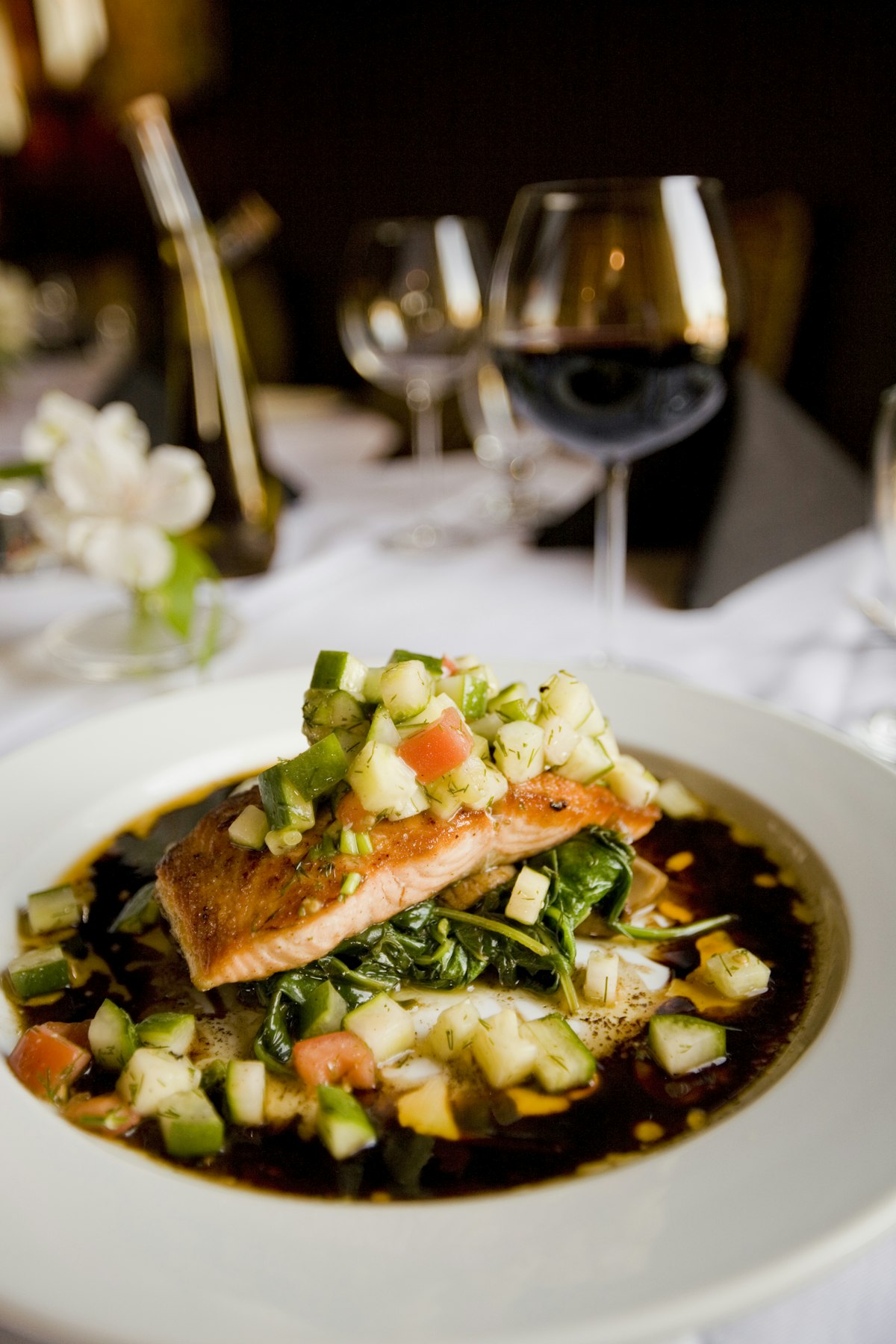
- Essential Ingredients: Prioritize flaxseed, cruciferous vegetables, and omega-3 rich salmon for endocrine support.
- Foods to Limit: Reduce added sugars, ultra-processed carbohydrates, and excessive caffeine to lower inflammation.
- Expected Outcomes: Improved energy levels, stabilized mood, and a foundation for long-term metabolic health.
Start your journey with this 5-day hormone balance meal plan for beginners. A targeted hormone balancing meal plan focuses on protein, healthy fats, and fiber to reset your endocrine system and metabolic health. By prioritizing nutrient-dense whole foods, you can stabilize blood sugar, reduce systemic inflammation, and support the natural detoxification pathways necessary for hormonal harmony.
The Science: How Food Fixes Your Endocrine System
We often think of hormones as mysterious chemicals that dictate our moods and cycles from a distance, but they are deeply physical messengers built from the very nutrients we consume. Your endocrine system relies on a constant supply of amino acids from proteins and fatty acids from healthy fats to synthesize hormones like insulin, estrogen, and cortisol. When we talk about a diet for hormonal imbalance, we aren't just looking at calories; we are looking at the biological signals those foods send to our glands.
One of the most powerful ways food influences our biology is through estrogen metabolism. The liver and gut are responsible for processing and clearing used hormones. Research indicates that women who adjust the fat and fiber content of their meals can reduce their estradiol levels by 10 to 25 percent. Fiber, specifically, acts as a sponge in the digestive tract, binding to excess estrogen and ensuring it is excreted rather than reabsorbed into the bloodstream.
Furthermore, managing cortisol regulation and insulin sensitivity is a cornerstone of this approach. Chronic spikes in insulin, driven by refined sugars, can lead to insulin resistance, which often exacerbates conditions like PCOS. By choosing anti-inflammatory foods for hormone regulation, we provide the body with the antioxidant support needed to lower oxidative stress. This allows the body to maintain homeostasis, a state of internal balance where your metabolism runs efficiently and your energy remains steady throughout the day.
5-Day Hormone Balance Meal Plan for Beginners
Embarking on a hormone balancing meal plan doesn't have to be overwhelming. The goal of this five-day reset is to introduce you to the best foods for hormone balance while giving your body a break from inflammatory triggers. We have structured this plan to address specific pillars of endocrine health each day, ensuring that by the end of the week, you have supported your liver, gut, and adrenals.
Day 1: Focus on Adrenal Support
The first day is all about calming the nervous system. We prioritize magnesium-rich greens and high-quality proteins to provide adrenal support. When your adrenals are supported, cortisol levels remain balanced, preventing the "tired but wired" feeling.
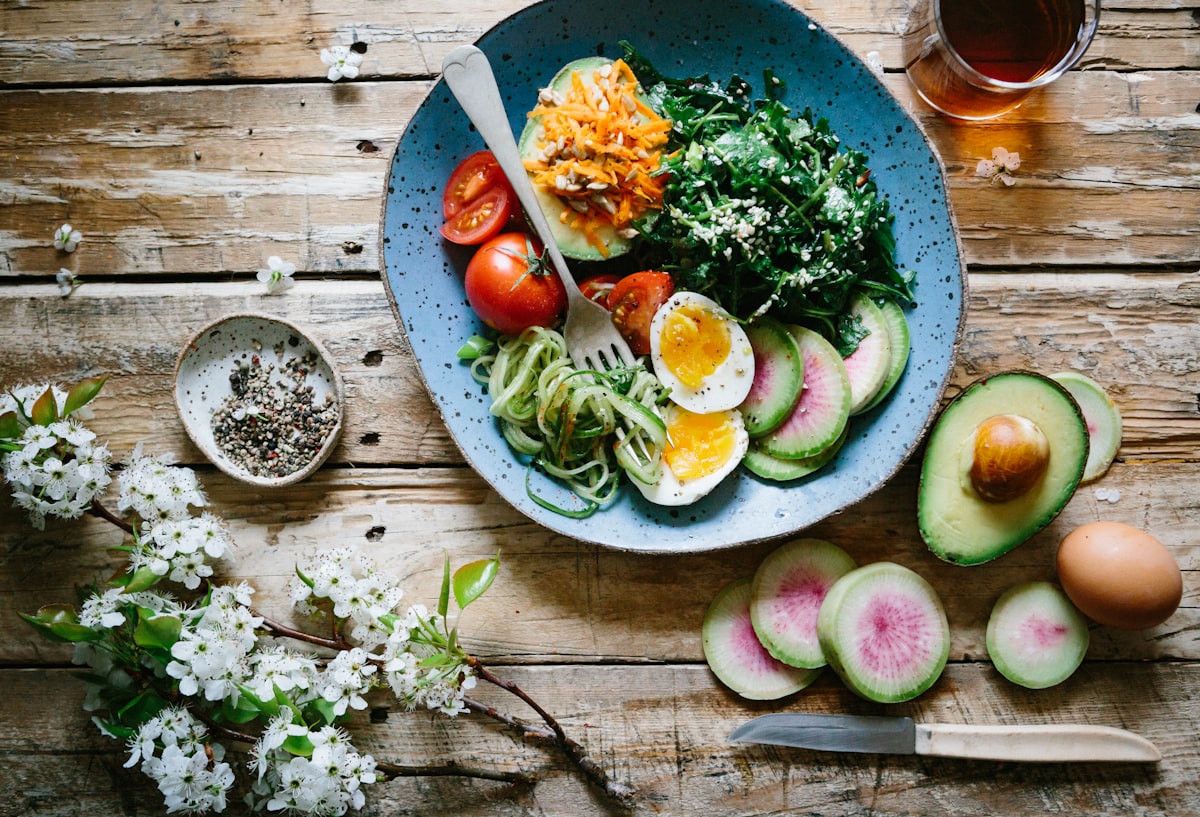
- Breakfast: Scrambled eggs with spinach and half an avocado.
- Lunch: Quinoa salad with chickpeas, cucumber, and a lemon-tahini dressing.
- Dinner: Baked chicken breast with roasted sweet potatoes and steamed asparagus.
- Daily Goal: Focus on consistent meal timing to prevent cortisol spikes from blood sugar drops.
Day 2: Liver Detoxification and Cruciferous Veggies
Today we highlight Cruciferous vegetables like broccoli, kale, and cauliflower. These contain a compound called indole-3-carbinol, which is essential for helping the liver process hormones safely.
- Breakfast: Greek yogurt (or coconut yogurt) with pumpkin seeds and chia seeds.
- Lunch: A large "power bowl" with shredded kale, roasted cauliflower, and grilled tofu or chicken.
- Dinner: Ground turkey stir-fry with plenty of broccoli and bell peppers over cauliflower rice.
- Daily Goal: Incorporate at least two servings of cruciferous vegetables to aid the liver.
Day 3: Blood Sugar Stability and Low Glycemic Index
Day three focuses on maintaining a flat glucose curve. By choosing foods with a low Glycemic index, we ensure that insulin release is steady, which helps reduce cravings and supports metabolic health.
- Breakfast: Overnight oats made with steel-cut oats, protein powder, and walnuts.
- Lunch: Lentil soup with a side of mixed greens and olive oil dressing.
- Dinner: Baked cod or white fish with sautéed zucchini and a small portion of brown rice.
- Daily Goal: Avoid all added sweeteners today to reset your palate and insulin response.
Day 4: Gut Microbiota Health
Your gut bacteria play a massive role in how hormones are metabolized. Day four introduces fermented foods and diverse fibers to nourish your gut microbiota.
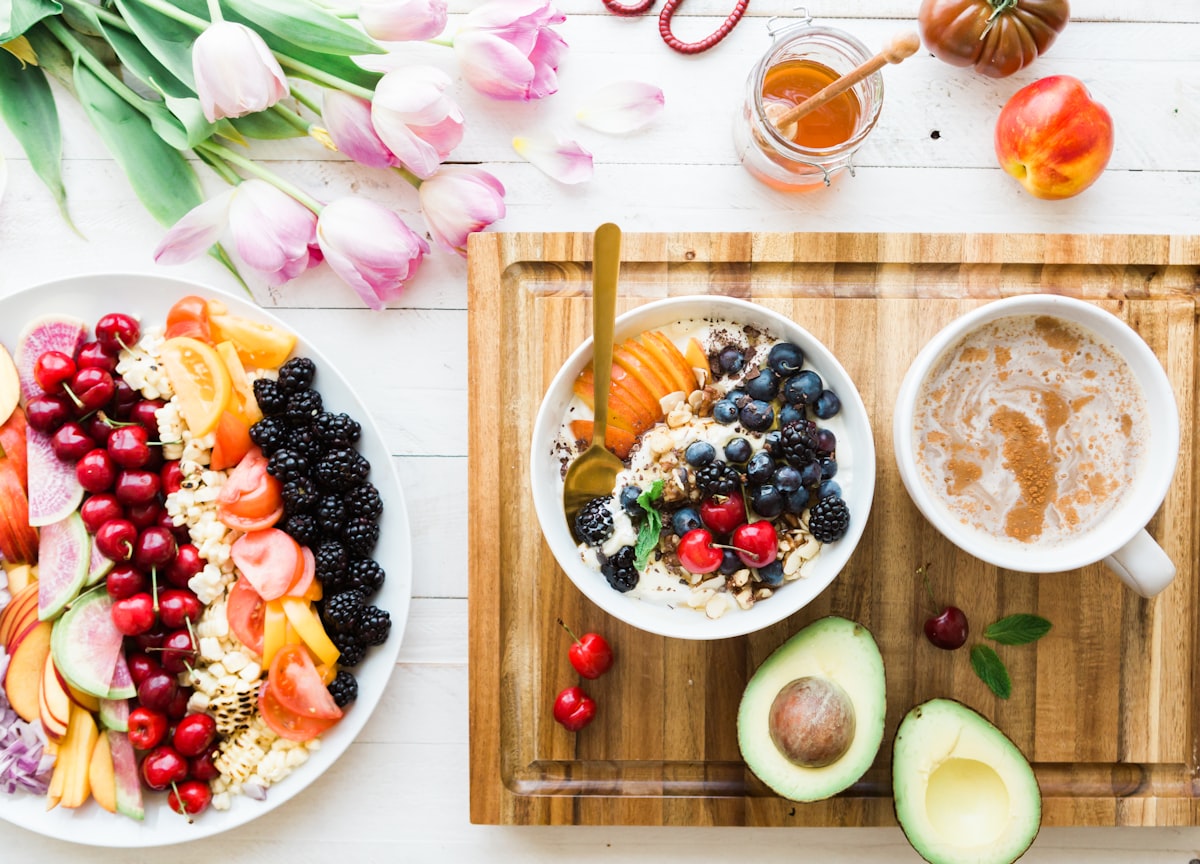
- Breakfast: Berry and kefir smoothie with a tablespoon of ground flaxseed.
- Lunch: Tuna or chickpea salad wraps using romaine lettuce leaves.
- Dinner: Tempeh or lean pork chops with fermented sauerkraut and roasted carrots.
- Daily Goal: Include one fermented food item to support the estrobolome—the subset of gut bacteria that processes estrogen.
Day 5: Estrogen Metabolism with Flaxseed Focus
On the final day of this 5-day hormone balance meal plan for beginners, we double down on flaxseeds and Omega-3 fatty acids. These nutrients are vital for cellular health and ensuring that estrogen pathways are functioning optimally.
- Breakfast: Flaxseed "pudding" topped with blueberries and hemp hearts.
- Lunch: Leftover roasted vegetables with a hard-boiled egg and a handful of almonds.
- Dinner: Grilled salmon with a large green salad and a side of steamed green beans.
- Daily Goal: Ensure you get a high dose of healthy fats for endocrine system support to wrap up the reset.
Foods to Prioritize vs. Foods to Avoid for Hormone Balance
Navigating the grocery store can be easier when you know which items provide the best protein sources for hormonal health and which ones might disrupt your progress. The following table provides a quick reference for making empowered choices.
| Choose These (Prioritize) | Limit These (Avoid) |
|---|---|
| Fatty Fish (Salmon, Mackerel): High in Omega-3s to reduce inflammation. | Refined Sugars: Trigger rapid insulin spikes and increase fat storage. |
| Cruciferous Veggies: Support liver detoxification of estrogen. | Ultra-Processed Seed Oils: Often high in Omega-6, which can be pro-inflammatory. |
| Avocados & Olive Oil: Provide healthy fats for steroid hormone production. | Excessive Caffeine: Can overstimulate the adrenals and disrupt sleep cycles. |
| Pumpkin & Flax Seeds: Rich in minerals and lignans for estrogen balance. | Alcohol: Interferes with the liver's ability to metabolize hormones. |
| Organic Soy & Legumes: Provide phytoestrogens that help stabilize levels. | Refined Flour/White Bread: Causes blood sugar instability and low satiety. |
When building your plate, aim for high Nutrient density. Every bite is an opportunity to provide your body with the tools it needs for repair. By focusing on satiety signals—which are sent to the brain when we eat enough protein and fat—we can naturally prevent overeating and maintain a healthy weight.
Implementation: Visual Portions and Circadian Timing
Creating a hormone balancing meal plan is only half the battle; how and when you eat matters just as much as what is on your plate. To make this lifestyle sustainable, I recommend using visual metaphors for portion control. Think of a serving of vegetables as the size of a baseball, a serving of protein as a hockey puck, and healthy fats as the size of your thumb. This approach lowers the barrier to entry, as you don't need to weigh every gram of food to see results.
Consistency in timing is also crucial for metabolic health. Try to align your eating habits with your body's natural circadian rhythms. Eating during daylight hours and allowing for a 12-hour fast overnight gives your digestive system and endocrine glands a chance to rest. A 2020 review found that adherence to a Mediterranean-style diet is associated with improved insulin sensitivity and lower cortisol levels in midlife women.
For those considering dietary changes for PCOS hormone balance, weight management often plays a key role. Statistics show that a 5 percent weight loss in women with obesity is associated with significant improvements in endocrine parameters, including decreased levels of free testosterone and insulin. By combining easy meal prep for hormone health with mindful movement, you create a holistic environment for your body to thrive.

FAQ
What foods should I eat to balance my hormones?
You should prioritize whole, unprocessed foods that provide a balance of macronutrients. High-quality proteins like wild-caught fish and organic poultry are essential for hormone synthesis. Healthy fats from avocados, nuts, and seeds support the production of steroid hormones. Additionally, high-fiber foods such as cruciferous vegetables and legumes help the body clear out excess hormones.
What foods should be avoided for hormone balance?
To maintain a stable endocrine system, it is best to limit refined sugars, white flours, and ultra-processed snacks that cause insulin spikes. Excessive caffeine and alcohol should also be reduced, as they can place extra stress on the liver and adrenal glands, potentially leading to estrogen dominance or elevated cortisol levels.
Can a meal plan help with hormonal weight loss?
Yes, a structured hormone balancing meal plan can significantly aid in weight loss by improving insulin sensitivity and regulating hunger hormones like ghrelin and leptin. When blood sugar is stable and inflammation is low, the body is more likely to release stored fat. Focusing on protein-rich meals helps maintain lean muscle mass while supporting a healthy metabolism.
How long does it take to see results from a hormone balancing diet?
While some women notice improvements in energy and bloating within the first week, significant hormonal shifts typically take about three to six months. This is because it takes time for the body to reset its internal signaling and for the effects of improved nutrient intake to manifest in your skin, mood, and menstrual cycle.
Are there specific meal plans for PCOS or menopause?
While the general principles of a hormone balancing meal plan—like increasing fiber and healthy fats—apply to both, there are nuances. A plan for PCOS often focuses more heavily on low-glycemic foods to manage insulin resistance. In contrast, a plan for menopause may emphasize calcium-rich foods and phytoestrogens like organic soy to support bone health and manage fluctuating estrogen levels.