Our Top Picks
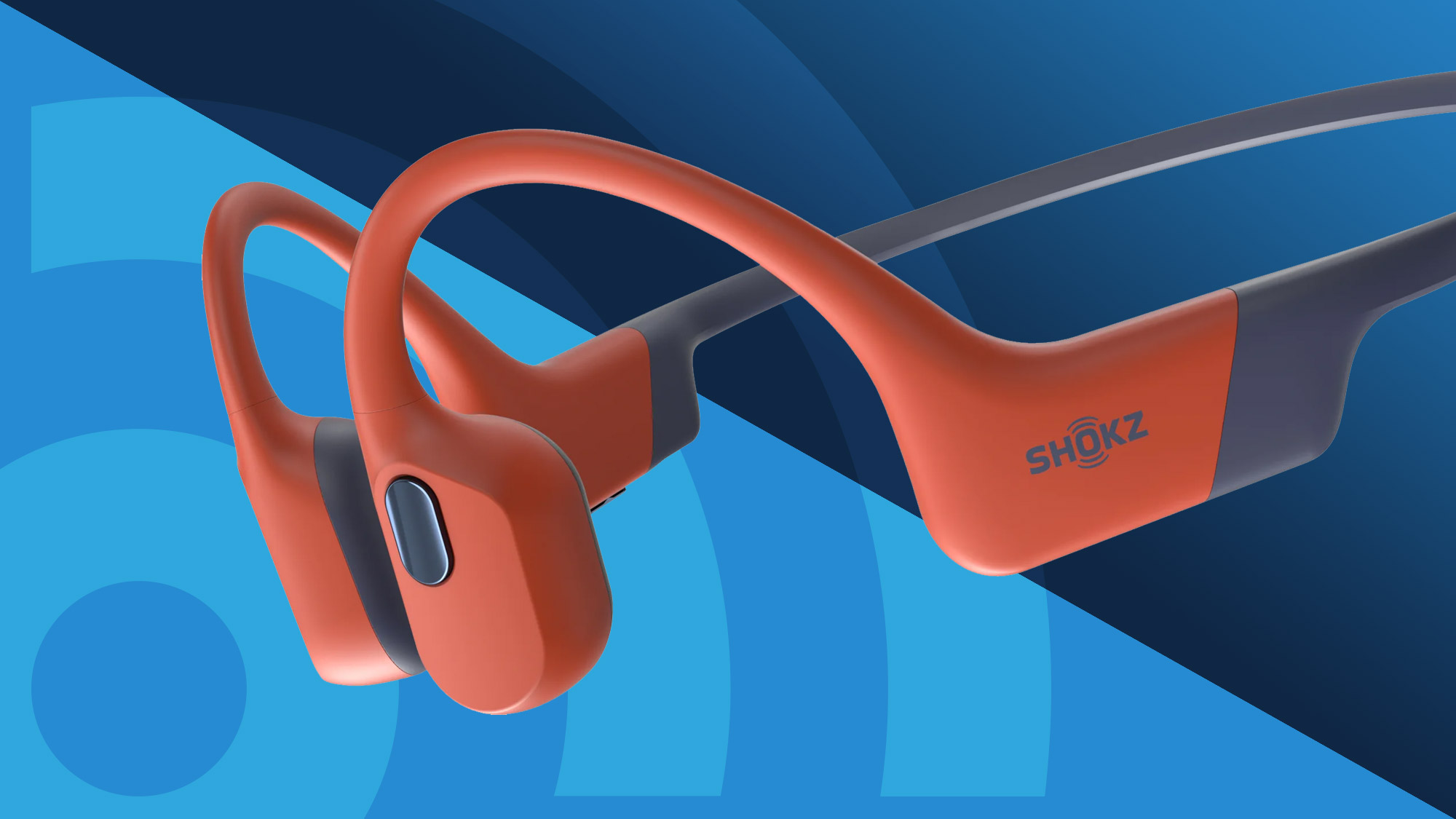
- Best Overall: Shokz OpenSwim Pro – Unmatched comfort with an ergonomic titanium frame and a seamless transition between Bluetooth and MP3 modes.
- Best for Streaming: H2O Audio Tri 2 Pro – Features an innovative app that allows you to load streaming playlists for offline underwater use.
- Best Budget: H2O Audio Surge+ – A reliable, low-cost option for those who already own a waterproof player and need high-quality waterproof buds.
When selecting swimming headphones, look for an Ingress Protection rating of at least IPX7 or IPX8 to ensure the device is fully waterproof and capable of prolonged submersion. Because standard Bluetooth signals cannot effectively penetrate water, reliable swimming headphones must feature built-in MP3 storage. This internal memory allows you to play downloaded audio files directly from the device while training without relying on a smartphone connection.
| Model | Weight | Storage | Battery Life | Specialized Feature |
|---|---|---|---|---|
| Shokz OpenSwim Pro | 27.3g | 32GB | 9 Hours | Dual Bluetooth/MP3 Modes |
| H2O Audio Tri 2 Pro | 32g | 8GB | 9 Hours | Playlist+ App Streaming |
| Zygo Z2 | 450g (Transmitter) | N/A | 3 Hours | Live Radio Streaming |
| Suunto Aqua | 30g | 32GB | 10 Hours | Heart Rate Tracking |
| H2O Audio Surge+ | 12g | N/A | Wired | Custom Ear Tip Options |
| Creative Outlier Free Pro+ | 31g | 8GB | 10 Hours | Adjustable Transducers |
| Naenka Runner Diver 2 | 28g | 32GB | 10 Hours | Massive Storage Capacity |
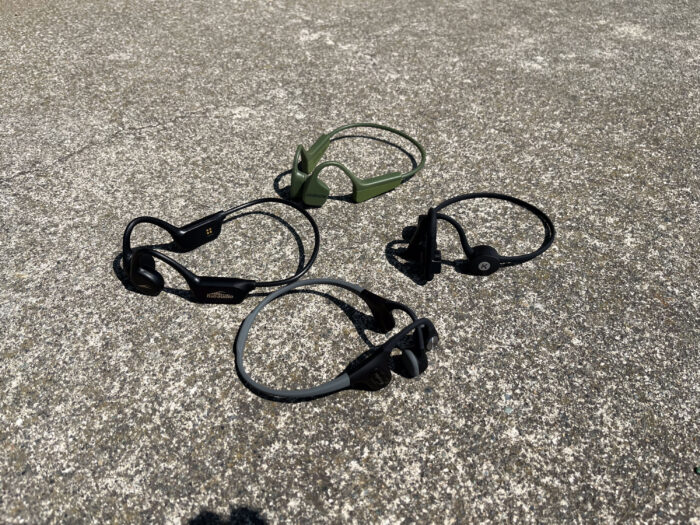
The Underwater Audio Barrier: Why You Need Specialized Gear
As a fitness editor, I often see athletes trying to take their standard gym buds into the pool, only to find the music cuts out the moment their head dips below the surface. The physics of water are unforgiving to standard wireless signals; Bluetooth uses 2.4GHz radio waves, which are absorbed by water within a distance of only about four inches. To maintain a consistent rhythm during a long set of laps, you need specialized swimming headphones that utilize local file playback.
This requirement for onboard media storage is the primary reason why waterproof headphones for swimming look and function differently than your typical AirPods. Beyond the internal storage, you must consider Ingress protection standards. While many devices claim to be water-resistant, you specifically need an ipx8 rated headphones designation. This rating ensures the device can handle continuous immersion in water deeper than one meter, typically up to three meters, which is essential for deep-end wall kicks and tumble turns.
The market for these devices is expanding rapidly as more swimmers look to break the monotony of the black line. The global waterproof headphones market was valued at approximately USD 8.93 billion in 2023 and is projected to reach USD 17.77 billion by 2032. This growth is fueled by athletes demanding better situational awareness and more reliable underwater mp3 player headphones that don't fail after a month of chlorine exposure.
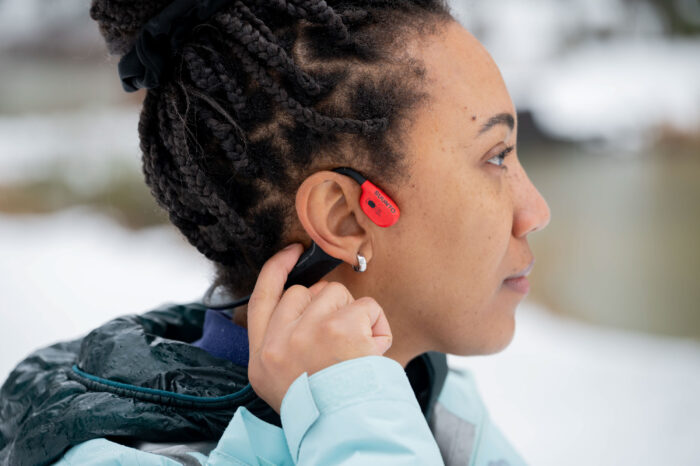
7 Best Swimming Headphones of 2024: Expert Reviews
We put these models through rigorous testing in both lap pools and open water environments. We evaluated flip-turn security at high speeds, audio clarity against the sound of bubbles, and the ease of managing local file playback.
Shokz OpenSwim Pro
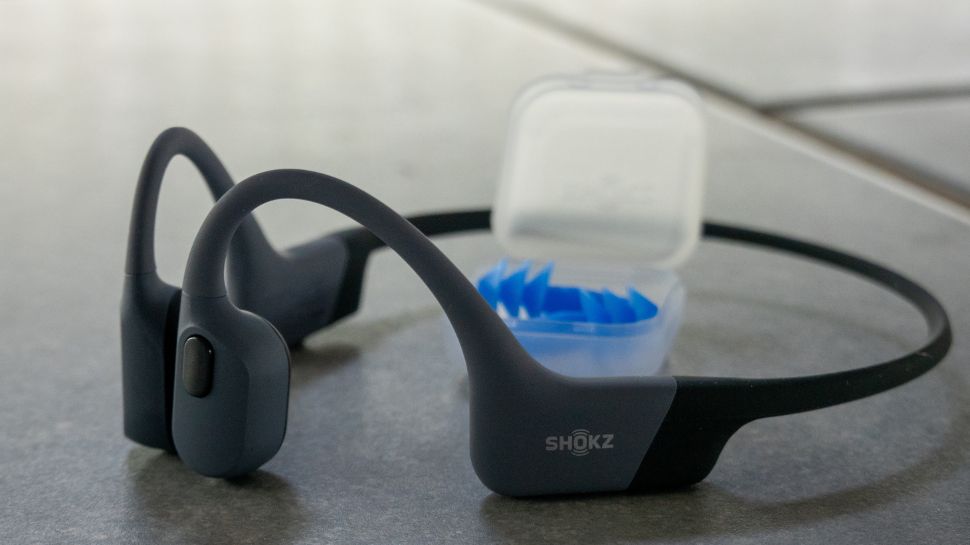
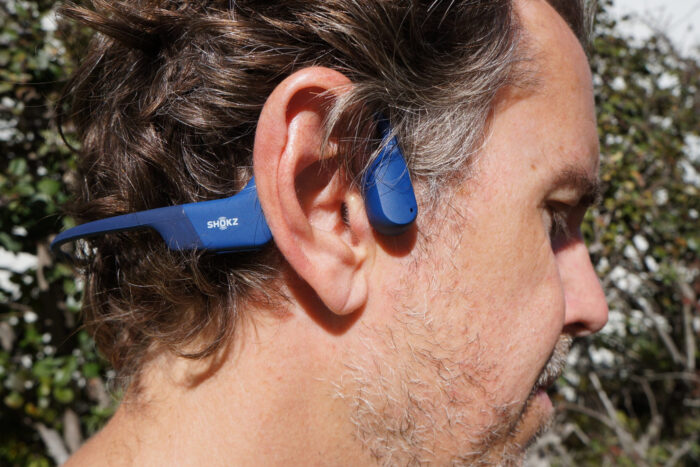
The Shokz OpenSwim Pro is the gold standard for waterproof bone conduction headphones. During our 3,000-meter testing sessions, the ergonomic titanium frame remained so stable that we nearly forgot we were wearing it. It features 32GB of storage, which is enough to hold thousands of songs, and it offers a dedicated swimming mode that adjusts the equalization to provide crisp audio while underwater.
- Pros: Incredible comfort; easy physical buttons for switching tracks; fast charging.
- Cons: No Bluetooth functionality while underwater; higher price point.
- Reasons to Avoid: If you exclusively use streaming services and do not have a library of MP3 files, the manual file transfer might feel tedious.
H2O Audio Tri 2 Pro
The H2O Audio Tri 2 Pro solves the biggest hurdle in modern aquatic audio: streaming. While it still uses local storage for underwater playback, its Playlist+ technology allows you to "record" music from apps like Spotify or Tidal directly onto the headset while you are on dry land. This makes it a top choice for those seeking ipx8 rated swimming headphones with built-in mp3 player functionality without the old-school file-dragging process.
- Pros: Offline streaming capability; very secure fit on goggle straps; bone conduction clarity.
- Cons: Recording playlists takes as long as the music's duration.
- Reasons to Avoid: The recording process requires patience, which might frustrate users who want instant transfers.
Zygo Z2
The Zygo Z2 is the only device on this list that allows you to stream music or podcasts in real-time while swimming. It uses an FM radio transmitter that stays on the pool deck. This makes it the best waterproof bone conduction headphones for lap swimming if you have a coach who wants to give you live feedback through a microphone.
- Pros: Real-time streaming; great for coaching; excellent audio quality.
- Cons: Requires carrying a bulky transmitter; shorter battery life.
- Reasons to Avoid: The transmitter adds another piece of gear to your bag, making it less portable for casual swimmers.
Suunto Aqua
Suunto has entered the audio space with a performance-first mindset. The Suunto Aqua includes integrated heart rate tracking, which is a rare feature for swimming headphones. We found that the tracking was surprisingly accurate when compared to a chest strap, providing a comprehensive data set for our post-workout analysis.
- Pros: Biometric tracking; 32GB storage; high-end build quality.
- Cons: Proprietary charging cable; expensive.
- Reasons to Avoid: If you already use a dedicated swim watch for heart rate, the extra sensors here may be redundant.
H2O Audio Surge+
For the minimalist, the H2O Audio Surge+ provides a traditional in-ear experience. These are budget-friendly waterproof headphones for swimming under $50, provided you already have a waterproof player to plug them into. They utilize triple-flange ear tips to create a watertight seal, which results in much deeper bass than bone conduction models.
- Pros: Deep bass; very affordable; multiple tip sizes included.
- Cons: Wired connection requires a separate player; can cause ear pressure.
- Reasons to Avoid: Dealing with wires can be cumbersome during high-intensity strokes if not managed correctly.
Creative Outlier Free Pro+
The Creative Outlier Free Pro+ stands out for its versatility. The transducers are adjustable, allowing you to fine-tune the fit against your cheekbones for the best sound conduction. We found this especially helpful for swimmers with different head shapes who often struggle with standard fixed-frame models.
- Pros: Adjustable fit; great battery life; swimming headphones with quick-charge for daily training.
- Cons: Charging pins can be sensitive to salt water if not rinsed.
- Reasons to Avoid: The moving parts of the adjustable transducers could be a potential point of failure over years of heavy use.
Naenka Runner Diver 2
This model is built for the marathon swimmer. With 32GB of storage and a 10-hour battery life, the Naenka Runner Diver 2 is designed for long hours in the water. We tested the flip-turn security at high speeds and found that the wrap-around design stayed firmly in place even without a swim cap.
- Pros: Massive storage; very lightweight; stable fit.
- Cons: The proprietary magnetic charger can be finicky.
- Reasons to Avoid: The voice prompts can be loud and intrusive during low-battery warnings.
Pro Tip: To ensure your underwater headphones that attach to swimming goggles stay perfectly in place, tuck the back of the frame under the edge of your silicone swim cap. This creates a hydrodynamic profile and prevents the device from vibrating during fast sprints.
Choosing Your Perfect Pair: Bone Conduction vs. In-Ear
Deciding between bone conduction vs in-ear headphones for swimming comparison usually comes down to two factors: situational awareness and audio fidelity.
Bone conduction technology uses cheekbone transducers to send vibrations directly to your inner ear. This leaves your ear canal open, which is a massive safety benefit. You can still hear the lifeguard's whistle or the pace clock beeping. By 2025, the swimming application segment is estimated to account for approximately 18.4% of the total revenue in the waterproof headphones market, largely due to the rising popularity of this safety-conscious design.
In contrast, traditional in-ear models use triple-flange ear tips to create a physical vacuum. This seal keeps water out of the external auditory canal and provides a much richer sound profile with significant bass. However, many swimmers find that the pressure changes during deep dives or flip turns can cause the seal to break, leading to "muffled" sound as water enters the ear. For most lap swimmers, the bone conduction design offers a more consistent experience and better flip-turn security.
FAQ
Does Bluetooth work underwater for swimming headphones?
Bluetooth does not work effectively underwater. The radio waves used by Bluetooth are absorbed by water within a few inches. This is why specialized swimming headphones require built-in MP3 storage or a specialized transmitter to function while you are submerged.
How do bone conduction swimming headphones work?
These devices use transducers to convert audio into mechanical vibrations. These vibrations travel through your cheekbones directly to the cochlea in your inner ear. This bypasses the eardrum entirely, allowing you to hear music clearly even when your ears are underwater or plugged with earplugs.
What is the difference between waterproof and water-resistant headphones?
Water-resistant headphones are usually rated IPX4 to IPX6 and can handle sweat or rain but cannot be submerged. Fully waterproof headphones for swimming must be rated at least IPX7 (temporary immersion) or preferably IPX8, which allows for continuous submersion at depths specified by the manufacturer.
Can you use swimming headphones in salt water?
Yes, most high-end models can be used in salt water, but they require immediate maintenance. Salt is highly corrosive to the induction charging base and electronic components. You must rinse the headphones thoroughly with fresh water and dry them completely after every ocean swim.
Do swimming headphones stay in place while doing laps?
Most modern designs stay in place very well. Models with an ergonomic titanium frame provide a tension-based fit around the back of the head. For extra security, many swimmers use their goggle straps or a swim cap to pin the device more firmly against their temples.
How do you clean and maintain swimming headphones?
After every session, rinse your headphones in fresh water to remove chlorine, salt, or minerals. Pay close attention to the induction charging base pins, as buildup can prevent the device from charging. Avoid using harsh chemicals; a simple rinse and a soft cloth for drying are sufficient to maintain the integrity of the materials.
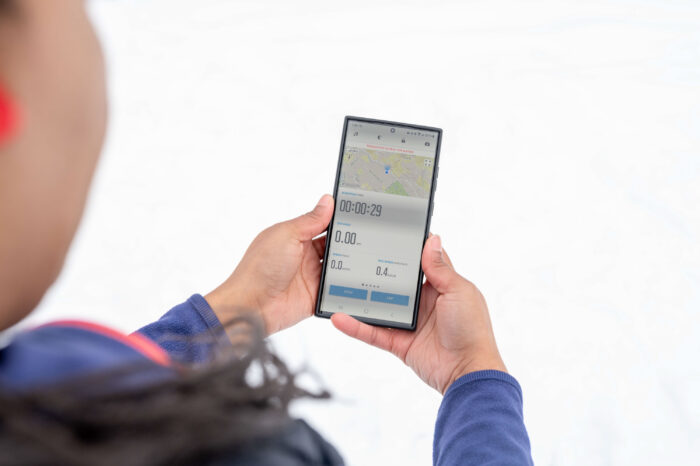
Selecting the right professional aquatic gear can transform your training from a chore into a highlight of your day. Whether you prioritize the high-tech streaming of the H2O Audio models or the lightweight reliability of the Shokz OpenSwim Pro, ensure your choice matches your specific training volume and music library needs. Get the right gear, hit the water, and let the music drive your next personal best.