Quick Facts
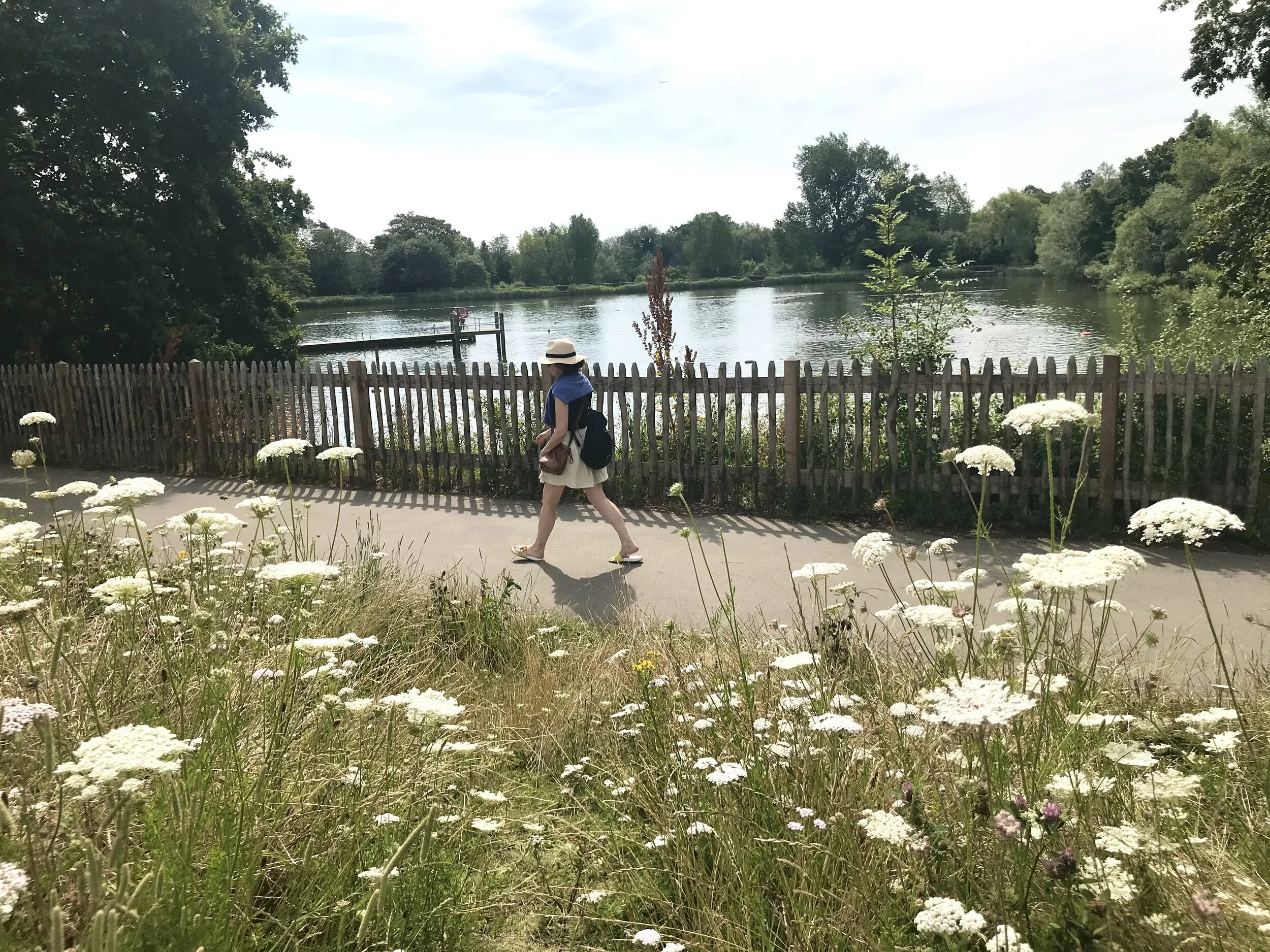
- Top Status: Hampstead Heath is recognized as Europe's first Urban Quiet Park for its acoustic quality.
- Best for Mindfulness: Kew Gardens offers a curated 1.5-mile trail specifically for mental wellbeing.
- Biodiversity: Richmond Park features 2,500 acres of ancient woodland and over 600 wild deer.
- Stress Science: Research confirms that 20 minutes in these nature spots can significantly reduce cortisol levels.
- Urban Greenery: Nearly half of London's surface area consists of parks, woodlands, and gardens.
- Economic Impact: London's green spaces save the NHS millions in mental health costs annually.
London offers premier nature spots for stress reduction, including Richmond Park for ancient woodlands and Hampstead Heath for panoramic city views. These London green spaces for wellbeing are scientifically proven to lower cortisol and provide a vital mental reset for residents and visitors alike.
We often talk about the "100-tabs-open" brain—that frantic, overstimulated state where the city's noise feels like a physical weight. As a mental health editor, I’ve found that the most effective prescription isn't always found in a pharmacy, but in the deliberate practice of seeking out London nature spots. The city is remarkably generous in this regard. While many see a sprawling metropolis, those of us focused on mindfulness see a network of sanctuaries. In fact, green spaces, including parks, woodlands, and gardens, account for approximately 47% of London's total surface area.
This abundance is more than just an aesthetic perk. London's public green spaces are estimated to save the National Health Service (NHS) approximately £370 million per year in mental health-related costs. By stepping into these tranquil spots in London, we are participating in a massive, city-wide act of collective healing. Whether you are looking for ancient woodland to ground your thoughts or a hidden garden for a quiet lunch break, these eight locations offer the therapeutic reset your mind deserves.
Hampstead Heath: Europe’s First Urban Quiet Park
There is a specific kind of silence found on Hampstead Heath that you won’t find anywhere else in the city. It is so distinct that it received an acoustic accreditation from Quiet Parks International, making it Europe’s first Urban Quiet Park. For those struggling with urban overstimulation, the Heath offers 790 acres of raw, unmanicured landscape that serves as the perfect canvas for attention restoration theory. This psychological framework suggests that natural environments allow our "directed attention"—the kind we use for emails and navigation—to rest, while our "soft fascination" takes over.
When walking through the deep ferns or standing atop Parliament Hill, you are treated to London nature spots with panoramic city views that put your daily stressors into perspective. Looking at the skyline from a distance helps the brain categorize problems as external rather than internal. The vastness of the Heath encourages a sense of awe, an emotion that research shows can decrease symptoms of anxiety and depression.
Logistics & Access
- Nearest Tube: Hampstead (Northern Line) or Hampstead Heath (Overground)
- Entry Fee: Free
- Best Time: Early weekday mornings for maximum silence.
Richmond Park: Ancient Woodlands and Wild Deer
If your stress feels heavy and ancient, go to a place that has stood the test of time. Richmond Park is not just a park; it is a sprawling 2,500-acre nature reserve protected by the Hampstead Heath Act of 1871, which ensured these lands remained unbuilt for generations. For a true cognitive reset, I recommend practicing forest bathing among the ancient woodland. This Japanese practice of Shinrin-yoku involves moving slowly through the trees, engaging all five senses to lower blood pressure and heart rate.
The presence of over 600 wild deer roaming freely adds a layer of unpredictable beauty that forces you into the present moment. Within the park lies the Isabella Plantation, a woodland garden that is particularly potent for stress relief during the spring when the azaleas are in bloom. It is one of the premier quiet parks in London where the sound of the wind through the oaks replaces the hum of the red buses.
Logistics & Access
- Nearest Tube: Richmond (District Line/Overground) followed by a short bus ride or walk.
- Entry Fee: Free
- Best Time: Sunset, to see the deer in the "golden hour" light.
Kew Gardens: The Curated Mindfulness Trail
While some parks offer wildness, the Royal Botanic Gardens at Kew offers structure. For many, a "wild" park can feel overwhelming. Kew addresses this through horticultural therapy and its dedicated 1.5-mile Mindfulness and Wellbeing Trail. This curated path guides you through specific areas of the gardens designed to evoke calm, from the Pinetum to the quiet corners of the Temperate House.
Kew is one of the most sophisticated London green spaces for wellbeing because it utilizes biophilic design—the concept that humans have an innate tendency to seek connections with nature. The sound baths and dedicated quiet zones are specifically intended to help visitors achieve a state of solo meditation. It is an ideal spot for those who want a guided experience in nature rather than a wandering one.
Logistics & Access
- Nearest Tube: Kew Gardens (District Line/Overground)
- Entry Fee: Paid entry (discounts for local residents and concessions).
- Best Time: Mid-week to avoid the family crowds in the glasshouses.
Holland Park: The Zen of Kyoto Garden
In the heart of Kensington lies a micro-location that feels entirely removed from the UK. The Kyoto Garden, gifted by the Chamber of Commerce of Kyoto in 1991, is a masterclass in tranquil spots in London. It features a tiered waterfall, a stone lantern, and wandering peacocks. The acoustic profile of the waterfall is particularly effective for masking the distant city traffic, providing a "white noise" effect that allows for deep focus or a quick mental reset.
This is arguably the best of the secret garden spots in central London for peace because of its concentrated beauty. You don't need two hours here; even 15 minutes of sitting by the koi pond can provide enough biophilic design benefits to carry you through a stressful afternoon of meetings.
Logistics & Access
- Nearest Tube: Holland Park (Central Line) or High Street Kensington (District/Circle).
- Entry Fee: Free
- Best Time: 9:00 AM, just as the gates open.
Barbican Conservatory: An Indoor Rainforest for Rainy Days
London's weather can often be a barrier to outdoor therapy. However, the Barbican Conservatory offers a unique solution. This brutalist concrete structure houses over 2,000 species of tropical plants and trees, creating an indoor rainforest that is perfect for indoor nature spots in London for rainy days. The contrast between the grey concrete and the vibrant green Monstera leaves provides a visual "pop" that stimulates the brain's reward centers.
Being tucked away in the heart of the City, it is one of the most convenient quiet London parks near tube stations for those working in finance or tech. It offers a rare opportunity to experience urban biodiversity in a climate-controlled environment, ensuring that your mental health routine isn't dependent on a sunny forecast.
Logistics & Access
- Nearest Tube: Barbican (Circle/Metropolitan/Hammersmith & City).
- Entry Fee: Free (but requires pre-booking online).
- Best Time: Sundays, when the conservatory is typically open to the public.
Hidden Gems: St Dunstan in the East & Camley Street
Sometimes the most effective stress relief comes from finding a sanctuary where you least expect it. St Dunstan in the East is a former parish church that was largely destroyed during the Blitz. Today, the ruins have been transformed into a public garden where ivy draped over Gothic arches creates a hauntingly beautiful space for reflection. It is one of the most popular hidden green spaces in London for lunch breaks, offering a moment of historical perspective to modern-day worries.
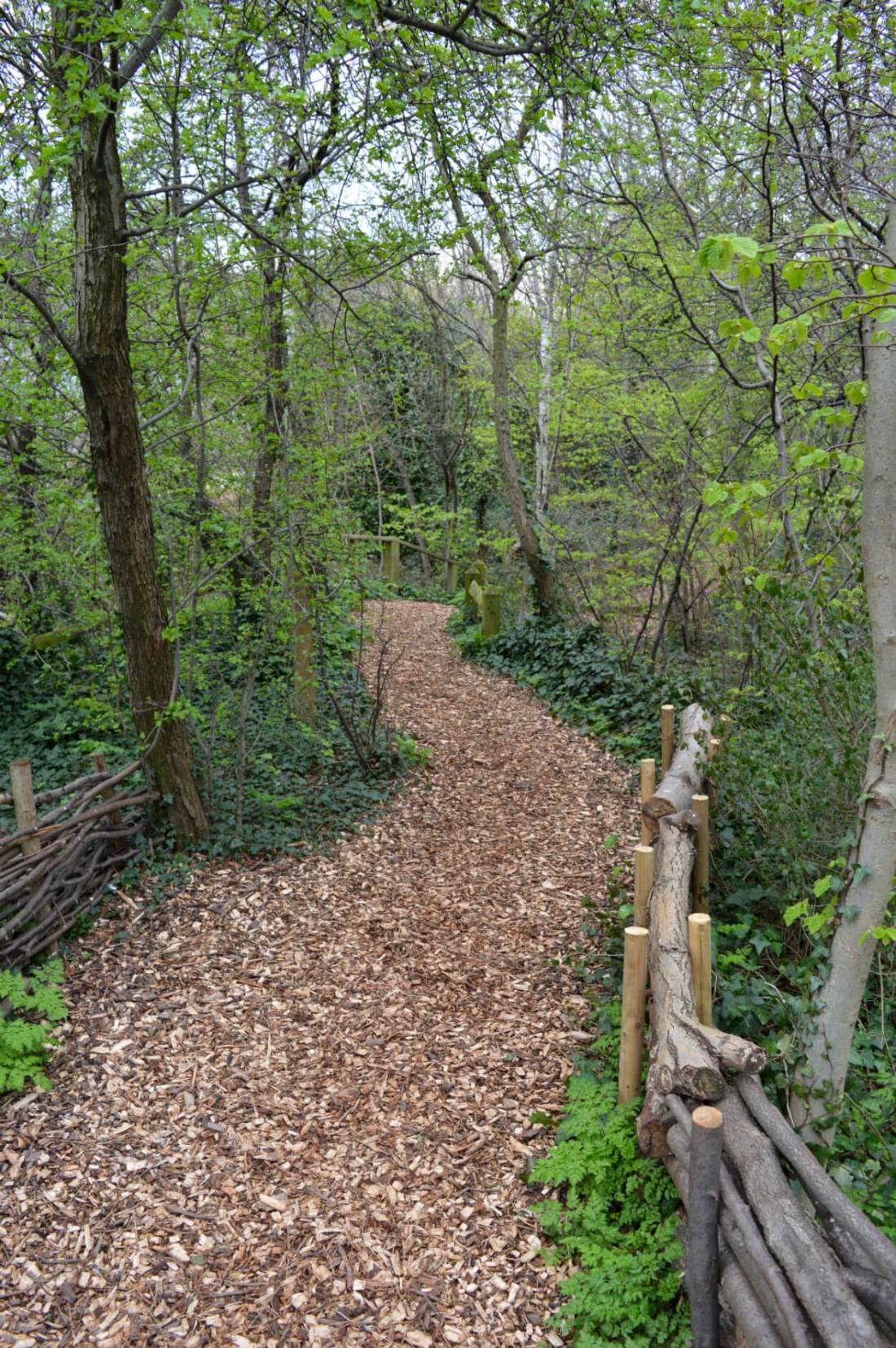
In contrast, Camley Street Natural Park offers a different kind of peace. Managed by the London Wildlife Trust, this ecological sanctuary sits right in the middle of the hyper-modern King's Cross development. It features ponds, meadows, and reed beds that attract kingfishers and butterflies.
Logistics & Access (St Dunstan)
- Nearest Tube: Monument or Tower Hill.
- Best Time: Early morning before the local office workers arrive for lunch.
Logistics & Access (Camley Street)
- Nearest Tube: King's Cross St. Pancras.
- Best Time: Late afternoon to see the wildlife becoming active.
Ravenscourt Park: The Privacy of the Glasshouse
For those in West London, Ravenscourt Park offers a more neighborhood-centric feel. While the main park is great for a stroll, the true stress-relief secret lies in the hidden Glasshouse Studio and the surrounding walled gardens. These areas provide a sense of enclosure and privacy that larger parks lack. For someone seeking a quiet retreat from city life without traveling to the outskirts, this park provides the necessary "small-scale" nature that feels intimate and safe.
Logistics & Access
- Nearest Tube: Ravenscourt Park (District Line).
- Entry Fee: Free.
- Best Time: Weekday mornings when the glasshouse area is most peaceful.
Comparison of London Nature Spots for Stress Relief
| Spot | Best For | Vibe | Effort Level |
|---|---|---|---|
| Hampstead Heath | Deep Silence & Views | Wild & Rugged | High (Hilly) |
| Richmond Park | Forest Bathing | Ancient & Vast | Moderate |
| Kew Gardens | Guided Mindfulness | Curated & Educational | Low |
| Holland Park | Quick Mental Reset | Zen & Sensory | Low |
| Barbican | Rainy Day Relief | Tropical & Brutalist | Low |
| St Dunstan | Lunchtime Reflection | Gothic & Historic | Low |
| Camley Street | Wildlife Watching | Ecological & Modern | Low |
| Ravenscourt Park | Privacy & Local Feel | Intimate & Walled | Low |
FAQ
Where are the best nature spots in London?
The best spots depend on your location, but Hampstead Heath, Richmond Park, and Kew Gardens are widely considered the "Big Three" for their size and therapeutic potential. For central London, Holland Park and the Barbican offer excellent, easily accessible alternatives.
What are the best hidden nature gems in London?
St Dunstan in the East and Camley Street Natural Park are premier hidden gems. Other notable mentions include the Chelsea Physic Garden and the Postman’s Park near St. Paul’s, which offers a quiet place of commemoration and greenery.
Which London parks have the most wildlife?
Richmond Park is the leader for large mammals with its deer herds. However, London Wildlife Trust sites like Camley Street or Walthamstow Wetlands are better for birdwatching and observing smaller urban biodiversity like dragonflies and water voles.
What are the best nature walks in Central London?
A walk through St. James's Park toward Green Park offers a surprisingly lush corridor. For something more unique, the walk from Little Venice to Camden along the Regent’s Canal provides a water-based nature experience that is very effective for stress reduction.
Is London a good city for nature lovers?
Absolutely. With green space making up nearly half of the city's area, London is one of the greenest major cities in the world. The variety—from ancient woodlands to tropical conservatories—ensures that nature lovers can find a spot that suits their specific mental health needs.
Research indicates that spending between 10 and 30 minutes in nature can effectively lower levels of the stress hormone cortisol. We encourage you to pick one of these spots this weekend and allow yourself to simply "be" without the pressure of productivity.