Quick Facts
- Participation Rate: Approximately 25.8 million people worldwide attempted to adopt a vegan lifestyle during the January 2025 Veganuary campaign.
- Economic Benefit: Adopting a plant-based diet can lead to an average annual saving of $750 per person compared to traditional diets.
- Sustainability: Moving toward a plant-heavy lifestyle can reduce an individual’s carbon footprint by up to 46%.
- Success Key: A whole food plant-predominant approach is widely recommended by medical experts for sustained health benefits.
- Nutrient Focus: Monitoring vitamin B12 levels and optimizing iron absorption are the most critical factors for long-term nutritional success.
To start a vegan transition without feeling overwhelmed, adopt a gradual approach by swapping one meal or ingredient at a time. Begin with habits like Meatless Mondays or replace dairy milk with plant-based alternatives like almond or oat milk. Keeping a food diary helps identify frequently consumed animal products, allowing you to find suitable vegan replacements that fit your existing lifestyle and preferences. Focusing on adding nutrient-dense options rather than strictly focusing on restriction is the most effective way to manage a plant-based diet for beginners.
1. Choose Your Path: Fast vs. Gradual
When you decide to change your dietary lifestyle, the first step is recognizing that there is no single "correct" way to do it. As a nutrition editor, I often see two distinct personality types in the kitchen: the Decisive Sprinter and the Steady Voyager. If you thrive on clear-cut rules and immediate change, an all-in approach might work for you. However, for the majority of people, the most effective tips for a stress free vegan transition involve a slower, more deliberate pace.
How to transition to veganism gradually often starts with "plate crowding" or the "Meatless Monday" concept. By committing to just one day a week without animal products, you lower the stakes and allow yourself room to experiment with new recipes. Another method is the "category-by-category" shift, where you might remove red meat first, then poultry, then fish, and finally dairy. This method prioritizes nutrient density and allows your digestive system to adapt to the increased fiber intake common in a whole food plant-predominant diet. Understanding how to start a vegan diet is less about reaching a finish line and more about building sustainable, health-conscious habits.
2. Use the 'Add, Don't Subtract' Philosophy
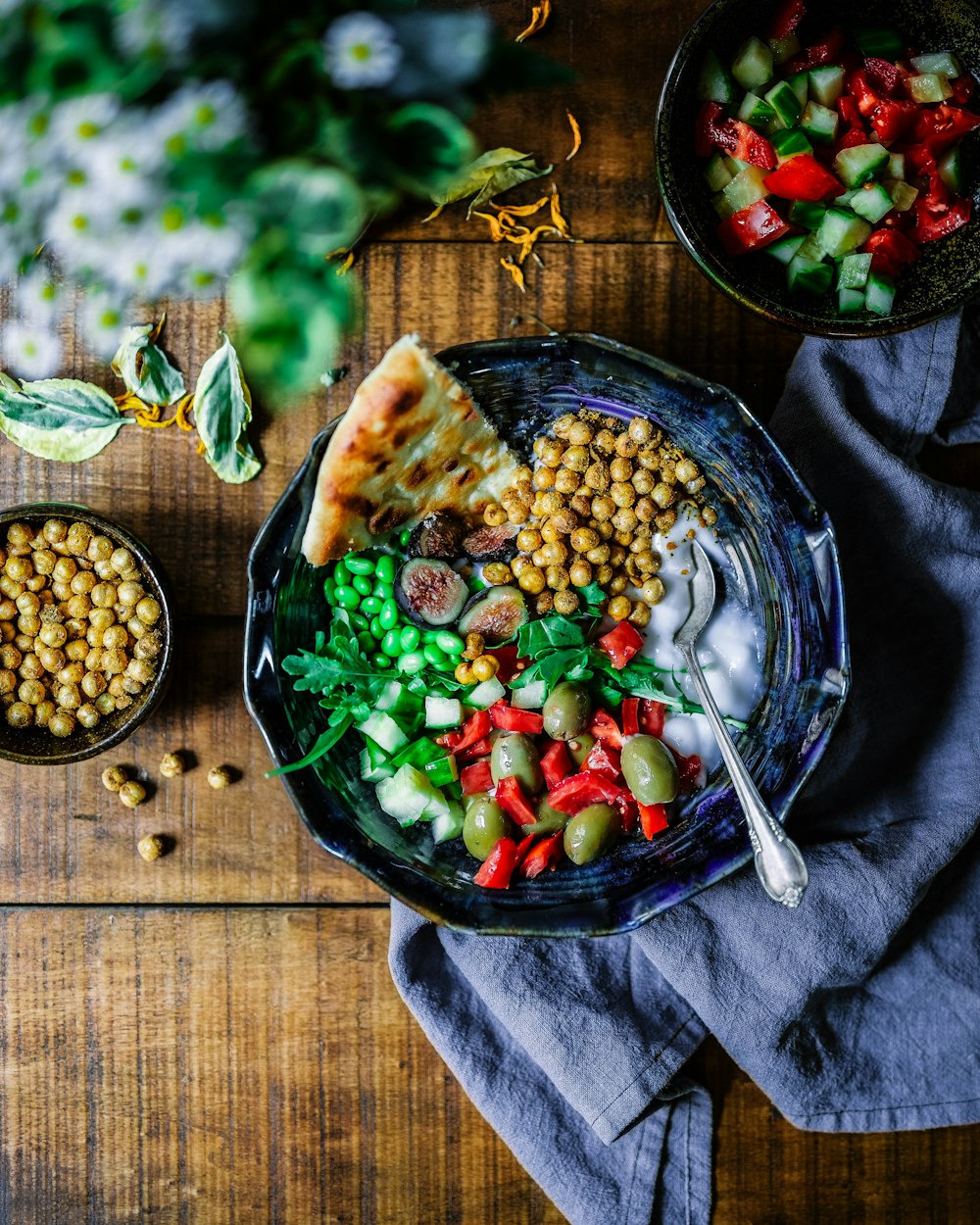
The biggest psychological hurdle in any dietary shift is the feeling of deprivation. Instead of focusing on what you are removing from your plate, I encourage you to focus on what you are adding. This is the "Add, Don't Subtract" philosophy. When you fill your plate with vibrant whole foods like grains, legumes, and seasonal vegetables, there simply isn't as much room for the heavy animal products you used to rely on.
It is also important to be mindful of your budget and health goals during this phase. While the market for processed alternatives is booming, research shows that plant-based meat alternatives carry an average price premium of approximately 82% over conventional meat products. To keep your vegan transition budget-friendly, prioritize simple plant based swaps for meat and dairy that rely on whole ingredients.
| Traditional Food | Plant-Based Swap | Nutritional Benefit |
|---|---|---|
| Cow's Milk | Oat or Soy Milk | High fiber or protein |
| Ground Beef | Brown Lentils or Crumbled Tofu | Lower saturated fat, high iron |
| Scrambled Eggs | Tofu Scramble with Turmeric | Zero cholesterol, high protein |
| Butter | Avocado or Nut Butters | Heart-healthy monounsaturated fats |
| Cheese | Nutritional Yeast or Cashew Cream | Added B vitamins and healthy fats |
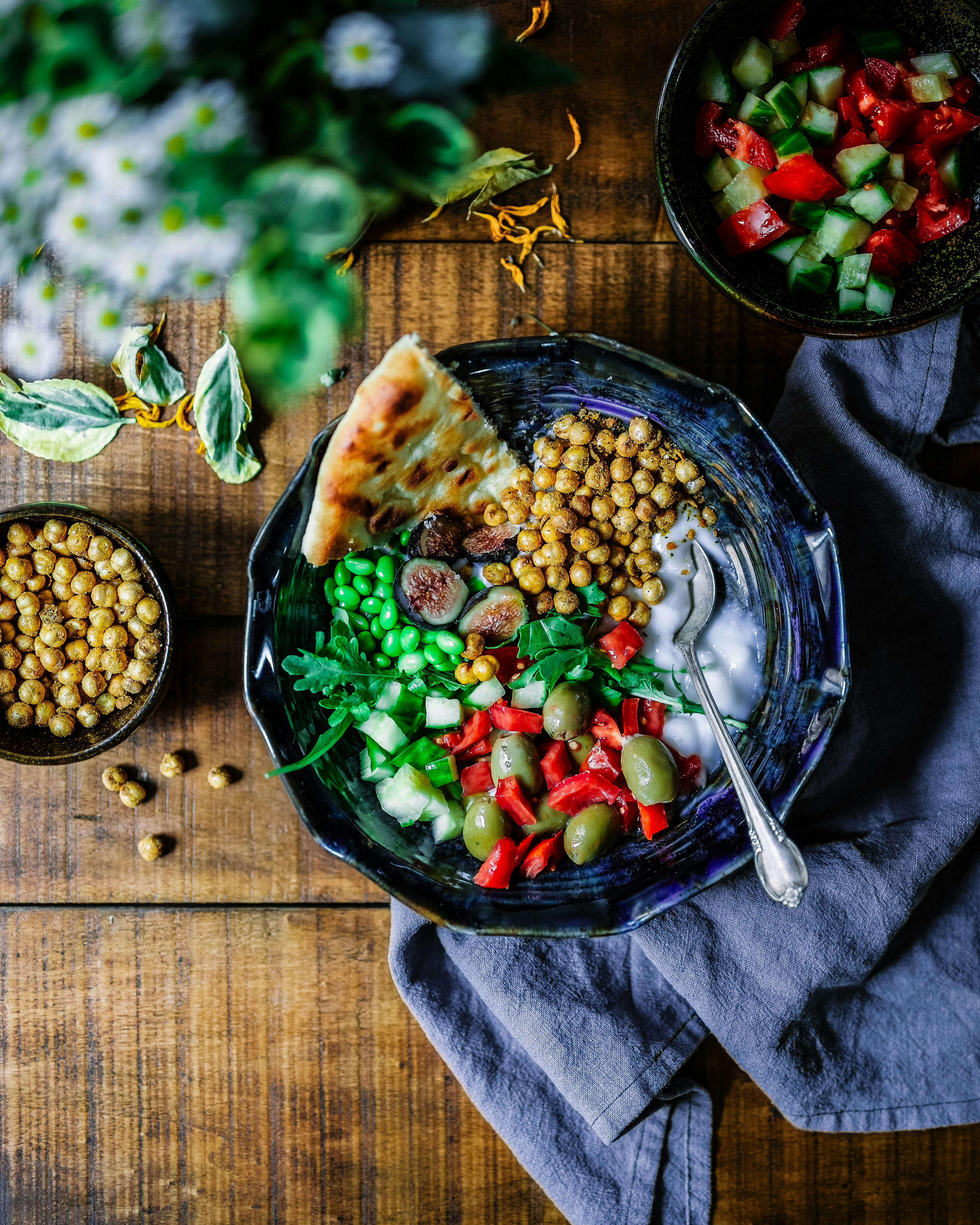
By using these meat substitutes and dairy alternatives, you can maintain the familiarity of your favorite meals while drastically improving the nutrient profile of your diet.
3. Master the Essential Pantry Staples
Preparation is the antidote to overwhelm. If you have a well-stocked kitchen, you are much less likely to reach for a non-vegan convenience meal when you’re tired. Building a plant-based diet for beginners starts with a few key items that are versatile, shelf-stable, and affordable. Interestingly, many people find they save significant money by focusing on these staples, with some estimates suggesting a $750 annual saving compared to meat-heavy diets.
Here are the essential vegan pantry staples for beginners:
- Legumes: Canned or dry chickpeas, black beans, and lentils are the backbone of plant-based protein.
- Grains: Quinoa, brown rice, farro, and oats provide sustained energy and fiber.
- Nutritional Yeast: A flaky, yellow powder that provides a savory, "cheesy" flavor and is often fortified with B vitamins.
- Healthy Fats: Raw nuts, seeds (like chia and hemp), and tahini for dressings and sauces.
- Flavor Boosters: Low-sodium soy sauce or liquid aminos, apple cider vinegar, and a robust spice cabinet.
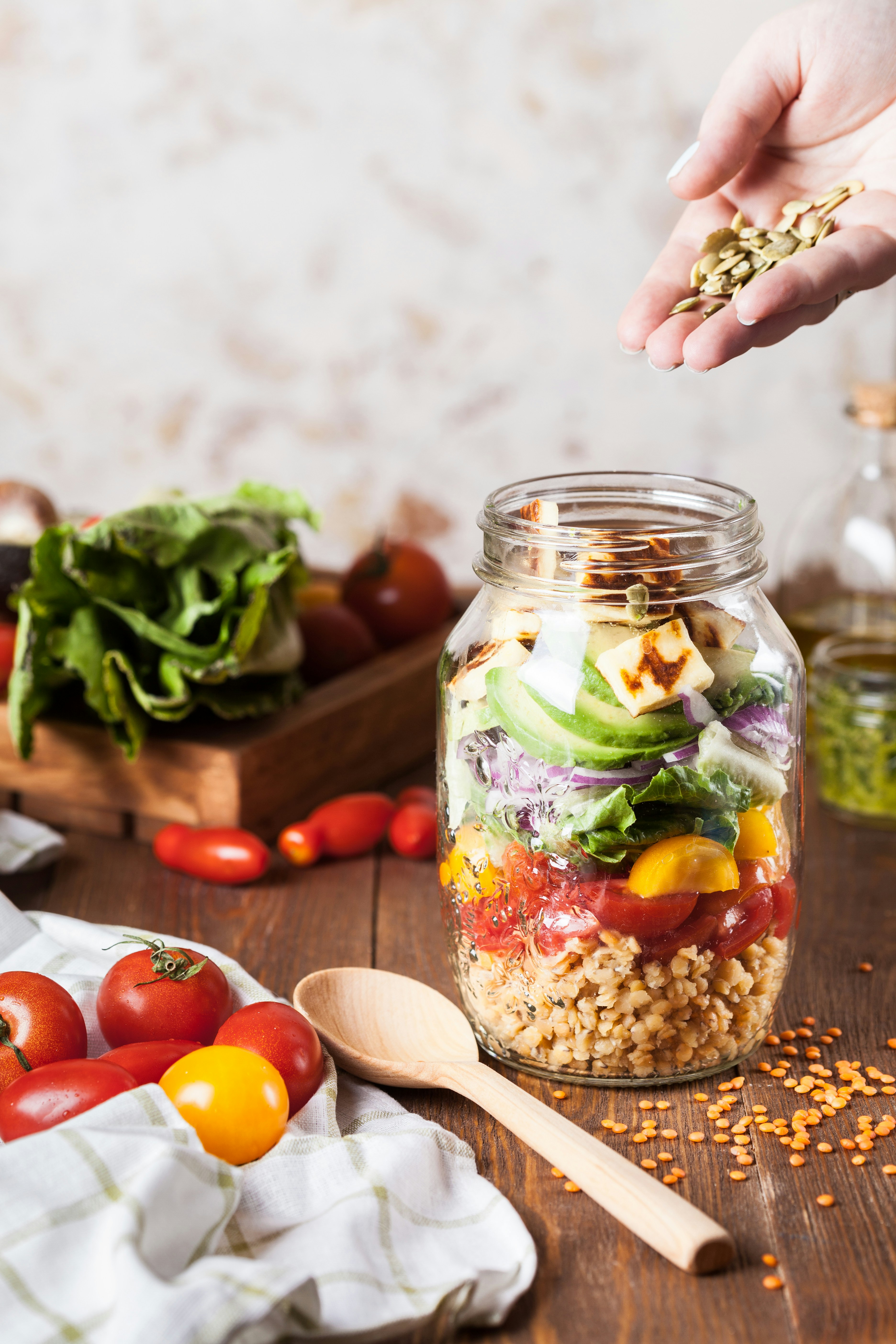
When you have these items on hand, you can whip up a nourishing grain bowl or a hearty bean chili in minutes. This reduces the cognitive load of constantly wondering what to eat.
4. Prioritize Key Nutrients: Vitamin B12 and Iron
From a clinical perspective, a healthy vegan transition requires careful attention to specific micronutrients. In a survey of over 1,000 current and former vegans, obtaining sufficient nutrients was cited as one of the primary challenges. Two nutrients deserve your immediate attention: vitamin B12 and iron.
Vitamin B12 is essential for nerve function and the formation of red blood cells, but it is not naturally found in plant foods. As a new vegan, you should prioritize fortified foods like breakfast cereals and plant milks, or consult a healthcare professional about a high-quality supplement.
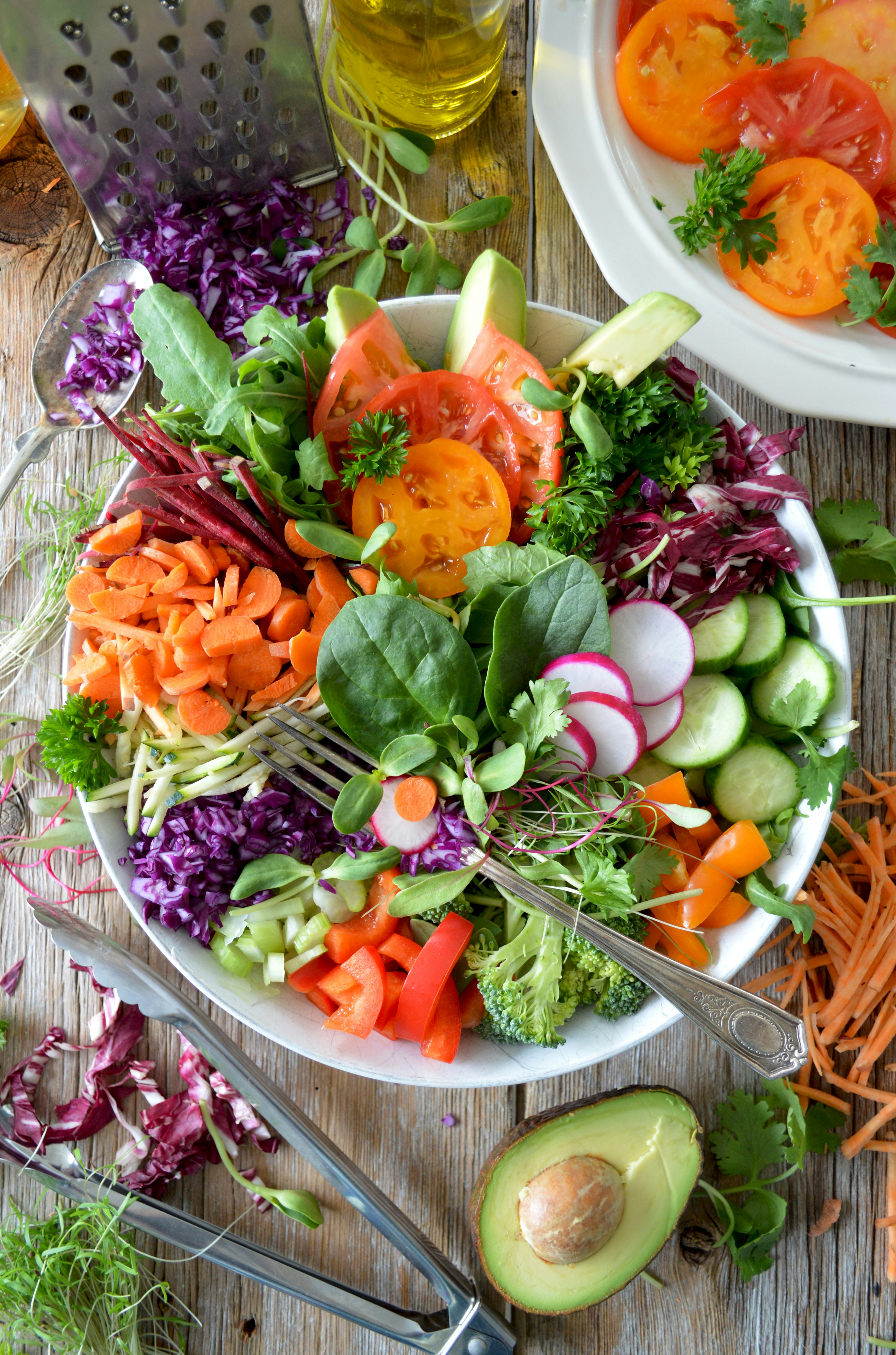
Iron is equally vital, but plant-based (non-heme) iron is not absorbed as easily as the iron found in meat. A simple but effective vegan nutrition tips for new plant based eaters is the "Vitamin C Hack." Always pair iron-rich foods like spinach, lentils, or tofu with a source of Vitamin C—such as a squeeze of lemon juice, sliced bell peppers, or strawberries. This can significantly increase your iron absorption rate.
5. Navigate Social Situations with Confidence
Dining with friends and family is often where new vegans feel the most stress. You might worry about being a "burden" or feel pressured to explain your choices. To handle these moments gracefully, preparation is key.
If you are attending a dinner party, offer to bring a delicious plant-based dish to share. This ensures you have something substantial to eat and allows others to see how tasty vegan food can be. When it comes to corporate events or weddings, a "pre-event meal" strategy—eating a small, protein-rich snack before you go—can prevent hunger-induced frustration.
Knowing how to eat out as a vegan beginner has become much easier thanks to technology. Use apps like HappyCow or Vanilla Bean to find vegan-friendly restaurants in your area. Most modern menus also use clear icons to denote plant-based options. If you are unsure, calling the restaurant in advance to inquire about their options can save a lot of stress at the table. Remember, most people are simply curious; when you address their questions with patience and confidence, the social pressure often evaporates.
6. Explore Global Cuisines for New Flavors
One of the most exciting aspects of a vegan transition is the opportunity to explore international flavors. Many traditional cuisines are "accidentally" vegan or very easy to adapt. Instead of trying to make a vegan version of a hamburger, try exploring dishes that have been plant-based for centuries.
- Ethiopian: Famous for spicy lentil stews (misir wot) and sourdough flatbread (injera).
- Indian: Offers a vast array of chickpea curries (chana masala) and cauliflower-based dishes (aloo gobi).
- Thai: Many coconut-based curries are naturally plant-based, though you should check for fish sauce.
- Mediterranean: Think hummus, falafel, tabbouleh, and roasted vegetables drizzled with olive oil.
Exploring these whole foods through the lens of different cultures keeps your palate engaged and prevents "vegan boredom." It turns a dietary change into a culinary adventure, making it much easier to stick with how to start a vegan diet long-term.
7. Simplify with Twice-Weekly Meal Prep
Kitchen fatigue is a real threat to a successful vegan transition. If you are cooking every single meal from scratch every day, you will likely burn out. The solution is to simplify your routine with component-based meal prep. Instead of prepping full meals, spend an hour on Sunday and Wednesday preparing the "building blocks."
Boil a large pot of quinoa, roast two trays of seasonal vegetables, and whip up a versatile tahini dressing. Having these ready-to-go components makes it easy to assemble a healthy meal in five minutes. This is also the time to practice label reading; checking for hidden animal products like whey, casein, or gelatin becomes second nature with a little practice.
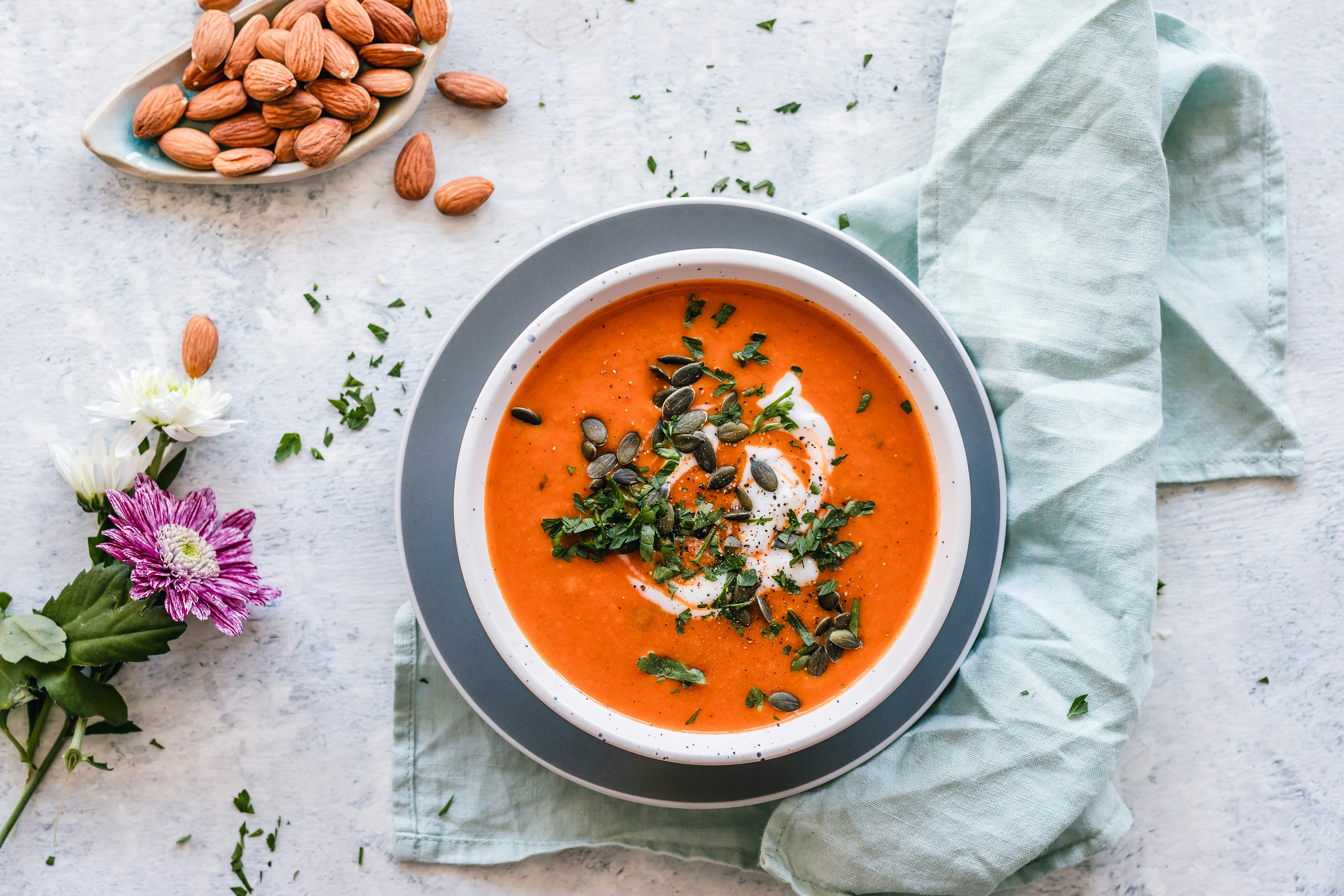
Another useful concept is "volume eating." Because plant foods like leafy greens and cruciferous vegetables are lower in calories but high in fiber, you can eat significantly larger portions to feel satisfied. This helps you stay full and energized throughout the day.
8. Embrace Progress, Not Perfection
Finally, remember that the goal of your vegan transition is health and sustainability, not a perfect record. If you accidentally eat something containing dairy or choose to have a non-vegan meal at a special event, do not view it as a failure. One of the best tips for going vegan is to maintain emotional resilience.
The impact of your choices is cumulative. Whether you are motivated by animal welfare, environmental concerns, or personal health, every plant-based meal makes a difference. Evidence supports the safety and efficacy of this lifestyle for all ages; for instance, large-scale studies have shown that well-planned plant-based diets are appropriate even for children and athletes. Focus on the positive changes you feel in your energy levels and digestion, and let that be your motivation to keep going.
FAQ
How do I start transitioning to a vegan diet?
The most successful way to start is by taking a gradual approach. Begin by replacing one meal a day with a plant-based option or implementing Meatless Mondays. Focus on "crowding your plate" with whole foods like legumes, grains, and vegetables to naturally displace animal products while ensuring you stay full and satisfied.
Is it better to go vegan gradually or all at once?
This depends on your personality, but for most people, a gradual transition is more sustainable. It allows your palate to adjust, your digestive system to handle increased fiber, and gives you time to learn new cooking skills and find plant-based alternatives you actually enjoy, reducing the feeling of being overwhelmed.
What supplements are necessary for a vegan transition?
Vitamin B12 is the most critical supplement because it is not reliably found in plant foods. New vegans should also monitor their intake of Vitamin D, Omega-3 fatty acids, and iodine. While many nutrients can be found in fortified foods, consulting a healthcare professional for a blood test can help determine your specific needs.
How can I stay full on a vegan diet?
To maintain satiety, focus on fiber and protein. Incorporating legumes, tofu, nuts, and seeds into every meal will provide the protein needed for fullness. Additionally, practicing "volume eating" by consuming large portions of low-calorie, high-fiber vegetables can help you feel physically full without feeling heavy.
How do I handle social situations during a vegan transition?
Preparation is the best strategy for social anxiety. Eat a small snack before attending events where food might be limited, or offer to bring a vegan dish to share. Use restaurant-finding apps to suggest venues with plant-based options, and approach conversations with friends and family with a positive, flexible attitude.