Quick Facts
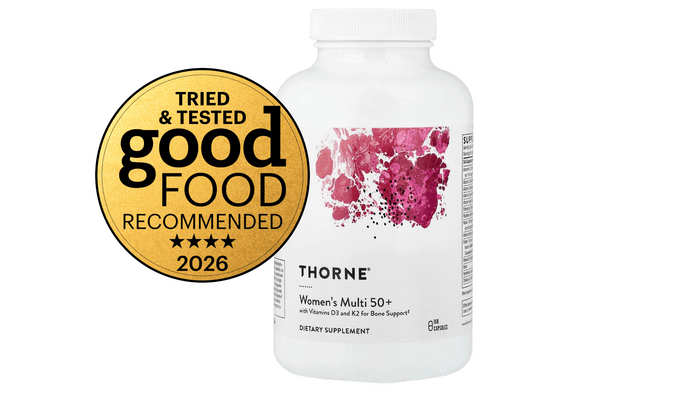
- Top Overall: Thorne (NSF for Sport and TGA Certified)
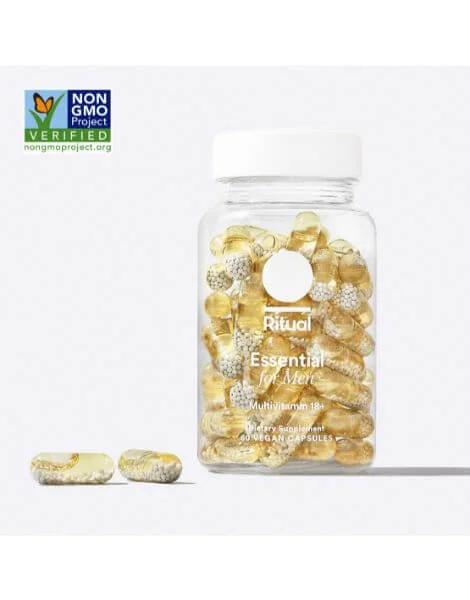
- Best for Traceability: Ritual (Clean Label Project and USP Verified)
- Best for Performance: Transparent Labs (Informed Choice Certified)
- Market Insight: Multivitamins account for 43% of the global vitamin supplements market as of 2024.
- Essential Metric: Always check for third-party certifications like NSF or USP to ensure label accuracy.
- Direct Answer: The most reliable way to select a supplement is to prioritize third-party tested multivitamins that offer full ingredient transparency.
Identifying the best multivitamin brands involves evaluating label transparency, ingredient quality, and third-party testing. Top-rated brands for 2026 include Thorne, Transparent Labs, and Ritual, which are recognized for their rigorous manufacturing standards and potency. Thorne specifically stands out for its NSF and TGA-certified facilities, making it a preferred choice for both general wellness and professional athletes.
The Reality of Supplement Regulation in 2026
When you walk down the supplement aisle, it is easy to assume that every bottle on the shelf has been vetted for safety and efficacy by a federal agency. However, the reality of the industry is quite different. In the United States, the FDA does not approve dietary supplements for safety or effectiveness before they are marketed. This regulatory gap places the burden of quality control entirely on the manufacturer, which is why discerning the best multivitamin brands requires a deeper look into corporate practices rather than just reading the marketing claims on the front of the bottle.
The scale of this industry is massive. Approximately 31.5% of adults in the United States report taking a multivitamin-mineral supplement. This widespread usage has fueled a global vitamin supplements market that was valued at an estimated $51.68 billion in 2024, with the multivitamin segment accounting for nearly half of that revenue. With so much capital at stake, some brands prioritize profit over purity, leading to products that may contain heavy metals, unlisted fillers, or nutrient levels that do not match the label.
As a nutrition editor, my philosophy is always food first. However, we must acknowledge that dietary deficiencies can persist due to soil depletion, restrictive diets, or busy lifestyles. When a supplement is necessary, the goal is to find one that bridges the gap without introducing unnecessary risks. This starts with understanding how to verify multivitamin label transparency and recognizing the importance of a GMP Certified Facility.
Our Vetting Process: How We Ranked the Best Multivitamin Brands
To provide a truly expert buyer's guide, we moved beyond taste and price to develop a rigorous evaluation rubric. Choosing a high-quality multivitamin brand is not about who has the best social media presence; it is about who subjects their products to the most intense scrutiny. We evaluated dozens of companies based on three primary pillars:
- Third-Party Verification: This is non-negotiable. Third-party certifications from organizations such as USP and NSF International verify that supplement labels accurately reflect product contents and ensure the products are free from harmful levels of contaminants.
- Ingredient Sourcing: We look for brands that specify the origin of their raw materials. This includes a preference for non-GMO ingredients and those free from synthetic dyes or common allergens like soy and gluten.
- Formulation Science: The best third-party tested multivitamin brands 2026 utilize active forms of vitamins that the body can actually use, rather than cheaper, synthetic alternatives.
When searching for the best multivitamin brands, we specifically looked for those that invest in Heavy Metal Testing and Purity and Potency audits for every batch produced. Our ranking reflects companies that are transparent about their failures as much as their successes, often providing a Certificate of Analysis (CoA) upon request.
Understanding Ingredient Quality: Bioavailability Matters
One of the most common mistakes consumers make is assuming that 100mg of one vitamin is the same as 100mg of another. In the world of nutrition science, Bioavailability is the king of metrics. It refers to the proportion of a nutrient that enters the circulation and is able to have an active effect. Many budget-friendly brands use synthetic forms of vitamins that are poorly absorbed or require the liver to perform complex conversions before they become useful.
For example, when examining a label, you should look for Methylated Folate (5-MTHF) rather than synthetic folic acid. Many individuals have a genetic variation (MTHFR) that prevents them from efficiently converting folic acid, making the methylated form essential for proper cellular function. Similarly, we look for Chelated Minerals—minerals bound to amino acids—which are much easier on the digestive system and more readily absorbed than mineral salts like magnesium oxide.
Nutrient Density is another factor. A high-quality supplement should provide meaningful doses without crossing into the territory of toxicity. We are particularly cautious about high doses of fat-soluble vitamins (A, D, E, and K), which the body stores in fatty tissue and can reach dangerous levels if over-consumed. Clean label multivitamin brands without synthetic fillers will often have shorter ingredient lists in the other ingredients section, avoiding compounds like titanium dioxide or hydrogenated oils.
Best Multivitamin Brands 2026: The Top Picks
Based on our rubric of purity, potency, and scientific formulation, the following multivitamin brand comparison highlights the industry leaders for 2026.
| Brand | Key Certification | Daily Cost | Best For |
|---|---|---|---|
| Thorne | NSF / TGA Certified | $0.90 - $1.20 | Clinical Potency |
| Ritual | USP / Clean Label Project | $1.10 - $1.30 | Traceability |
| Transparent Labs | Informed Choice | $0.80 - $1.00 | Clean Ingredients |
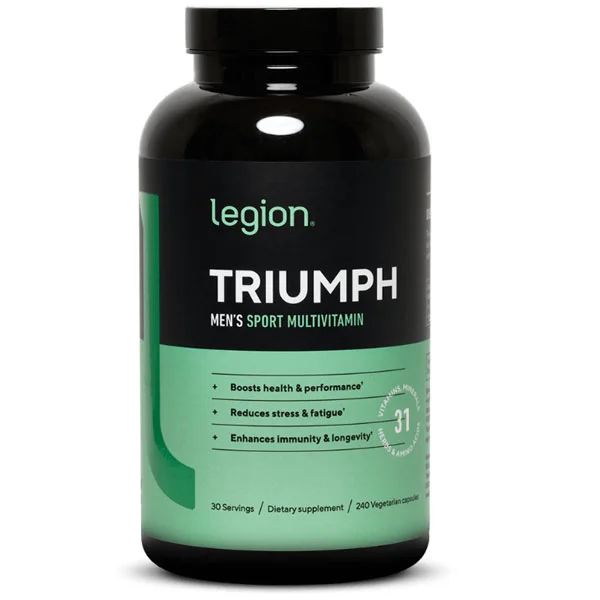
| Legion | Labs Tested | $1.00 - $1.40 | Athletes & Performance |
| NOW Foods | UL / GMP Certified | $0.20 - $0.40 | Budget-Conscious |
Thorne remains the gold standard for clinical-grade supplements. Their commitment to a GMP Certified Facility that is also TGA (Therapeutic Goods Administration) certified—a much higher standard than US requirements—ensures that their top-rated multivitamin supplements are of the highest pharmaceutical quality.
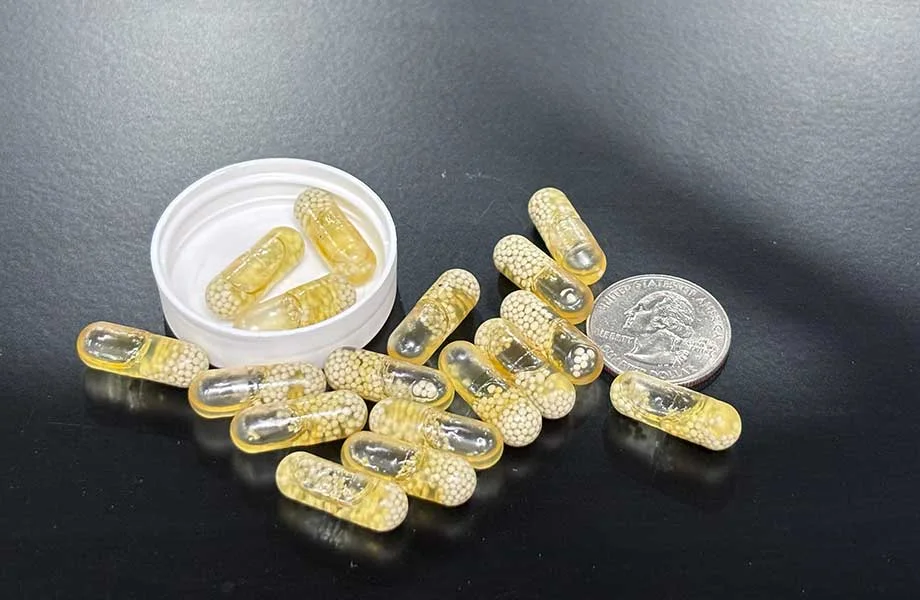
For those who want to know exactly where every nutrient comes from, Ritual offers an industry-leading traceability map. They focus on a clean label multivitamin brands without synthetic fillers approach, using a unique beadlet-in-oil technology to keep fat-soluble and water-soluble nutrients stable in a single capsule.
In the realm of multivitamin brand comparison for athletes, Transparent Labs and Legion stand out. They focus on performance-supporting micronutrients and clinical dosing that supports high metabolic demands without banned substances. These are best for those who need higher levels of B-vitamins and antioxidants to combat training-induced oxidative stress. If you are looking for best personalized multivitamin brands for specific needs, many of these companies now offer tailored formulas for prenatal care, men over 50, or post-menopausal women to ensure the nutrient ratios match life-stage requirements.
FAQ
What should I look for when choosing a high-quality multivitamin?
You should prioritize third-party certifications from organizations like NSF, USP, or Informed Choice. These seals confirm that the product contains what is listed on the label and is free from contaminants. Additionally, check for bioavailable forms of nutrients, such as methylcobalamin instead of cyanocobalamin for Vitamin B12, and chelated minerals for better absorption.
Which multivitamin brands are third-party tested for purity?
Thorne, Ritual, Transparent Labs, Garden of Life, and Pure Encapsulations are among the leaders in third-party testing. These brands frequently use independent laboratories to verify their purity and potency, often providing batch-specific data to consumers to ensure safety and transparency.
How can I tell if a multivitamin brand is reputable?
A reputable brand will be transparent about its manufacturing processes and ingredient sourcing. Look for companies that manufacture in a GMP Certified Facility and are willing to provide a Certificate of Analysis for their products. Avoid brands that use proprietary blends, as these often hide the actual dosages of the ingredients.
What ingredients should I avoid in multivitamin supplements?
Avoid supplements that contain artificial colors (like Red 40 or Blue 2), titanium dioxide, and hydrogenated oils. You should also be wary of excessive fillers like talc or magnesium stearate if you have a sensitive digestive system. Lastly, steer clear of brands that include sugar or high-fructose corn syrup in non-gummy formulations.
Do I really need to take a daily multivitamin?
Not everyone needs a multivitamin. If you consume a diverse, nutrient-dense diet consisting of whole foods, you may already meet your daily requirements. However, multivitamins can be beneficial for those with specific dietary restrictions, metabolic conditions, or life stages (such as pregnancy) where nutrient demands are significantly higher.
Final Checklist: Buying With Confidence
Before you make your next purchase, use this three-step checklist to ensure you are investing in your health rather than wasting money on ineffective fillers.
- Search for the Seal: Look for the NSF, USP, or Informed Choice logo on the bottle. If it is not there, visit the brand’s website to see if they publish third-party lab results. This is the only way to verify the presence of Heavy Metal Testing and ensure the product is free from contaminants.
- Scrutinize the "Other Ingredients": High-quality brands keep this list short. If you see a long list of chemical names, stabilizers, and dyes, it is a sign that the manufacturer prioritized shelf-life and aesthetics over purity.
- Check the Dose vs. the RDA: Ensure the vitamin does not provide excessive amounts of fat-soluble vitamins unless specifically directed by a healthcare provider. A good multivitamin should bridge a gap, not create a surplus that the body must work to filter out.
By focusing on bioavailability and manufacturing standards, you can move past the marketing hype and choose a supplement that truly supports your long-term wellness goals.