Quick Facts
- Primary Benefit: GLP-1 receptor agonists show a 17% overall reduction in the risk of developing obesity-associated cancers.
- Cancer Specifics: Research indicates a 59% lower risk for pancreatic cancer and a 65% lower risk for gallbladder cancer compared to insulin.
- Survival Rates: Colon cancer patients using these medications were less than half as likely to die within five years compared to those not on the drug.
- Mechanism of Action: The drugs work by reducing body mass and directly reprogramming immune cells to fight chronic inflammation.
- Women's Health: Evidence suggests a 20% reduction in all-cause mortality for women using semaglutide for weight management.
- Comprehensive Coverage: These medications provide protective benefits against at least 13 different types of obesity-related malignancies.
Recent research indicates that Ozempic and similar GLP-1 medications significantly lower the risk of obesity-related malignancies by improving metabolic health and reducing adipose tissue. By addressing chronic inflammation and improving insulin sensitivity, these drugs can prevent at least 13 types of cancer, including colorectal and gastric cancers, while potentially doubling survival rates in certain patient populations.
How It Works: Metabolic Health vs. Direct Protection
In preventive medicine, we often talk about the ripple effect. When you improve one aspect of your health, the benefits cascade through your entire system. For years, Ozempic and its sister medications were viewed primarily through the lens of glucose control and weight management. However, we are now entering an era where we view semaglutide long-term health benefits as a cornerstone of preventive oncology. The protection offered by these medications isn't just a side effect of losing weight; it is a fundamental shift in how the body handles metabolic stress.
The primary driver here is the reduction of adipose tissue, which most of us simply call body fat. Adipose tissue is not just stored energy; it is an active endocrine organ. When in excess, it pumps out pro-inflammatory cytokines that create a state of permanent, low-grade chronic inflammation. This environment is the perfect breeding ground for DNA damage and tumor growth. By shrinking these fat stores, GLP-1 medications effectively "cool down" the body's internal environment.
Beyond weight loss, researchers are uncovering a fascinating process called macrophage polarization. This is essentially immune-cell reprogramming. The medication helps move the body's immune cells from a pro-inflammatory state to an anti-inflammatory, "repair" state. This shift improves insulin sensitivity and allows the immune system to better detect and destroy early-stage malignant cells before they can form a tumor.

Targeted Protection: The 13 Obesity-Related Cancers
While the overall trend is positive, the data regarding specific types of cancer is even more compelling. The link between excess weight and cancer is well-documented, particularly for organs in the digestive tract and the endocrine system. For those concerned about Ozempic cancer risk, the evidence increasingly points toward a massive net benefit in cancer prevention rather than a risk.
In a landmark study involving 1.6 million patients, those using GLP-1 receptor agonists like semaglutide experienced a 59% lower risk of pancreatic cancer and a 65% lower risk of gallbladder cancer when compared to patients treated with insulin. These are some of the most difficult-to-treat cancers, making these preventive statistics a major breakthrough in clinical oncology.
The protective effects extend across a wide range of malignancies:
| Cancer Type | Risk Reduction Statistic |
|---|---|
| Gallbladder Cancer | 65% reduction compared to insulin users |
| Pancreatic Cancer | 59% reduction compared to insulin users |
| Colorectal Cancer | 16% reduction in incidence |
| Overall Obesity-Related Cancers | 17% overall reduction |
| Hematologic Malignancies | 54% reduction compared to insulin users |
The impact on colon health is particularly striking. An observational study of over 6,800 patients revealed that colon cancer patients taking GLP-1 drugs had a mortality rate of 15.5% compared to 37.1% for those not using the medication. This suggests that even if cancer does develop, the metabolic environment created by these drugs might make the disease less lethal.
For women, reducing obesity-related cancer risk is especially relevant for post-menopausal breast cancer and endometrial cancer. Both of these are heavily influenced by estrogen produced in adipose tissue. By managing weight and improving metabolic health, Ozempic and colon cancer prevention benefits are joined by significant protection for the reproductive system.

Safety Profile: Addressing Thyroid and Pancreatic Concerns
As an editor focused on preventive care, I believe in addressing safety concerns with complete transparency. You may have seen headlines or "black box" warnings regarding thyroid cancer and GLP-1 medications. It is important to contextualize this. The initial warnings were based on studies in rat models, which have a much higher density of GLP-1 receptors in their thyroid glands than humans do.
In human clinical trials and large-scale real-world data, the link to thyroid cancer has been difficult to replicate. Many experts believe that any slight increase in reported cases is due to "detection bias." This means that because patients on Ozempic are under closer medical supervision and undergo more frequent screenings, their doctors are simply more likely to find small, pre-existing thyroid nodules that would have otherwise gone unnoticed.
When considering the safety of Ozempic for patients with history of cancer, the conversation usually shifts toward the endocrine system and pancreatic safety. While early concerns about pancreatitis existed, long-term surveillance hasn't shown a significant increase in risk for the general population. In fact, for many cancer survivors—especially those who have successfully completed treatment for breast cancer—the metabolic benefits of semaglutide often outweigh the theoretical risks.
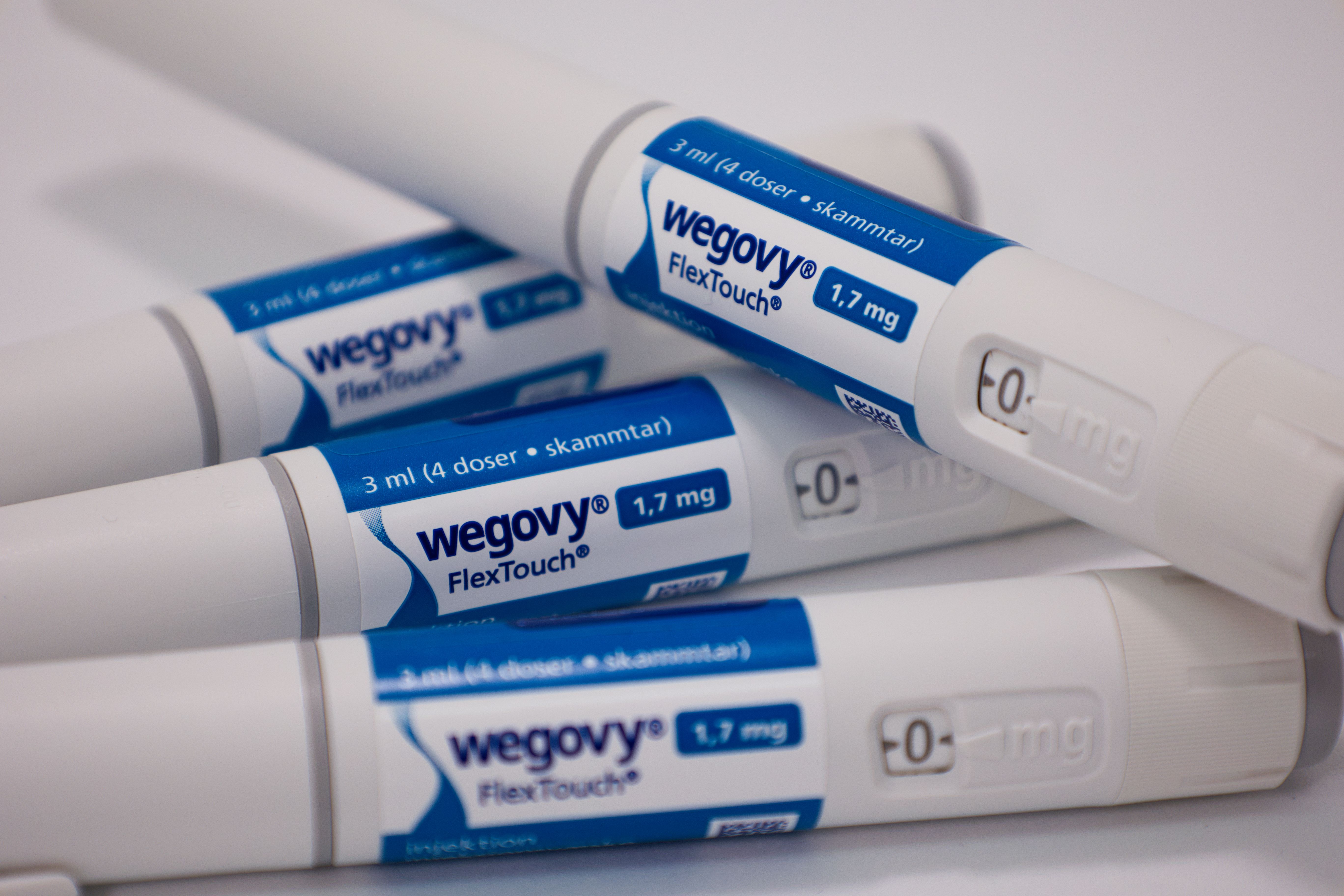
If you are evaluating Wegovy vs Ozempic for reducing cancer risk, it is worth noting that they contain the same active ingredient, semaglutide. The primary difference lies in the FDA-approved indication and the dosage. Both appear to provide the same metabolic advantages that lead to long-term cancer prevention with GLP-1 medications.

Clinical Outlook: Who Should Take Ozempic for Prevention?
Deciding who should take Ozempic for cancer risk reduction is a nuanced conversation that must happen between a patient and their healthcare provider. Current FDA criteria typically require a BMI of 30 or higher, or a BMI of 27 or higher with at least one weight-related comorbidity. However, in the context of preventive oncology, we are starting to look at patients with high metabolic risk even if they don't meet traditional obesity markers.
When discussing this with your doctor, here are a few questions to ask about Ozempic and cancer prevention:
- Given my family history of colorectal or gastric cancer, would a GLP-1 medication provide significant preventive benefits?
- How does my current metabolic health, specifically my insulin sensitivity, factor into my overall cancer risk?
- Are there specific therapeutic efficacy markers we should monitor beyond just the number on the scale?
It is vital to remember that these medications are not a replacement for a healthy lifestyle; they are a powerful tool to be used alongside one. A high-fiber diet, regular physical activity, and adequate sleep remain the foundation of any cancer prevention strategy. The medication simply helps the body respond more effectively to those healthy choices. For those currently undergoing chemotherapy or other active treatments, the use of Ozempic must be carefully managed to ensure it doesn't interfere with nutritional needs or the body's immune response during treatment.
FAQ
Does Ozempic cause thyroid cancer?
Current human data does not show a definitive causal link between Ozempic and thyroid cancer. While warnings exist based on rodent studies, large-scale human observational studies suggest that any increase in detected cases may be due to more frequent medical check-ups and screenings for patients using the drug.
Is there a link between Ozempic and pancreatic cancer?
Recent large-scale research actually suggests the opposite. A study involving 1.6 million patients found that those using GLP-1 agonists like Ozempic had a 59% lower risk of developing pancreatic cancer compared to those using insulin. These medications appear to improve pancreatic health by reducing chronic inflammation and metabolic stress.
Can people with a history of cancer take Ozempic?
Many cancer survivors use Ozempic safely, particularly for managing weight gain associated with certain treatments like hormonal therapy for breast cancer. However, this is a highly individualized decision. Patients should consult their oncologist to ensure the medication aligns with their specific medical history and ongoing health monitoring.
How safe is Ozempic for long-term use?
Ozempic and other GLP-1 medications have been used for nearly two decades in the treatment of type 2 diabetes, providing a significant track record of safety. For long-term use, the focus is on maintaining muscle mass and ensuring proper nutrient absorption, which is why a holistic lifestyle approach is always recommended alongside the medication.
What are the common risk factors when taking Ozempic?
The most common side effects are gastrointestinal, including nausea, vomiting, and constipation. More serious but rare risks include gallbladder problems and pancreatitis. It is essential to work with a healthcare provider to monitor your body's response and ensure the benefits to your metabolic health and cancer risk profile outweigh these potential side effects.