Quick Facts
- Weight Loss Edge: In a 12-week randomized controlled trial, CGM users lost an average of 5.5 kg compared to just 0.2 kg in a standard diet group.
- Metabolic Engine: Skeletal muscle is responsible for roughly 80% of your body's glucose uptake during and after meals.
- The Tight Range: For optimal metabolic health, aim for a Time in Tight Range (TITR) between 70-140 mg/dL throughout the day.
- Accuracy Standard: High-quality wearable sensors are measured by MARD scores; look for devices with a score of 8.2% or lower for the best precision.
- Primary Goal: The focus of tracking is to improve insulin sensitivity and weight management by reducing daily glycemic variability.
Tracking blood sugar is a powerful secret for easier weight loss because it identifies glucose spikes that trigger insulin, the hormone that promotes fat storage and inhibits lipolysis. By maintaining stable levels through glucose monitoring, individuals can improve their insulin sensitivity and metabolic flexibility, allowing the body to burn fat more efficiently for energy instead of storing it as adipose tissue.
The Biology of Fat Loss: Insulin vs. Lipolysis
To understand why blood sugar weight loss is such an effective strategy, we have to look at the hormonal environment of the body. When we eat carbohydrates, our blood glucose rises. In response, the pancreas releases insulin. While insulin is necessary for life, it is often called the fat-storage hormone. When insulin levels are high, the body is in an anabolic state—it is building and storing. Crucially, high insulin levels inhibit lipolysis, which is the process of breaking down stored fat to be used as fuel.
The challenge for many people struggling with weight is that they carry excess visceral fat. This is the deep fat stored around the organs, and it acts almost like an independent endocrine organ. Visceral fat secretes pro-inflammatory cytokines, such as TNF-α, which can lead to systemic inflammation and drive insulin resistance. When you are insulin resistant, your cells don't respond efficiently to the hormone, causing the pancreas to pump out even more insulin to keep blood sugar stable. This creates a vicious cycle where fat burning is effectively "locked," and weight loss becomes an uphill battle despite calorie restriction.
By learning how to identify glucose spikes that stall weight loss, you can intervene in this cycle. Reducing the frequency and height of these spikes lowers the total amount of insulin your body needs to produce. This shift allows the body to access its fat stores more readily, improving your metabolic flexibility—the ability to switch between burning glucose and burning fat based on availability.
The Behavioral Mirror: How to Use Glucose Monitoring for Weight Loss
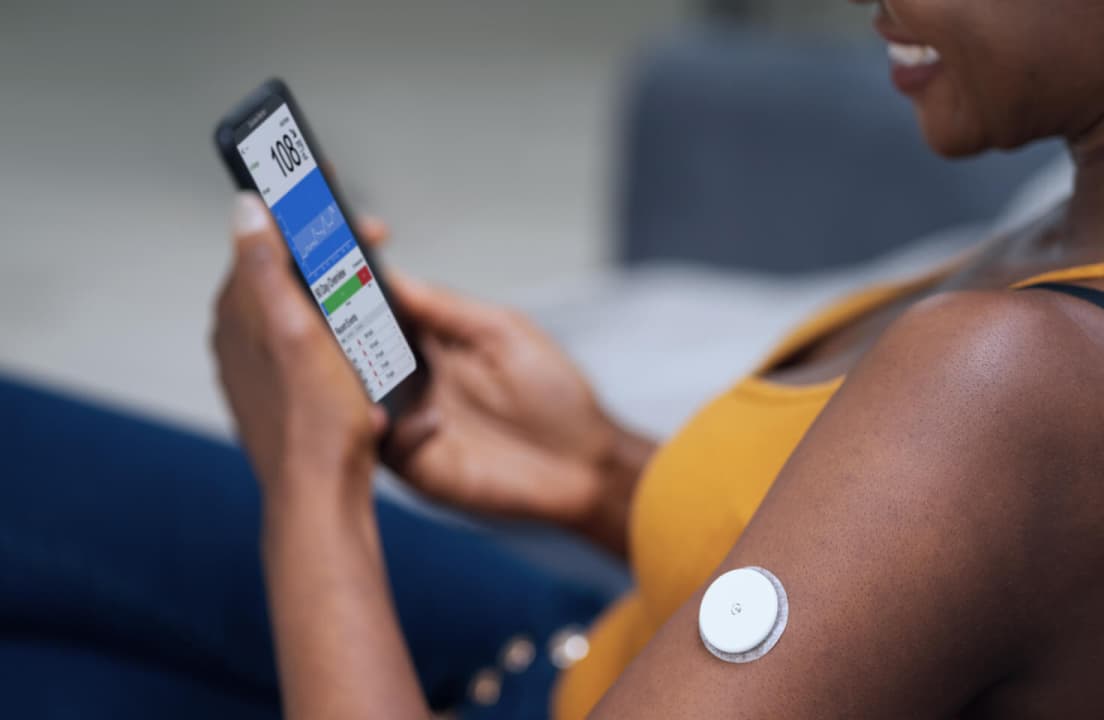
For years, blood sugar tracking was reserved for those managing chronic conditions like diabetes. However, the advent of over the counter CGM technology has changed the landscape. For a healthy individual or someone with prediabetes, a glucose monitor acts as a behavioral mirror. It provides an immediate, objective feedback loop that connects what you just ate to what is happening inside your body.
One of the most important metrics to watch is Time in Range (TIR). While the standard clinical range is often broad, those focusing on metabolic health should aim for a tighter range to minimize glycemic variability. Research has shown that even a 5% increase in TIR can be clinically meaningful for health outcomes. In a 12-week randomized controlled trial involving 35 women with overweight or obesity, those using a continuous glucose monitor lost an average of 5.5 kg, while the control group on a standard diet lost only 0.2 kg.
The psychology of this data cannot be overstated. When a user sees a sharp spike after eating a "healthy" granola bar, it provides the motivation to change that specific habit. This was echoed in a randomized clinical trial of individuals with prediabetes, where those using glucose monitoring alongside personalized nutrition achieved more than double the weight loss and fat reduction of a control group over just 30 days. However, it is important to note that tracking alone is a tool, not a cure; a meta-analysis of 23 studies found that while CGM use improved mean blood glucose levels, it did not always result in a statistically significant difference in BMI compared to control groups without dietary intervention.
Eating for Stability: Macronutrient Pairing and Habits
The key to successful glucose monitoring for weight loss is not necessarily eliminating carbohydrates, but rather changing the context in which they are consumed. This is where the concept of macronutrient pairing comes in. When you eat a carbohydrate in isolation—like a piece of fruit or a slice of bread—the glucose is absorbed rapidly, leading to a spike.
To stabilize these levels, you should always "clothe" your carbs with fiber, protein, or healthy fats. This combination slows the gastric emptying process and the subsequent absorption of sugar into the bloodstream. For example, instead of an apple alone, pair it with almond butter. Instead of plain white rice, ensure it is served with a generous portion of fibrous vegetables and a lean protein source.
Strategic Habits for Glucose Control
- Muscle as a Glucose Sponge: Since skeletal muscle handles the vast majority of post-meal glucose uptake, use it to your advantage. Simple post meal habits to lower blood sugar for weight loss include a 10-15 minute light walk immediately after eating. This "clears" the glucose from your blood without requiring a massive insulin surge.
- The Fructose Pitfall: Be aware that fructose (found in high-fructose corn syrup and fruit juices) does not cause a significant immediate glucose spike, but it is processed exclusively in the liver. Excessive fructose consumption can drive fatty liver and insulin resistance, even if your glucose monitor looks stable in the short term.
- Meal Sequencing: Research suggests that eating your vegetables and protein before your starches can significantly lower the postprandial glucose response.
Hardware Guide: Choosing an Over the Counter CGM for Metabolic Health
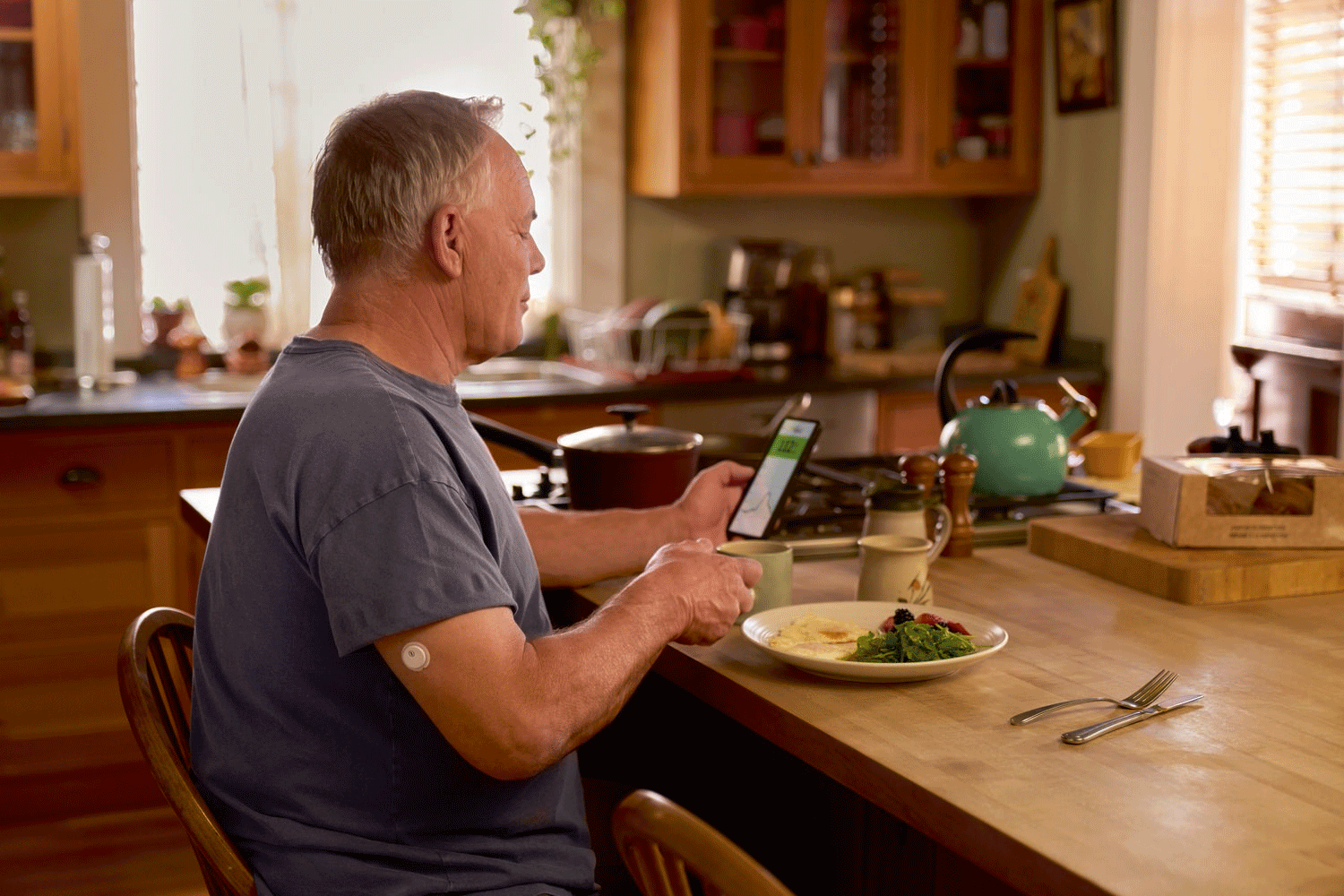
Until recently, getting a CGM required a prescription and a diagnosis. Today, several devices are FDA-cleared for over-the-counter use for those interested in biohacking and metabolic health. When choosing an over the counter CGM for metabolic health, the two primary names you will encounter are Dexcom and Abbott (Libre).
The Dexcom Stelo is specifically designed for non-insulin users and focuses on metabolic insights rather than clinical alarms. If you are looking for the highest precision, you should compare the Mean Absolute Relative Difference (MARD) scores. A lower MARD score indicates higher accuracy. For instance, the Dexcom G7 has a MARD of approximately 8.2%, making it one of the most accurate sensors on the market.
| Feature | Dexcom Stelo | Dexcom G7 | Freestyle Libre 3 |
|---|---|---|---|
| Primary Use | Metabolic Health (Non-insulin) | Medical Management | Medical Management |
| Sensor Life | 15 Days | 10 Days (+12h grace) | 14 Days |
| MARD Score | ~9.0% | 8.2% | 7.9% |
| Calibration | Factory Set | Optional Manual | Factory Set |
| Prescription | No (OTC) | Yes | Yes |
While these devices are transformative, users should be aware of potential skin sensitivities. Some individuals develop a reaction to isobornyl acrylate (IBOA), a common adhesive component. If you have sensitive skin, using a barrier film or a different adhesive patch can help you maintain your tracking routine without irritation. Improving insulin sensitivity for weight management tips often starts with consistent data, so finding a wearable you can tolerate comfortably is essential.
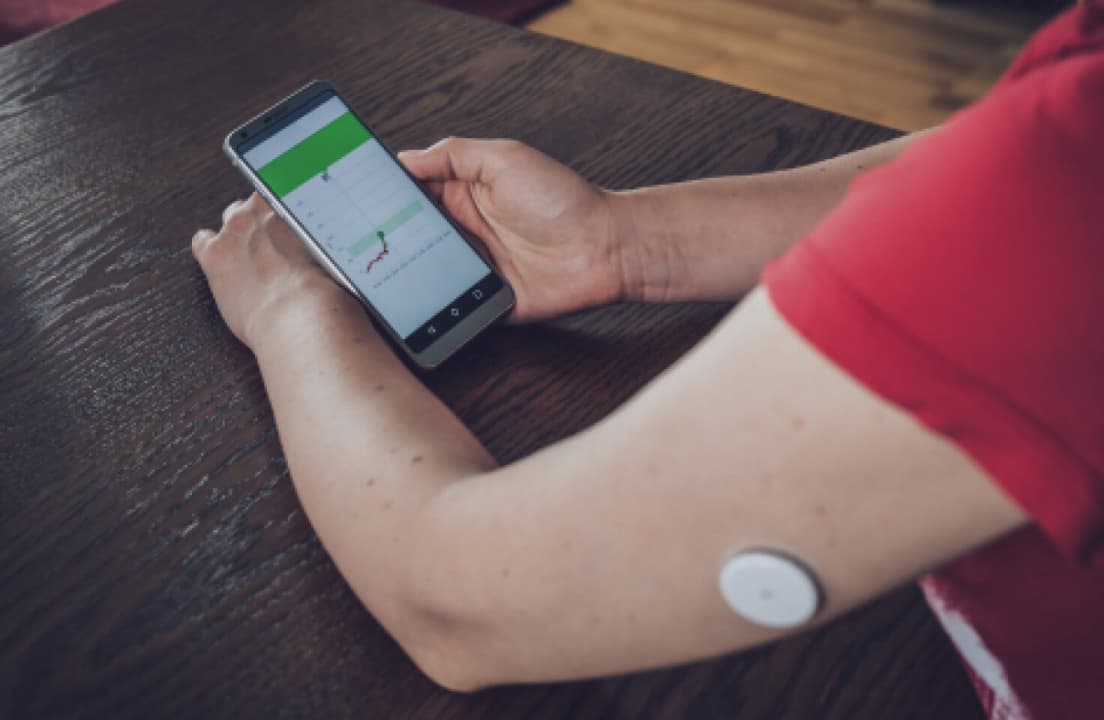
For those who are committed to long-term monitoring and want to avoid the "attach and replace" cycle of standard wearables, there are also implantable options. These provide continuous data for months at a time, offering a permanent window into your metabolic health and supporting sustained weight management.

FAQ
Does blood sugar affect weight loss?
Yes, blood sugar levels directly impact the release of insulin. High blood sugar causes insulin spikes, which signal the body to store energy as fat and prevent the breakdown of existing fat cells through a process called lipolysis. Maintaining stable blood sugar helps keep insulin low, making it easier for the body to access fat stores for fuel.
How can I lower my blood sugar to lose belly fat?
Lowering blood sugar to target belly fat involves a combination of diet and movement. Focus on blood sugar stabilizing foods like non-starchy vegetables, lean proteins, and healthy fats. Additionally, engage in light activity like walking after meals to help your muscles soak up excess glucose, reducing the insulin response that typically promotes visceral fat storage.
Can insulin resistance prevent weight loss?
Insulin resistance can make weight loss significantly more difficult. When your cells are resistant, your body must produce higher levels of insulin to manage blood sugar. These chronically elevated insulin levels keep the body in "storage mode," making it nearly impossible to burn fat even if you are eating at a calorie deficit.
Does stabilizing blood sugar reduce cravings?
Absolutely. Cravings are often the result of "glucose rollercoasters"—sharp spikes followed by rapid crashes. When blood sugar crashes (hypoglycemia), the brain signals an urgent need for quick energy, usually in the form of sugar or refined carbs. By smoothing out these fluctuations, you can maintain steadier energy levels and significantly reduce the urge to snack.
How do I know if my blood sugar is preventing weight loss?
Signs that blood sugar issues might be stalling your progress include frequent "energy crashes" after meals, persistent cravings for sweets, difficulty losing weight despite exercise, and carrying excess weight specifically around the midsection. Using a glucose monitor can provide definitive data on whether you are experiencing the spikes and crashes associated with metabolic dysfunction.
The Path to Metabolic Flexibility
Using blood sugar weight loss strategies isn't about perfection; it’s about awareness. By utilizing tools like CGMs and focusing on the timing and pairing of your meals, you can take control of your metabolic health. The data provided by these sensors serves as a guide, helping you navigate the complex world of nutrition with evidence-based insights tailored to your unique biology. Whether you are looking to lose those last ten pounds or reverse a trend of insulin resistance, stabilizing your glucose is a foundational step toward a healthier, more flexible metabolism.