Quick Facts
- Nutritional Profile: High in dietary fiber, iron, and B-vitamins to support energy levels and digestive health.
- Dietary Status: Naturally gluten-free, dairy-free adaptable, and free from refined sugars.
- Prep Time: 10 minutes of active preparation plus a recommended 30-minute batter rest.
- Cook Time: 20 minutes for roasting figs and approximately 2 minutes per crepe.
- Flavor Profile: A complex balance of nutty flavor from the buckwheat, citrus brightness, and caramelized honey sweetness.
Discover the perfect nutritious breakfast crepes with our buckwheat crepes recipe. Paired with caramelized honey baked figs and shredded coconut, this meal is a powerhouse of fiber and B-vitamins that keeps you satiated throughout the morning. To make buckwheat crepes from scratch, blend buckwheat flour, milk, eggs, orange zest, and melted coconut oil until the batter reaches the consistency of thick pouring cream. Stir in desiccated coconut and pour a thin layer into a preheated, oiled non-stick skillet. Cook for one to two minutes until golden, then flip to cook the other side for an additional minute.
Why Buckwheat? The Nutrition Behind the Nutty Flavor
As a nutrition editor, I am frequently asked how to upgrade traditional breakfast staples into functional meals that support long-term wellness. Transitioning from refined wheat flour to buckwheat flour is one of the most effective strategies for increasing the nutrient density of your morning meal. Despite its name, buckwheat is not a type of wheat; it is a pseudocereal, a seed that is harvested from a flowering plant related to rhubarb. This makes it an essential ingredient for any gluten-free crepe recipe.
From a science-based perspective, buckwheat is a nutritional powerhouse. It is exceptionally rich in B-vitamins, which are critical for converting food into cellular energy, and minerals like magnesium and iron. When you choose buckwheat crepes over traditional white flour versions, you are also significantly increasing your intake of dietary fiber. This helps regulate blood sugar response, preventing the "mid-morning crash" often associated with high-carbohydrate breakfasts.
It is important to distinguish between raw buckwheat flour and kasha. Raw buckwheat has a mild, earthy, and slightly nutty flavor that serves as a perfect canvas for sweet or savory toppings. Kasha, however, is made from toasted buckwheat groats and possesses a much stronger, more pungent aroma that may overwhelm a delicate crepe. For this recipe, stick to raw flour to achieve that light, elegant finish.
The health benefits of this dish are further amplified by the inclusion of coconut and figs. Shredded coconut meat is a significant source of essential minerals, with an 80-gram serving providing 60% of the daily value for manganese and 44% for copper. Manganese is vital for bone health and the metabolism of carbohydrates and cholesterol. Meanwhile, the addition of fresh figs introduces a unique texture and a concentrated source of polyphenols.
Preparation Track 1: Sticky Honey Baked Figs
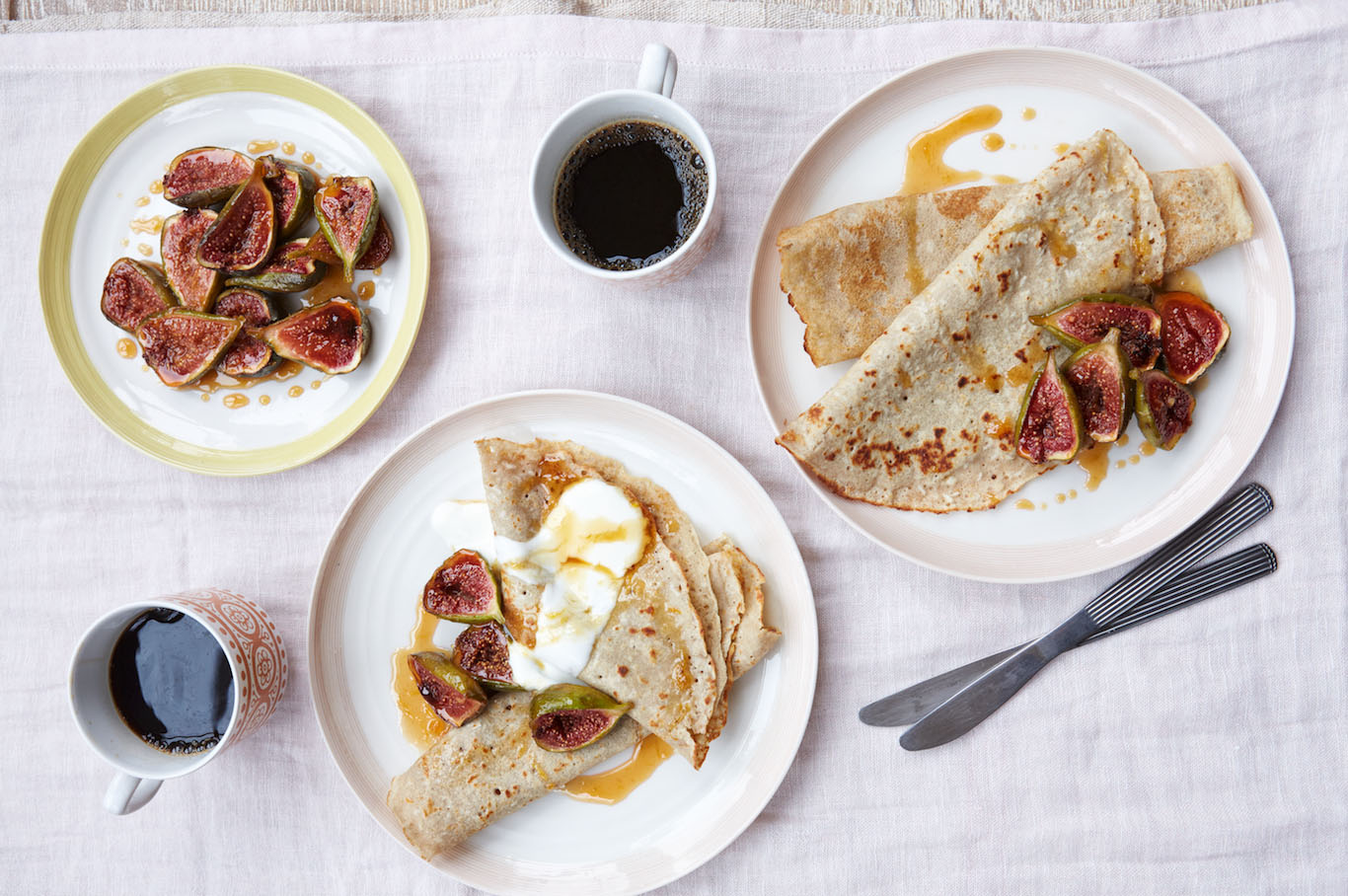
The true magic of this nutritious breakfast crepes with honey baked figs recipe lies in the contrast between the warm, caramelized fruit and the earthy crepes. Roasting figs transforms their texture from soft to jam-like, intensifying their natural sugars without the need for excessive syrups.
To begin, preheat your oven to 200°C (400°F). While the oven reaches temperature, prepare the fruit. Fresh figs are a nutrient-dense fruit, with three medium figs providing approximately 4 grams of dietary fiber, which accounts for about 14% of the daily recommended value. This fiber is essential for maintaining a healthy gut microbiome.
Wash the figs and cut them in half lengthwise. Place them in a small roasting pan, cut-side up. In a small bowl, whisk together two tablespoons of honey and the juice of one large orange. If you prefer a more herbal note, you can add a few sprigs of fresh thyme or a pinch of orange zest to the liquid. Drizzle this mixture over the figs, ensuring each piece is well-coated.
Bake the figs for approximately 20 minutes. The goal is for the honey and orange juice to reduce into a sticky glaze that bubbles around the fruit. Halfway through the cooking time, practice a quick basting technique: use a spoon to scoop the juices from the bottom of the pan and pour them back over the figs. This ensures they remain moist and develop a deep, golden hue. Once they are tender and slightly collapsed, remove them from the oven and set them aside. These honey baked figs will provide a natural, mineral-rich sweetness to your final dish.
Preparation Track 2: The Ultimate Buckwheat Batter
Creating a gluten free buckwheat crepes with shredded coconut batter requires a slightly different approach than working with wheat-based batters. Buckwheat is highly absorbent, meaning the hydration level is critical for achieving a delicate, thin texture rather than a thick, pancake-like consistency.
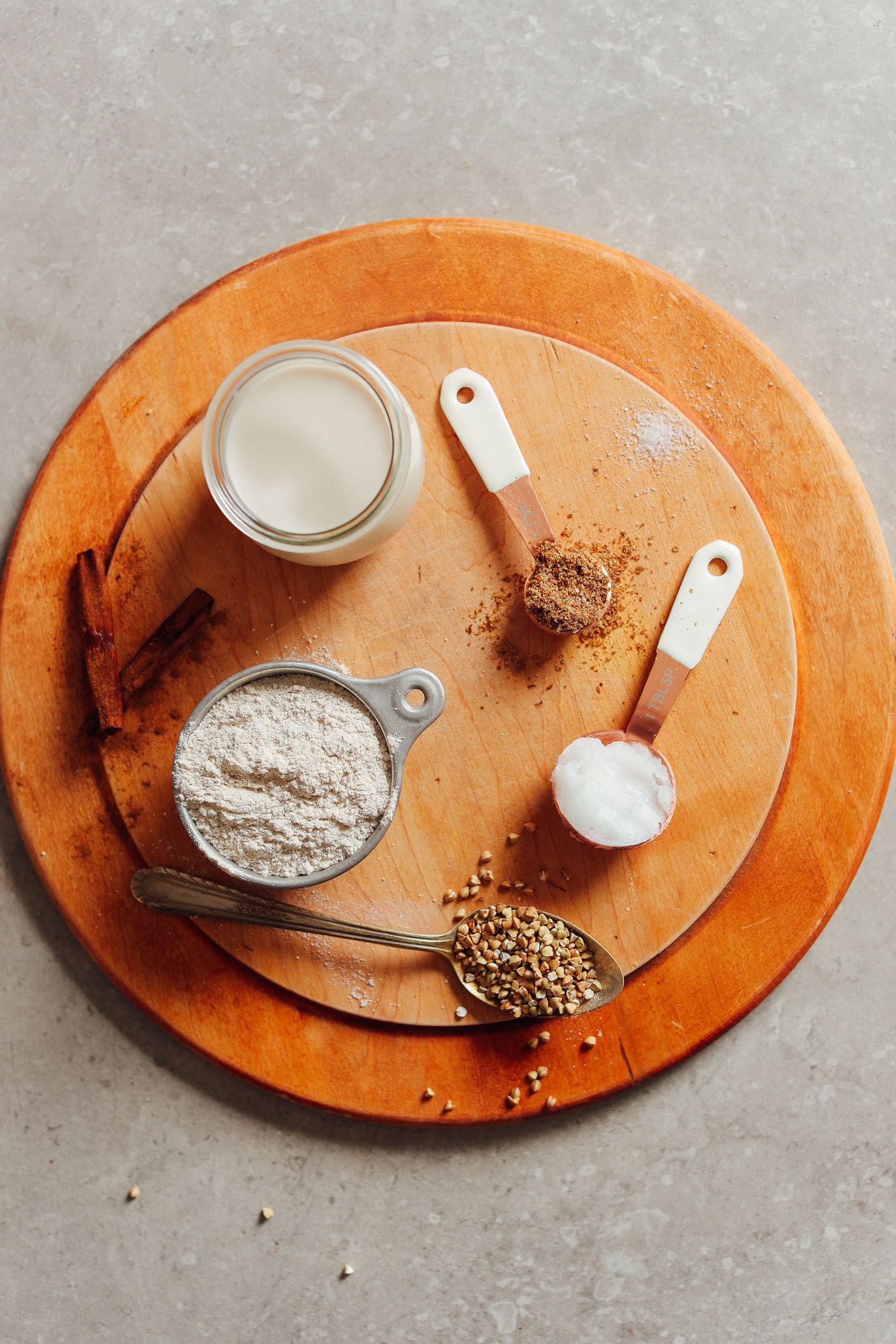
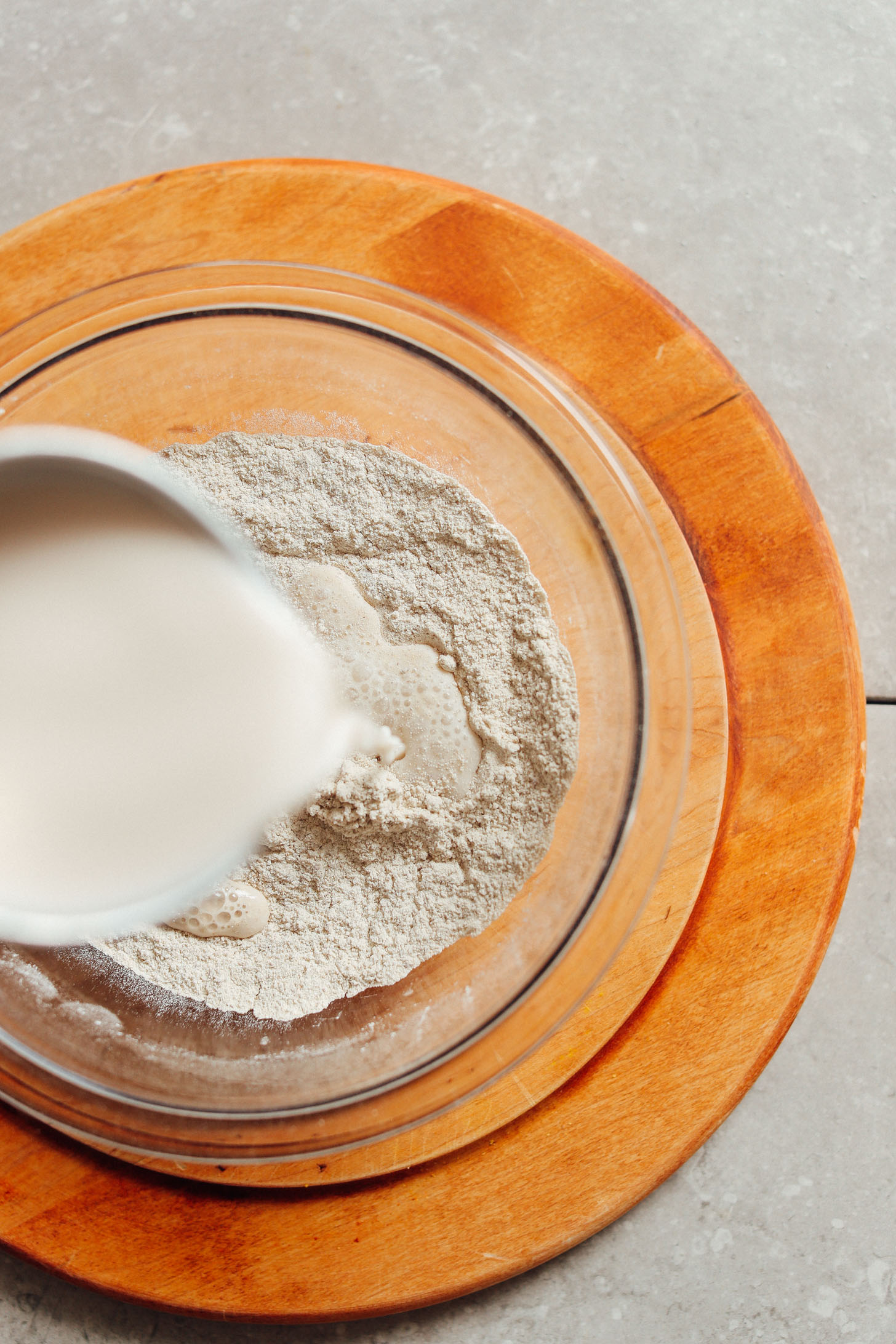
For the smoothest results, I recommend using the blender method. Combine your buckwheat flour, eggs, and your choice of milk (dairy or a fortified almond/oat milk both work well) in a blender. Add a teaspoon of melted coconut oil and a pinch of salt. Blend on high for 30 seconds until the mixture is completely homogenous. The goal is to reach a thick pouring cream consistency. If the batter feels too heavy, add an extra splash of milk one tablespoon at a time.
Once blended, stir in the desiccated coconut and a fresh grating of orange zest by hand. This preserves the texture of the coconut flakes and the aromatic oils of the orange. Now comes the most important step for culinary success: the rest. Allow the batter to sit at room temperature for at least 30 minutes.
During this time, the starch granules in the buckwheat flour fully hydrate, and the air bubbles created during blending subside. This resting period is the secret to a crepe that is flexible and strong enough to flip without tearing. If you are planning ahead, you can even prepare the batter the night before and store it in the refrigerator.
Mastering the Flip: Cooking Instructions
Cooking buckwheat crepes requires a combination of the right equipment and a little bit of patience. A high-quality non-stick skillet or a dedicated crepe pan is essential, as buckwheat lacks the gluten "glue" that helps traditional crepes hold together during the early stages of cooking.
Before you pour your first crepe, perform the water crackle test. Flick a few drops of water onto the pan; if they dance and sizzle immediately, the pan is ready. Lightly grease the surface with a small amount of coconut oil using a silicone brush or a paper towel.
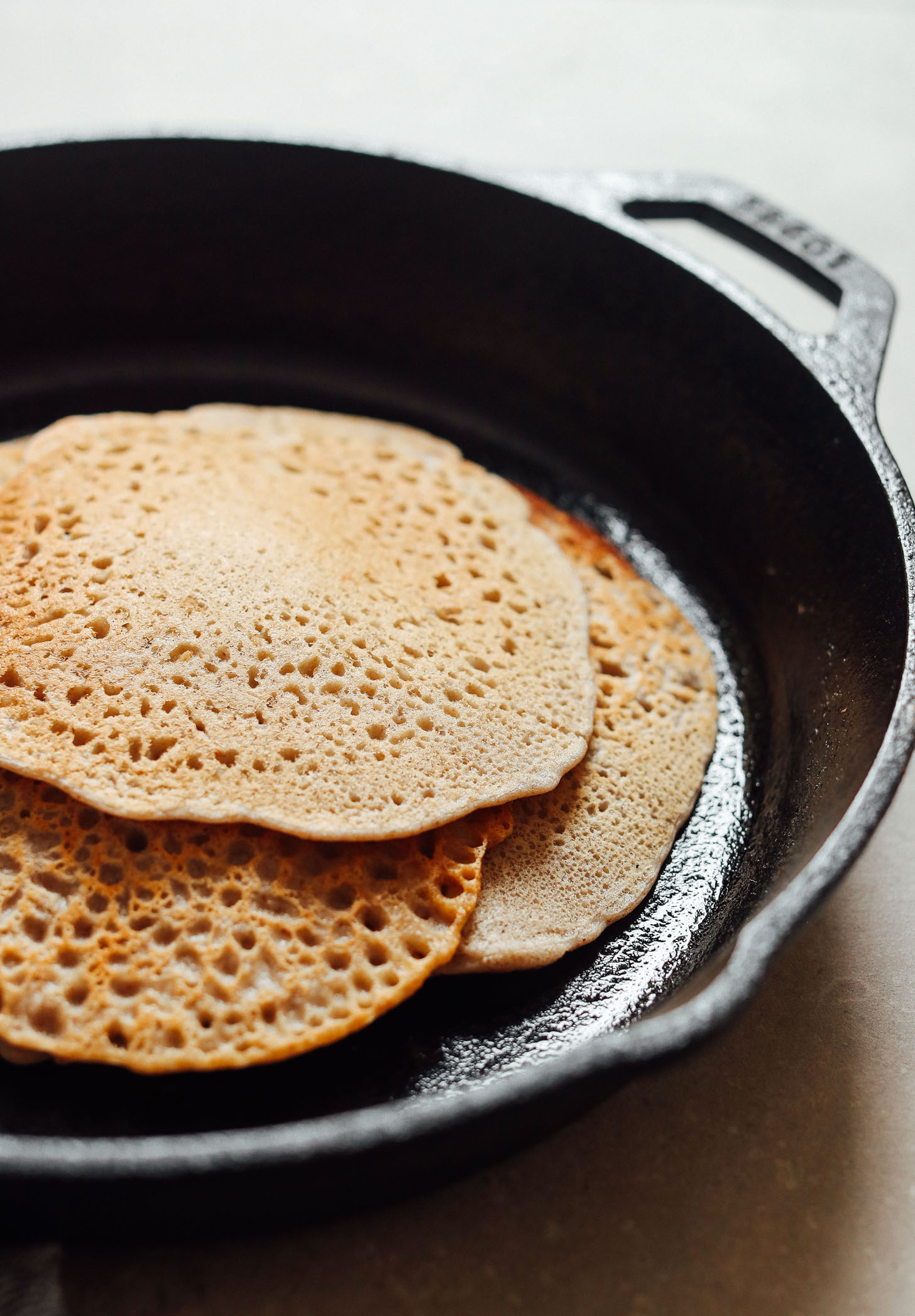
Pour about 60ml (1/4 cup) of batter into the center of the pan and immediately tilt and swirl the skillet to spread the batter into a thin, even circle. Because of the added desiccated coconut, the surface may have a slightly rustic texture, which adds to the charm of these nutritious breakfast crepes.
Cook the crepe over medium heat for one to two minutes. Look for the technical signs of readiness: the edges should begin to curl slightly and turn golden brown, and the surface should look dry. Here are my professional tips for flipping buckwheat crepes without breaking: use a long, thin offset spatula to gently loosen the edges all the way around before sliding it under the center. Flip in one confident motion. Cook the second side for about 60 seconds until lightly spotted with brown.
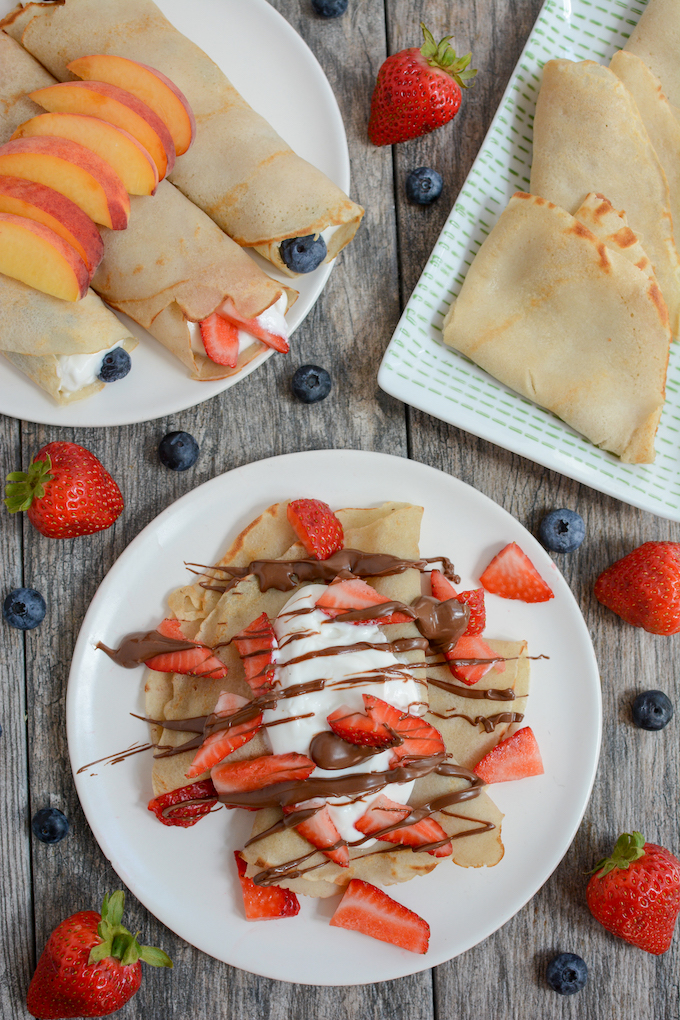
When serving, you can choose between a Simple vs. Posh framework. For a busy weekday, a simple fold with a few roasted figs and a sprinkle of coconut is perfect. For a weekend brunch, go posh by layering the crepes with a dollop of protein-packed Greek yogurt, the warm honey baked figs, and a final drizzle of the sticky glaze from the roasting pan.
Meal Prep and Storage Hacks
One of the reasons I love this buckwheat crepes recipe is its versatility for healthy meal prep ideas for buckwheat crepes. You can easily double the batch to ensure you have a nutrient-dense breakfast ready for the entire week.
If you have leftover batter, it can be stored in an airtight container in the refrigerator for up to 24 hours. Just be sure to give it a good whisk before cooking, as the buckwheat flour and coconut oil may settle or thicken over time. If the batter has thickened too much in the fridge, whisk in a tablespoon of water or milk to return it to the thick pouring cream state.
For cooked crepes, allow them to cool completely on a wire rack to prevent them from becoming soggy. Once cool, stack them with a piece of parchment paper between each crepe to prevent sticking. They will keep well in the refrigerator for up to three days.
For longer storage, these crepes are incredibly freezer-friendly. Place the parchment-separated stack in a freezer-safe bag. When you are ready to eat, simply reheat them in a dry skillet over medium heat for 30 seconds per side, or pop them in a toaster oven. This makes maintaining a gluten-free, high-fiber diet effortless even on your busiest mornings.
FAQ
Are buckwheat crepes gluten-free?
Yes, buckwheat is naturally gluten-free as it is a seed rather than a grain. However, if you have celiac disease or severe sensitivity, always ensure your buckwheat flour is processed in a certified gluten-free facility to avoid cross-contamination with wheat.
Does buckwheat crepe batter need to rest before cooking?
Yes, resting is a vital step. Allowing the batter to sit for at least 30 minutes gives the buckwheat flour time to fully hydrate and the starches to swell. This results in a more flexible crepe that is less likely to break during the flipping process.
What is the difference between a crepe and a galette?
In traditional French cuisine, a crepe usually refers to a sweet version made with wheat flour, while a galette refers to a savory version made with buckwheat flour. However, in modern healthy cooking, buckwheat is frequently used for both sweet and savory applications due to its superior nutritional profile.
Are buckwheat crepes healthier than regular crepes?
Buckwheat crepes provide significantly more fiber, minerals, and B-vitamins compared to crepes made with refined white flour. They also have a lower glycemic index, which helps maintain steady blood sugar levels and provides more sustained energy throughout the day.
Can you freeze homemade buckwheat crepes?
Absolutely. They freeze very well when stacked with parchment paper between each layer. Store them in an airtight freezer bag for up to two months. Reheat them directly from frozen in a hot skillet for a quick and nutritious breakfast.