Quick Facts
- Safety First: CBD can interact with liver enzymes such as Cytochrome P450, which may alter the concentration of ADHD medications in your system.
- Adjunct Support: Most experts view CBD as a tool for managing secondary symptoms like restlessness or sleep issues rather than a replacement for primary ADHD therapy.
- Research Status: A 2017 study showed nominal improvements in hyperactivity, but no significant boost in cognitive function or attention.
- FDA Stance: Currently, no CBD-based products are approved for ADHD; the FDA only recognizes Epidiolex for specific seizure disorders.
- Starting Strategy: For those choosing to proceed, a start low and go slow approach is essential to find the therapeutic window without increasing fatigue.
- Pediatric Caution: There is insufficient clinical evidence to support using CBD for children with ADHD, and consultation with a specialist is mandatory.
If you are considering CBD for ADHD to help manage your routine, it is vital to understand that while it may support calmness and sleep, CBD and ADHD medication safety remains the top priority. CBD for ADHD can interact with the way your body processes stimulants like Adderall or Vyvanse, potentially increasing side effects, so always consult a healthcare provider before making changes to your supplement plan.
Should you add CBD for ADHD to your routine? While research is evolving, understanding CBD and ADHD medication safety is vital before starting any new supplement. For many adults living with neurodivergence, the search for a balanced lifestyle often leads to exploring natural compounds that might complement traditional treatments.

Understanding CBD and the ADHD Brain
To understand how CBD for ADHD might work, we have to look at the endocannabinoid system, a complex cell-signaling network that helps regulate mood, sleep, and cognitive processes. In a neurotypical brain, dopamine regulation is relatively stable, helping with focus and motivation. However, for those with ADHD, neurotransmitter activity can be inconsistent, leading to challenges with executive function and emotional dysregulation.
Preliminary theories suggest that full-spectrum hemp oil may interact with cannabinoid receptors to indirectly influence the availability of dopamine. While CBD does not increase dopamine in the same way that a stimulant medication does, it may help modulate the background noise of the brain. For some, this results in better restlessness management, allowing them to feel more grounded during high-stress tasks.
However, the benefits of CBD for focus and concentration are still being debated in the scientific community. While anecdotal reports often highlight a sense of mental clarity, clinical evidence remains thin. When we look at CBD oil vs gummies for ADHD focus, the difference often lies in the delivery speed; oils may provide a more immediate sense of calm, while gummies offer a steady, extended release that some find more supportive for a full workday.
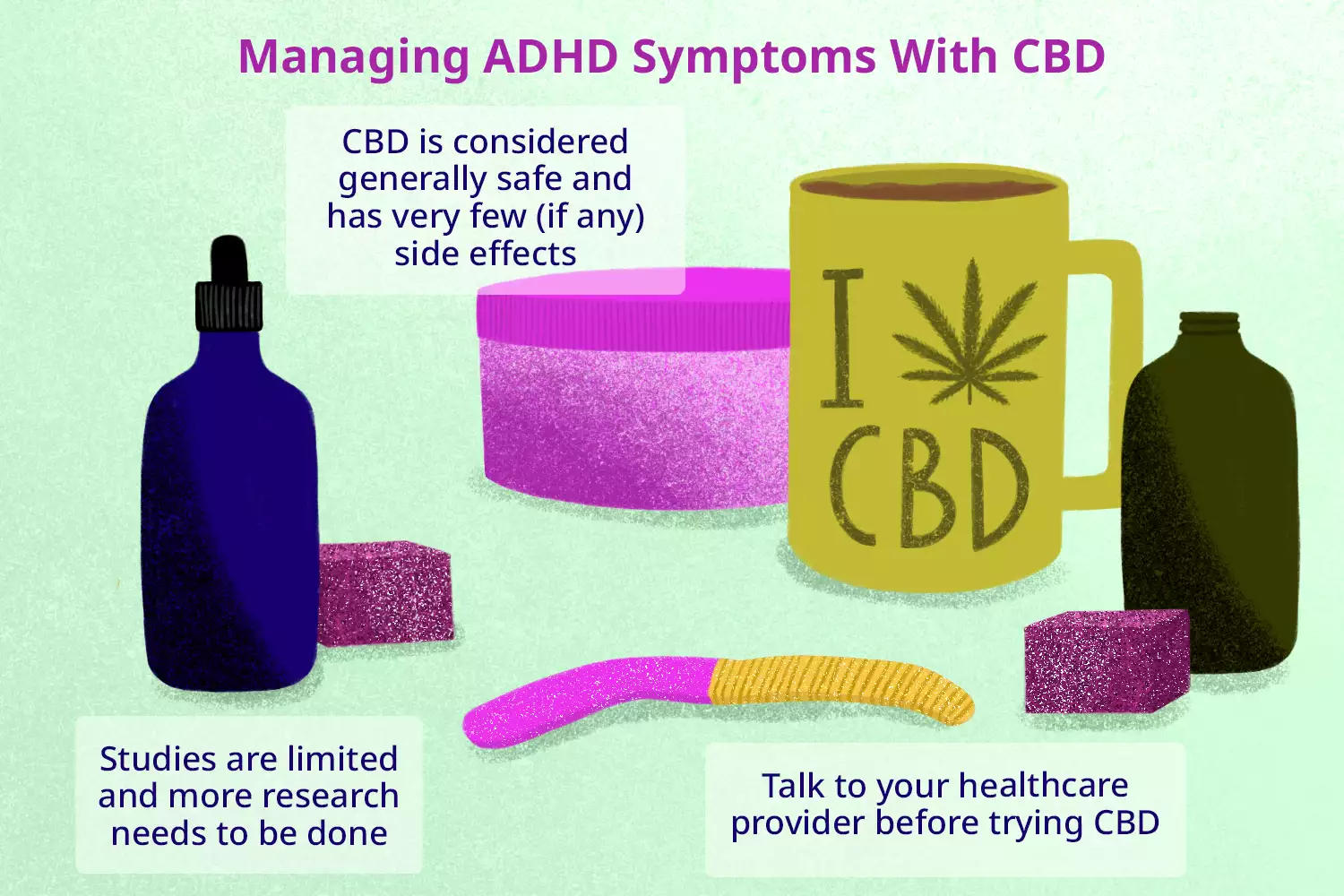
The Safety Check: CBD and ADHD Medication Interactions
The most critical conversation regarding CBD for ADHD revolves around how it interacts with prescription drugs. The human liver uses a specific group of enzymes, known as the Cytochrome P450 system, to metabolize a vast majority of medications. CBD is known to inhibit certain enzymes within this pathway, which can lead to pharmaceutical contraindications.
When you take CBD alongside a stimulant, the CBD can essentially clog the metabolic pathway. This means your body may not break down the medication at the intended rate, leading to higher-than-expected levels of the drug in your bloodstream. This interaction can exacerbate CBD interactions with Vyvanse and Adderall symptoms, such as increased heart rate, heightened anxiety, or a harder crash when the medication eventually wears off.
Safety Callout: The CYP450 Connection
If you are taking any medication that carries a grapefruit warning, you should exercise extreme caution with CBD. Both grapefruit and CBD inhibit the Cytochrome P450 enzymes, which can dangerously alter how your body processes your ADHD prescription.
Understanding CBD and ADHD medication safety requires a transparent dialogue with your psychiatrist. They can help monitor your liver enzyme metabolism and ensure that adding a supplement doesn't undermine the efficacy of your primary treatment.

Potential Benefits: Focus, Sleep, and Side-Effect Management
While CBD may not be a magic bullet for focus, its strength often lies in managing the side effects of traditional ADHD stimulants. Many patients experience a late-afternoon jitteriness or evening insomnia as their medication wears off. This is where using CBD for ADHD related sleep problems can be particularly effective.
By supporting the body’s ability to transition into a parasympathetic (rest and digest) state, CBD may help quiet the racing thoughts that often plague the ADHD mind at bedtime. Furthermore, the anxiolytic properties of hemp-derived compounds can provide restlessness management for those who feel physically keyed up during the day.
When considering the benefits of CBD for focus and concentration, it is helpful to view it as a secondary support layer. If your primary medication helps you lock into a task, CBD might simply be the tool that prevents you from feeling overwhelmed by the emotional dysregulation that sometimes accompanies a busy schedule.
Getting Started: Dosage and Product Selection
If you and your doctor decide to move forward, finding the right CBD dosage for ADHD is a highly individual process. Because everyone’s endocannabinoid tone is different, there is no universal milligram count that works for everyone. The best approach is a CBD dosage for ADHD adults starting guide: start with a very low dose (e.g., 5–10mg) and maintain it for several days while observing your cognitive performance.
The choice between formats often depends on your specific lifestyle needs.
| Feature | CBD Oil (Tinctures) | CBD Gummies |
|---|---|---|
| Absorption Speed | Fast (15-30 minutes) | Slow (60-90 minutes) |
| Duration of Effect | 4-6 hours | 6-8 hours |
| Dosing Precision | Can be variable | Fixed and pre-measured |
| Best For | Immediate restlessness | Long-term daily support |
| Keyword Focus | CBD oil vs gummies for ADHD focus | CBD dosage for ADHD |
When selecting a product, always look for a Certificate of Analysis (COA) to ensure the product is free of heavy metals and contains the amount of CBD listed on the label. This level of quality control is a cornerstone of any holistic wellness routine.
Questions to Ask Your Doctor about CBD for ADHD
- How will CBD interact with my specific dosage of Adderall or Vyvanse?
- Should I take CBD at a different time of day than my stimulant?
- Are there specific signs of liver enzyme inhibition I should watch for?
- Can we schedule a follow-up in 30 days to review my symptom journal?
- Is there a specific brand or formulation you recommend for purity?

Risks and Critical Considerations
While the wellness industry often portrays CBD as entirely risk-free, there are specific considerations for the neurodivergent community. First, the lack of FDA oversight means that many products on the shelf may not be what they claim. Second, for those with ADHD, there is a statistically higher risk of developing Cannabis Use Disorder (CUD) compared to the general population. While CBD is non-intoxicating and not considered addictive, it is part of a broader relationship with cannabis that should be monitored.
In a 2017 randomized controlled trial of 30 adults with ADHD, researchers noted that while the cannabinoid medication was well-tolerated, it did not produce significant cognitive improvements. This highlights that CBD should not be viewed as a replacement for standard therapies but perhaps as a lifestyle tool for general stress reduction.
Furthermore, the U.S. Food and Drug Administration has not approved any CBD products for ADHD treatment. The only FDA-approved CBD drug, Epidiolex, is strictly for epilepsy. This lack of regulation means the burden of safety falls on the consumer and their healthcare team.
FAQ
Does CBD help with ADHD symptoms?
Preliminary research and anecdotal evidence suggest that CBD may help with hyperactivity, restlessness, and emotional dysregulation. However, there is limited clinical evidence showing that CBD directly improves core ADHD symptoms like inattention or executive function. It is often most effective as a tool for managing secondary symptoms like anxiety or sleep disturbances.
What is the best CBD dosage for ADHD?
There is no standard CBD dosage for ADHD as it varies based on body weight, metabolism, and the severity of symptoms. The recommended approach for adults is to start with a low dose, such as 5mg to 10mg per day, and gradually increase it every few days until the desired effect is achieved without causing excessive drowsiness.
Can you take CBD while on ADHD medication?
Taking CBD while on ADHD medication requires caution due to potential liver enzyme interactions. CBD can inhibit the Cytochrome P450 system, which may slow the metabolism of stimulants like Adderall or Vyvanse, leading to an increased risk of side effects. You must discuss taking CBD gummies with stimulant ADHD medication safety with your physician before combining them.
Is CBD oil safe for children with ADHD?
Currently, there is not enough clinical research to determine if CBD oil is safe or effective for children with ADHD. Because the adolescent brain is still developing, the long-term effects of cannabinoid use are unknown. Parents should avoid giving CBD to children unless specifically directed and monitored by a pediatric specialist or neurologist.
Can I take CBD instead of Adderall for ADHD?
CBD should not be considered a direct replacement for Adderall or other FDA-approved ADHD medications. Stimulants work directly on dopamine and norepinephrine pathways to improve focus, whereas CBD interacts differently with the brain's signaling systems. Discontinuing prescribed medication in favor of CBD without medical supervision can lead to a significant return of symptoms and should be avoided.
Conclusion
Integrating CBD for ADHD into a lifestyle plan requires a blend of curiosity and caution. While the potential for improved restlessness management and better sleep is promising, the reality of CBD and ADHD medication safety cannot be ignored. By focusing on evidence-based strategies—such as monitoring your liver enzyme metabolism and keeping a detailed symptom journal—you can make an informed decision that supports your long-term wellness.
Remember that a holistic approach to ADHD involves many layers, including nutrition, sleep hygiene, and cognitive strategies. CBD may be one small piece of that puzzle, but it works best when it is part of a coordinated plan overseen by a medical professional. If you choose to explore this path, prioritize quality, stay patient with the process, and always put your safety first.