Quick Facts
- Diagnosis Reality: Approximately 1 in 100 people worldwide have celiac disease, yet an estimated 80% of individuals with the condition in the United States remain undiagnosed.
- The 3mg Rule: Research into the interleukin-2 biomarker shows that as little as 3mg of gluten—the size of a crumb—can trigger an immune spike and inflammatory response.
- Financial Impact: Maintaining a gluten-free lifestyle is costly, as specialized products carry a price premium and cost an average of 242% more than standard gluten-containing counterparts.
- Nutrient Gap: Nutritional malabsorption is rampant at diagnosis, with studies showing 41% of patients are deficient in B12 and 37% lack adequate folate.
- Intestinal Damage: Recovery is measured by the Marsh score classification, which tracks the transition from total villous atrophy to healthy, finger-like projections.
- Persistent Symptoms: Between 30% and 50% of individuals on a strict gluten-free diet continue to experience persistent symptoms or intestinal damage, necessitating advanced dietary strategies.
Celiac disease nutrition is about more than just avoiding bread; it is a master class in biological recovery. To truly master your gluten-free life, you must understand how to facilitate intestinal villi recovery and address chronic celiac disease nutrient deficiencies through nutrient-dense whole foods and professional guidance.
Healing the Gut: Beyond the Basics
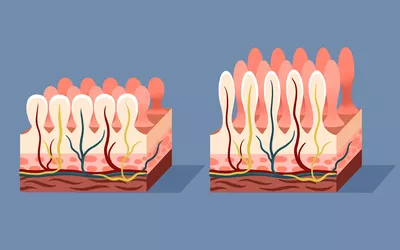
When you are first diagnosed with celiac disease, the focus is often on what you cannot eat. However, as an editor specializing in nutrition science, I believe the conversation must shift toward biological repair. The hallmark of this condition is small intestine malabsorption caused by an autoimmune reaction to gluten. This reaction leads to villous atrophy, where the tiny, finger-like projections in your gut—the villi—are flattened, making it nearly impossible for your body to absorb life-sustaining nutrients.
Achieving intestinal villi recovery is the primary goal of celiac disease nutrition. This process is monitored using the Marsh score classification, a grading system used by pathologists to determine the extent of damage. While most people see improvement within six to twelve months of a strict diet, recent data suggests the journey is more complex. Because the HLA-DQ2/DQ8 markers keep the immune system on high alert, even a microscopic amount of gluten can trigger an interleukin-2 biomarker surge, stalling the healing process.
For those who continue to struggle, standard gluten-free diet guidelines may not be enough. If you are among the significant percentage of patients who remain symptomatic despite a gluten-free lifestyle, your care team might explore managing persistent celiac symptoms with low FODMAP protocols. This approach limits certain fermentable carbohydrates that can irritate a sensitive gut, providing the environment necessary for the lining to finally heal.
Many patients find that the transition period is the most difficult. It is not just about the digestive system; the systemic inflammation can cause fatigue and brain fog. Understanding that your body is effectively rebuilding its internal absorption machinery helps reframe the diet from a restriction to a medical necessity for cellular health.

Solving the Deficiency Puzzle
The damage caused by celiac disease creates a specific profile of celiac disease nutrient deficiencies. Because the upper part of the small intestine is often hit hardest, minerals and vitamins that are absorbed there are the first to drop. Iron-deficiency anemia is frequently the first sign that leads to a diagnosis, but it is rarely the only deficiency present.
To truly master your health, you must focus on essential vitamins for celiac disease recovery. Fat-soluble vitamin intake is particularly critical, as the malabsorption of fats leads to a decline in vitamins A, D, E, and K. A lack of Vitamin K, in particular, can lead to what clinicians call a hypercoagulable paradox, affecting how your blood clots and how your bones utilize calcium. Furthermore, Vitamin E is essential for protecting neurological function, which can be compromised in long-term undiagnosed cases.
The Micronutrient Priorities
- Vitamin B12 and Folate: These are crucial for DNA repair and energy. Many gluten-free processed foods are not fortified like their wheat-based counterparts, making natural sources or supplementation necessary.
- Iron: Vital for oxygen transport. Recovery often requires targeted iron supplementation until the villi are healthy enough to handle dietary iron effectively.
- Magnesium and Zinc: Often overlooked, these minerals support over 300 enzymatic reactions and immune health.
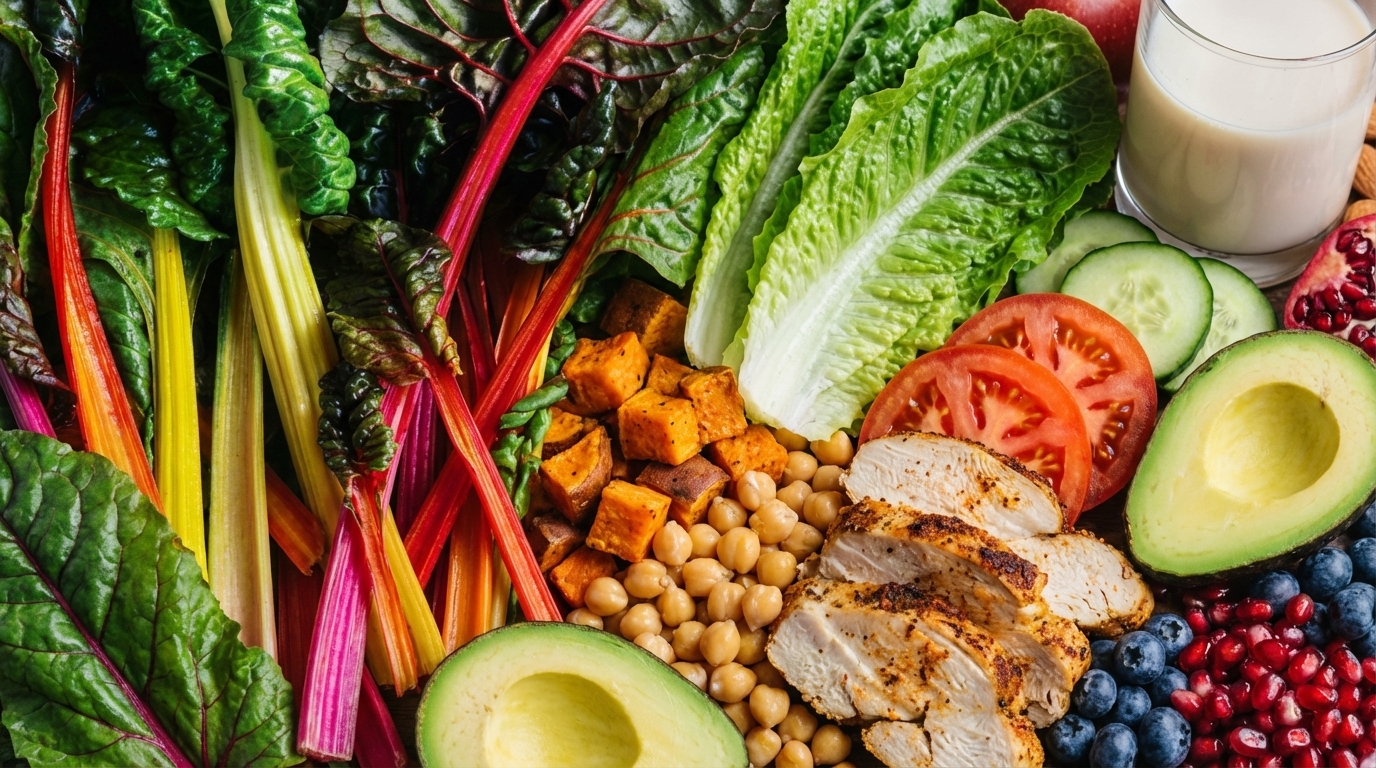
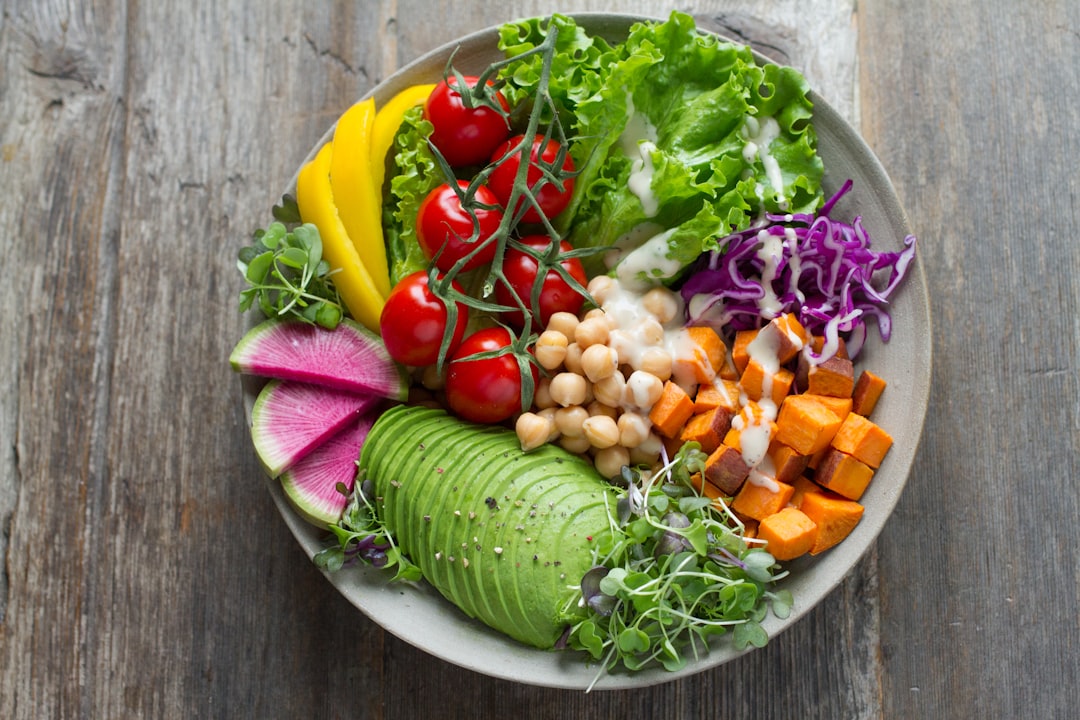
Clinical evidence suggests that relying on processed gluten-free snacks can actually worsen these gaps. Instead, a successful meal plan focuses on nutrient-dense whole foods. Think of leafy greens, lean proteins, wild-caught fish, and colorful tubers. These foods provide the raw materials for cellular repair without the high glycemic load and low fiber content found in many commercial gluten-free breads.
Advanced Cross-Contamination & Hidden Sources
One of the most frustrating aspects of managing this condition is the "3mg Rule." While the law requires products to contain less than 20ppm (parts per million) to carry a certified gluten-free labeling, some highly sensitive individuals react to even lower amounts. Total trace gluten exposure must be minimized to prevent the immune system from staying in an active, inflammatory state.
This requires a detective’s eye for identifying hidden gluten in medications and cosmetics. Lipsticks, toothpastes, and even the "inactive ingredients" in prescription pills (often labeled as pregelatinized starch) can be sources of hidden wheat. Currently, only about 16 major makeup brands are certified gluten-free, making it essential to verify every product that comes near your mouth.
Cross-contamination prevention is another hurdle, especially in shared households. Using separate toasters, cutting boards, and even colanders is a standard recommendation. A common area of confusion is the safe oats inclusion in gluten free diet. While oats are naturally gluten-free, they are almost always cross-contaminated in the field or factory. You must ensure your oats are "purity protocol" oats, which are grown and processed in dedicated facilities, to avoid a reaction.

Long-term Wellness: Bone Health & Immunity
Living with celiac disease is a long-distance race, not a sprint. Long-term malabsorption often leads to significant mineral density loss. Improving bone density for celiac patients requires a multi-pronged approach: ensuring adequate Vitamin D and Calcium, but also weight-bearing exercise and monitoring for inflammation that can leach minerals from the bone.
Recent clinical guidelines also highlight an often-ignored risk: functional asplenia. Over time, chronic inflammation can cause the spleen to underperform, increasing the risk of certain bacterial infections. This is why many specialists now recommend the pneumococcal vaccine for celiac patients as part of their long-term wellness strategy.
To maintain health for decades, your diet should evolve. Instead of looking for "replacements" for wheat, embrace a lifestyle of balanced gluten free meal planning for beginners and experts alike. Utilizing 2026 USDA-compliant nutrient-dense whole foods, such as Swiss chard wraps or quinoa-based Mediterranean bowls, ensures you are getting the fiber and phytonutrients necessary for a thriving microbiome.
Nutritional Surveillance Checklist
| Focus Area | Metric/Action | Frequency |
|---|---|---|
| Bone Health | DXA Scan (Bone mineral density) | Every 2 years |
| Nutrient Status | Blood panels (Iron, B12, Folate, Vit D) | Annually |
| Intestinal Health | tTG-IgA Antibody levels | Every 6-12 months |
| Immune Function | Pneumococcal vaccination review | Once at diagnosis |
| Diet Review | Consult with a Registered Dietitian Nutritionist | Annually |
Mastering your health means staying proactive. By working with a Registered Dietitian Nutritionist, you can create a personalized surveillance plan that goes beyond the basics, ensuring that your gluten-free life is not just safe, but vibrant.

FAQ
What are the most common nutritional deficiencies in celiac disease?
The most frequent deficiencies include iron, which often manifests as anemia, as well as Vitamin B12 and folate. Because the small intestine's ability to absorb fats is compromised, many patients also lack fat-soluble vitamins such as A, D, E, and K.
What is the best diet for someone with celiac disease?
The best approach is a strictly gluten-free diet that prioritizes nutrient-dense whole foods rather than processed gluten-free substitutes. This means focusing on naturally gluten-free proteins, vegetables, fruits, and ancient grains like quinoa or buckwheat to ensure adequate fiber and micronutrient intake.
How does celiac disease affect the absorption of nutrients?
The disease triggers an autoimmune response that causes villous atrophy, which is the flattening of the intestinal villi. These villi are responsible for increasing the surface area for nutrient absorption; when they are damaged, small intestine malabsorption occurs, regardless of how much you eat.
Do people with celiac disease need to take daily vitamins?
While a diet of whole foods is the foundation, many patients require targeted supplementation, especially in the first year after diagnosis. Common supplements include iron, B-complex vitamins, and Vitamin D3 to correct pre-existing celiac disease nutrient deficiencies.
How do I get enough fiber on a gluten-free diet?
Many gluten-free flours are low in fiber. To compensate, incorporate high-fiber foods like chia seeds, flaxseeds, beans, lentils, and cruciferous vegetables. This is vital because celiac patients often lack specific gut bacteria, like Prevotellaceae, that help process fiber.
What foods help repair the gut in celiac disease?
Healing the gut requires anti-inflammatory, nutrient-dense whole foods. Bone broths can provide collagen and amino acids, while fermented foods (if tolerated) can support the microbiome. Focus on foods rich in zinc and Vitamin A to support the rapid turnover of intestinal cells.