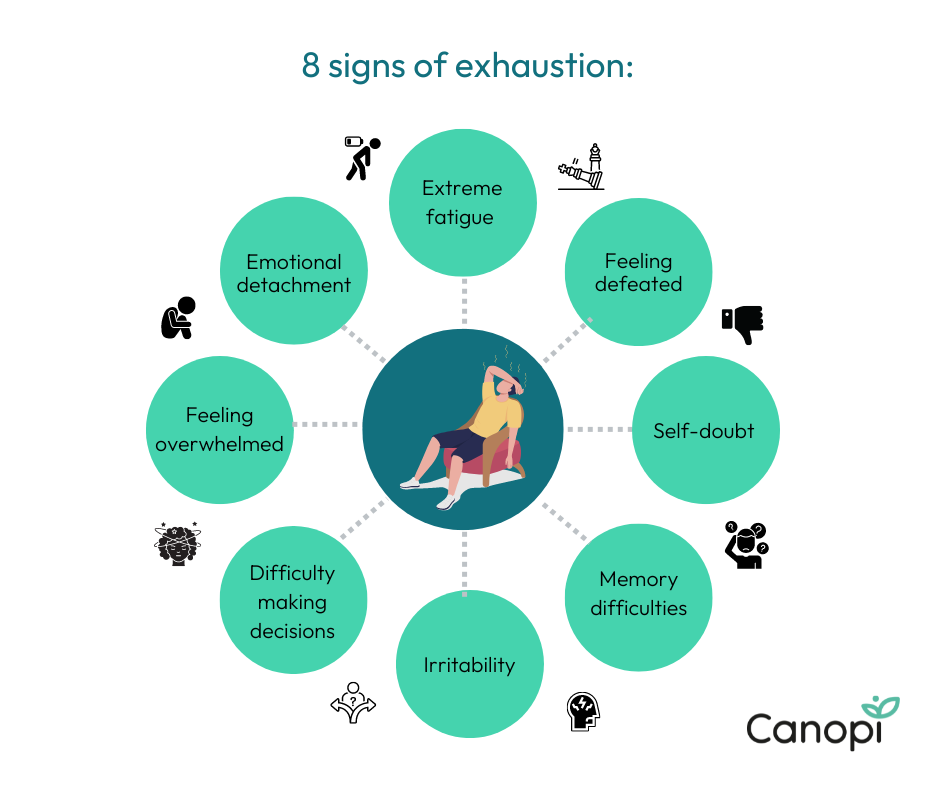
Quick Facts
- Prevalence: 13.5% of U.S. adults reported feeling very tired or exhausted most days or every day over a three-month period.
- Clinical Threshold: Fatigue is generally considered chronic when it persists for more than six months and is not relieved by rest.
- Diagnostic Statistics: The CDC estimates that approximately 3.3 million U.S. adults live with chronic fatigue syndrome (ME/CFS).
- Common Drivers: Depression and insomnia are estimated to account for nearly 45% of persistent fatigue cases.
- The Core Difference: Normal tiredness improves with a good night’s sleep; chronic fatigue remains unchanged regardless of sleep duration.
- Red Flags: Symptoms like unexplained weight loss, fever, or extreme cognitive dysfunction require immediate medical consultation.
Chronic fatigue causes often stem from underlying medical conditions such as hypothyroidism, iron deficiency anemia, and sleep apnea. Beyond physical health, psychosocial stress and systemic inflammation can disrupt mitochondrial function and cortisol regulation, leading to persistent daytime sleepiness that is not relieved by standard rest.
Beyond 'Just Tired': Identifying Signs of Constant Exhaustion
We have all experienced a late night or a grueling week that leaves us reaching for an extra cup of coffee. However, there is a profound difference between the expected lethargy of a busy life and the signs of constant exhaustion that signal a deeper systemic issue. When you are simply tired, a weekend of rest usually acts as a reset button. When you are dealing with chronic fatigue causes, sleep often feels like a broken tool—you wake up feeling just as depleted as when you went to bed.
One of the most telling signs of clinical fatigue is Post-Exertional Malaise (PEM). This is a unique phenomenon where physical or mental exertion leads to a delayed crash, often occurring 12 to 48 hours after the activity. During this time, you might experience a significant increase in mental fog and a total loss of stamina. Understanding the difference between normal tiredness and chronic fatigue is the first step toward reclaiming your vitality.
| Feature | Normal Tiredness | Chronic Fatigue |
|---|---|---|
| Response to Sleep | Refreshed after 7–9 hours | Still exhausted upon waking |
| Duration | Temporary (days) | Persistent (weeks or months) |
| Cognitive Function | Generally clear | Significant mental fog and executive dysfunction |
| Physical Sensation | Localized muscle fatigue | Systemic heaviness or "running on empty" |
| Daily Impact | Can usually push through | Disrupts basic daily routines |

Hidden Cause #1: Nutrient Gaps and Iron Deficiency Anemia
When your body lacks the fundamental building blocks for energy production, every cellular process slows down. One of the most common medical reasons for feeling tired all the time is iron deficiency anemia. Iron is the primary vehicle for oxygen transport in your blood; without enough of it, your heart has to work significantly harder to move oxygenated blood to your brain and muscles.
This often isn't just about how much spinach or red meat you eat. Many individuals experience nutrient malabsorption due to gut health issues or low stomach acid, meaning even a perfect diet might leave them deficient. Low ferritin levels—the stored form of iron—can cause extreme lethargy even before a person becomes clinically anemic. Furthermore, deficiencies in Vitamin B12 and Vitamin D act as critical co-factors that, when missing, leave you feeling perpetually drained. Addressing these gaps is one of the most effective ways to improve energy levels naturally.
Hidden Cause #2: The 'Master Switch' - Hypothyroidism
The thyroid gland acts as the master regulator of your metabolism. Think of it as the thermostat for your body’s energy production. When you have hypothyroidism, your thyroid is underactive, essentially telling your cells to "power down." This leads to a slow, creeping sense of exhaustion that no amount of caffeine can fix.
What many people don't realize is that "normal" lab results can be misleading. A standard TSH (Thyroid Stimulating Hormone) test might fall within a broad reference range, yet you could still be experiencing suboptimal function that contributes to persistent daytime sleepiness. This hormonal imbalance is often linked to glycemic variability—spikes and crashes in blood sugar—which further stresses the metabolic system. If your fatigue is accompanied by thinning hair, cold hands, or unexplained weight gain, your thyroid may be the underlying reason for fatigue.
Hidden Cause #3: Sleep Apnea and Circadian Mismatch
You might be spending eight hours in bed, but are you actually sleeping? If you suffer from sleep apnea, your breathing repeatedly stops and starts throughout the night. This deprives your brain of oxygen and prevents you from entering the deep, restorative stages of sleep. People with sleep apnea often wake up with a headache or a dry mouth, feeling like they haven't slept at all.
Beyond physical obstructions, lifestyle habits that cause persistent daytime sleepiness play a major role. Our bodies are governed by a circadian rhythm, an internal clock that thrives on consistency. In our modern world, excessive blue light exposure from screens and irregular sleep-wake schedules create a "social jetlag." This mismatch confuses your internal clock, leading to poor mitochondrial function and a morning-time grogginess that lingers all day. Aligning your routine with natural light cycles is a foundational step in how to improve energy levels.
Hidden Cause #4: Stress-Related Exhaustion Disorder
We often use the word "burnout" casually, but signs of stress related exhaustion disorder are more severe and systemic. When you live in a state of chronic psychosocial stress, your body’s HPA (hypothalamic-pituitary-adrenal) axis stays on high alert. Eventually, this leads to issues with cortisol regulation. Cortisol should be high in the morning to wake you up and low at night to help you sleep; stress flips this script, leaving you "tired but wired."
This type of exhaustion is heavily characterized by cognitive load issues. You might find it impossible to concentrate on a single task, or feel a sense of mental fog that makes simple decisions feel overwhelming. This isn't just a mental state; it is a physiological reaction where your body is attempting to protect itself from further perceived threats by shutting down non-essential energy expenditure. Implementing practical steps to recover from burnout and fatigue, such as mindfulness and strict work-life boundaries, is essential for healing this neurological drain.
Hidden Cause #5: Systemic Inflammation and Mitochondrial Function
At the most microscopic level, your energy comes from mitochondria—the power plants inside your cells. However, when your body is in a state of systemic inflammation, your cells enter what researchers call the "cell danger response." Instead of producing energy, the mitochondria shift their focus to defense, effectively draining your battery to fuel an immune response.
This inflammation can be triggered by a variety of factors, including a diet high in processed sugars, undiagnosed food sensitivities, or environmental toxins. By making specific dietary changes to improve energy levels naturally—such as increasing intake of omega-3 fatty acids and colorful antioxidants—you can reduce the inflammatory load. Stabilizing glycemic variability by choosing complex carbohydrates and proteins also prevents the energy "crashes" that exacerbate mitochondrial dysfunction.
Recovery Roadmap: The 70% Energy Envelope Rule
Recovering from chronic exhaustion requires a shift in mindset from "pushing through" to "pacing." One of the most effective management tools is the 70% Energy Envelope Rule.
The 70% Rule: To avoid the crash-and-burn cycle of Post-Exertional Malaise, aim to use only 70% of the energy you think you have on any given day. By leaving 30% in reserve, you provide your body with the metabolic surplus it needs to actually repair and heal, rather than just surviving the day.
This approach focuses on balancing cognitive load and physical activity. If you have a mentally demanding meeting, you must balance it with physical rest. This pacing helps stabilize mitochondrial function and prevents the systemic inflammation that follows overexertion. These are the practical steps to recover from burnout and fatigue that yield long-term results.
When to See a Doctor: Red Flags and Lab Tests
If your fatigue has lasted for more than a few weeks and is impacting your ability to function, it is time to seek professional guidance. Do not settle for being told you are "just stressed." To find the underlying reasons for fatigue, you need a comprehensive clinical picture.
Red Flag Symptoms to Watch For:
- Unexplained weight loss or gain
- Low-grade fever or persistent swollen lymph nodes
- Shortness of breath with minimal exertion
- Feelings of hopelessness or loss of interest in activities
- Severe joint or muscle pain
Recommended Lab Tests to Request:
- Complete Blood Count (CBC): To check for infection or anemia.
- Comprehensive Metabolic Panel (CMP): To assess kidney and liver function.
- Ferritin and Iron Panel: To look for iron deficiency anemia even if hemoglobin is normal.
- Full Thyroid Panel: Including TSH, Free T4, Free T3, and Thyroid Antibodies (TPO) to rule out hypothyroidism.
- Vitamin D and B12: Critical markers for cellular energy and neurological health.
- HbA1c: To check for glycemic variability and insulin resistance.
FAQ
What are the most common causes of chronic fatigue?
The most common chronic fatigue causes include lifestyle factors like chronic stress and poor sleep hygiene, as well as medical conditions like iron deficiency anemia, hypothyroidism, and clinical depression. Viral infections and systemic inflammation are also frequent contributors.
What medical conditions cause extreme tiredness?
Several medical conditions can lead to constant exhaustion, including sleep apnea, diabetes, autoimmune disorders, and heart disease. Additionally, chronic fatigue syndrome (ME/CFS) is a complex condition specifically characterized by extreme tiredness that does not improve with rest.
How is chronic fatigue syndrome different from regular exhaustion?
The difference between normal tiredness and chronic fatigue lies in the duration and the recovery. Regular exhaustion follows exertion and improves with rest. Chronic fatigue syndrome lasts for at least six months and includes unique symptoms like Post-Exertional Malaise and significant cognitive impairment.
Can vitamin deficiencies cause chronic fatigue?
Yes, vitamin deficiencies are common medical reasons for feeling tired all the time. Deficiencies in Vitamin B12, Vitamin D, and iron are primary culprits, as they are essential for oxygen transport, neurological function, and the health of your mitochondria.
Is stress a primary cause of constant fatigue?
Stress is a leading cause of persistent fatigue through signs of stress related exhaustion disorder. It disrupts the HPA axis and cortisol regulation, leading to a state of being "tired but wired" where the body’s energy production is sacrificed to maintain a high-alert stress response.
How do doctors diagnose the underlying cause of chronic fatigue?
Doctors diagnose the underlying reasons for fatigue by ruling out other conditions through a physical exam and blood tests (like TSH, Ferritin, and Vitamin B12). They also review your sleep history, mental health status, and symptoms like mental fog to determine if the cause is physical, psychological, or a combination of both.