Quick Facts
- The Gold Window: Timing your physical activity between 18:00 and 20:30 optimizes fat oxidation and resting metabolic rate.
- Obesity Success Rate: In clinical trials, 33 percent of evening exercisers achieved a weight loss of at least 5 percent, nearly double the success of morning groups.
- Cardiovascular Defense: Late-day movement is linked to the lowest risk of premature death and cardiovascular disease for those with obesity.
- Gender Divergence: Men experience superior metabolic flexibility and blood pressure reduction in the evening, while women see peak muscular performance and mood boosts.
- Sleep Architecture: Intense sessions should conclude 2 to 3 hours before sleep to allow core body temperature and cortisol levels to stabilize.
- Nutrient Synergy: High protein intake (1.6g-2.2g/kg) is essential during evening protocols to prevent muscle loss often seen with weight loss medications.
Research indicates that evening exercise offers specific metabolic advantages for fat burning and lipid oxidation. Human metabolism naturally peaks in the late afternoon and early evening, allowing evening workouts to align with the body's highest resting metabolic rate. For men in particular, science suggests that exercising later in the day maximizes fat oxidation and significantly reduces systolic blood pressure and fatigue compared to morning sessions.
The Chronobiology of Fat Loss: Why PM Works
Evolution has hard-coded our metabolism to follow a rhythmic cycle. At the heart of this system are the CLOCK and BMAL1 genes, which regulate how our cells process energy throughout a 24-hour period. Recent findings suggest that evening exercise can leverage these internal timers to improve glycemic control and insulin sensitivity far more effectively than morning routines.
A massive study of nearly 30,000 adults with obesity found that those who performed the majority of their moderate-to-vigorous physical activity between 6:00 p.m. and midnight had the lowest risk of premature death and cardiovascular disease over an eight-year period. This suggests that for those carrying excess weight, evening exercise benefits extend beyond the scale, directly impacting longevity.
One of the primary drivers of this success is the EPOC effect, or excess post-exercise oxygen consumption. When you train in the evening, your body requires more oxygen for recovery while you sleep, which keeps your metabolism elevated overnight. This aligns perfectly with the RISE protocol—a specialized framework involving Resistance, Interval, Stretching, and Endurance. By utilizing a hybrid model of training late in the day, you transition into sleep with a metabolic engine that is still burning fuel.
Molecular Logic: mTOR vs. AMPK
In the world of cellular signaling, evening exercise triggers a unique balance. AMPK is the sensor for low energy that stimulates lipid oxidation (fat burning), while mTOR governs muscle hypertrophy (growth). Evening sessions allow for a robust AMPK response during the workout, followed by a protein-supported mTOR window overnight, which is the perfect environment for improving body composition.
In a randomized trial of 100 inactive adults with obesity, 33 percent of those who exercised in the evening achieved clinically meaningful weight loss of at least 5 percent of their body weight, compared to only 19 percent of those who exercised in the morning over a 12-week period. This data confirms that is it better to exercise in morning or evening for weight loss depends heavily on your metabolic starting point.
Gender-Specific Victories: Men vs. Women
The impact of evening exercise vs morning exercise for men's metabolic health is starkly different from the outcomes seen in women. Men often struggle with visceral adiposity—the dangerous fat stored around the organs. Because men’s testosterone levels and core temperatures peak later in the day, evening exercise for belly fat reduction proves highly efficient for the male physiology.
However, the conversation around evening exercise vs morning exercise for women's performance reveals a more nuanced picture. While women may target abdominal fat and blood pressure more effectively in the early hours, evening workouts are the clear winner for enhancing upper body muscular power and overall mood.
| Metric | Men (PM Exercise) | Women (PM Exercise) |
|---|---|---|
| Primary Goal | Fat Oxidation & BP Reduction | Upper Body Power & Mood |
| Metabolic Impact | High Insulin Sensitivity | Enhanced Muscle Hypertrophy |
| Targeted Fat | Visceral Adiposity | Total Body Composition |
| Success Marker | Reduced Fatigue | Improved Vascular Elasticity |
For both genders, using the RFM (Relative Fat Mass) formula provides a better diagnostic tool than simple BMI. By measuring the ratio of height to waist circumference, you can track how evening exercise for belly fat is specifically altering your metabolic profile rather than just watching a fluctuating number on the scale.
The 12-Week Roadmap to Obesity Success
Traditional fitness advice often fails because it lacks a timeline for biological adaptation. When committing to evening exercise, understanding the milestones can help maintain consistency.
- Week 4: The Metabolic Shift: During this first month, you begin to see the first visible fat loss markers. Your body is improving its metabolic flexibility, meaning it is getting better at switching between burning carbohydrates and burning fat.
- Week 8: Vascular Gains: By the second month, research indicates that evening exercise in individuals with obesity is associated with significant decreases in fasting blood glucose, insulin, and cholesterol concentrations. You may also notice improvements in carotid artery blood flow and vascular elasticity.
- Week 12: Clinically Meaningful Results: This is the threshold for obesity success. At this stage, the cumulative EPOC effect and consistent lipid oxidation lead to a measurable drop in body fat percentage.
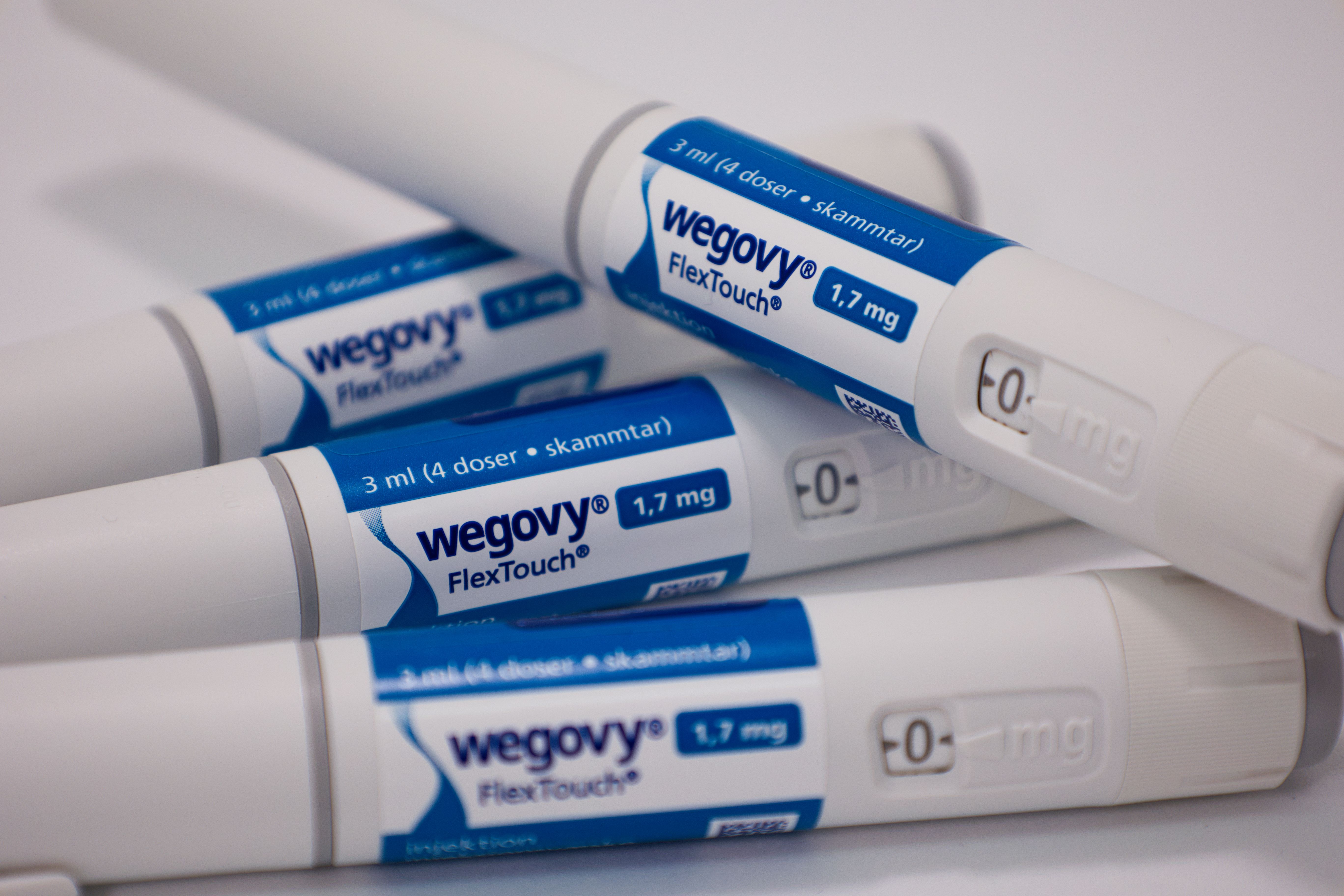
How late can you exercise in the evening for obesity success? The answer lies in your ability to maintain a high protein intake. To protect muscle mass while losing weight, aim for 1.6g to 2.2g of protein per kilogram of body weight. This prevents the muscle tax often associated with rapid weight loss or the use of GLP-1 medications.
Safety First: Exercise, Medication, and Sleep
While the benefits are significant, a strategic approach is required to protect your sleep architecture. The biggest concern for the evening athlete is the potential disruption of the circadian rhythms that govern recovery.
One critical safety note involves the combination of supplements and medication. If you are taking blood pressure medication, be cautious with high doses of fish oil or Omega-3s. These can have a synergistic effect, potentially causing blood pressure to drop too low during or after a workout.

To master how to do evening exercise without affecting sleep, follow the 3-3-3 rule:
- Finish intense activity at least 3 hours before bed.
- Ingest a 30g protein snack to stabilize blood sugar.
- Use a cool shower to help lower your core body temperature, signaling to your brain that it is time for rest.
By focusing on moderate-intensity routines, such as resistance training or steady-state cardio, you can trigger fat loss without the massive cortisol spike that accompanies high-intensity interval training. Is 7pm too late to exercise? Not if your routine is designed to stabilize rather than over-stimulate.
FAQ
What is the best exercise to do in any evening?
The most effective evening routine for metabolic health is a hybrid of resistance training followed by low-intensity steady-state cardio. This combination maximizes the glucose-lowering effects of muscle contraction and follows it with a period of high fat oxidation.
Is doing exercise in the evening good?
Yes, especially for individuals with obesity or type 2 diabetes. Evening movement aligns with the peak of the body's natural metabolic rate and has been shown to result in better glycemic control and greater weight loss success compared to morning sessions.
Is working out at 7pm too late?
Working out at 7pm is not too late for most people, provided you allow a few hours for your heart rate and core temperature to return to baseline before sleep. For many, this window provides the optimal balance of strength and metabolic flexibility.
What exercise is best before bed?
If you are exercising within two hours of sleep, stick to restorative movements like yoga, deep stretching, or a light walk. These activities improve insulin sensitivity and promote relaxation without disrupting sleep architecture.
Is 7pm too late to exercise?
It is generally considered the outer edge of the gold window. While it is highly effective for fat burning, it requires you to be disciplined about your post-workout wind-down routine to ensure that your sleep quality remains high.