
Quick Facts
- Prevalence: Approximately 80% of individuals diagnosed with fibromyalgia experience cognitive impairment, often referred to as fibro fog.
- The Sleep Link: More than 90% of patients with fibromyalgia report significant sleep disturbances, including non-restorative rest.
- Recovery Potential: Clinical interventions focused on restorative sleep strategies for fibromyalgia patients show an average of 18% improvement in memory tasks.
- The 'Alpha-Delta' Paradox: Research reveals that wakeful brain waves often intrude on deep sleep in those with fibromyalgia, preventing cognitive recovery.
- Key Mechanism: Sleep architecture disruption is a primary mediator of cognitive dysfunction in fibromyalgia, directly impacting attentional performance.
Fibro fog is a form of cognitive dysfunction characterized by executive dysfunction and mental exhaustion, primarily caused by fragmented sleep architecture that prevents the brain from clearing metabolic waste. Improving restorative sleep for fibromyalgia is the cornerstone of clearing this mental haze, as deep, uninterrupted sleep allows the brain to reset its neural resources and manage cognitive load.
The Science of the Fog: Why Sleep Quality Matters
When you live with fibromyalgia, the mental cloudiness can feel even more debilitating than the physical pain. This phenomenon, widely known as fibro fog, is not just a side effect of being tired; it is a complex neurological state. To understand why your brain feels like it is moving through molasses, we have to look at the Neural Resource Allocation Hypothesis. Imagine your brain has a limited amount of bandwidth, like a home internet connection. In a healthy state, most of that bandwidth is available for focusing on tasks, remembering names, or following a conversation. However, for someone with fibromyalgia, the brain is constantly processing chronic pain signals. These signals act like background applications that never close, hijacking your bandwidth and leaving very little for your executive dysfunction to handle daily life.
The biological root of this issue often lies in what happens—or fails to happen—while you sleep. During deep, delta wave sleep, your brain activates a specialized waste-clearance system known as the glymphatic system. Think of it as a nightly "dishwasher" for your neurons. When sleep is interrupted or shallow, this dishwasher never finishes its cycle. As a result, metabolic byproducts and neurotoxins accumulate, contributing to the feeling of mental heaviness. Recent 2019 PET scans have even shown evidence of glial cell activation, which indicates a level of neuroinflammation or "brain on fire" that persists when restorative sleep is absent.
The relationship between sleep and cognitive function is deeply tied to your circadian rhythm. If your internal clock is out of sync, your brain misses the window for essential repairs. This is why how sleep deprivation worsens fibromyalgia brain fog is so critical; without reaching the deeper stages of sleep, the brain cannot replenish the neurotransmitters required for daytime alertness and concentration.

The Vicious Cycle: Pain, Sleep, and Mental Exhaustion
The struggle with fibromyalgia cognitive symptoms is rarely an isolated event. Instead, it is part of a bidirectional feedback loop that many patients find themselves trapped in. When you do not sleep well, your central sensitization increases, making your body more sensitive to pain. This is often measured using the Visual Analog Scale (VAS), where patients consistently report higher pain levels after a night of sleep fragmentation. Higher pain then makes it even harder to fall asleep the following night, creating a self-perpetuating cycle of exhaustion.
It is important to distinguish between simple insomnia and the specific sleep architecture issues found in fibromyalgia. Many patients experience the 'Alpha-Delta' sleep paradox, where fast alpha waves (typically associated with being awake and alert) intrude into the deep delta wave sleep. This means that even if you are unconscious for eight hours, your brain is essentially "awake" on the inside. You wake up feeling unrefreshed, as if you hadn't slept at all.
This lack of restorative sleep for fibromyalgia directly leads to an increased cognitive load. When the brain is fatigued, every small decision—what to wear, what to eat for lunch, how to word an email—requires a massive amount of effort. This is not just "being tired"; it is a state of chronic fatigue syndrome-like exhaustion where the brain's processing speed slows down to preserve what little energy it has left.
Breaking the Cycle: Strategies for Cognitive Clarity
If the fog is rooted in sleep, then the solution must begin with improving sleep architecture. While medication can sometimes help, the most sustainable results often come from nonpharmacologic sleep interventions for fibro fog. The goal is to move beyond just "staying asleep" and focus on the quality of that sleep.
One of the most effective first-line treatments is CBT-I for fibromyalgia cognitive symptoms. Unlike general talk therapy, Cognitive Behavioral Therapy for Insomnia (CBT-I) specifically targets the thoughts and behaviors that keep you in a cycle of poor sleep. It helps reduce the anxiety associated with "not being able to sleep" and utilizes techniques like stimulus control to retrain your brain to associate the bed with rest, not pain or frustration.
Alongside professional therapy, implementing consistent fibromyalgia sleep hygiene tips can create the right environment for your brain to heal.
| Strategy | Goal | Benefit for Fibro Fog |
|---|---|---|
| Circadian Alignment | Go to bed and wake up at the same time every day. | Regulates melatonin production and improves sleep latency. |
| Light Management | Use amber-tinted glasses or dim lights 2 hours before bed. | Encourages the natural rise of sleep hormones. |
| Temperature Control | Keep the bedroom between 60-67°F (15-19°C). | Supports the body's natural drop in core temperature for deep sleep. |
| Cognitive Pacing | Schedule "brain breaks" during the day to avoid overexertion. | Prevents the cognitive load from peaking before bedtime. |
Developing a specific bedtime routine for fibromyalgia fog relief is about signaling to your nervous system that it is safe to downregulate. This might include gentle restorative stretching to lower central sensitization or using a weighted blanket to provide calming sensory input. By focusing on these restorative sleep strategies for fibromyalgia patients, you are giving your brain the best possible chance to clear the fog.

The Doctor-Ready Framework: Tracking for Success
Managing a chronic condition requires data. When you are experiencing executive dysfunction, it can be hard to remember exactly when your symptoms were at their worst. This is why keeping a sleep diary is an essential tool for both you and your healthcare provider.
Start by tracking a few key metrics every morning:
- What time did you turn off the lights?
- How long was your sleep latency (how long it took to fall asleep)?
- On a scale of 1-10, how heavy is your fibro fog this morning?
- Did you wake up during the night?
By documenting these patterns, you can begin to see the direct correlation between specific habits and your mental clarity. For example, you might notice that morning habits to clear fibromyalgia brain fog, such as immediate sunlight exposure or a high-protein breakfast, significantly improve your afternoon focus.
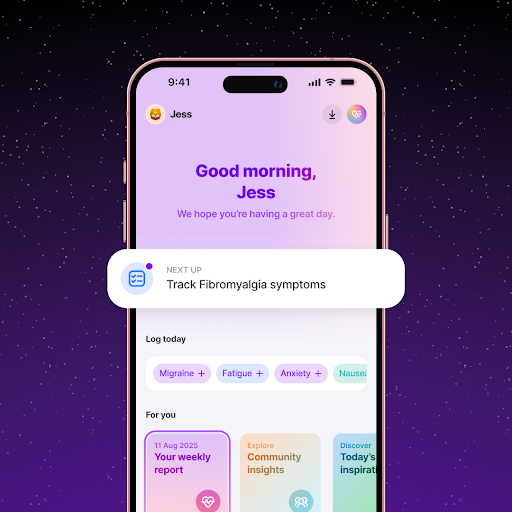
One of the biggest hurdles in managing these symptoms is the adherence gap. It is difficult to stick to a new routine when you are already exhausted and foggy. To combat this, simplify your approach. Choose one or two fibromyalgia sleep hygiene tips for mental clarity to implement this week. Once those become habits, add another.
When you speak with your doctor, bring your diary and your PSQI (Pittsburgh Sleep Quality Index) scores. This moves the conversation from "I'm tired and can't think" to "I am experiencing specific sleep fragmentation that is impacting my working memory." This level of detail helps your care team transition from generalized advice to personalized clinical interventions.
FAQ
What exactly is fibro fog?
Fibro fog is a term used to describe the cognitive difficulties associated with fibromyalgia. It includes a range of symptoms such as poor working memory, difficulty concentrating, mental slowness, and an overall feeling of being "spaced out." It is recognized by medical professionals as a significant symptom of the condition, often linked to the way the brain processes pain and sleep.
Why does fibromyalgia cause cognitive impairment?
The impairment is largely due to the brain's limited bandwidth being consumed by chronic pain signals, a concept known as the neural resource allocation hypothesis. Additionally, fragmented sleep architecture prevents the glymphatic system from clearing metabolic waste from the brain, leading to neuroinflammation and reduced processing speed.
What are the main symptoms of fibro fog?
Common symptoms include forgetfulness, difficulty finding the right words (aphasia), inability to multitask, slow speech, and feeling easily overwhelmed by sensory information or complex tasks. Many people describe it as a "cloud" that settles over their thoughts, making simple mental tasks feel exhausting.
What is the best way to treat fibro fog?
The most effective approach is addressing the underlying sleep disturbances through nonpharmacologic interventions. This includes improving sleep hygiene, using CBT-I to address insomnia, and practicing cognitive pacing to manage daily energy. By improving the quality of deep, delta wave sleep, the brain can better clear toxins and restore neurotransmitter balance.
Can fibro fog be cured or reversed?
While fibromyalgia is a chronic condition, the cognitive symptoms are often highly responsive to lifestyle changes and sleep optimization. Many patients find that as they improve their restorative sleep and manage their pain-sleep cycle, their mental clarity significantly returns. It is not a permanent brain injury, but rather a functional state that can improve with the right interventions.