Quick Facts
- Primary Finding: Treatment with GLP-1 receptor agonists is linked to a 17% overall reduction in the risk of 13 specific obesity-related cancers.
- Specific Success: Patients showed a 47% lower risk for ovarian cancer and a 25% lower risk for endometrial cancer compared to other treatments.
- Comparison: Data indicates these therapies may be up to 41% more effective at cancer reduction than bariatric surgery alone for certain populations.
- Mechanism: These drugs work by reducing pro-inflammatory cytokines and suppressing the insulin-like growth factor pathway.
- Safety: Standard protocol includes monitoring for thyroid safety during glp-1 cancer prevention therapy and evaluating kidney health.
- Clinical Outlook: Real-world analysis shows a 31% to 50% lower risk of progression to metastatic disease in solid tumors like lung and breast cancer.
GLP-1 receptor agonists significantly lower glp-1 cancer risk by promoting metabolic health and reducing systemic inflammation. Recent studies show a 17% overall reduction in 13 obesity-related cancers, proving these drugs offer long-term health benefits beyond weight loss by creating a tumor-resistant environment in the body.
The Preventive Oncology Shift: Beyond the Scale
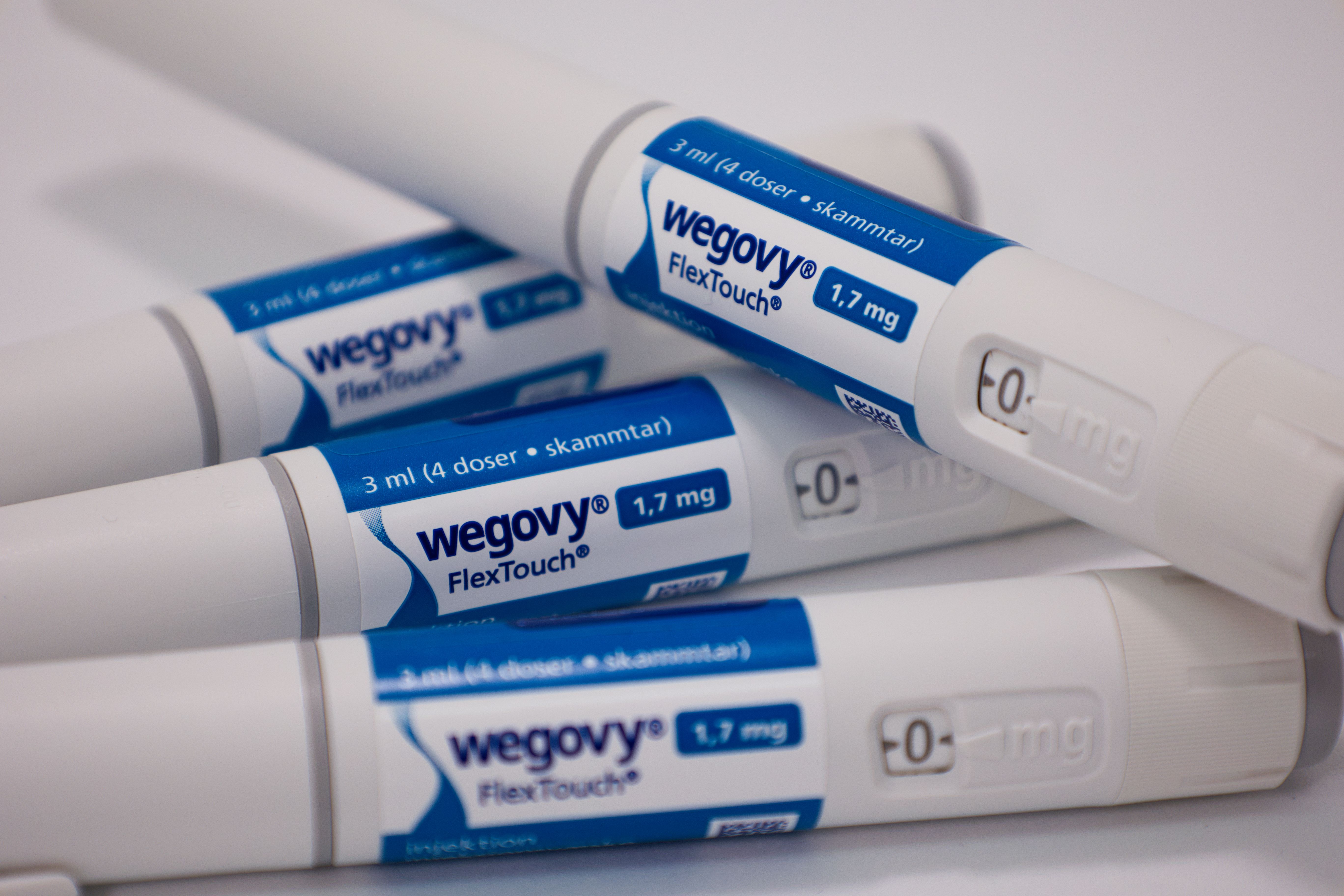
For years, the conversation surrounding GLP-1 receptor agonists like Wegovy and Zepbound has been dominated by the numbers on the bathroom scale. However, as a preventive care editor, I believe we are witnessing a profound shift in how we view these medications. We are moving away from treating obesity as a cosmetic concern and toward addressing it as a primary metabolic driver of malignancy. The field of preventive oncology is now looking at how GLP-1 drugs reduce obesity-related cancer risk by addressing the root biological triggers that allow tumors to thrive.
The scale of this impact was highlighted in a retrospective cohort study involving over 86,000 patients. This research found that the use of GLP-1 receptor agonists was associated with a 17% overall reduction in the risk of 13 obesity-related cancers. What makes this discovery so significant for our daily routines is that the risk reduction often appears independent of body mass index changes alone. While losing weight is beneficial, the drug itself seems to alter the internal environment of the body, making it less hospitable to cancer.
This shift suggests that glp-1 obesity-related cancer prevention is becoming a cornerstone of chronic disease management. By remodeling adipose tissue—the fat tissue that serves as an active endocrine organ—these medications help silence the "noise" of chronic inflammation that often leads to cellular mutations.
Biological Mechanisms: How GLP-1 Rewires the Tumor Microenvironment
To understand the biological mechanisms of glp-1 on cancer risk, we have to look deeper than just a suppressed appetite. Obesity creates a state of chronic, low-grade inflammation. This environment is characterized by high levels of pro-inflammatory cytokines and circulating insulin, both of which act as fuel for tumor growth.
One of the primary biological mechanisms of glp-1 on obesity-related tumor growth involves the regulation of the insulin-like growth factor pathway. High levels of insulin can activate the PI3K/Akt/mTOR signaling pathways, which are essentially the "green light" for cells to multiply uncontrollably. By enhancing insulin sensitivity and reducing overall circulating insulin levels, GLP-1 therapies effectively turn that green light to yellow or red.
Furthermore, these incretin-based therapies assist in adipose tissue remodeling. Instead of having large, inflamed fat cells that leak fatty acids and inflammatory markers into the bloodstream, the body begins to develop healthier, more stable fat cells. This improvement in the tumor microenvironment is particularly crucial for preventing hormone-dependent malignancies, such as endometrial carcinoma and certain types of breast cancer, where the hormonal output of fat tissue plays a decisive role in cancer progression.
Clinical Outcomes: Analyzing the 13 Obesity-Related Cancers
When we look at the specific outcomes for patients, the data is remarkably encouraging. While the 17% overall reduction is a powerful headline, the breakdown by cancer type reveals even more dramatic results. For instance, the 47% reduction for ovarian cancer and 25% reduction for endometrial cancer highlight the potent effect these drugs have on gynecological health.
The long-term health benefits of glp-1 receptor agonists also extend to the digestive system. We see significant reductions in the risk of colorectal adenocarcinoma and gallbladder cancer. These findings are supported by a large real-world analysis indicating that GLP-1 receptor agonists are associated with a 31% to 50% lower risk of progression to metastatic disease in solid tumor types.
Interestingly, when compared to other interventions, GLP-1s hold their own. An observational study of 170,030 adults demonstrated that GLP-1 treatment was associated with a 7% lower risk of developing an obesity-related cancer and an 8% lower risk of all-cause mortality compared to those taking older classes of diabetes medications like DPP-4 inhibitors.

While the data for most cancers is positive, there are nuances to consider. Some research, including glp-1 receptor agonists for ckd patients with obesity-related cancer risk, suggests that we must be diligent in monitoring kidney function. Some studies have noted a slightly higher hazard ratio for certain kidney-related issues in specific cohorts, emphasizing that these medications must be part of a comprehensive, physician-led care plan.
Safety and Monitoring: Navigating Thyroid and Kidney Concerns
As with any powerful medical intervention, understanding the safety profile is essential for peace of mind. The most common question regarding glp-1 cancer risk involves the "Black Box" warning for thyroid C-cell tumors. While this has been a standard warning based on early rodent studies, human data has not shown a definitive causative link in the general population.
However, clinical caution remains the gold standard. Doctors typically ask: is glp-1 safe for patients with a family history of cancer? Specifically, those with a family history of Medullary Thyroid Carcinoma (MTC) or Multiple Endocrine Neoplasia syndrome type 2 (MEN 2) are generally advised to avoid these medications.
For the broader population, monitoring for thyroid safety during glp-1 cancer prevention therapy involves routine physical exams and awareness of symptoms like hoarseness or difficulty swallowing. We are also keeping a close eye on the "Medication Watchlist" as newer drugs enter the pipeline.
Medication & FDA Status Table
| Medication | Primary Use | Current Status for Chronic Disease |
|---|---|---|
| Wegovy (Semaglutide) | Obesity | FDA approved; breakthrough status for MASH/Liver health |
| Zepbound (Tirzepatide) | Obesity | FDA approved; showing strong metabolic benefits |
| Retatrutide | Weight Loss | In Phase 3 trials; targets three different receptors |
| Ozempic (Semaglutide) | Type 2 Diabetes | Widely used; extensive long-term safety data available |
Beyond thyroid concerns, it is vital to monitor liver health. Many obesity-related cancers are linked to metabolic-associated steatohepatitis (MASH), formerly known as non-alcoholic fatty liver disease. The ability of GLP-1s to reduce liver fat is one of the most promising long-term health benefits of glp-1 agonists beyond weight loss, as it directly reduces the risk of metabolic-associated liver cancers.
Nutritional Support: Mitigating Sarcopenia During Therapy
From a lifestyle perspective, the most critical factor to manage during GLP-1 therapy is muscle mass. When patients lose weight rapidly, they risk losing skeletal muscle—a condition known as sarcopenia. Muscle is not just for movement; it is a metabolically active tissue that helps regulate blood sugar and reduces systemic inflammation. Losing too much muscle can actually hinder your metabolic health and potentially increase oncologic risk.
To support the long-term health benefits of glp-1 receptor agonists, I recommend the following nutritional routine:
- Prioritize Protein: Aim for 1.2 to 1.5 grams of protein per kilogram of body weight daily. This helps preserve lean muscle mass during active weight loss.
- Resistance Training: Incorporate strength training at least twice a week to signal to your body that it needs to keep its muscle tissue.
- Fiber Intake: Support your gut microbiome with plenty of fiber, which helps manage the digestive side effects of the medication and further reduces pro-inflammatory cytokines.
- Hydration: GLP-1s can sometimes reduce the sensation of thirst, making intentional hydration vital for kidney health and metabolic function.
By combining the biological power of these medications with a structured lifestyle approach, we aren't just losing weight—we are rebuilding a healthier, more resilient body.
FAQ
Do GLP-1 medications increase the risk of thyroid cancer?
Current human clinical data has not established a definitive link between GLP-1 medications and thyroid cancer in the general population. However, because rare thyroid C-cell tumors were seen in animal studies, the FDA maintains a warning for individuals with a personal or family history of specific conditions like Medullary Thyroid Carcinoma.
What is the link between GLP-1 agonists and pancreatic cancer?
Early concerns about a link between GLP-1 therapies and pancreatic cancer have largely been addressed by extensive real-world studies. Major health organizations and recent meta-analyses have found no significant evidence that these drugs increase the risk of pancreatic malignancy in humans.
Can people with a history of cancer take GLP-1 medications?
Is glp-1 safe for patients with a family history of cancer or a personal history? In many cases, yes, but it requires a coordinated effort between an oncologist and an endocrinologist. For many survivors, the benefits of reducing obesity-related inflammation outweigh the theoretical risks, but the decision must be individualized.
What are the long-term safety concerns of GLP-1 weight loss drugs?
The primary long-term concerns focus on maintaining muscle mass, ensuring adequate nutrient absorption, and monitoring gallbladder and kidney health. While the long-term health benefits of glp-1 agonists beyond weight loss are significant, patients should stay under regular medical supervision to manage these potential side effects.
Has the FDA issued warnings about GLP-1s and cancer?
The FDA includes a boxed warning regarding the risk of thyroid C-cell tumors, based on animal data. They continue to monitor all adverse event reports, but currently, they have not found a causal link between these medications and an increased risk of other types of cancer in humans; in fact, much of the emerging data suggests a protective effect.