Quick Facts
- Mental Impact: semaglutide and tirzepatide use are linked to a dual effect where many experience reduced anxiety while a small percentage may face mood fluctuations.
- Neurobiology: GLP-1 receptors are not just in the gut; they are located in the hippocampus and hypothalamus, directly influencing emotional processing.
- Success Rate: A major study found a 42% lower risk of worsening mental health among semaglutide users.
- Coping Strategy: Success requires a shift from emotional eating to psychological resilience as the primary way to manage stress.
- When to Act: Patients should seek professional help if they experience persistent anhedonia or a sudden, persistent low mood.
- Clinical Findings: Research indicates a 44% reduction in the risk of worsening depression and a 38% reduction in worsening anxiety for those on these medications.
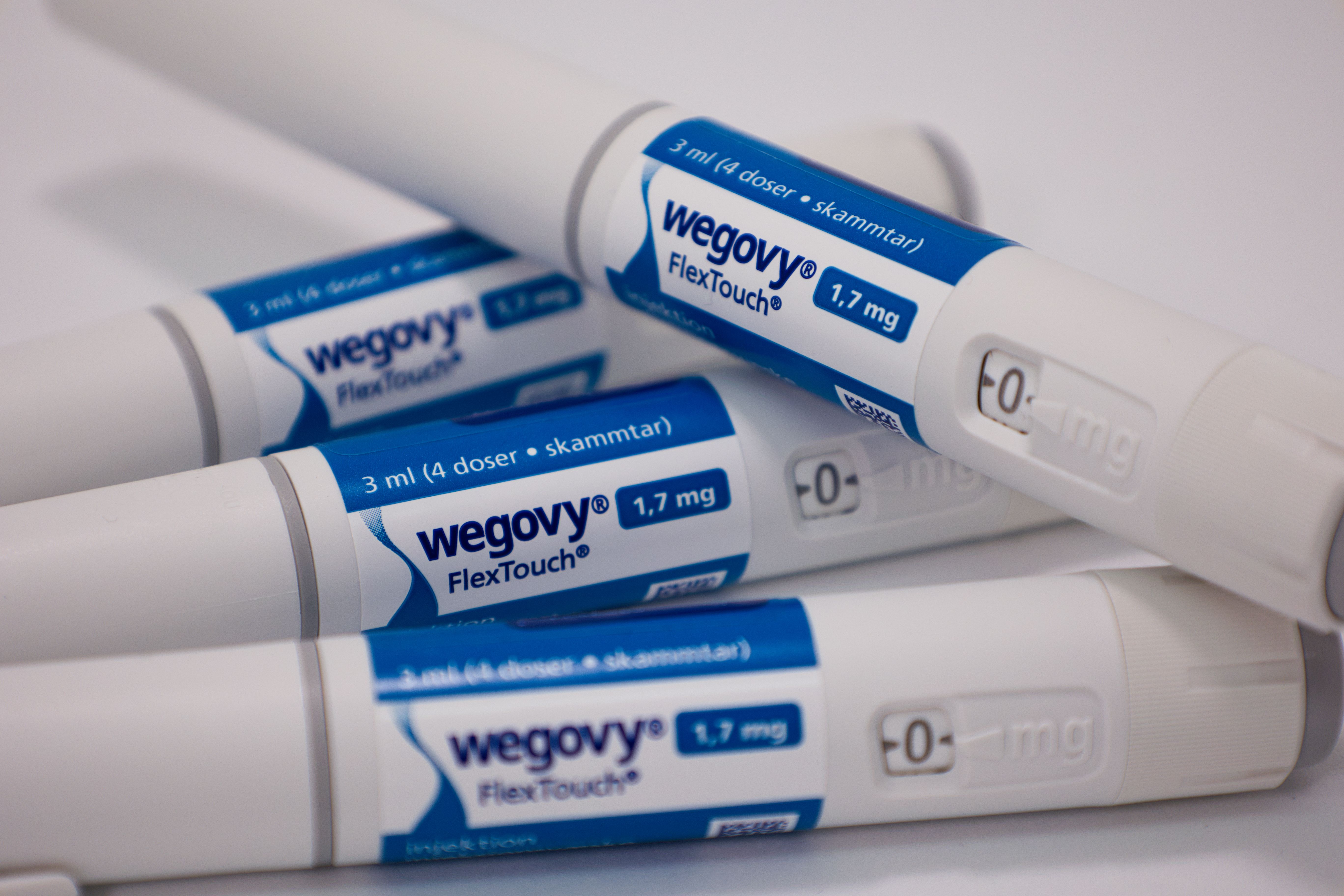
Beyond physical changes, GLP-1 mental health is a critical component of the treatment journey. While these medications effectively manage metabolic health, they also influence the brain reward system and dopamine regulation. Understanding how to navigate emotional changes on GLP-1 medications is essential for long-term success. GLP-1 medications influence mental health by affecting brain reward systems and dopamine regulation; while reducing food noise provides relief, patients must actively manage mood fluctuations and the loss of emotional coping mechanisms.
The Neurobiology of Change: How GLP-1s Affect the Brain
When we talk about GLP-1 medications, the conversation usually centers on the pancreas and the stomach. However, as a mindfulness and mental health editor, I find the most fascinating developments occurring north of the neck. The brain is densely populated with GLP-1 receptors, specifically in regions like the hippocampus, the neocortex, and the hypothalamus. These are the command centers for memory, executive function, and, most importantly, our reward processing.
The primary way these medications interact with our psyche is through dopamine regulation. In a typical brain, the anticipation of high-calorie food triggers a dopamine spike, driving what we call hedonic hunger—the desire to eat for pleasure rather than fuel. GLP-1 agonists effectively dampen this signal within the brain reward system. By modulating these neurobiological changes, the medication doesn’t just make you feel full; it changes how your brain perceives the value of a "reward."
This shift in satiety cues is a double-edged sword. On one hand, it grants a sense of emotional liberation from the constant intrusive thoughts about food. On the other, because the brain reward system is being recalibrated, some individuals may find that things that used to bring them joy—not just food, but hobbies or social interactions—feel slightly muted. This is a subtle neurological recalibration that requires mindful observation rather than alarm.
Navigating the 'Food Noise' Vacuum: The Early Mental Transition
One of the most profound experiences patients report is the sudden silence. For many, food noise—the constant, buzzing internal monologue about the next meal—has been a lifelong companion. When this noise vanishes, it often creates a psychological vacuum. If food was your primary tool for emotional regulation, its sudden absence can leave you feeling exposed.
During the first few weeks of therapy, it is common to struggle with the loss of emotional eating. This is the period where identifying depression symptoms during GLP-1 therapy becomes vital. It isn't always that the medication "causes" depression; rather, it may remove the primary coping mechanism (food) that was masking an underlying depressive state or anxiety. This is where replacing emotional eating behaviors while on GLP-1s becomes a therapeutic necessity.
In my work with mindfulness, I encourage patients to view this vacuum as a space for growth. Without the constant pull of cravings, you have the mental clarity to adopt new satiety cues and self-soothing rituals. However, if you notice a persistent state of anhedonia—a total inability to feel pleasure—this is a sign that the dopamine regulation may be dipping too low, and it is time to consult your clinical team. Transitioning through this phase requires patience and the realization that your brain is essentially learning a new language of satisfaction.
The 5-Phase Journey: Managing Emotional Well-being Long-Term
Managing emotional well-being with GLP-1s is not a one-time adjustment; it is an evolving process that mirrors your physical transformation.
- The Honeymoon Phase: In the beginning, the rapid reduction in food noise and the initial weight drop often bring a "high." You feel empowered and in control. This is the time to start cognitive behavioral therapy or mindfulness practices to solidify these gains.
- The Adjustment Phase: As you titrate your dose, you may experience GLP-1 mood side effects like irritability or fatigue. This is often linked to the body’s metabolic adjustment. It is crucial to monitor how to manage anxiety while on semaglutide during these dosage bumps, as physical side effects (like nausea) can often mimic the physical sensations of an anxiety attack.
- The Plateat/Realization Phase: When weight loss slows, the "mental work" truly begins. This is where psychological resilience is tested. You must confront the reality that the medication is a tool, not a cure for emotional struggles.
- The Identity Shift: As your physical form changes, your self-perception often lags behind. You may experience a disconnect between the person in the mirror and the person you feel like inside.
- The Maintenance Phase: Long-term success involves stabilizing your new identity. This phase focuses on disordered eating recovery and ensuring that you haven't simply traded one obsession for another.
Throughout these phases, the goal is to move from a state of "restriction" to a state of "emotional abundance," where your well-being is tied to your metabolic health and mental clarity rather than the number on a scale.
Identity and Relationships: Beyond the Scale
The mental impact of GLP-1 medications extends far beyond the individual; it ripples out into our social circles and intimate relationships. Food is a social glue. When you stop participating in the shared ritual of "indulgence," it can create friction with partners or friends who relied on those shared behaviors to bond.
Communicating GLP-1 mood changes to partners is essential for maintaining relationship health. If you are feeling more withdrawn or if your social anxiety has spiked because you can no longer "hide" behind a plate of food, talk about it. Explain that your brain is re-learning how to find joy and that your lack of interest in a communal dessert isn't a rejection of them, but a result of your shifting neurobiology.
Furthermore, we must address the lingering shadow of internalized weight bias. Many patients find that even after significant weight loss, they still carry the "mental weight" of past stigmas. Body image support after GLP-1 weight loss is not just about appreciating a new reflection; it is about deconstructing the belief that your worth was ever tied to your size. High-quality counseling can help process these complex emotional changes on GLP-1 medications, ensuring that the person you become is someone you truly know and love.

When to Seek Help: A Checklist for Mental Safety
While the 44% reduction in worsening depression found in large-scale studies is incredibly encouraging, every individual’s brain chemistry is unique. It is important to have a "mental safety plan" in place.
Consider seeking professional support if you experience:
- Persistent feelings of hopelessness or emptiness that last longer than two weeks.
- A total loss of interest in activities you once loved (anhedonia) that does not improve as physical side effects subside.
- Increased thoughts of self-harm or "not wanting to be here."
- Severe anxiety that interferes with your ability to perform daily tasks or sleep.
- A return of disordered eating patterns, such as extreme restriction or a fixation on "clean" eating that causes distress.
A holistic approach to GLP-1 therapy means treating your mental health with the same rigor as your A1C or BMI. You deserve to feel as good as your lab results look.
FAQ
Do GLP-1 medications affect mood or mental health?
Yes, GLP-1 medications can significantly impact mood and mental health by interacting with receptors in the brain that regulate reward and emotion. Many people report a positive effect, such as a reduction in the intrusive thoughts known as food noise, which can lower overall stress. However, some individuals may experience mood side effects like increased irritability, fatigue, or a sense of emotional flatness as their dopamine regulation adjusts to the medication.
Can GLP-1 agonists cause depression or anxiety?
While the majority of clinical data, including a study of 95,000 participants, suggests that medications like semaglutide actually lower the risk of worsening depression and anxiety, some individual cases of mood changes have been reported. It is often unclear whether the medication itself causes depression or if the loss of food as a primary coping mechanism allows underlying mental health issues to surface. Monitoring your emotional state with a healthcare provider is essential.
Can GLP-1 medications improve symptoms of depression?
Recent research published in The Lancet Psychiatry indicates that semaglutide use was associated with a 44% lower risk of worsening depression. For many, the improvement in metabolic health, the reduction in systemic inflammation, and the relief from the mental burden of food noise contribute to a significant boost in overall mood and psychological resilience.
What should I do if I experience mood changes while on a GLP-1?
If you notice persistent emotional changes on GLP-1 medications, the first step is to document when these feelings occur in relation to your dosage. Share these observations with your doctor immediately. They may suggest adjusting your dose, incorporating cognitive behavioral therapy, or adding supplemental support to help you manage the transition. Never stop the medication abruptly without medical guidance.
Can GLP-1 agonists help with addictive behaviors or cravings?
There is growing evidence and ongoing clinical interest in how GLP-1 medications might help with addictive behaviors beyond food, such as alcohol consumption or smoking. Because the medication modulates the brain reward system and dopamine regulation, it may reduce the "urge" or "craving" associated with various substances, though more research is needed before this becomes a standard clinical application.