Quick Facts
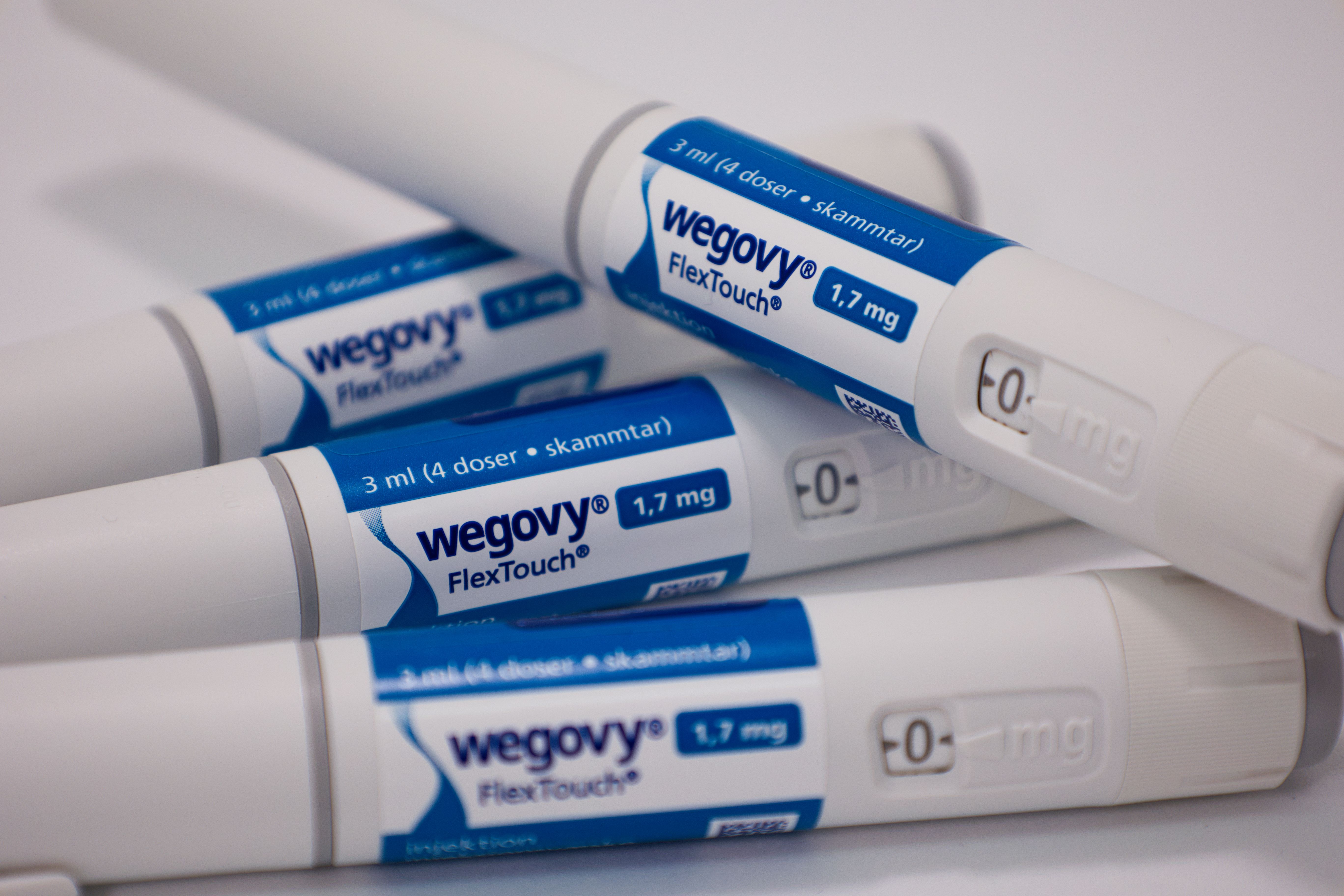
- Lean Mass Risk: Without intervention, 25-40% of weight lost on GLP-1 medications may come from muscle tissue rather than fat.
- Protein Target: Maintaining a daily intake of 1.2 to 1.6 grams of protein per kilogram of body weight is essential for muscle preservation.
- Training Frequency: Engaging in structured resistance training 2 to 4 times per week provides the necessary anabolic stimulus to protect lean tissue.
- Critical Window: The first 2 to 3 weeks of medication are the most vital for establishing nutritional and exercise interventions.
- Metabolic Impact: Preserving muscle helps protect your resting metabolic rate (RMR) by 8-12%, making long-term weight maintenance significantly easier.
- Tracking Methods: Relying on DEXA scans or functional strength tests is more accurate than a standard scale for monitoring muscle health.
Muscle loss occurs during GLP-1 therapy because the body often breaks down lean tissue alongside fat when in a significant caloric deficit. Rapid weight loss can lead to a reduction in muscle protein synthesis, potentially impacting metabolism and physical strength. To mitigate GLP-1 muscle loss, users must provide an anabolic stimulus through high protein intake and resistance training.
The Science: Why GLP-1 Medications Impact Muscle
When you begin therapy with GLP-1 receptor agonists, the primary mechanism for weight loss is a profound suppression of appetite and slowed gastric emptying. While this is highly effective for reducing calorie intake, it often leads to a caloric deficit so extreme that the body begins to look for energy sources beyond just stored fat. Without specific physiological signals to keep it, skeletal muscle becomes a secondary fuel source.
The clinical data highlights the scale of this challenge. In the SURMOUNT-1 clinical trial for tirzepatide, researchers found that approximately 75% of total weight reduction was fat mass, while 25% was attributed to lean mass. While some loss of lean mass (which includes water and connective tissue) is expected during any weight loss journey, the proportions seen with these medications are higher than those seen with traditional dieting alone.
Further evidence from the STEP 1 clinical trial of semaglutide indicated that 39% to 40% of the total weight lost by participants was lean body mass as measured by DXA scans. A broader meta-analysis of nine randomized controlled trials published in Obesity confirmed this trend, finding that lean mass loss accounted for an average of 30.8% of the total body weight reduction in adults receiving GLP-1 receptor agonist therapy.
The risk here is not just about aesthetics; it is about metabolic health. Muscle is a highly metabolic tissue. When you lose a significant amount of it, you experience metabolic adaptation, where your body requires fewer calories to function, potentially leading to a weight loss plateau or rapid regain once medication is discontinued. Furthermore, excessive lean tissue loss can lead to sarcopenic obesity, a condition where a person has a high body fat percentage despite having a "normal" weight, accompanied by low functional strength.
Nutrition: The Non-Negotiable Protein Foundation
To counteract the trend of muscle wasting, your nutritional strategy must shift from simply "eating less" to "eating with purpose." The most important factor in maintaining lean muscle on GLP-1 is hitting specific protein targets. Protein provides the essential amino acids required for muscle protein synthesis, the process by which your body repairs and builds muscle tissue.
When you are in a significant caloric deficit, your protein requirements actually increase. While the standard RDA is 0.8g/kg, GLP-1 users should aim much higher. I recommend a range of 1.2 to 1.6 grams of protein per kilogram of body weight, and for those engaging in heavy lifting, up to 2.2g/kg may be beneficial.
Because GLP-1 medications reduce your appetite, you must prioritize nutrient density. Every meal should lead with a high-quality protein source to ensure you reach your goal before you feel full.
Daily Protein Target Estimator
| Your Current Weight | Low Target (1.2g/kg) | High Target (1.6g/kg) |
|---|---|---|
| 70 kg (approx. 154 lbs) | 84g | 112g |
| 80 kg (approx. 176 lbs) | 96g | 128g |
| 90 kg (approx. 198 lbs) | 108g | 144g |
| 100 kg (approx. 220 lbs) | 120g | 160g |
| 110 kg (approx. 242 lbs) | 132g | 176g |
In addition to whole foods like poultry, fish, Greek yogurt, and legumes, you may need to consider how to avoid muscle wasting on GLP-1 medications through targeted supplementation. Creatine monohydrate (3-5g daily) is one of the most researched supplements for supporting muscle mass and strength, especially when dietary intake is low. Additionally, ensuring adequate Vitamin D and B12 levels is crucial for maintaining the energy levels needed for consistent exercise.
Resistance Training: The Anabolic Stimulus
While nutrition provides the building blocks, resistance training for GLP-1 users provides the signal. Cardio-heavy routines—while great for heart health—are often insufficient to stop the body from breaking down muscle during rapid weight loss. You must provide an anabolic stimulus that tells your body that your muscle tissue is necessary for survival.
A successful resistance training protocol for GLP-1 weight loss should focus on hypertrophy and strength. You should aim for 2 to 4 sessions per week, focusing on compound movements that recruit multiple muscle groups, such as squats, presses, and rows. To see results, you need to apply progressive overload, which means gradually increasing the weight, frequency, or number of repetitions in your strength training routine.
Targeting Type II muscle fibers—the fast-twitch fibers responsible for power and size—is particularly important. These fibers are often the first to atrophy during periods of inactivity or extreme caloric restriction. Aim for an intensity of 75-85% of your one-rep max (1RM) for 8-12 repetitions per set. This level of intensity ensures you are challenging the muscle enough to trigger the repair mechanisms that prevent GLP-1 muscle loss.

Monitoring Progress: Beyond the Weight Scale
The number on your bathroom scale is a blunt instrument. It cannot distinguish between a pound of fat and a pound of muscle. If you are losing weight rapidly but feel increasingly weak or fatigued, you may be experiencing significant muscle wasting.
To get a true picture of your body composition, you should look for specific indicators and use more advanced tracking tools.
Body Composition Tracking Tools
- DEXA Scan: This is the gold standard for body composition tracking for GLP-1 medication users. It provides a precise breakdown of fat mass and fat-free mass across different areas of the body.
- Bioelectrical Impedance (BIA): Found in many "smart scales," these are less accurate than DEXA but can help track trends over time.
- Grip Strength: A simple dynamometer test for grip strength is a clinically validated proxy for overall muscle health and functional mobility.
- Functional Performance: Are you still able to perform the same number of push-ups or lift the same amount of weight as when you started? A significant drop in strength is one of the most reliable signs of muscle loss versus fat loss on semaglutide.
Red Flags of Excessive Muscle Loss
You should consult with your healthcare provider if you notice any of the following during your weight loss journey:
- Losing more than 2 to 3 pounds per week consistently over a long period.
- Pronounced "skin sagging" or a sudden lack of muscle tone.
- Extreme fatigue that prevents you from completing daily tasks or exercise.
- A significant decrease in your ability to lift weights that were previously manageable.
FAQ
Does GLP-1 cause muscle loss?
Yes, GLP-1 medications can lead to muscle loss as a side effect of rapid weight reduction and a significant caloric deficit. Clinical studies have shown that without specific nutritional and exercise interventions, 25-40% of the weight lost can come from lean body mass rather than adipose tissue.
How can I prevent muscle loss while on a GLP-1?
Preventing muscle loss requires a two-pronged approach: consuming high levels of protein (1.2-1.6g/kg of body weight) and engaging in regular resistance training. These actions provide the raw materials and the biological signal necessary to maintain muscle tissue while the body burns fat for energy.
Why do people lose muscle on weight loss injections?
Muscle loss occurs because the body enters a catabolic state during extreme calorie restriction. When the brain receives signals of low energy availability, the body may break down muscle protein to create glucose or fuel, especially if there is no physical demand (exercise) to keep that muscle or enough dietary protein to sustain it.
How much protein should I eat to maintain muscle while on GLP-1s?
For most individuals, a protein intake of 1.2 to 1.6 grams per kilogram of body weight is ideal. This ensures a steady supply of amino acids for muscle protein synthesis. If you are highly active or doing intense weightlifting, you may benefit from reaching the higher end of that range, closer to 2.0g/kg.
How to track muscle mass while using GLP-1 for weight loss?
The most accurate way to track muscle mass is through a DEXA scan, which measures fat-free mass versus fat mass. In the absence of clinical imaging, you can monitor functional indicators like grip strength, your ability to perform resistance exercises, and by using smart scales that track body composition trends.