Quick Facts
- Perfect Heat: 400°F - 450°F
- Optimal Thickness: 1.25 - 2 inches
- Time: 90-120 seconds per side
- Target Temp: 125°F (Rare) to 135°F (Medium-Rare)
- Nutrition: 25g protein / 3oz serving
- Health Benefit: High in heart-healthy Omega-3 fatty acids and selenium
To grill a tuna steak perfectly, preheat your grill to high heat between 400°F and 450°F. For a 1-inch thick steak, cook for approximately 90 seconds to 2 minutes per side to achieve a seared exterior and a rare to medium-rare interior. Using thicker steaks, ideally 1.25 to 2 inches, allows for a better crust while keeping the center tender and cool.
Achieve a professional seared tuna steak recipe with our guide to high-heat grilling. Learn how to grill tuna steaks to maintain a tender, rare interior while maximizing heart-healthy Omega-3 fatty acids for a perfect clean eating staple. In this guide, we will explore the science of the sear and the nutritional density of this incredible lean protein.
Choosing the Right Cut: Safety and Sustainability
When you walk up to the seafood counter, the options can be overwhelming. For a high-quality grilled tuna steak, your best bets are Yellowfin Ahi or Bigeye tuna. These varieties offer a beautiful deep red color and a firm texture that holds up well to the intense heat of the grill. From a sustainability standpoint, it is always worth checking for labels from organizations like the Marine Stewardship Council to ensure you are supporting healthy ocean ecosystems.
One term you will frequently see is Sushi-grade quality. While "sushi-grade" is not a legal FDA definition, it typically implies that the fish was flash-frozen shortly after being caught to ensure safety. Interestingly, the FDA provides a specific parasite destruction exemption for certain species of tuna, including Yellowfin Ahi and Bluefin, because they are naturally resistant to the types of parasites found in other wild fish. This is why we can safely enjoy a rare interior in tuna that we might avoid in other species.
Thickness is your best friend when it comes to heat management. I always recommend looking for steaks that are 1.25 to 2 inches thick. A thin steak will overcook in the center before you can develop a flavorful crust on the outside. A thicker cut provides the thermal mass needed to withstand 450-degree heat while keeping the middle cool and ruby-red.
Prep and Moisture Management
Before the fish ever touches the grates, you must address surface moisture. Moisture is the enemy of a good sear. If the surface of the fish is wet, the heat of the grill will spend its energy evaporating that water into steam rather than browning the protein. This browning, known as the Maillard reaction, is what creates the savory, complex flavors we crave. Use a paper towel to pat the steaks thoroughly dry on all sides.
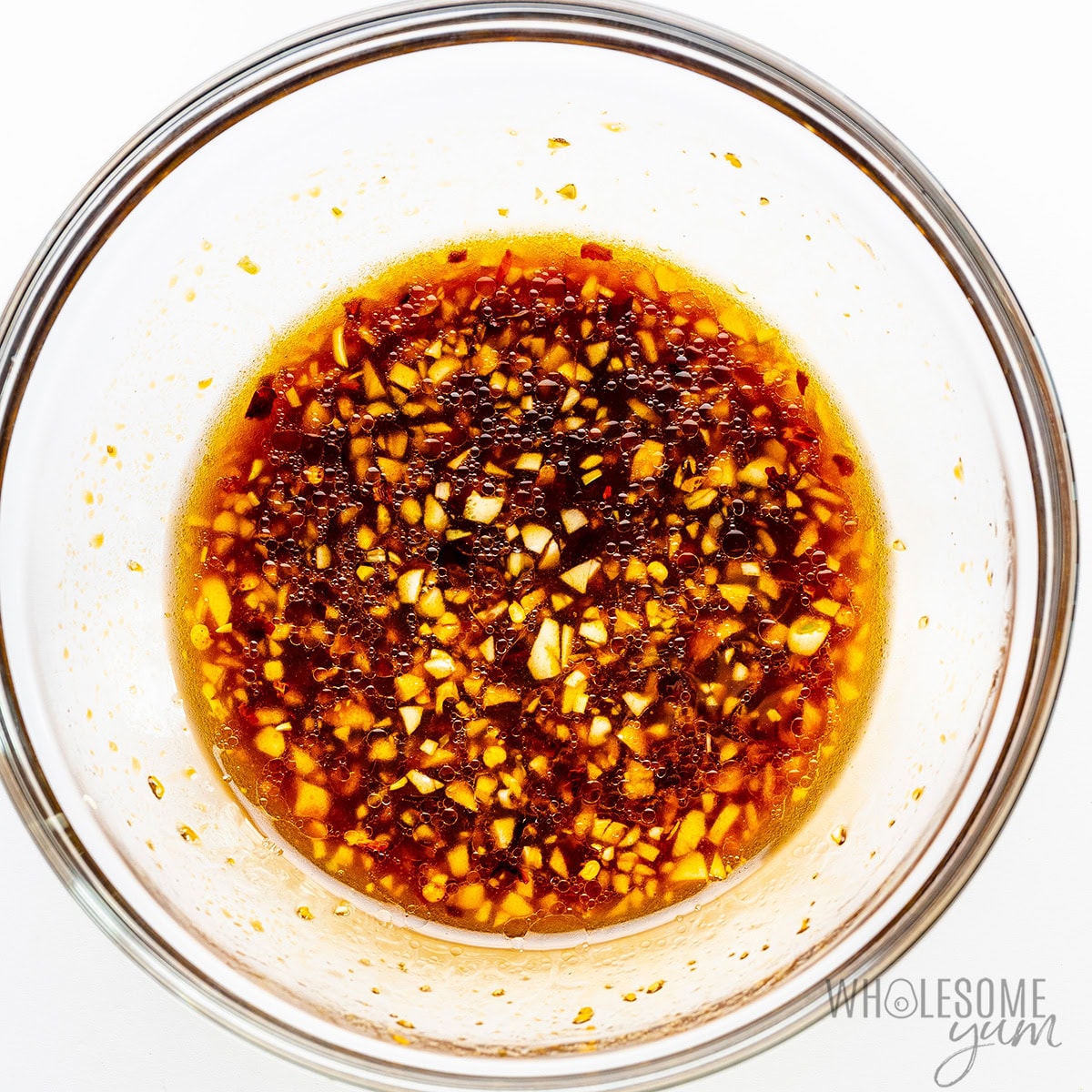
When considering a healthy marinade for grilled tuna steak, less is more. High-acidity marinades containing lots of vinegar or lime juice can actually "cook" the delicate proteins (similar to ceviche) if left on too long, resulting in a mushy texture. Instead, opt for a light coating of oil and dry seasonings. To prevent sticking, you should apply a high-smoke point oil directly to the fish rather than the grill grates.
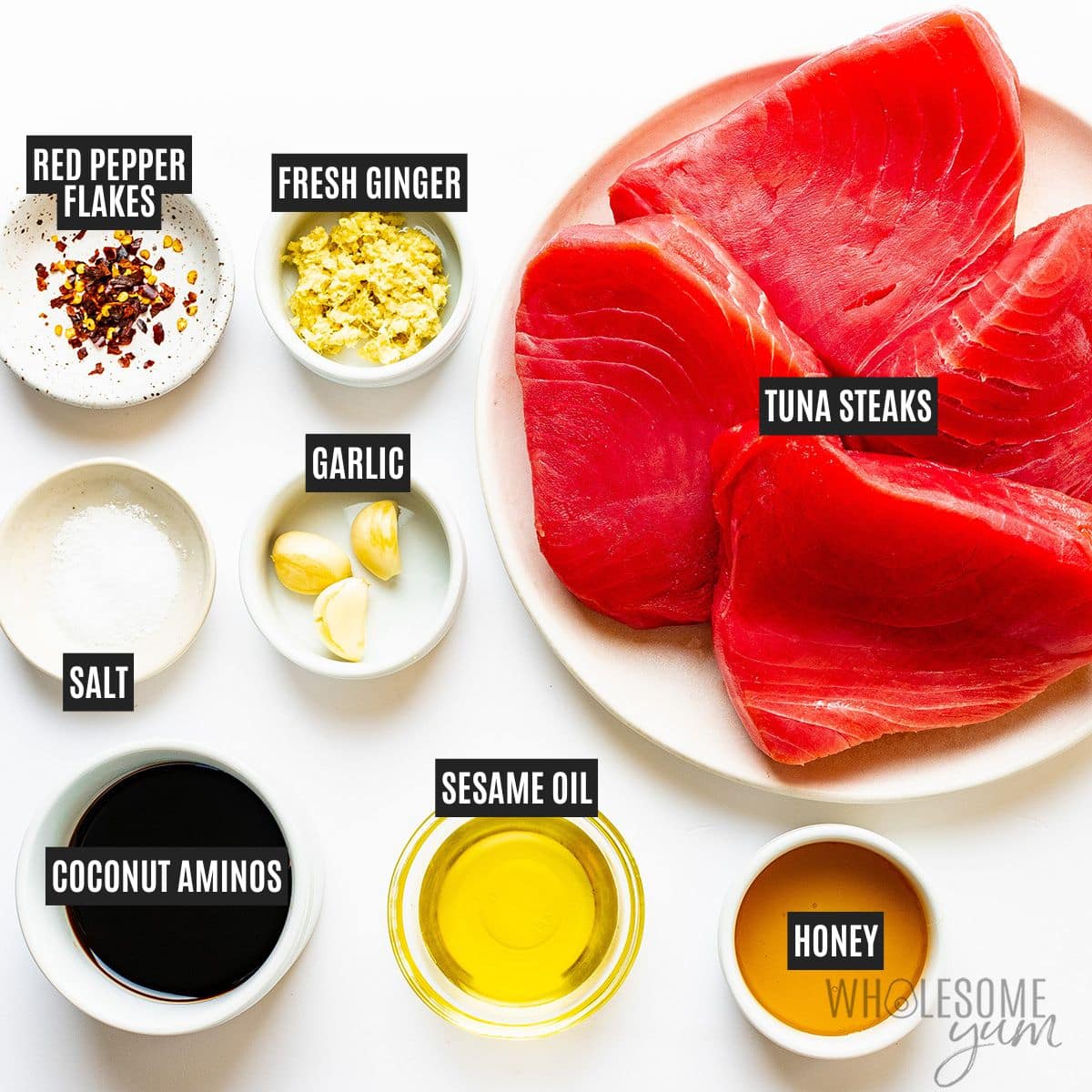
Using a high-smoke point oil like avocado oil or canola oil is essential because the grill will be exceeding 400°F. Extra virgin olive oil has a lower smoke point and can become bitter and acrid at these temperatures. Brush the oil lightly over the entire surface of the steak, then season liberally with kosher salt and cracked black pepper just seconds before placing it on the heat.
High-Heat Grilling Technique
The secret to how to grill tuna steaks like a professional chef is confidence in high heat. You want your grill grates to be screaming hot—the best grill temperature for searing tuna steaks is between 400°F and 450°F. If you are using charcoal, wait until the coals are glowing orange and covered in a light layer of grey ash. For gas grills, preheat with the lid closed for at least 15 minutes.
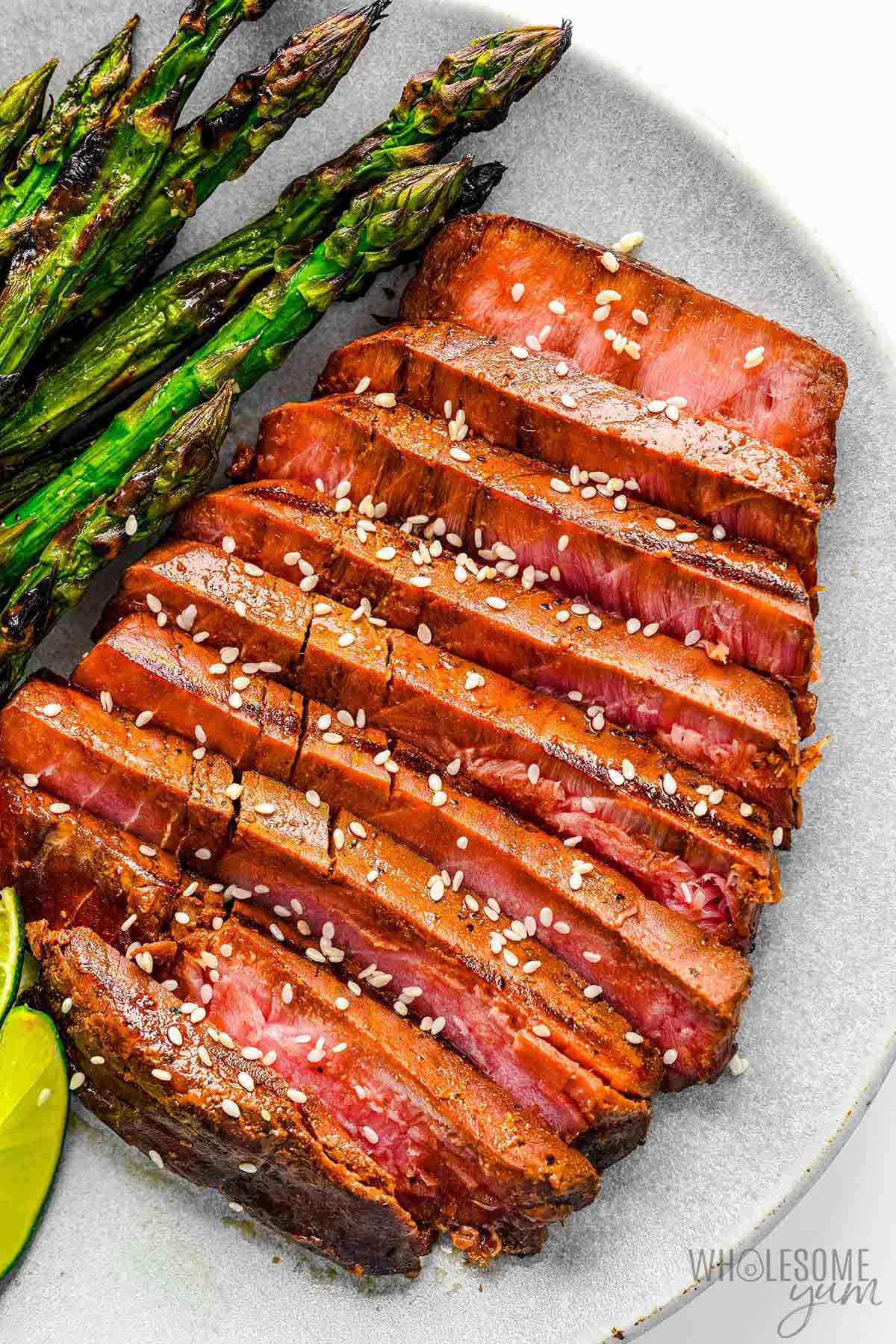
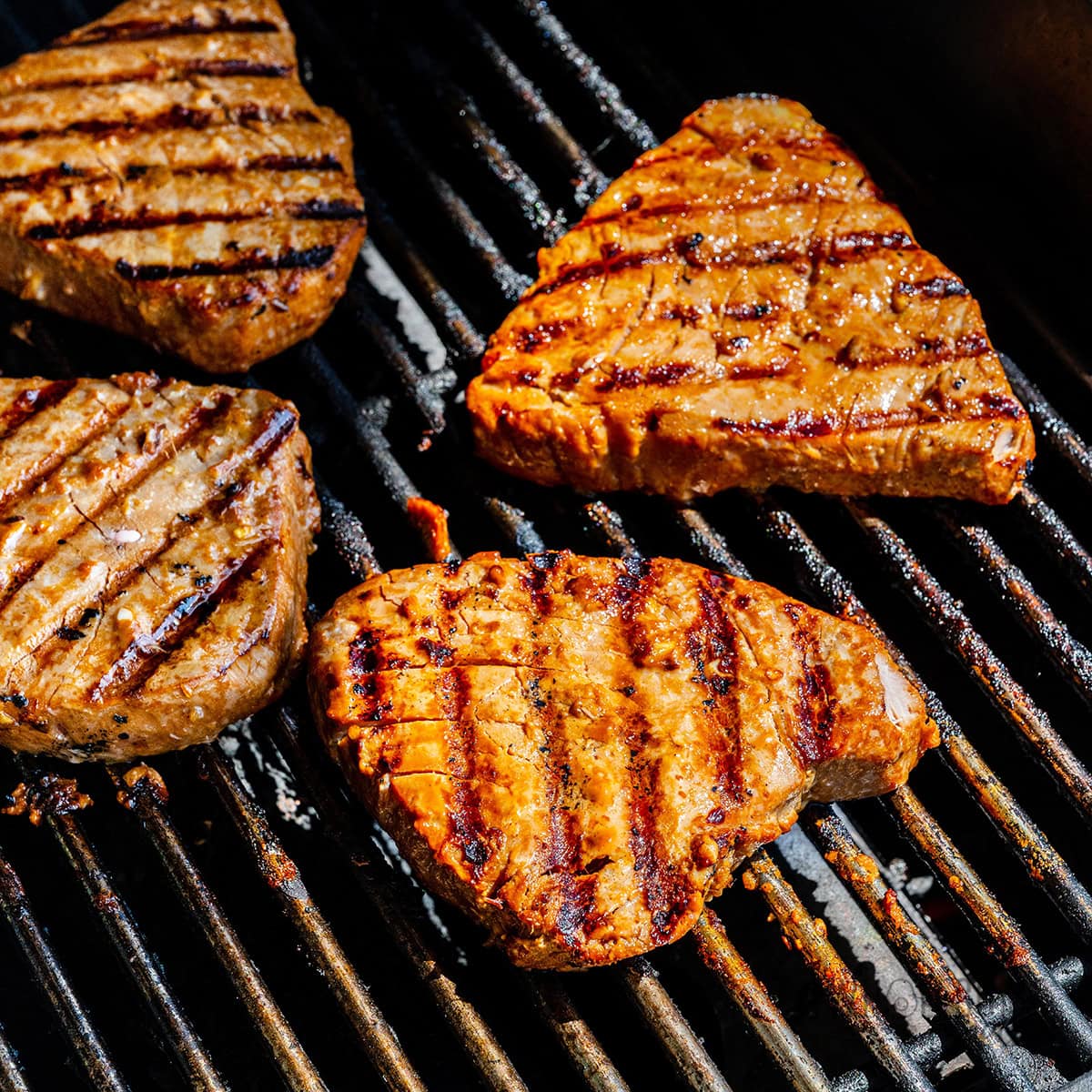
Once the grill is ready, place the steaks on the hottest part of the grate. If you want those iconic restaurant-style markings, use the quarter-turn rule. For a 90-second sear, leave the fish undisturbed for 45 seconds, then use a thin metal spatula to rotate the steak 90 degrees. Leave it for another 45 seconds before flipping. This creates the professional crosshatch sear that looks as good as it tastes.
Maintaining a rare interior is vital for the culinary experience. Because tuna is so lean, it becomes dry and chalky very quickly once it passes medium-well. You are looking for a sashimi-style texture in the center, which requires precise tuna steak grilling time. For a standard steak, you rarely need more than 2 minutes per side. Watch the side of the steak; you will see the color change from deep purple to a light beige. When that "color creep" reaches about a quarter of the way up the side, it is time to flip.
Doneness Guide and Resting
While visual cues are helpful, using a digital meat thermometer is the most reliable way to ensure you hit the correct internal temperature for medium rare grilled tuna. Because tuna is a dense muscle, it continues to cook for a few minutes after it is removed from the grill—this is called carryover cooking.
| Desired Doneness | Pull Temp (from grill) | Final Temp (after rest) | Visual Description |
|---|---|---|---|
| Rare | 115°F | 125°F | Cool, bright red center |
| Medium-Rare | 125°F | 135°F | Warm, pink/red center |
| Medium | 135°F | 145°F | Warm, light pink center |
After pulling the fish off the heat, Resting time is a step you cannot skip. Place the steaks on a warm plate or cutting board and let them sit for at least five minutes. This allows the internal muscle fibers to relax and reabsorb the juices. If you slice into the tuna immediately, those juices will run out onto the board, leaving you with a drier piece of fish.

Clean Eating Pairings
A grilled tuna steak is a nutritional powerhouse. A three-ounce serving of grilled tuna provides approximately 25 grams of high-quality protein and is an excellent source of omega-3 fatty acids, which are essential for heart and brain health. Beyond the macros, tuna is a significant source of micronutrients, with a single serving of some varieties providing up to 101 percent of the daily recommended value for selenium. Selenium is a potent antioxidant that supports thyroid function and protects the body from oxidative stress.
To keep your meal within the "clean eating" philosophy, choose accompaniments that enhance the fish without masking its natural flavor. A light ginger mustard glaze made with fresh grated ginger, Dijon mustard, and a splash of soy sauce offers a bold kick without the heavy sugars found in commercial BBQ sauces.
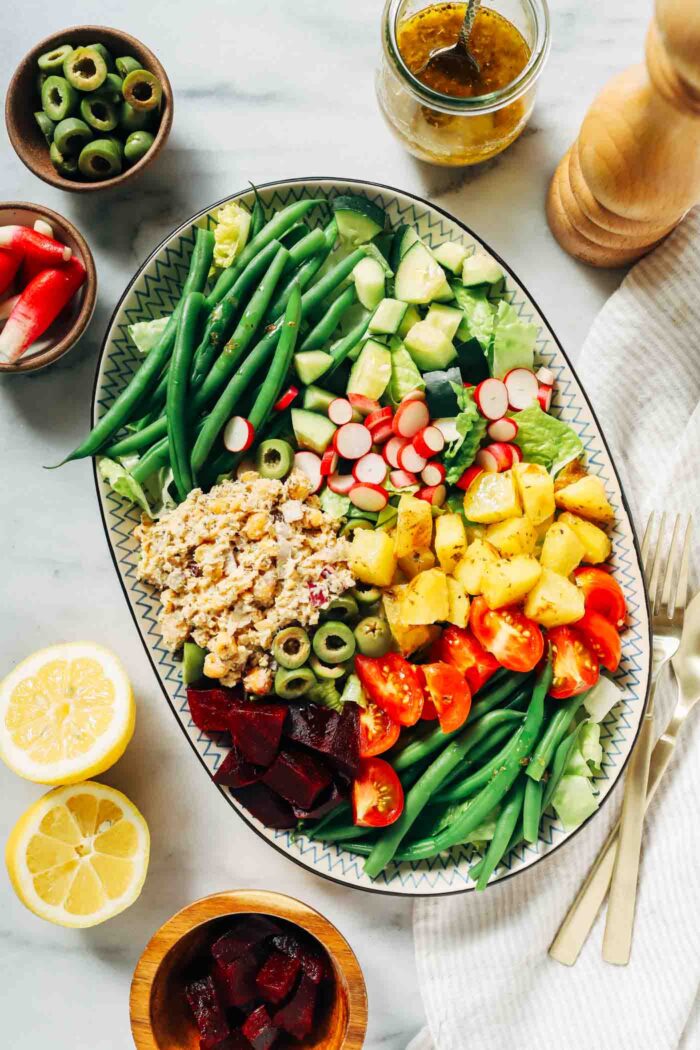
When deciding what to serve with grilled tuna steak for a clean meal, look for vibrant, fiber-rich sides:
- Tomato-Basil Salad: The acidity of fresh tomatoes cuts through the richness of the tuna.
- Steamed Baby Bok Choy: Drizzled with a touch of toasted sesame oil.
- Quinoa Pilaf: A complex carbohydrate to round out the lean protein.
- Cucumber Ribbon Salad: With rice vinegar and sesame seeds for a cooling crunch.
FAQ
How long should you grill tuna steak?
For a 1-inch thick steak at high heat, you should grill for 90 seconds to 2 minutes per side. If the steak is thicker, around 1.5 to 2 inches, you may need up to 3 minutes per side to achieve a perfect sear while maintaining a rare interior.
Should tuna steak be pink in the middle?
Yes, high-quality tuna is best enjoyed with a pink to deep red center. Because tuna is extremely lean, cooking it to a fully opaque, "well-done" state often results in a dry, tough texture. Most chefs recommend a rare to medium-rare finish for the best flavor and mouthfeel.
What is the recommended internal temperature for grilled tuna steak?
For a rare tuna steak, aim for a final internal temperature of 125°F. For medium-rare, aim for 135°F. It is best to pull the fish off the grill when it is about 5 to 10 degrees below your target temperature to account for carryover cooking during the resting period.
How do you prevent tuna steak from sticking to the grill?
The most effective way to keep tuna steaks from sticking to the grill is to start with a very clean, hot grate and to brush the fish itself with a high-smoke point oil. Additionally, do not attempt to flip the fish until a proper crust has formed; the fish will naturally "release" from the grate once the sear is complete.
What are the best seasonings for grilled tuna?
Keep it simple to let the fish shine. A liberal coating of kosher salt and freshly cracked black pepper is the foundation. For extra depth, you can add sesame seeds, garlic powder, or a light brush of a ginger mustard glaze toward the very end of the cooking process.
Grilling the perfect tuna steak is a rewarding skill that brings restaurant-quality nutrition to your home kitchen. By focusing on high heat, moisture management, and precise timing, you can enjoy a meal that is as heart-healthy as it is delicious. Give this technique a try for your next clean eating dinner—your body and your taste buds will thank you.