Our Top Picks
- Best Overall Travel Set: Pact Airplane Set – GOTS-certified organic cotton comfort for long-haul flights.
- Best Winter Insulation: Patagonia Nano Puff – Recycled materials with high thermal efficiency for cold destinations.
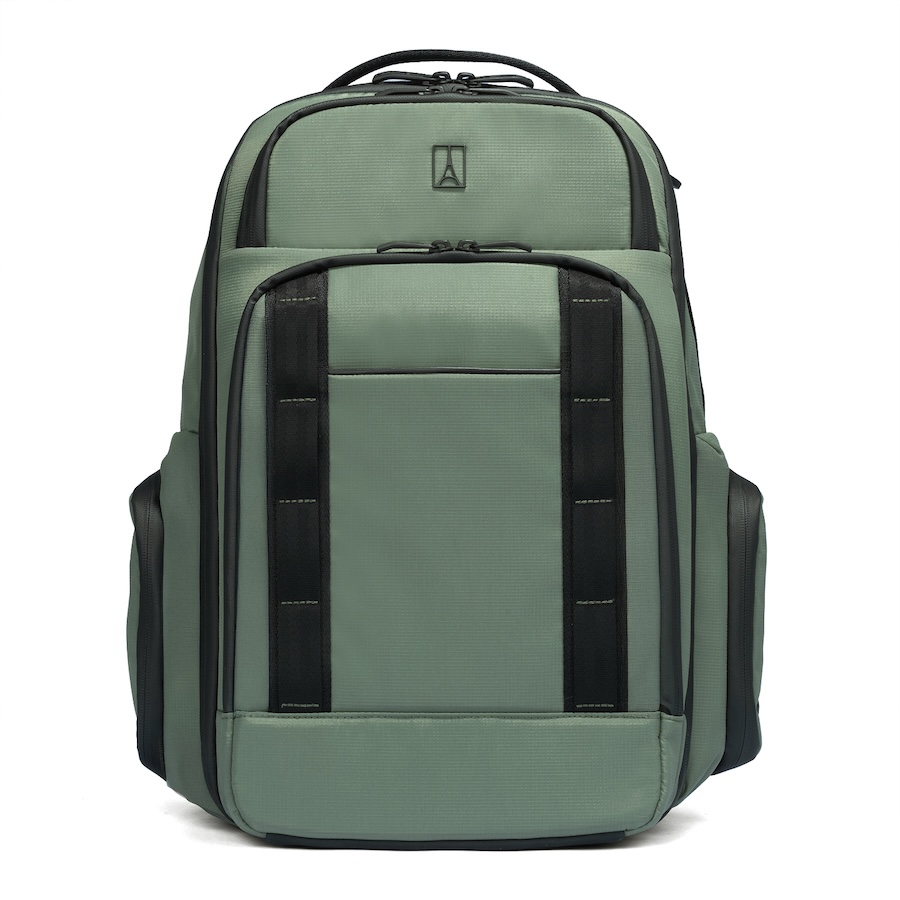
- Best Organized Luggage: Travelpro Altitude – High-performance recycled RPET construction with airport security efficiency.
- Best Versatile Layer: Frank & Eileen Triple Fleece – Polished appearance for international trips with zero-wrinkle technology.
Looking for the perfect gift for the eco-conscious explorer? This guide covers the best sustainable travel essentials, featuring 11 high-performance outfits and accessories. We've wear-tested these eco friendly travel clothes to ensure they offer comfort and style for your next international trip. Sustainable travel essentials for 2026 focus on high-performance materials like GOTS-certified textiles and recycled RPET. The best eco friendly travel clothes combine moisture-wicking properties with ethical manufacturing to reduce the fashion industry's 10% share of global carbon emissions.

The Airport Chic: Best Eco Friendly Airplane Outfit Ideas
Navigating a terminal shouldn't mean sacrificing your values or your comfort. When we look at eco friendly airplane outfit ideas, the focus is squarely on breathability and ease of movement. The modern traveler needs pieces that can withstand a ten-hour layover without losing their shape.
The fashion industry is responsible for approximately 10% of global carbon emissions, a figure that exceeds the total emissions from all international flights and maritime shipping combined. This is why choosing organic cotton travel sets for long flights is a powerful statement. Brands like Pact have mastered the art of the airplane set using GOTS certified textiles. These sets feel like pajamas but look like high-end loungewear, making them essential sustainable travel essentials for international trips.
Beyond the clothes, think about airport security efficiency. We recommend gifting tie-free stretchy laces or slip-on suede driving moccasins. These items allow you to breeze through checkpoints without the friction of traditional footwear. Moisture-wicking apparel made from Tencel or organic cotton ensures that even if the cabin temperature fluctuates, you stay dry and comfortable.
| Item | Best For | Material Focus |
|---|---|---|
| Pact Airplane Cardigan | Terminal Chills | GOTS Organic Cotton |
| Frank & Eileen Joggers | Long-haul Flights | Triple Fleece (Cotton) |
| Stretchy Laces | Security Efficiency | Recycled Elastic |
Expert Tip: After 14 hours of flying to Tokyo, the Pact set showed zero knee-bagging. The wrinkle-resistant fabrics are the real deal for those who want to walk off a plane looking refreshed.
Winter Wanderlust: Ethical Travel Clothing Brands for Winter
Winter travel presents a unique challenge: staying warm without carrying a bulky, environmentally taxing wardrobe. The global sustainable fashion market is projected to grow from $12.46 billion in 2025 to $53.37 billion by 2032, and much of this growth is driven by innovations in ethical travel clothing brands for winter.
When looking for sustainable travel gift ideas for her, consider high-loft jackets that use recycled polyester RPET instead of virgin synthetics. Patagonia remains a leader here, utilizing Fair Trade Certified factories to produce gear that lasts a lifetime. Their insulated layers often feature biodegradable fibers or recycled down, ensuring that your gift doesn't end up in a landfill a few seasons later.
Another standout brand for the holiday season is TenTree. Not only do they use sustainable travel essentials like hemp and organic cotton, but they also plant ten trees for every item purchased. This tangible environmental impact makes their hoodies and heavy-duty parkas excellent sustainable travel gifts for the eco-conscious holiday shoppers in your life.
- Patagonia Nano Puff: Windproof and water-resistant using 100% recycled polyester.
- TenTree Juniper Hoodie: A classic design made from a blend of organic cotton and recycled polyester.
- Smartwool Baselayers: Utilizing ZQ-certified merino wool for natural temperature regulation.

The Minimalist Strategy: Sustainable Travel Capsule Wardrobe
The most sustainable way to travel is to bring less. Creating a minimalist sustainable travel capsule wardrobe is an art form that relies on multi-functional travel gear. According to a 2023 survey of more than 33,000 travelers across 35 countries, 76% of global travelers stated they want to travel more sustainably over the following 12 months. Packing light is the first step toward that goal.
A capsule wardrobe should consist of about 10-12 pieces that can be mixed and matched to create over 30 different outfits. Focus on wrinkle-resistant fabrics that can be rolled tightly. Compression packing cubes are essential ethical travel accessories here; they help organize your suitcase while reducing the volume of your clothes by up to 50%.
When selecting pieces, look for versatility. A simple black dress made from recycled materials can be worn with sneakers for a day of sightseeing or dressed up with a silk scarf for dinner. This "one-item, multiple-scenarios" logic reduces the need for extra luggage and lowers your overall travel carbon footprint.
Capsule Wardrobe Checklist
- Two pairs of versatile bottoms (one denim, one performance fabric).
- Three breathable base layers (organic cotton or hemp).
- One multi-functional mid-layer (merino wool or recycled fleece).
- One weather-resistant outer shell.
- Compression packing cubes to keep everything tight.
Sustainable Luggage & High-Utility Accessories
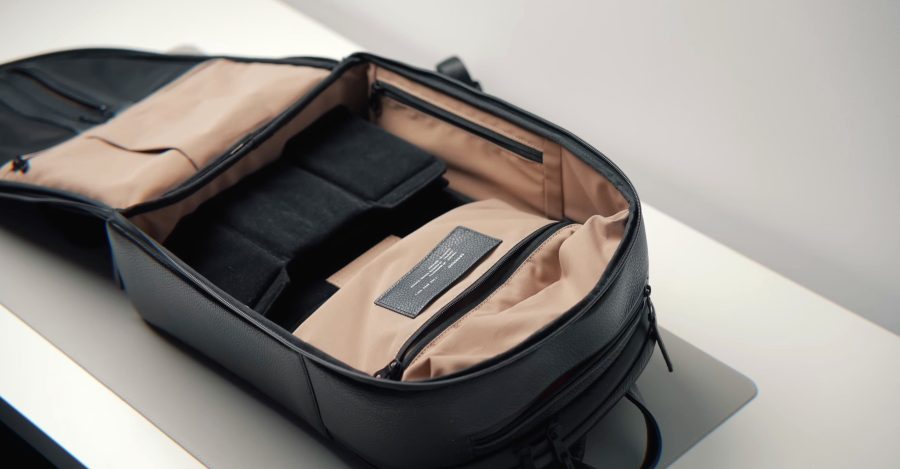
Choosing the right vessel for your gear is just as important as the gear itself. The move toward carbon-neutral suitcases has changed the way we look at sustainable travel gifts. Modern luggage brands are now using durable polycarbonate or recycled polyester RPET to create hardshell and softshell bags that can survive a decade of rough handling.
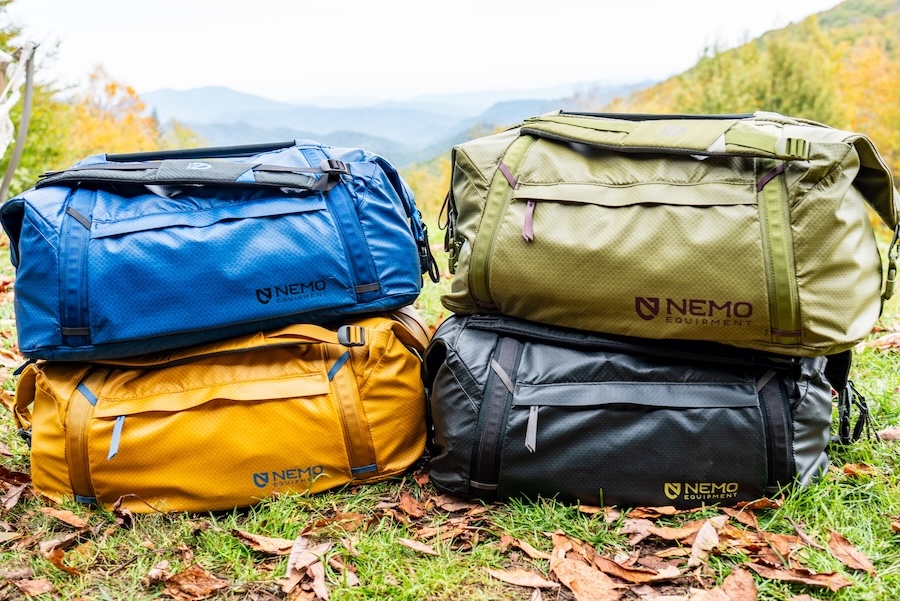
For those who prefer a more flexible option, recycled nylon duffles offer incredible durability. Brands like Nemo and Patagonia produce bags that are not only water-resistant but also made from 100% recycled factory scraps. These high-utility accessories are perfect for eco-conscious holiday shoppers who want to give a gift that serves a practical purpose.
Beyond the big bags, consider the smaller ethical travel accessories. Travel pouches made from recycled ocean plastic, TSA-approved locks made from zinc alloy, and tote inserts that help organize a chaotic bag are all excellent stocking stuffers. These items enhance airport security efficiency by keeping electronics and liquids easily accessible.
Buying Guide: How to Choose Ethical Travel Gear
When shopping for eco friendly travel clothes, it is easy to get lost in "greenwashing." To ensure you are buying truly sustainable travel essentials, you need to look for specific ethical certifications.
First, check for GOTS certified textiles. The Global Organic Textile Standard ensures that the fibers are grown without harmful pesticides and that the manufacturing process meets strict social and environmental criteria. Second, look for Fair Trade Certified factories. This ensures that the people making your clothes are paid a living wage and work in safe conditions.
Performance is just as important as ethics. A "sustainable" shirt that falls apart after two washes isn't actually sustainable. We use a high-low pricing strategy when evaluating gear: sometimes it is worth paying more for a B-Corp certified brand because the longevity of the product reduces waste over time. Biodegradable fibers like hemp and linen are excellent for warm climates, while recycled synthetics are better for technical performance in the rain or snow.
Key Certifications to Watch For
- B-Corp: The gold standard for overall social and environmental performance.
- GOTS: For organic fiber verification.
- Bluesign: Ensures the chemicals used in production are safe for the environment.
- Climate Neutral: Indicates the brand has measured and offset its entire carbon footprint.
FAQ
What are the most important sustainable travel essentials?
The most critical items include a versatile capsule wardrobe made from organic or recycled fibers, a high-quality reusable water bottle, and a durable piece of luggage made from recycled RPET. Focusing on items that serve multiple purposes helps reduce the need to overpack and ensures you are prepared for various climates and social settings without excessive consumption.
How do I start a zero-waste travel kit?
Begin with the basics: a reusable silicone bag for snacks, a bamboo utensil set, and a solid shampoo bar. Replacing single-use plastics with long-lasting alternatives is the foundation of a zero-waste kit. You can also include a reusable coffee cup and a compact cloth bag for unexpected shopping trips, ensuring you never need a plastic bag while exploring a new city.
Are eco-friendly travel products more expensive?
While the upfront cost can be higher due to fair wages and high-quality materials, eco-friendly products often offer better value over time. Because they are designed for longevity and durability, you won't need to replace them as frequently as "fast fashion" travel gear. Investing in a single, high-performance recycled jacket is more economical and ethical than buying a new cheap one every year.
What are the best plastic-free toiletries for traveling?
Look for solid alternatives to liquid products. Solid shampoo, conditioner, and toothpaste tabs are excellent choices that also help with airport security efficiency since they don't count toward your liquid limit. Many brands now offer these in compostable packaging or reusable tin containers, completely eliminating the need for travel-sized plastic bottles.
How can I reduce my waste while on vacation?
Beyond bringing your own kit, try to support local community co-ops and markets instead of large international chains. Choose digital tickets over printed ones, and opt for public transportation or walking whenever possible. Being mindful of your energy and water usage in hotels—such as reusing towels and turning off the air conditioning when you leave the room—also significantly reduces your environmental impact.