Quick Facts
- Cheapest Oral Option: Wegovy oral pills starting at $149 per month for eligible patients.
- Vial Pricing: Zepbound single-dose vials range from $299 for the 2.5mg starter dose to $449 for maintenance doses.
- Manufacturer Cap: Commercial insurance holders can pay as low as $25 per month through manufacturer savings programs.
- Medicare Update: The GENEROUS model is projected to cap out-of-pocket copays at $50 for eligible participants by mid-2026.
- Direct Access: Services like LillyDirect and NovoCare allow patients to bypass traditional retail pharmacy markups.
- Employer Coverage: In 2024, insurance coverage for obesity drugs rose to 44% among U.S. employers with 500 or more workers.
Navigating the 2026 weight loss landscape requires a smart strategy for GLP-1 drug savings. With new oral options and vial formats, affording Wegovy and Zepbound is more accessible than ever. Patients can achieve significant GLP-1 drug savings by utilizing manufacturer assistance programs or opting for single-dose vials and new oral formats which lower monthly costs to between $149 and $449 for self-pay patients.
The 2026 Landscape: Vials, Pills, and New Formats
As we move through 2026, the way we access metabolic health tools has fundamentally shifted. We are moving away from the era of "one-size-fits-all" expensive auto-injector pens and into a more nuanced, tiered system. The pharmaceutical market has responded to the massive demand for Semaglutide and Tirzepatide by introducing more cost-effective formats that cater to different budget needs.
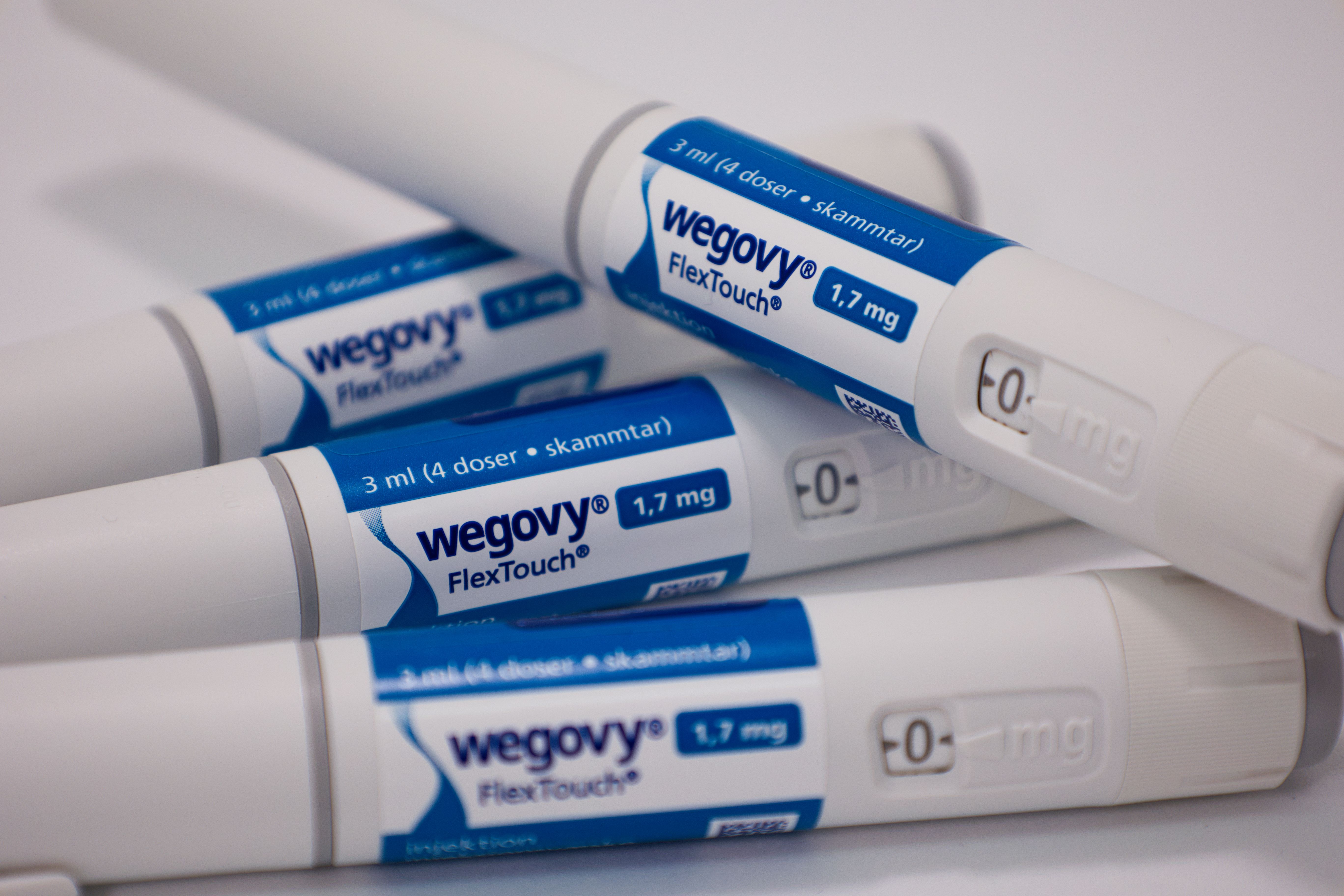
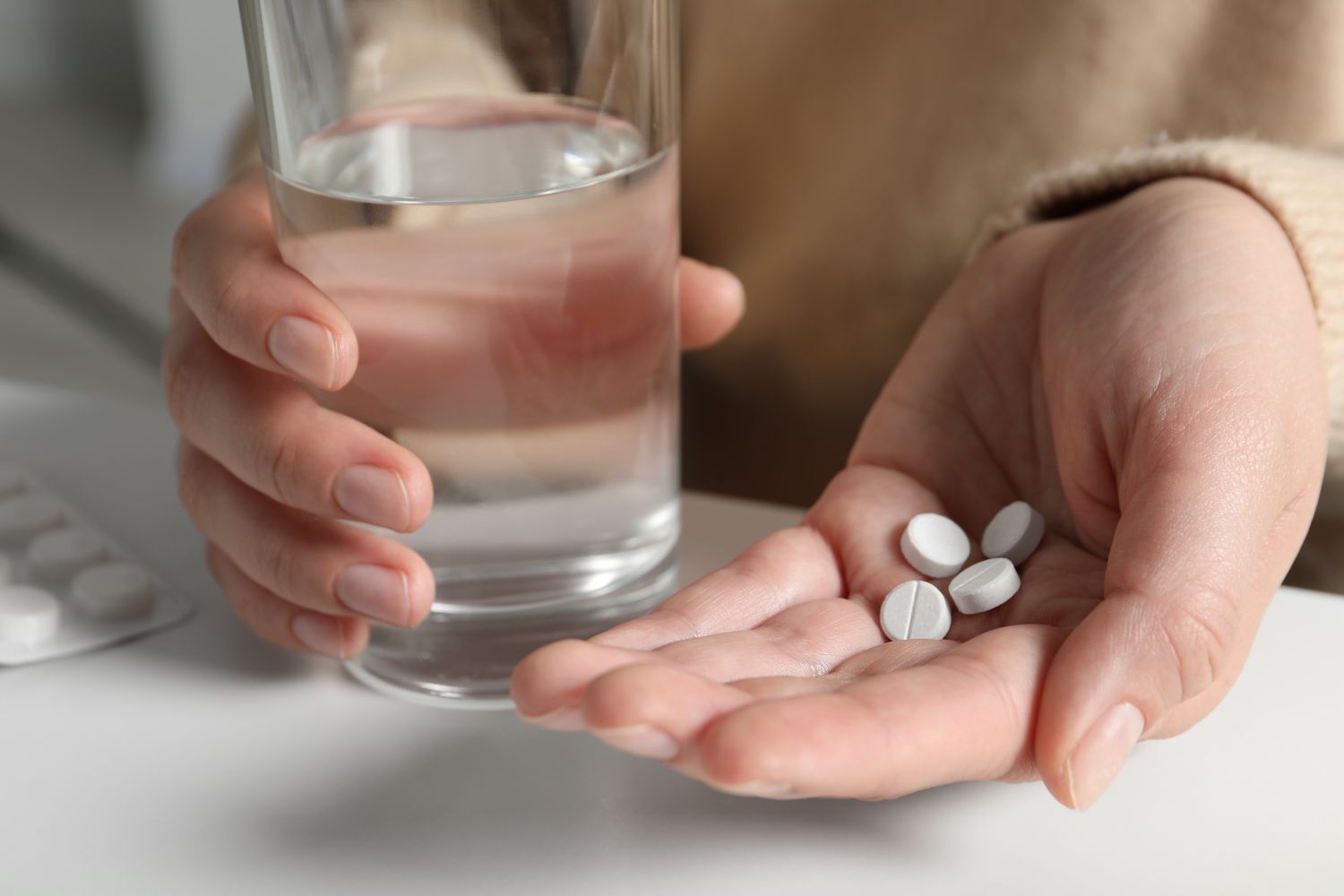
One of the most significant changes is the rise of oral GLP-1 agonists. For many of my readers, the traditional weekly injection was both a physical and financial hurdle. The introduction of Wegovy pills has changed the conversation, with entry-level pricing starting as low as $149 per month. These small-molecule drugs are easier to manufacture and distribute than biologics, which reflects in the lower retail price. Additionally, we are seeing the entry of Foundayo (orforglipron), a non-peptide oral option that provides a competitive alternative for those who are self-funding their wellness journey.
If you prefer injections but struggle with the $1,000+ list prices of the past, the shift toward single-dose vials is a game-changer. By removing the complex mechanical components of the auto-injector pen, manufacturers have significantly dropped the price. For a Zepbound vs Wegovy out-of-pocket cost comparison, Zepbound vials currently lead the market in affordability for the uninsured. A starter dose of 2.5mg in a vial format is priced at starts at $299 per month, while maintenance doses are capped at $449. This is a substantial reduction from the traditional $1,060 retail price.
| Medication Format | Estimated Monthly Cost (Self-Pay) | Best For |
|---|---|---|
| Wegovy Oral Pills | $149 - $299 | Convenience & Lowest Entry Price |
| Zepbound Vials | $299 - $449 | Those comfortable with manual syringes |
| Standard Auto-Injector Pens | $550 - $1,060+ | Maximum convenience & Insurance coverage |
| Compounded Alternatives | $250 - $400 | Patients during official drug shortages |
Manufacturer Savings Programs & Direct-to-Consumer Models
For those with commercial insurance, the most effective route to GLP-1 drug savings remains the use of manufacturer savings programs. These are often referred to as copay assistance cards. If your insurance plan covers these medications, these cards can reduce your out-of-pocket responsibility to just $25. Even if your insurance denies coverage, these programs often offer a secondary "uninsured" discount that brings the price down to roughly $550.
I always recommend my readers look into the Zepbound self pay journey program requirements early in their consultation process. To be eligible, you generally need to have commercial insurance (not government-funded like Medicare) and a valid prescription for obesity or overweight with at least one weight-related comorbidity. Eli Lilly has streamlined this through LillyDirect, a platform that connects you with independent telehealth providers and delivers the medication directly to your door, bypassing the supply chain issues often found at local retail pharmacies.
Novo Nordisk offers similar support through NovoCare for those prescribed Wegovy. It is worth noting that these direct-to-consumer models are HSA/FSA eligibility friendly. This means you can use your pre-tax health savings account dollars to pay for these medications, which effectively gives you a 20-30% discount depending on your tax bracket. When you combine manufacturer coupons with HSA funds, the long-term wellness strategy becomes much more sustainable for the average household budget.
Lily’s Tip: Always check the fine print on your savings card every January. Manufacturers often update the "maximum annual benefit" or "expiration date" at the start of the year, which can lead to unexpected "sticker shock" at the pharmacy counter if you aren't prepared.
Navigating Insurance: Prior Authorizations and Coverage Hoops
The most common frustration I hear from readers involves the "insurance wall." Even though coverage is improving—with 64% among companies with more than 20,000 employees now offering obesity drug benefits—the hurdles to get that coverage are higher than ever. Currently, roughly 88% of insurance plans require Prior Authorization (PA) for GLP-1 medications.
To navigate this successfully, you need a Wegovy insurance coverage guide that focuses on "medical necessity." Insurance companies and Pharmacy benefit managers (PBMs) often use Step therapy protocols. This means they may require you to try and "fail" on less expensive medications or structured lifestyle programs for 3 to 6 months before they will approve Wegovy or Zepbound.
Here is a checklist to improve your chances of approval:
- Document Comorbidities: Ensure your doctor includes your BMI along with related issues like hypertension, high cholesterol, or sleep apnea.
- Leverage Cardiovascular Indications: Wegovy has received FDA approval to reduce the risk of major adverse cardiovascular events. If you have a history of heart disease, your doctor should emphasize this, as cardiovascular coverage is often broader than "weight loss" coverage.
- Request Formulary Exceptions: If your specific drug isn't on the list (the "formulary"), your doctor can file a request for an exception based on your unique health profile.
- Write Strong Medical Necessity Letters: These letters should detail your previous attempts at weight loss and why these specific medications are essential for your long-term health.
Understanding the role of Pharmacy benefit managers is also crucial. These are the "middlemen" who decide which drugs are preferred. If your plan's PBM changes mid-year, your drug might suddenly become more expensive. Staying proactive and checking your formulary every quarter can prevent gaps in your treatment.
Medicare and Low-Income Assistance for 2026
For a long time, Medicare beneficiaries were left in the dark because of a 2003 law that prohibited Medicare from covering weight-loss drugs. However, 2026 marks a turning point. We are seeing the roll-out of the GENEROUS model, a new regulatory framework designed to expand access. While it doesn't cover everyone yet, Medicare is beginning to cover GLP-1 drugs for weight loss when there is a secondary medical benefit, such as reducing heart disease risk.
By mid-2026, many Medicare Part D participants can expect to see Medicare coverage for GLP-1 drugs for weight loss 2026 with copays capped near $50. However, the catch remains: Medicare patients are legally prohibited from using manufacturer copay assistance cards. If you are on Medicare and do not meet the new criteria, you cannot use the $25 Zepbound card.
For those facing financial hardship, low income patient assistance programs for GLP-1s are available through non-profits and the manufacturers’ own foundations. Programs like the Lilly Cares Foundation or Novo Nordisk’s PAP provide the medication at no cost to those who fall below certain income thresholds (usually 400% of the Federal Poverty Level).
If these avenues fail, some patients look toward international pharmacies in Canada or the UK, where prices are regulated by the government and often sit at 40-50% of the US list price. Others turn to reputable compounding pharmacies. While the FDA recently removed some GLP-1s from the official shortage list, many patients still utilize compounded Tirzepatide or Semaglutide as a more affordable entry point when they have no insurance coverage at all.

FAQ
How can I lower the cost of GLP-1 medications?
You can lower the cost by using manufacturer savings cards, switching to more affordable formats like single-dose vials or oral pills, and utilizing HSA/FSA funds for tax-free payments. Additionally, checking for "preferred" status on your insurance formulary can ensure you pay the lowest possible tier copay.
Are there manufacturer coupons for GLP-1 weight loss drugs?
Yes, both Eli Lilly (Zepbound) and Novo Nordisk (Wegovy) offer manufacturer coupons. These can reduce costs to $25 for those with insurance coverage or provide significant discounts for those whose insurance does not cover the drug.
Does insurance typically cover GLP-1 drugs for weight loss?
Coverage is increasing but varies. Currently, about 44% among U.S. employers with 500+ employees offer coverage. Most plans require a prior authorization and documentation of a BMI over 30, or 27 with a weight-related health condition.
What are the best patient assistance programs for GLP-1s?
The best programs are often the manufacturer-sponsored foundations, such as the Lilly Cares Foundation and Novo Nordisk Patient Assistance Program. Non-profits like the Patient Advocate Foundation also provide grants to help cover copays for eligible patients.
Can I use a savings card if I have Medicare?
No, federal law prohibits patients with government-funded insurance (Medicare, Medicaid, TRICARE) from using manufacturer copay assistance cards. However, new 2026 Medicare models are expected to lower out-of-pocket costs through direct plan coverage changes.
Final Steps for Your Savings Plan
Achieving your health goals shouldn't mean financial instability. As we look at the options available in 2026, the path to affording these medications is becoming clearer. Whether it is through the new $149 Wegovy oral pills, the $299 Zepbound vials, or a well-documented prior authorization, there is likely a way to fit these treatments into your lifestyle.
I encourage you to start by calling your insurance provider and asking for a copy of your "Summary of Benefits and Coverage." Armed with that and the manufacturer savings programs discussed here, you can work with your healthcare provider to find the most sustainable route for your long-term wellness. Remember, preventive care is an investment in your future self, and with these GLP-1 drug savings strategies, that investment is more reachable than ever.