Quick Facts
- Mortality Risk: Equivalent to the impact of smoking 15 cigarettes a day or clinical obesity.
- Heart Health: Chronic isolation is linked to a 29% increased risk of heart disease and a 32% increased risk of stroke.
- Brain Impact: Socially isolated older adults face a 50% higher risk of developing dementia.
- Physical Symptoms: Persistent loneliness can manifest as immediate physical distress, including headaches, fatigue, and nausea.
- Immune Response: Loneliness alters gene expression and increases inflammatory markers like interleukin-6, weakening the body’s defenses.
- Loneliness vs. Solitude: Loneliness is a painful emotional gap between desired and actual connection, while solitude is a chosen, restorative state of being alone.
Loneliness is often dismissed as a fleeting emotion, but its impact on your biology is profound. Recent research reveals that loneliness health effects carry a 26% increase in mortality risk—comparable to smoking 15 cigarettes a day. It acts as an evolutionary warning system, signaling that our social needs aren't met, which triggers a cascade of stress responses. Chronic loneliness poses severe physical health risks by activating the HPA axis and causing systemic inflammation, significantly increasing the likelihood of cardiovascular disease and cognitive decline.
The Biological Trigger: HPA Axis and Cortisol
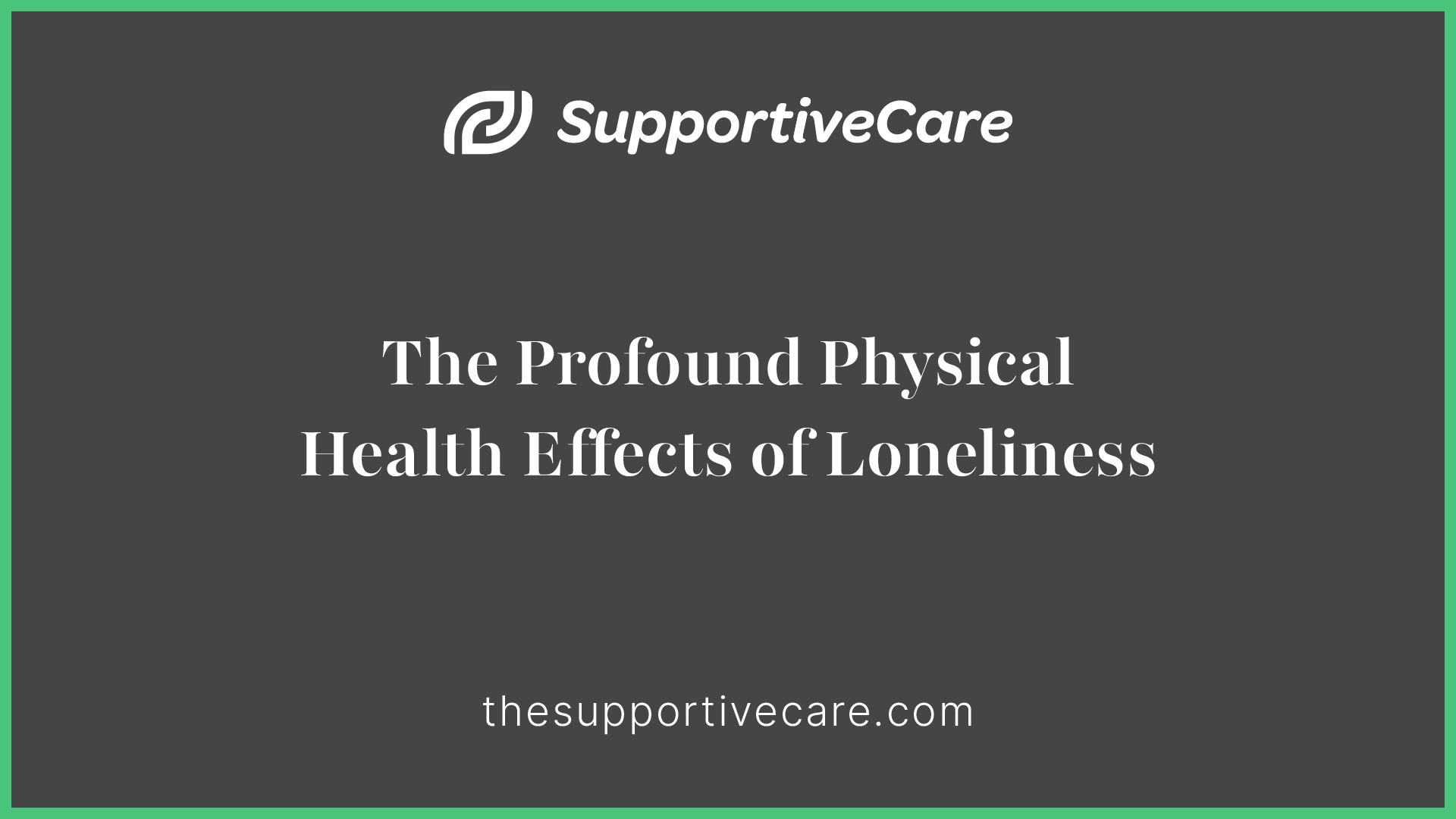
To understand why feeling alone hurts your body, we have to look at the neurobiology of belonging. Humans are biologically wired for connection; in our ancestral past, being cast out from the tribe was a death sentence. Consequently, the human brain evolved to treat social rejection with the same urgency as physical pain. When you feel a lack of meaningful connection, your brain’s "alarm system" goes off, activating the hypothalamic-pituitary-adrenal (HPA) axis.
This activation triggers the release of cortisol, the body's primary stress hormone. In short bursts, cortisol is helpful. It prepares you for a "fight or flight" scenario. However, during long periods of isolation, your body stays in a state of high alert. This persistent stress response leads to a high allostatic load—essentially the wear and tear on the body that accumulates when an individual is exposed to repeated or chronic stress.
Managing cortisol levels during long periods of isolation is not just about "feeling better"; it is about preventing your biological systems from redlining. When the HPA axis remains overactive, it disrupts sleep patterns, metabolic function, and even the way your body repairs itself. From an evolutionary perspective, this state of hyper-vigilance was meant to keep you safe from predators while you were alone, but in the modern world, it simply erodes your health from the inside out.

Cardiovascular Impacts and Systemic Inflammation
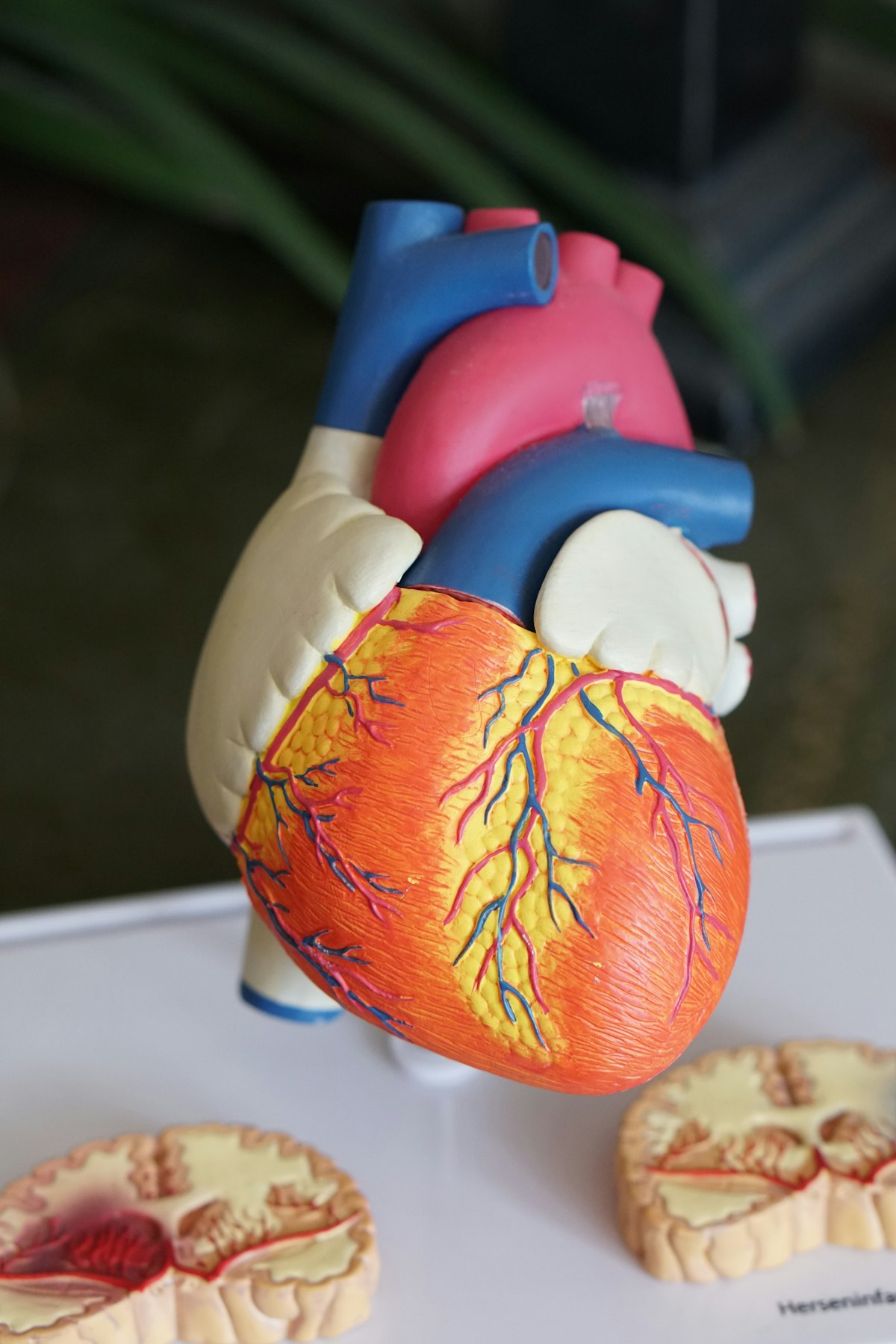
The heart is perhaps the most visible victim of social disconnection. When we look at the data, the link between loneliness and cardiovascular disease is undeniable. According to research published in the British Medical Journal, social isolation and loneliness are associated with a 29 percent increased risk of heart disease and a 32 percent increased risk of stroke.

But how does a feeling in the mind translate to a blockage in the arteries? The bridge is chronic inflammation. Chronic loneliness shifts the body’s immune system into a pro-inflammatory state. In a lonely person, the white blood cells show an increased expression of genes involved in inflammation and a decreased expression of genes involved in antiviral responses. This process increases levels of interleukin-6, a protein that signals inflammation throughout the body.
This systemic inflammation leads to oxidative stress, which damages the lining of the blood vessels and promotes the buildup of plaque. Over time, this increases blood pressure and makes the heart work harder than it should. Reducing cardiovascular risk from chronic loneliness requires more than just a better diet or exercise; it requires a restoration of social cohesion to calm the body's inflammatory response.
Loneliness Across the Lifespan: From Gen Z to Seniors
Loneliness does not discriminate by age, but it presents differently depending on where you are in life. For younger generations and remote workers, we often see the "Digital Paradox." We are more "connected" than ever through screens, yet we are witnessing a decline in deep, restorative social interaction. For those working from home, effective social connection strategies for remote workers health are essential. Digital pings on a screen do not provide the same neurochemical rewards as a face-to-face conversation, which releases oxytocin and helps regulate our nervous system.
For older adults, the risks are even more acute. Social isolation in seniors is often triggered by changes in mobility, hearing loss, or the death of peers. This physical disconnection has a direct line to cognitive health. The American Heart Association notes that loneliness in older adults is linked to a 50 percent increased risk of developing dementia.
Without regular social stimulation, the brain’s neural pathways can begin to atrophy. Lonely individuals have been shown to experience a 20% faster cognitive decline than those who maintain strong social ties. Mitigating health effects of social isolation in older adults involves creating environments where incidental social interaction—the "hello" at the post office or the chat with a neighbor—is frequent and accessible.
Building Social Resilience for Physical Wellness
If loneliness is a biological threat, then building social resilience for wellness is the antidote. Social resilience isn't just about having a high number of friends; it’s about the quality of those connections and your ability to seek support when needed. We can look at this through four pillars:
- Cognitive Resilience: Changing the way we think about social interactions. If we perceive the world as a hostile place, we tend to withdraw. Reframing social opportunities as safe spaces can lower the heart rate and cortisol levels.
- Social Resilience: Developing the skills to engage. This includes active listening and vulnerability, which are the foundations of deep connection.
- Technical Resilience: For remote workers or those far from home, this means using technology as a bridge to real-world interaction (like video calls over texting) rather than a replacement for it.
- Physical Resilience: Maintaining your health so that you have the energy to engage. When we are exhausted, we isolate.
A powerful tool gaining traction in the medical community is social prescribing. This is when healthcare providers "prescribe" social activities—such as joining a community garden, a walking club, or a local art class—to treat the underlying cause of a patient’s stress-related illness. These daily habits to counter the biological impact of loneliness can be more effective than medication for managing chronic inflammation.
By prioritizing in-person connections, you are doing more than just being "social." You are lowering your blood pressure, improving your immune function, and giving your brain the "safety signal" it needs to exit the chronic stress state.
FAQ
Is loneliness as bad for your health as smoking?
Yes, according to the U.S. Surgeon General, the mortality impact of social disconnection is equivalent to the health risks associated with smoking up to 15 cigarettes a day. Both conditions cause chronic systemic inflammation and significantly shorten life expectancy by damaging vital organ systems.
Can loneliness cause heart disease?
Loneliness is a significant risk factor for cardiovascular issues. Research indicates that poor social connections are associated with a 29 percent increased risk of heart disease and a 32 percent increased risk of stroke. This is largely due to increased blood pressure and chronic inflammatory responses triggered by persistent social stress.
Does loneliness affect your immune system?
Loneliness has a direct impact on your immune health by altering gene expression. It leads to an increase in pro-inflammatory genes and a decrease in genes that fight off viral infections. This means that people experiencing chronic isolation may find it harder to recover from illnesses and are more susceptible to systemic inflammation.
How does loneliness affect brain health?
Chronic isolation is particularly damaging to the aging brain. It is linked to a 50 percent increased risk of developing dementia and other cognitive impairments. Social interaction acts as a form of "cognitive exercise" that keeps the brain's neural pathways active and resilient against decline.
What are the long-term health risks of chronic loneliness?
The long-term risks include a 26% increase in the risk of premature death, higher rates of cardiovascular disease, increased susceptibility to infectious diseases, and a faster rate of cognitive decline. It can also lead to systemic metabolic issues due to the prolonged presence of cortisol in the bloodstream.
The journey to wellness isn't just about the steps you take on a treadmill or the food you put on your plate; it is about the hands you hold and the community you build. If you find that isolation is becoming a physical burden, consider auditing your social resilience. Reach out to a professional or look into local community groups. Your health—and your heart—may depend on it.