Quick Facts
- Heart Health Mandate: Coverage requires established cardiovascular disease, such as a history of heart attack or stroke.
- 2026 Bridge Program: Temporary obesity coverage for those with a BMI 35 or higher from July to December 2026.
- Fixed Copay: A monthly $50 copayment applies under the 2026 Bridge program.
- Out-of-Pocket Cap: An annual $2,000 limit on prescription drug costs takes effect in 2025.
- Clinical Evidence: Wegovy reduces major cardiac events by 20% in patients with established heart disease and obesity.
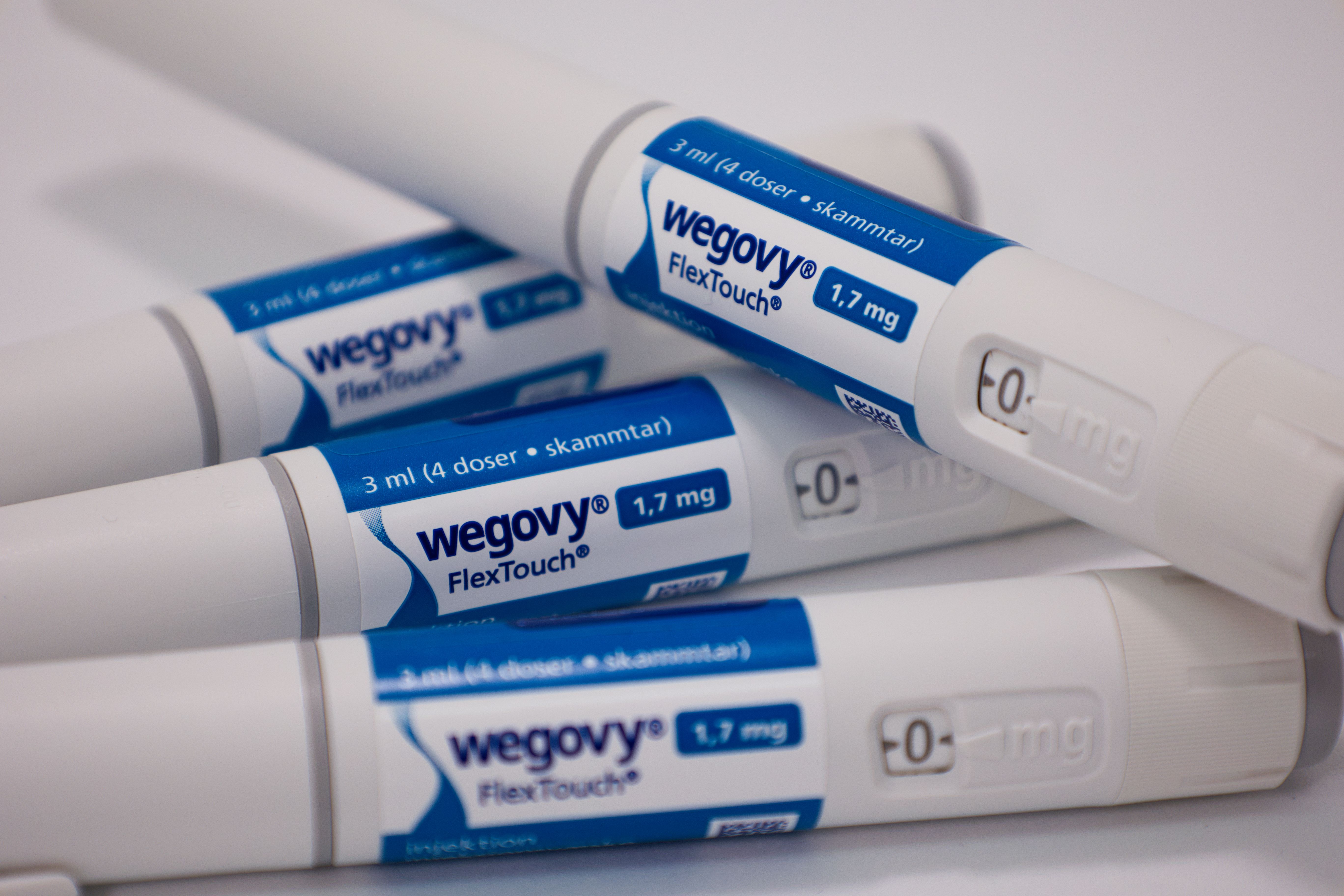
Medicare Wegovy coverage is available for patients with established heart disease or through the 2026 Bridge program for obesity. While the medication was originally categorized purely for weight loss—which Medicare is legally barred from covering—new federal guidelines and clinical breakthroughs have opened the door for beneficiaries who need this GLP-1 receptor agonist for cardiovascular risk reduction.
Medicare Criteria for Wegovy: Cardiovascular Necessity
For years, the Medicare Modernization Act of 2003 stood as a wall between beneficiaries and weight management medications. However, the landscape shifted when the FDA expanded the labeling for Wegovy to include the prevention of major adverse cardiovascular events. This shift created a medically accepted indication that bypasses the statutory ban on weight loss drugs. Under current CMS guidelines, Medicare Part D plans are now permitted, and in many cases required, to cover the medication if it is prescribed specifically to save a patient’s life from a heart attack or stroke.
To qualify under these rules, a physician must provide medical necessity documentation showing that the patient has established cardiovascular disease. This is not for those who simply have high blood pressure or high cholesterol as "risk factors." You must have a documented history of a significant event or chronic condition.
Eligibility Checklist for Heart Health Coverage:
- History of myocardial infarction (heart attack)
- History of ischemic stroke
- Documented peripheral arterial disease (PAD)
- A Body Mass Index (BMI) of 27 or higher
The clinical justification for this coverage is robust. In the landmark SELECT clinical trial, Wegovy was found to reduce the risk of major adverse cardiovascular events by 20% compared to a placebo. More impressively, treatment with semaglutide specifically reduced the risk of nonfatal heart attacks by 28% in adults with established heart disease. For the Medicare population, this is more than just a weight loss story; it is a longevity strategy.

The 2026 GLP-1 Bridge Program: New Obesity Eligibility
While the current heart health mandate helps millions, many beneficiaries still struggle with obesity without a prior cardiac event. A significant policy shift is arriving in the form of the Medicare GLP-1 Bridge program. This temporary initiative, running from July 1, 2026, to December 31, 2026, is designed to provide a pathway for chronic weight management before the more permanent BALANCE model takes over in 2027.
The Medicare GLP-1 Bridge program eligibility requirements 2026 are stricter than the cardiovascular criteria but offer a vital window for those who have previously been denied. To participate, you must be enrolled in a Medicare Part D plan. The clinical threshold is a BMI of 35 or higher on its own, or a BMI of 27 or higher if you have at least one other weight-related comorbidity, such as sleep apnea or osteoarthritis.
This program is a game-changer because it allows Medicare Part D weight loss eligibility to exist without the prerequisite of a prior heart attack. It acknowledges that treating obesity today prevents the heart attacks of tomorrow. However, beneficiaries should be aware that this is a pilot program. It is essential to engage with your provider early in 2026 to ensure all paperwork is ready for the July launch.
2024-2027 Coverage Roadmap
| Year | Policy Change | Impact on Wegovy Coverage |
|---|---|---|
| 2024 | CMS Guidance Update | Coverage begins for established cardiovascular disease + obesity. |
| 2025 | Inflation Reduction Act | Annual out-of-pocket prescription costs capped at $2,000. |
| 2026 | GLP-1 Bridge Program | Temporary $50 copay for obesity (BMI 35+) from July to Dec. |
| 2027 | BALANCE Model | Long-term value-based obesity care model replaces the Bridge. |
Understanding Costs: Copays, Caps, and Coinsurance
Affordability has been the primary barrier for men looking to improve their metabolic health. Without insurance, Wegovy can cost upwards of $1,300 per month. Under current Medicare Part D coverage for heart health, your costs will depend on your specific plan’s formulary. Most plans place Wegovy on Tier 4 or Tier 5, which often involves a 25% to 33% coinsurance. This can still result in several hundred dollars of out-of-pocket expense each month.
However, two major financial protections are on the horizon. First, starting in 2025, the Inflation Reduction Act caps all out-of-pocket prescription drug costs at $2,000 per year for Medicare beneficiaries. This means that even if your medication is expensive, you will not pay a penny more than $2,000 for all your covered drugs combined in a calendar year.
Second, the Wegovy Medicare Part D copay costs 2026 under the Bridge program are even more favorable. During that six-month window, eligible patients will only pay a $50 copayment per month. According to a Kaiser Family Foundation analysis, an estimated 3.6 million Medicare beneficiaries could be eligible for coverage under these updated frameworks. This expansion represents a massive shift in how the government views the drug cost-sharing burden for preventive metabolic health.
Wegovy vs. Ozempic: Navigating Medicare Coverage
There is often confusion between Wegovy and its sibling drug, Ozempic. Both contain semaglutide, but they are FDA-approved for different purposes. This distinction is the most critical factor in determining your Medicare coverage.
Ozempic is approved for the treatment of Type 2 Diabetes. Because diabetes is a chronic metabolic condition that Medicare has always covered, getting Ozempic approved is generally straightforward if you have the diagnosis. Wegovy, however, was approved for chronic weight management and cardiovascular risk reduction.
When comparing Wegovy vs Ozempic Medicare coverage for obesity, it is important to remember that Ozempic is rarely covered for weight loss alone. If you do not have diabetes, your doctor must prescribe Wegovy and meet the cardiovascular or Bridge program criteria. While they are the same GLP-1 receptor agonist, the administrative path for Wegovy requires more specific medical necessity documentation regarding heart health or BMI thresholds.

How to Qualify: Administrative Steps & Appeals
Navigating the Medicare criteria for anti-obesity drugs requires a proactive approach. You cannot simply ask for a "diet shot" and expect coverage; you must follow a specific clinical and administrative protocol.
Steps to get Wegovy prescribed through Medicare GLP-1 Bridge or heart health criteria:
- Verify Your Diagnosis: Ensure your medical records clearly state your "established cardiovascular disease" or your exact BMI.
- Consult Plan Formularies: Use the Medicare Plan Compare tool to see if your Part D or Medicare Advantage plan includes Wegovy.
- Initiate Prior Authorization: Your doctor must submit a Medicare prior authorization process for Wegovy weight loss or heart health. This document must explicitly link the prescription to the FDA-approved cardiovascular indication or the Bridge program rules.
- The Appeals Process: If your initial claim is denied, do not give up. Many denials occur because the documentation didn't use the specific "cardiovascular risk reduction" language. You have the right to a redetermination, where your doctor can provide more detailed clinical evidence.
Maximizing Results: Habit Integration for Heart Health
As an editor focused on longevity, I have to emphasize that Wegovy is a tool, not a total solution. To truly reduce your cardiac risk, the medication must be paired with a lifestyle that supports your heart and metabolism. Medicare patients see the best results when Wegovy is paired with a heart-healthy diet high in fiber and nutrient-dense vegetables.

One area often overlooked is the impact of evening habits. For men over 60, nocturnal hyperglycemia—high blood sugar during the night—can undermine the benefits of GLP-1 therapy. Managing evening snacking and late-night habits is crucial for maximizing the efficacy of GLP-1 therapies. When the drug slows your digestion, a heavy late-night meal can lead to discomfort and poor sleep, which in turn raises cortisol and damages heart health.

Beyond diet, integrating stress reduction techniques like bedtime meditation can enhance chronic weight management outcomes. Lowering stress levels helps regulate the hormones that control appetite and fat storage, working in tandem with the medication to protect your cardiovascular system.

FAQ
Does Medicare cover Wegovy for weight loss?
Generally, no. Medicare is prohibited by law from covering drugs used solely for weight loss. However, it does cover Wegovy when prescribed for a different, "medically accepted indication," specifically to reduce the risk of heart attack or stroke in people who are overweight or have obesity and established heart disease. Additionally, the temporary Bridge program in 2026 provides a specific window for obesity coverage.
Will Medicare cover Wegovy for cardiovascular health?
Yes. Following updated CMS guidance, Medicare Part D plans can cover Wegovy for patients with established cardiovascular disease to reduce the risk of major adverse cardiac events. This is considered a life-saving cardiovascular treatment rather than a lifestyle weight loss treatment.
What are the eligibility requirements for Wegovy under Medicare?
To receive Wegovy coverage for cardiovascular benefits, you must have established cardiovascular disease (such as a history of heart attack or stroke) and a BMI of 27 or higher. For the 2026 Bridge program, you must be enrolled in Part D and have a BMI of 35 or higher, or 27 or higher with specific comorbidities.
How do I get Medicare to pay for Wegovy?
You must have your doctor submit a prior authorization request to your Part D plan. This request must document your history of heart disease or your eligibility under the 2026 Bridge program. It is also helpful to use the Medicare Plan Compare tool to ensure you are enrolled in a plan that includes Wegovy on its formulary.
How much is Wegovy per month with Medicare coverage?
Under standard Part D coverage, you will typically pay a coinsurance amount, which is often 25% to 33% of the drug's cost, until you hit the $2,000 annual out-of-pocket cap. However, if you qualify under the 2026 GLP-1 Bridge program, your cost will be a fixed $50 monthly copayment for the duration of the program.