Quick Facts
- Top Footwear Choice: Adidas Adipower for squats and Xero HFS II for general training.
- Recovery MVP: Hypervolt 2 Pro featuring 60-70 lbs stall force for deep tissue work.
- Essential Support: Rehband knee sleeves for joint warmth and stability.
- Supplement Staple: 10g Legion Recharge (Creatine) post-workout for hypertrophy.
- Durability Standard: Professional bags constructed from 840D ballistic nylon.
- Home Gym Logic: A basic setup requires 100 to 200 square feet and typically costs between $1,000 and $3,000.
Professional weightlifting essentials often include specialized footwear, such as weightlifting shoes for a stable base during squats and minimalist trainers for versatile movement. High-quality knee sleeves are frequently recommended for joint stability and warmth, which can improve muscle coordination and performance. Additionally, reliable earbuds and a curated playlist serve as vital psychological tools for maintaining focus and motivation during intense training sessions. These gym bag essentials are curated to ensure that every set is performed with maximum force transfer and minimal injury risk.
The Lifting Foundation: Performance Footwear & Support
When we look at Mike Matthews' approach to weightlifting gear essentials, the focus is never on aesthetics; it is on biomechanical efficiency. The foundation of any heavy lifting session starts at the floor. For movements like the back squat or overhead press, Mike relies on the Adidas Adipower weightlifting shoes. These are not standard sneakers; they feature a raised, non-compressible heel that aids in ankle dorsiflexion. This allows a lifter to maintain an upright torso and achieve a deeper squat without the heels lifting off the ground, ensuring maximum force transfer through the midfoot.
However, choosing between weightlifting shoes and minimalist trainers depends entirely on the day’s programming. On days involving deadlifts, lunges, or accessory work, Mike switches to Xero HFS II shoes. This minimalist footwear promotes a natural gait and allows the feet to engage with the ground, fostering symmetrical strength development. By avoiding overly cushioned soles during these lifts, you prevent the "instability" that can lead to power leaks or minor joint misalignments.
Beyond footwear, joint integrity is non-negotiable. For anyone moving significant weight, the best knee sleeves for squatting and joint stability are a staple. Mike utilizes Rehband knee sleeves, which provide consistent compression and thermal warmth. This increased temperature around the joint improves synovial fluid viscosity, which protects the cartilage and keeps the connective tissues pliable. In professional training, these aren't just accessories; they are preventative tools used to mitigate the risk of SI joint issues and chronic inflammation.
Mike’s Logic: Heavy lifting is a game of leverage. If your feet are unstable or your knees are cold, you are leaving pounds on the bar and inviting injury. Specialized gear isn't a crutch; it's an optimization.
Advanced Recovery Ecosystem: Tech & Biological Tools
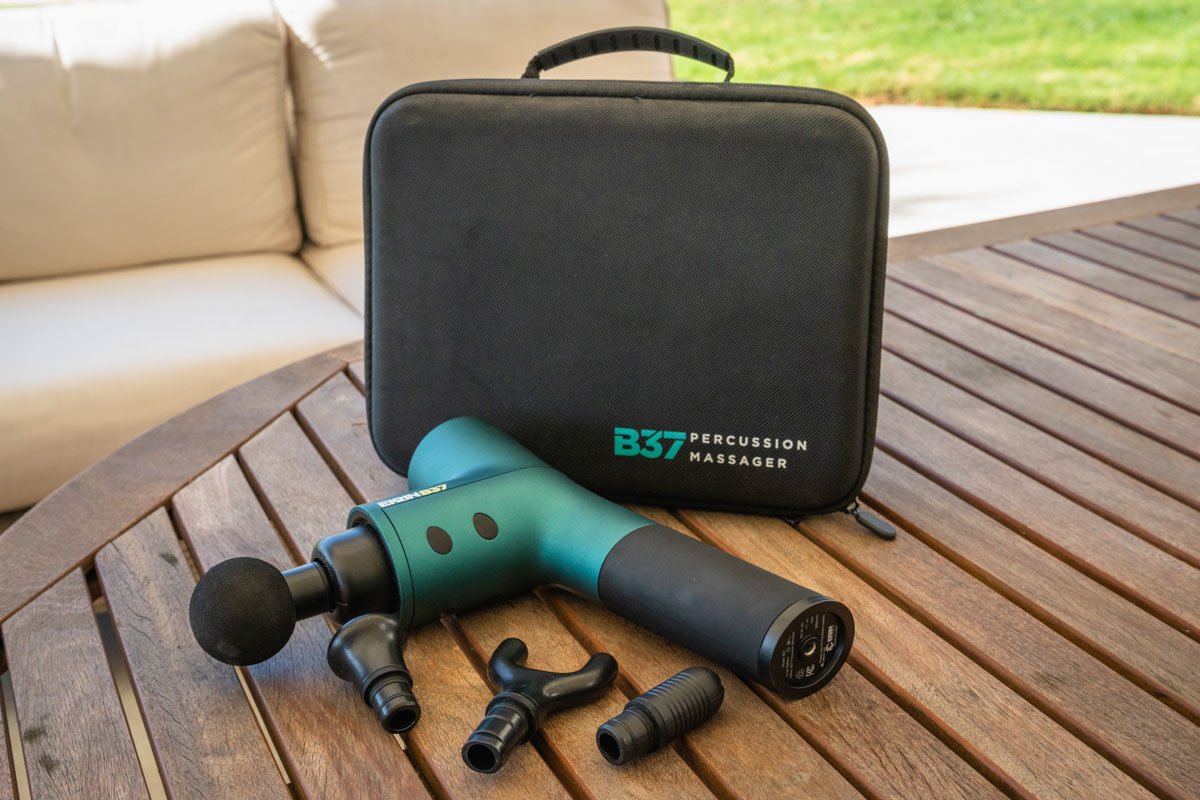
Professional athletes understand that training is only as effective as the recovery that follows. Mike’s gym bag and home setup include sophisticated fitness recovery tools designed to target physiological repair at the cellular level. One of the primary tools in his arsenal is the Hypervolt 2 Pro. This device provides percussive therapy with a 14mm amplitude, reaching deep into the muscle tissue to facilitate myofascial release. By utilizing high stall force, it breaks up adhesions and increases local blood flow, which is essential for clearing metabolic waste after a grueling leg session.
For a more systemic approach, Mike utilizes red light therapy panels for athletic recovery at home. Specifically, he uses the MitoPRO 1500, which emits specific red and near-infrared wavelengths. These infrared wavelengths penetrate the skin to reach the muscle tissue, where they cause mitochondrial stimulation. This process enhances the production of ATP (adenosine triphosphate), the energy currency of the cell, effectively speeding up tissue repair and reducing oxidative stress.
Comparison of Recovery Hardware
| Tool | Primary Mechanism | Key Technical Spec | Use Case |
|---|---|---|---|
| Hypervolt 2 Pro | Percussive Therapy | 60 lbs Stall Force | Target Myofascial Release |
| MitoPRO 1500 | Photobiomodulation | 660nm / 850nm Wavelengths | Mitochondrial Stimulation |
| Normatec 3 | Dynamic Air Compression | 7 Intensity Levels | Flushing Metabolic Waste |
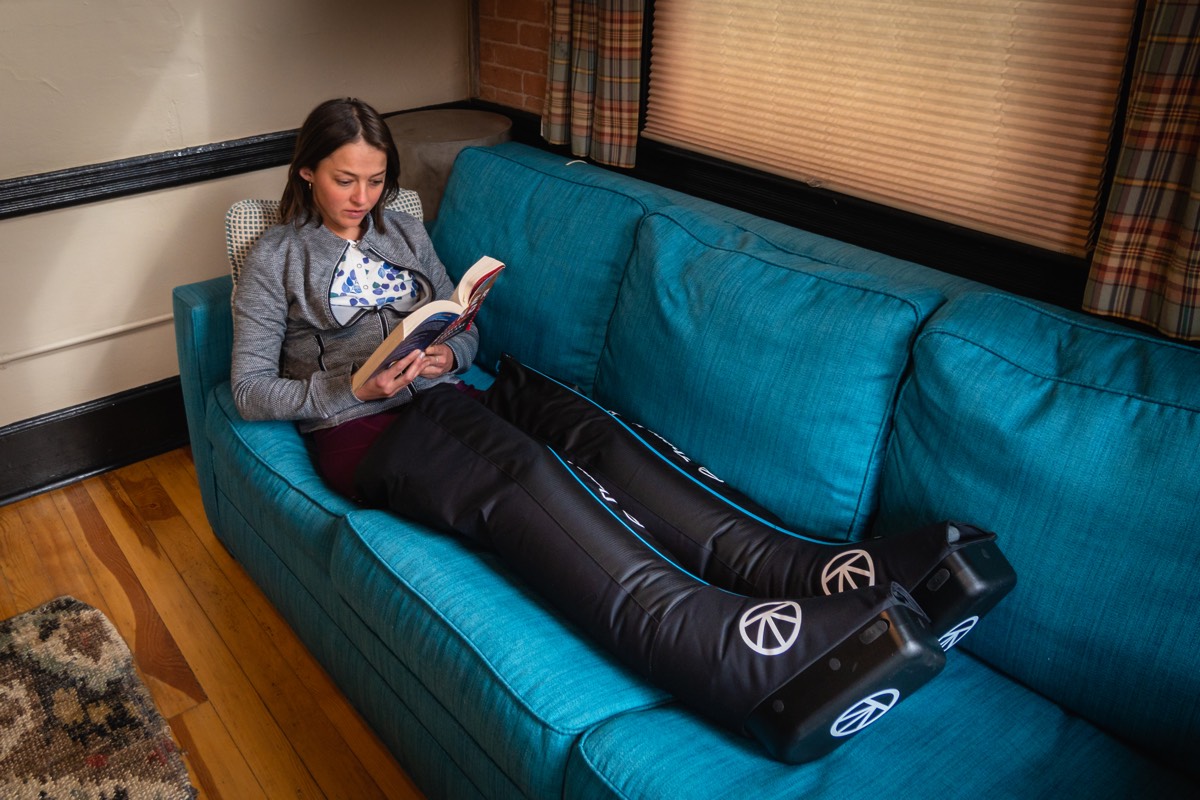
Adding to the tech stack are benefits of compression boots for post-workout recovery. Systems like Normatec utilize dynamic air compression to create a restorative massage that mimics the natural muscle pump of the body. This is particularly effective for managing delayed-onset muscle soreness (DOMS) by physically pushing fluid out of the limbs and back toward the heart, improving overall circulation and nutrient delivery to recovering muscles.
The Pro Supplement Stack: Focus & Muscle Hypertrophy
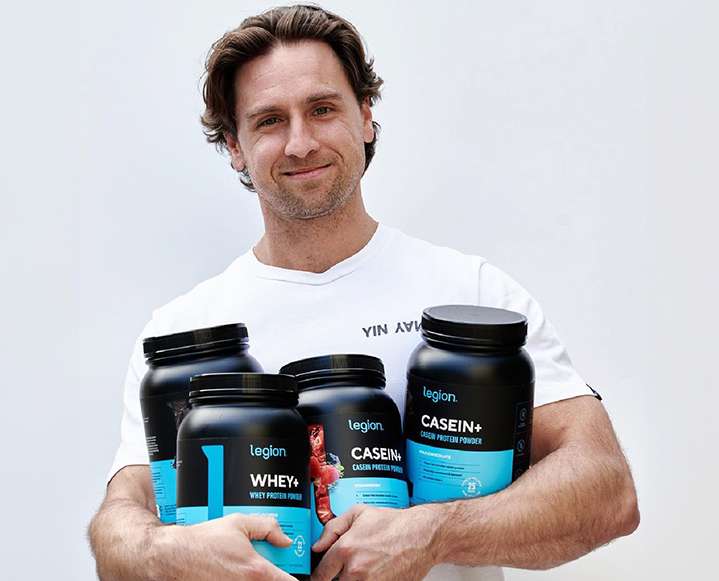
The internal environment is just as important as the external gear. Mike Matthews, who founded Legion Athletics in 2014—a company that ranked 587th on the Inc. 5000 list in 2018—takes a science-backed approach to supplementation. His gym bag always contains a meticulously timed stack.
Pre-workout supplement stacks for focus and energy are the first priority. Mike utilizes Legion Pulse, which contains efficacious doses of caffeine, beta-alanine, and citrulline malate. Unlike "proprietary blends" found in many commercial products, this stack is designed to increase nitric oxide levels and endurance without the post-workout crash. For those training in a fasted state, Legion Forge provides an additional edge by supporting fat loss while preserving lean muscle mass.
Post-workout, the focus shifts entirely to muscle hypertrophy and repair. The non-negotiable element here is 10 grams of creatine monohydrate, found in Legion Recharge. Creatine is one of the most researched supplements in the world, proven to increase phosphocreatine stores in the muscles, which allows for faster ATP regeneration during high-intensity lifting. By maintaining saturated creatine levels, athletes can sustain higher workloads over time, leading to greater strength gains.
Organizing for the 3-Day Split: Durability & Layout
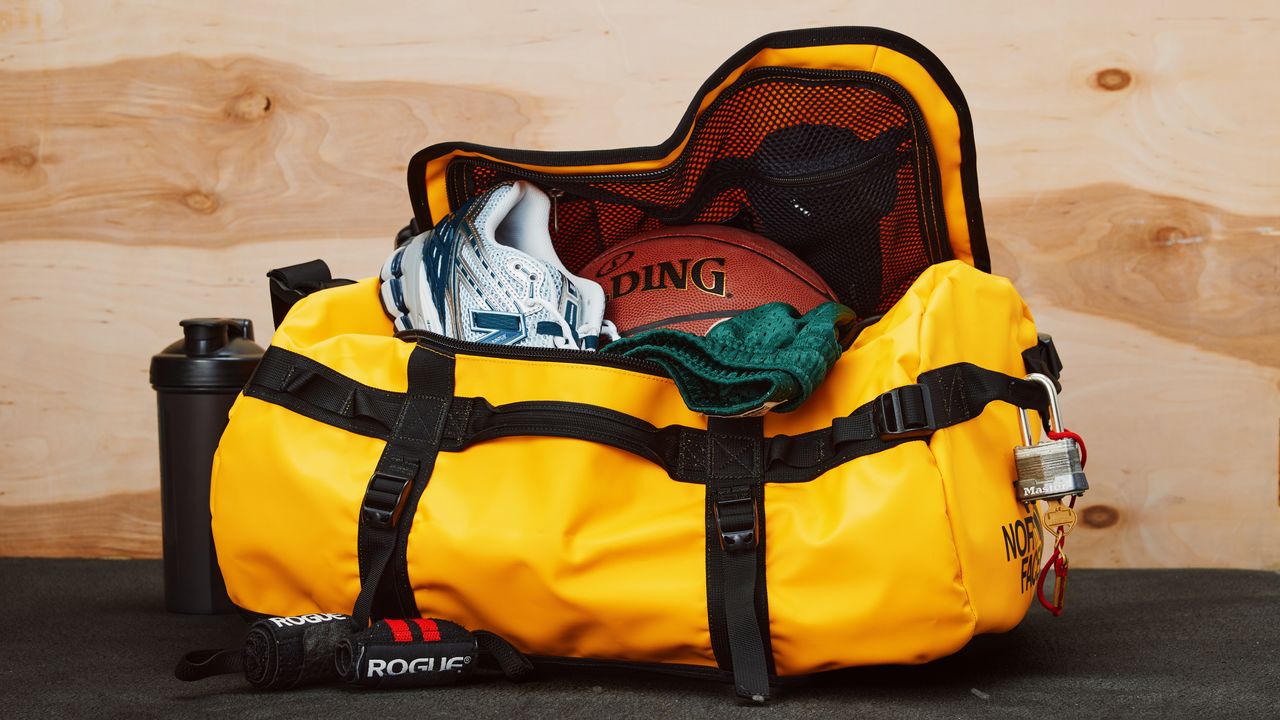
A pro-level gym bag essentials kit for serious weightlifters is only as good as the bag that carries it. For Mike, durability is a requirement. He looks for bags constructed from 840-denier ballistic nylon. This material is resistant to tears, abrasions, and the general wear and tear of a 3-day Push-Pull-Legs (PPL) split.
Organization within the bag is critical for maintaining a "no-friction" workout habit. Mike segregates his gear into three primary compartments:
- The Heavy Zone: Contains the Adidas Adipowers and Rehband knee sleeves. These are bulky items that need to be easily accessible for leg day.
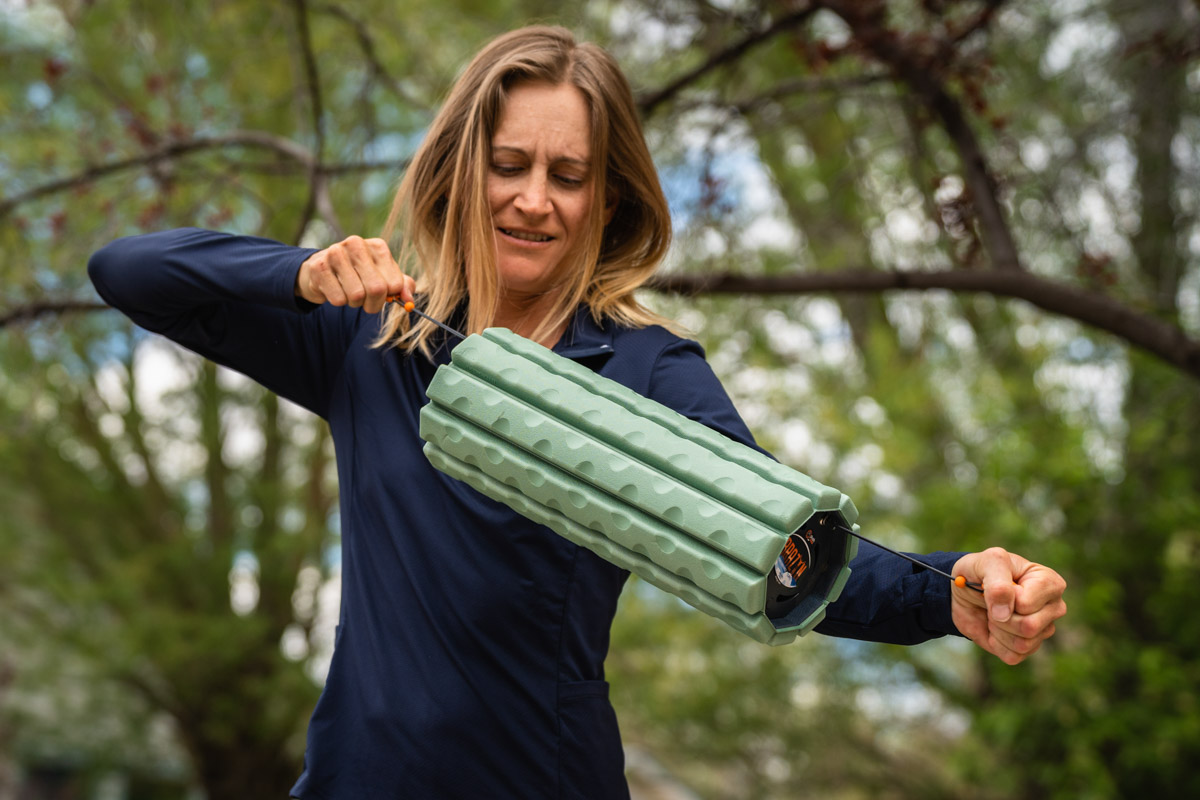
- The Tech & Recovery Sleeve: A padded area for the Hypervolt and any smaller mobility tools like lacrosse balls or bands.
- The Hygiene & Nutrition Pocket: Where the Legion supplements, shakers, and personal care items reside.
Keeping the bag organized ensures that you aren't wasting mental energy searching for a lifting belt or a pair of straps. Furthermore, for the frequent traveler, ensuring that recovery tools are TSA-approved is a major factor in gear selection. Professional training doesn't stop during travel, and having a mobile version of your recovery ecosystem ensures consistency in performance.
FAQ
What should every beginner have in their gym bag?
A beginner should focus on the basics: a high-quality water bottle, a small towel, a notebook or app for tracking lifts, and versatile athletic shoes. As they progress, they can add specialized weightlifting gear essentials like lifting straps or specific footwear to match their goals.
What accessories are must-haves for weightlifting?
For serious lifting, must-haves include a sturdy lifting belt for intra-abdominal pressure, knee sleeves for joint support, and liquid chalk or straps to ensure grip strength doesn't become the limiting factor in heavy pulls.
How do you organize a gym bag effectively?
Use a bag with multiple dedicated compartments. Keep "clean" items like supplements and electronics separate from "dirty" items like used knee sleeves and shoes. Utilizing mesh bags for sweaty gear can also help with airflow and organization.
What hygiene products should I keep in my gym bag?
Essential hygiene items include deodorant, body wipes for when a shower isn't immediately available, and a clean change of clothes. Many athletes also keep a small bottle of hand sanitizer and a travel-sized bottle of shower gel.
How do I keep my gym bag from smelling bad?
The key is moisture management. Never leave sweaty clothes or knee sleeves in a closed bag overnight. Use charcoal deodorizer bags or cedar inserts to absorb odors, and look for a gym bag with ventilated pockets designed specifically for shoes and wet gear.
Final Word from the Editor
Building a professional gym bag is about more than just buying the most expensive gear. It’s about understanding the "why" behind every item. Whether it’s the ankle dorsiflexion provided by a squat shoe or the mitochondrial stimulation from a red light panel, every piece of equipment should serve a purpose in your performance or recovery. Follow Mike Matthews' lead: invest in quality, prioritize the science of recovery, and keep your kit organized so you can focus on the only thing that truly matters—the work you do on the gym floor.