Our Top Picks
Mud water is an exceptional choice for individuals looking to reduce their caffeine intake while benefiting from a potent blend of functional mushrooms and adaptogenic herbs. It earns high marks for its clean ingredient profile and sustained energy boost, though the earthy taste and sediment may require a brief adjustment period for traditional coffee drinkers.
Mud water review: A nutrient-dense coffee alternative made from functional mushrooms and spices, providing roughly 35mg of caffeine to enhance mental clarity and physical stamina without the common caffeine jitters. This blend utilizes lion's mane for cognitive focus and cordyceps for performance, offering a more balanced energy curve than standard coffee, though potential mud water side effects for sensitive stomachs should be considered before starting a daily ritual.
What is Mud Water? Ingredient & Dosage Breakdown
At its core, the original MUD\WTR blend is a meticulously crafted powder that prioritizes holistic wellness over a simple caffeine hit. The brand has positioned itself at the forefront of the functional beverage movement, and as of 2025, MUD\WTR is one of the top five brands that collectively held a 67.6% share of the global coffee substitute market in 2025.
The formula centers on a 2,240mg total mushroom blend. Unlike many competitors that use proprietary blends to hide low dosages, this product is transparent about its mushroom coffee health benefits explained through its equal distribution of four key fungi. Each serving provides 560mg each of Lion’s Mane, Cordyceps, Chaga, and Reishi. This dosage is significant because it approaches the levels used in many clinical studies regarding cognitive and immune support.
The base of the drink consists of organic masala chai, which includes ginger, cardamom, cloves, and cinnamon. These spices are not just for flavor; they provide a foundation of antioxidants and digestive support. Additionally, the inclusion of organic cacao adds a hint of chocolatey richness and a source of theobromine, a compound that supports blood flow and mood.
Sustainability and safety are also prioritized. All ingredients are USDA organic certified and non-GMO. To ensure the highest quality, the brand employs third-party testing for heavy metals and contaminants, which is a critical standard for any supplement derived from fungi.
| Mushroom Type | Dosage per Serving | Primary Focus Area |
|---|---|---|
| Lion’s Mane | 560 mg | Cognitive function and mental clarity |
| Cordyceps | 560 mg | Physical performance and oxygen utilization |
| Chaga | 560 mg | Immune system support and antioxidants |
| Reishi | 560 mg | Stress management and relaxation |
The Energy Profile: Mud Water Caffeine Content vs. Regular Coffee
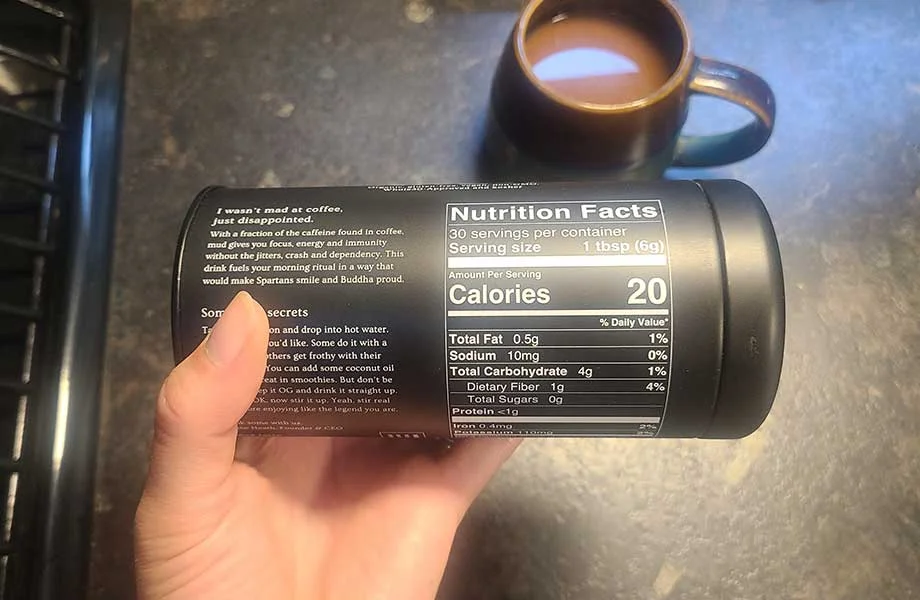
One of the most frequent questions from my readers is how the mud water caffeine content compares to a standard morning brew. If you are struggling with anxiety or sleep disturbances, understanding this ratio is vital. A standard serving of MUD\WTR Original contains 35 milligrams of caffeine, which is approximately one-seventh the caffeine content of a 12-ounce cup of brewed coffee.
Traditional coffee provides an instant spike in cortisol and adrenaline. While this feels great for the first hour, it often leads to a mid-afternoon energy crash. In contrast, the mud water caffeine content vs regular coffee comparison reveals a much smoother energy arc. The lower caffeine levels are balanced by the presence of nootropics and adaptogenic herbs that support sustained focus.
For those asking, is mud water a good coffee substitute for anxiety? The answer is generally yes. Many individuals find that the high dose of caffeine in coffee overstimulates the nervous system, leading to heart palpitations and a "wired but tired" feeling. By switching to a lower-caffeine mushroom blend, you provide your brain with the fuel it needs for mental clarity without triggering a fight-or-flight response.
The Sensory Experience: Taste, Texture, and the 'Grit' Factor
Moving from a silky-smooth pour-over coffee to a mushroom-based drink is a sensory shift. When you open the tin, the mud water taste and texture profile is dominated by the warm, aromatic notes of masala chai and cacao. It smells like a spiced chocolate tea rather than roasted coffee beans.
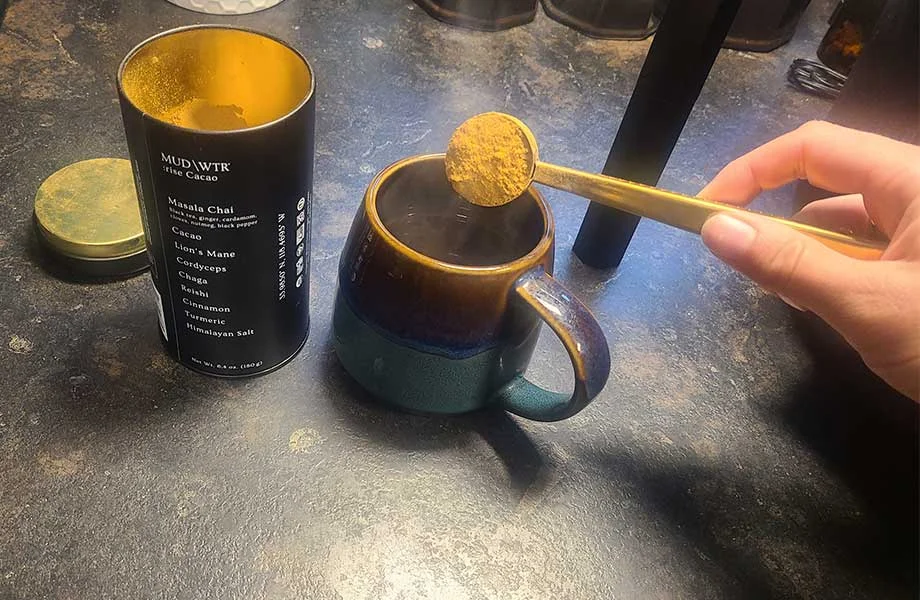
However, we need to talk about the "mud" in the name. Because the powder consists of ground mushrooms and spices that do not fully dissolve in water, there is a prominent gritty texture toward the bottom of the cup. On a scale of solubility, I would rate it a 2 out of 5. This is not necessarily a flaw—it is a result of using real, whole-food ingredients rather than chemical extracts—but it does require a specific preparation method.
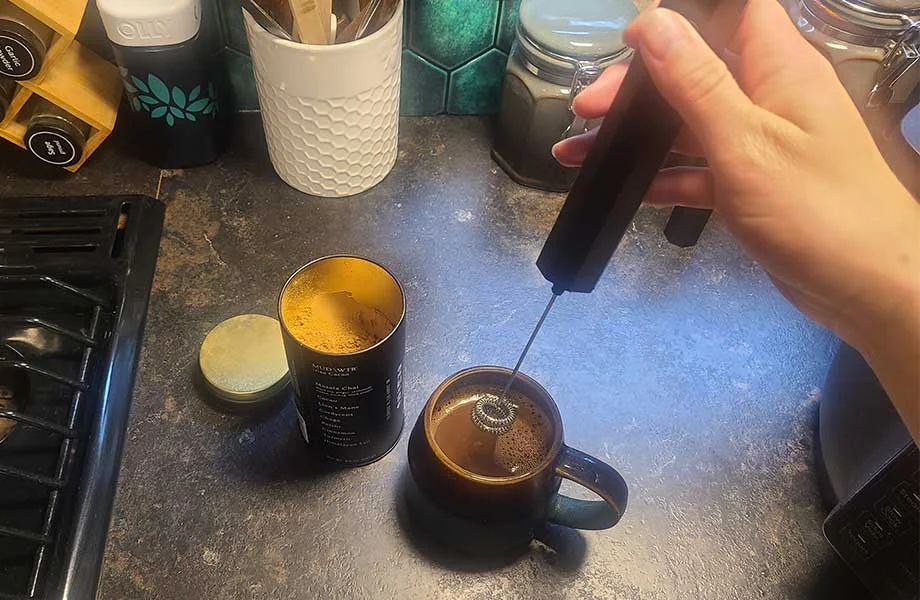
To improve the experience, finding the best ways to drink mud water to improve flavor is key. I highly recommend using a milk frother. Simply stirring with a spoon will leave you with clumps of powder and a sandy finish. A frother integrates the fats from your milk or creamer with the spices, creating a much more pleasant mouthfeel.
If the earthy flavor is too intense for you, try adding a teaspoon of honey or a splash of oat milk. The natural sweetness of the chai spices pairs beautifully with creamy textures, turning the "mud" into a sophisticated latte.
Health Benefits vs. Side Effects: Who Should Avoid It?
From a clinical perspective, the mud water benefits and side effects are a balance of systemic support and individual sensitivity. The primary benefits revolve around immune system support and the modulation of cortisol levels. The antioxidants from Chaga and the beta-glucans from Reishi help fortify the body's natural defenses, which is especially helpful during high-stress seasons.
However, as a nutrition editor, I must address the potential mud water side effects for sensitive stomachs. Functional mushrooms contain fiber and complex sugars that can be difficult for some people to digest. If you have a sensitive digestive tract or conditions like IBS, you might experience bloating or gas when first introducing these mushrooms to your diet. I recommend starting with a half-serving to see how your body reacts.
There are also contraindications to consider. Because Reishi and Chaga can have mild blood-thinning effects and impact the immune system, individuals with autoimmune conditions or those on blood-thinning medications should consult their physician. Furthermore, the product includes a Prop 65 warning, which is common for many natural products grown in soil, but it is something to be aware of if you are pregnant or nursing.
Price & Comparison: Mud Water vs. RYZE
When choosing a mushroom coffee, the mud water coffee alternative comparison often comes down to the big players like RYZE. In my analysis, the two products offer different value propositions.
The mud water cost per serving vs coffee is significantly higher. While home-brewed coffee might cost pennies, a serving of MUD\WTR ranges from $1.11 to $2.00 depending on your subscription status. However, compared to a $6.00 latte from a specialty cafe, it remains a cost-effective healthy habit.
In a mud water vs ryze mushroom coffee comparison, MUD\WTR typically offers a more robust spice profile (masala chai) and a higher variety of mushrooms. RYZE uses a blend of six mushrooms but generally has a milder, more coffee-like flavor and a slightly lower price point. MUD\WTR also stands out for its HSA/FSA eligibility through partners like Truemed, allowing many consumers to use pre-tax dollars for their purchase.
| Feature | MUD\WTR Original | Traditional Coffee | RYZE Mushroom Coffee |
|---|---|---|---|
| Caffeine Content | 35 mg | 95-150 mg | 48 mg |
| Main Ingredients | Mushrooms + Chai + Cacao | Coffee Beans | Mushrooms + Coffee |
| Cost per Serving | ~$1.11 - $2.00 | ~$0.25 - $0.50 | ~$1.00 - $1.50 |
| Texture | Gritty/Earthy | Smooth | Smooth/Coffee-like |
| Best For | Anxiety-prone/Chai lovers | High-energy seekers | Traditional coffee taste |
The MUD\WTR website attracted over 7.6 million annual visitors between November 2024 and October 2025, maintaining a 2.5% purchase conversion rate, suggesting that despite the price, consumers find the value in the mud water review for energy and focus consistent enough to keep coming back.
FAQ
What does mud water taste like?
It has an earthy, spicy flavor profile that is more similar to a masala chai tea or an unsweetened Mexican hot chocolate than traditional coffee. You will notice prominent notes of cinnamon, ginger, and cacao, with a distinct mushroom earthiness that becomes more apparent toward the bottom of the cup.
Does mud water have caffeine?
Yes, it contains approximately 35mg of caffeine per serving. This caffeine is naturally derived from the organic black tea in the masala chai base and the organic cacao. It is designed to be low enough to avoid jitters while still providing a gentle lift.
Is mud water better for you than coffee?
It depends on your health goals. While coffee is rich in antioxidants, mud water provides the added benefits of functional mushrooms like lion's mane and reishi, which support cognitive function and stress management. For those sensitive to caffeine, mud water is often a healthier choice as it prevents the cortisol spikes and crashes associated with heavy coffee consumption.
What are the health benefits of mud water?
The primary benefits include improved mental clarity from lion's mane, enhanced physical endurance from cordyceps, and immune system support from the antioxidant-rich chaga. Additionally, the adaptogens in the blend help the body manage stress and maintain balanced energy levels throughout the day.
Are there any side effects to drinking mud water?
Some users may experience digestive issues such as bloating or an upset stomach due to the high fiber content of the mushrooms. People with autoimmune disorders or those taking blood thinners should consult a doctor, as certain mushrooms can interact with medications or stimulate the immune system.
Is mud water worth the price?
At roughly $1.50 to $2.00 per serving, it is more expensive than home-brewed coffee but cheaper than most cafe drinks. If you value the specific benefits of high-quality, third-party-tested functional mushrooms and want to reduce your caffeine intake, the investment in your long-term wellness and focus is generally considered worth it.