Quick Facts
- Primary Goal: Strengthen the airway muscles to prevent collapse during sleep.
- Clinical Efficacy: Up to 72.4% reduction in objective snoring time according to meta-analysis data.
- Daily Commitment: 10–30 minutes, twice per day for optimal neuromuscular re-education.
- Expected Timeline: Most patients see results within 3 months of consistent practice.
- Key Muscle: The genioglossus, which is the main muscle responsible for tongue protrusion and airway stability.
- Bonus Benefit: Improved CPAP compliance and better transition to consistent nasal breathing.
Orofacial myofunctional therapy is a neuromuscular training program designed to retrain the muscles of the tongue, lips, and throat. By improving muscle tone, these myofunctional therapy exercises prevent soft tissues from collapsing into the airway during sleep. This process increases upper airway patency, which naturally reduces the tissue vibrations that lead to chronic snoring. Unlike temporary fixes, this approach focuses on neuromuscular re-education to establish permanent, healthy oral rest postures.
Function vs. Anatomy: Why Your Airway Collapses
When we talk about snoring, we often focus on what we can see, like a deviated septum or large tonsils. However, for many of us, the issue is functional rather than purely anatomical. Snoring usually happens when the muscles of the upper airway relax too much during sleep. This relaxation allows the tongue to fall back and the soft palate to vibrate against the back of the throat. This is where orofacial myofunctional therapy becomes essential. It addresses orofacial myofunctional disorders that lead to poor muscle tonicity in the upper airway.
A common culprit is an incorrect palatal rest position. In a healthy state, your tongue should rest gently against the roof of the mouth, not touching the teeth. When the tongue rests on the floor of the mouth, it often leads to chronic mouth breathing. Mouth breathing bypasses the natural filtration and humidification of the nose and encourages the jaw to drop, further narrowing the airway. By focusing on the genioglossus muscle, we can retrain the tongue to stay forward and up, maintaining mandibular stability even while you are deep in REM sleep.
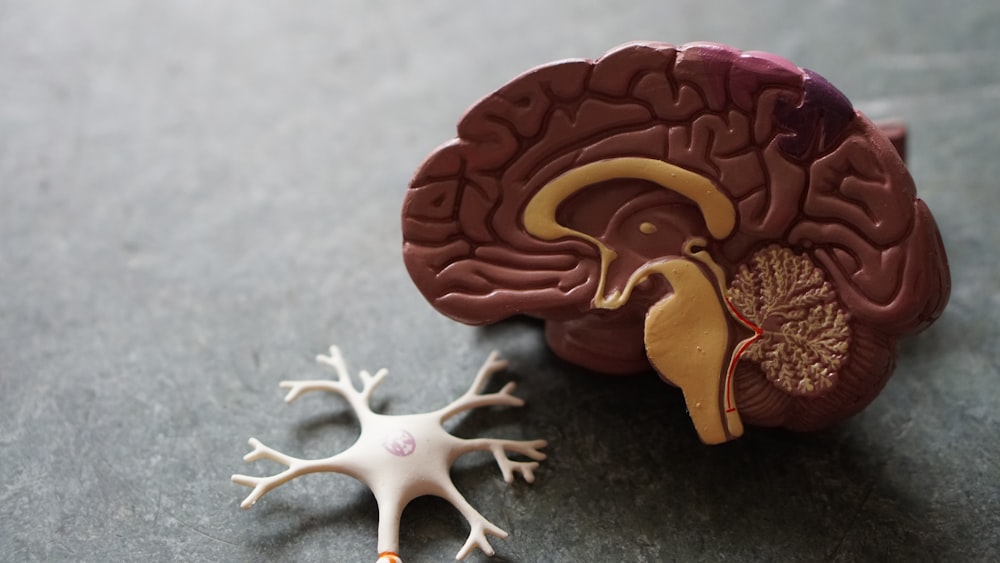
The mechanics of snoring involve a struggle for air. When the airway is partially obstructed by weak tissues, the air you breathe must move faster, creating a vacuum effect that makes those tissues flutter. By utilizing specific airway strengthening exercises, you are essentially tightening the "sleeve" of the throat. This prevents that fluttering and keeps the passage open, ensuring a quiet and restful night for both you and your partner.
The Daily Routine: Top Myofunctional Therapy Exercises at Home
Consistency is the secret to success. Think of this as physical therapy for your mouth. You wouldn't expect to fix a knee injury with one session, and the same logic applies to your airway. Most people find it easiest to perform these routines during their morning or evening skincare or while driving to work.
To see how myofunctional therapy reduces snoring naturally, you must engage the muscles of the tongue and soft palate through repetitive, targeted movements. Here are three core exercises to include in your daily myofunctional therapy routine for snorers:
| Exercise Name | Action | Benefit |
|---|---|---|
| The Tongue Slide | Place the tip of your tongue against the back of your top front teeth. Slowly slide the tongue backward along the roof of your mouth as far as it can go. | Strengthens the tongue and promotes proper palatal rest position. |
| The Lip Purse | Close your mouth and purse your lips tightly together. Hold for 10 seconds, then release. Repeat 10 times. | Builds lip strength to prevent mouth breathing and improve mandibular stability. |
| The Soft Palate Lift | Open your mouth wide and say "Ah" while focusing on lifting the back of your throat (the soft palate). | Increases muscle tonicity in the throat to prevent tissue collapse. |
When learning how to do myofunctional therapy exercises at home, using a mirror is highly recommended. Visual feedback allows you to see if your tongue is moving straight and if you are engaging the correct muscles without tensing your neck or jaw. Many people find that myofunctional therapy exercises for tongue posture are the most difficult at first because we are so used to letting our tongue "lazily" sit at the bottom of the mouth. However, with daily practice, these movements become second nature.
Training for Results: Timeframe and Consistency
One of the most frequent questions I receive is about the myofunctional therapy for snoring results timeframe. Because we are retraining the brain and muscles to interact differently, change does not happen overnight. Clinical research involving patients with mild-to-moderate obstructive sleep apnea demonstrated that three months of daily oropharyngeal exercises significantly reduced snoring frequency by 36% and snoring intensity by 59%.
A broader meta-analysis published in the journal Sleep reported that myofunctional therapy resulted in a 72.4% reduction in objective snoring time among adults. This is a staggering figure for a non-invasive intervention. Furthermore, a systematic review of multiple studies indicated that subjective snoring intensity in adult patients was reduced by 51% following the implementation of a myofunctional therapy exercise program.

While the stats are encouraging, your personal success depends on your commitment to the routine. For those with airway strengthening exercises for sleep apnea and snoring, it is often helpful to pair the exercises with other aspects of good sleep hygiene. Avoiding alcohol before bed and maintaining a healthy weight can amplify the effects of the therapy. If you find that your progress stalls, consulting a certified myofunctional therapist can help you refine your technique and address specific muscle weaknesses you might have missed.
FAQ
What are some examples of myofunctional therapy exercises?
Common examples include the tongue slide, where the tongue is moved along the roof of the mouth, and the "cluck" or "pop" sound made by suctioning the tongue to the palate. Others include lip curls and resistance training where you push your tongue against a tongue depressor or your finger to build strength in the genioglossus muscle.
How long does it take for myofunctional therapy to work?
Most clinical studies show that significant results appear after 8 to 12 weeks of daily practice. While some people notice a slight reduction in snoring within the first month, the neuromuscular re-education required to keep the airway open during deep sleep typically takes about three months of consistency.
Can I do myofunctional therapy exercises at home by myself?
Yes, many people successfully perform myofunctional therapy exercises at home. However, it is often beneficial to have an initial assessment by a myofunctional therapist to ensure you are doing the movements correctly. Using a mirror can help you monitor your form and prevent compensation by other facial muscles.
Does myofunctional therapy help with sleep apnea?
Yes, it is often used as an adjunctive treatment for mild to moderate obstructive sleep apnea. By increasing upper airway patency and improving muscle tone, it can reduce the number of times the airway collapses during the night. It is also used to help patients become more comfortable with CPAP therapy by improving nasal breathing.
How often should you practice myofunctional exercises?
For the best results, you should aim for 10 to 15 minutes of practice, twice a day. Spacing the sessions out between morning and evening helps reinforce the neuromuscular patterns. Consistency is more important than the length of the session; doing a few minutes every single day is better than doing one long session once a week.
Get Started with Better Sleep
Improving your sleep quality doesn't always require loud machines or invasive surgeries. By taking a proactive, preventive approach to your health, you can address the root cause of your snoring through simple yet effective airway strengthening exercises. The journey to a quieter night and more energetic days starts with your very next breath.
If you find that your snoring is accompanied by gasping for air, excessive daytime sleepiness, or morning headaches, please consult a professional. These can be signs of more severe sleep disorders that require a comprehensive medical evaluation. For many, however, orofacial myofunctional therapy is the missing piece of the puzzle that finally brings peace to the bedroom. Start your daily myofunctional therapy routine for snorers today and give your body the gift of restorative sleep.