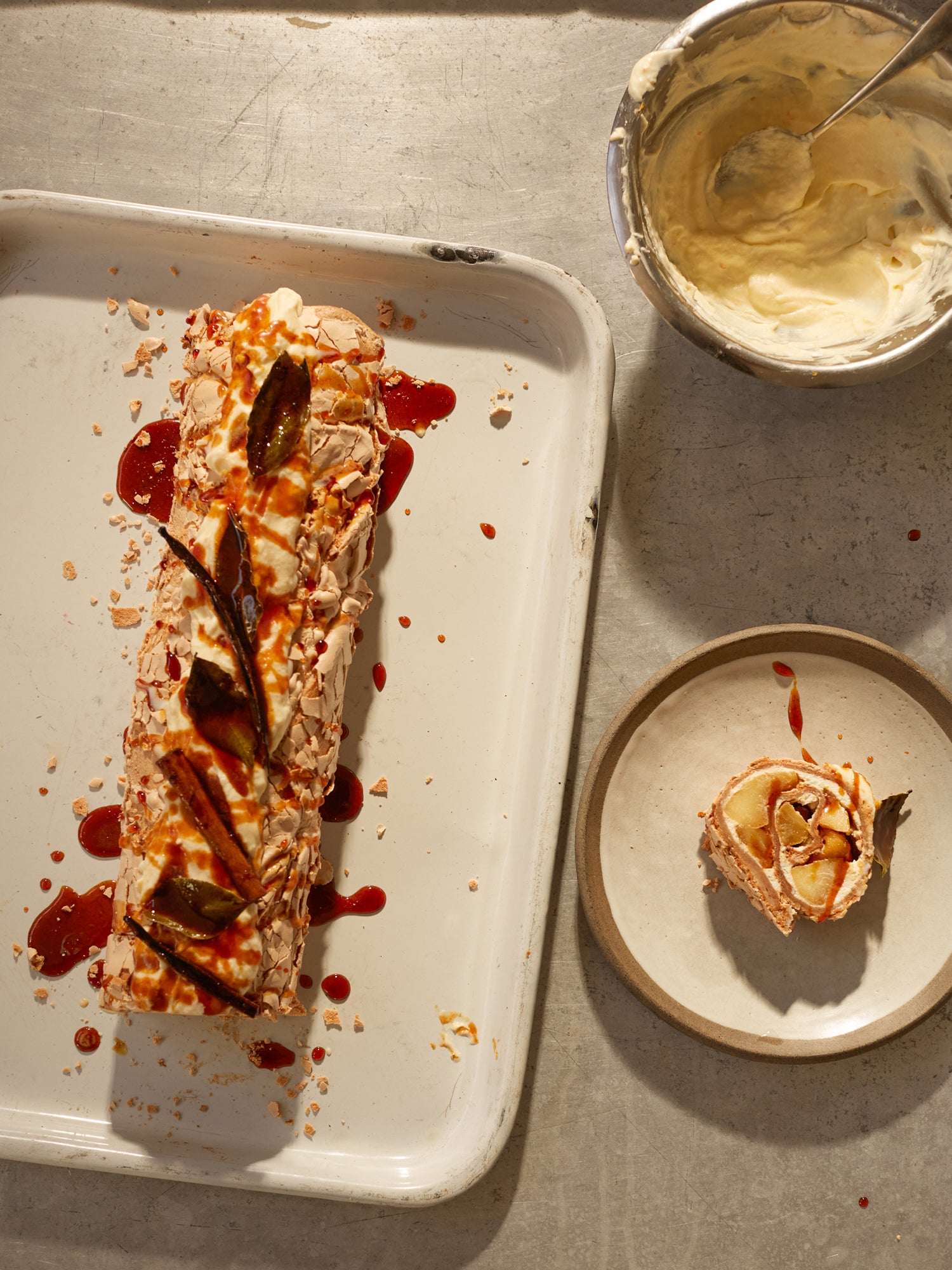
When it comes to dessert, few names command as much respect and culinary curiosity as Yotam Ottolenghi. His approach to sweets is much like his approach to savory dishes: layered, textured, and unapologetically bold. The Ottolenghi meringue roulade, specifically the version featuring a rich brown sugar meringue and fragrant burnt honey apples, has become a holiday showstopper for home bakers looking to elevate their repertoire.
While traditional meringues often lean toward a brittle, snowy white sweetness, this brown sugar variant offers something deeper—a molasses-like complexity with a marshmallowy interior that contrasts beautifully against a crisp, golden-brown crust. Mastering this dish requires a blend of technical precision and sensory awareness, from recognizing the perfect glossy finish of the peaks to executing the famous tea towel technique for a fracture-free roll.
Quick Facts
- Prep Time: 45 mins
- Bake Time: 32 mins
- Key Ingredient: Braeburn apples
- Yield: 10-12 servings
- Storage: Fridge for up to 2 days
- Pro Secret: The 200°C to 180°C temperature drop technique
To roll an Ottolenghi meringue roulade without cracking, place a clean kitchen towel over the cooled meringue and quickly invert it onto a work surface. Use the towel to assist the rolling process, lifting and pulling it away as you guide the meringue over the filling. Ensuring the meringue has cooled and deflated completely before assembly helps maintain its structure while remaining pliable enough to form a log.
Mastering the Glossy Brown Sugar Meringue
The foundation of this dessert is the meringue itself. Unlike a standard French meringue, the use of light brown sugar alongside caster sugar introduces moisture and a caramel depth that defines the Ottolenghi Test Kitchen style. The process begins with your stand mixer. You must ensure the bowl is completely free of grease, as even a trace of fat will prevent the egg whites from reaching their full potential.
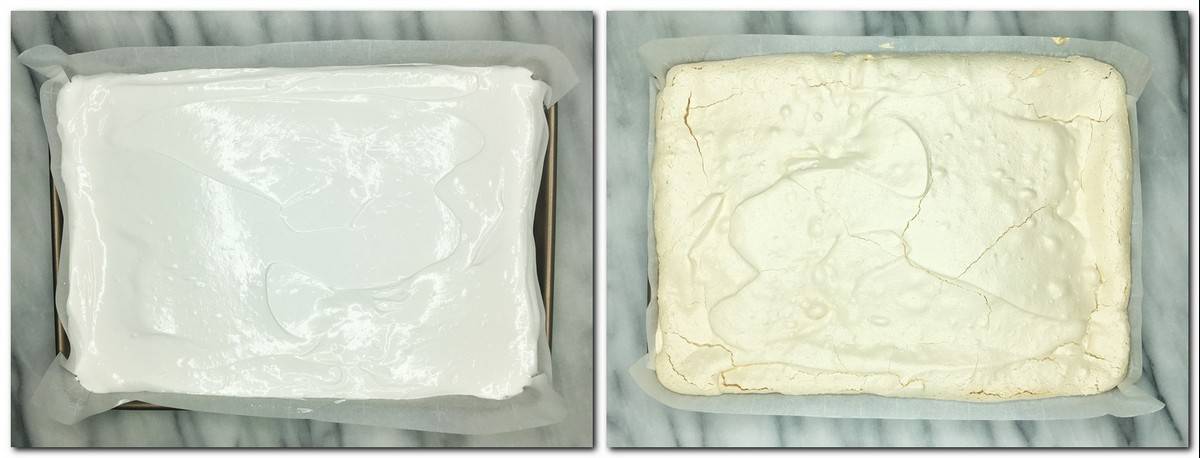
Start by whisking the egg whites to soft peaks. One of the most important brown sugar meringue tips is the timing of the sugar addition. You should add the combination of light brown and caster sugar one tablespoon at a time while the mixer is running on high speed. This gradual process, lasting about five minutes, ensures the sugar dissolves properly and creates a stable, glossy mixture.
Pro Tip: The Temperature Drop To achieve the signature crust, the baking temperature for brown sugar meringue roulade is critical. The oven should be preheated to 200°C fan and then immediately reduced to 180°C once the tray is placed inside. This initial blast of heat sets the exterior, while the subsequent 30 to 32 minutes of baking ensures the inside remains soft.
For those following the techniques from the Extra Good Things cookbook, a distinctive step involves heating the sugar at 200°C for approximately 8 minutes before whisking it into the egg whites. This creates a sturdier, marshmallow-like texture. Furthermore, always remember the standard ratio of two parts sugar to every one part of egg white by weight to guarantee stability.
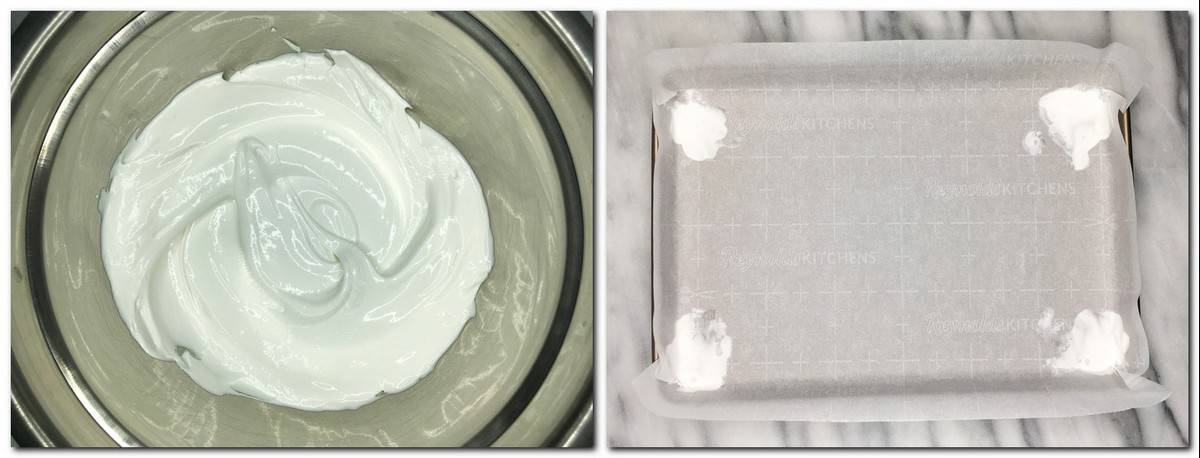
Adding a teaspoon of white wine vinegar and a small amount of cornstarch at the very end of the whisking process acts as an insurance policy. The acid stabilizes the protein bonds, while the starch absorbs excess moisture, contributing to that sought-after Tips for achieving glossy brown sugar meringue that won't collapse.
Creating the Signature Burnt Honey Apples
The filling of this roulade is what transforms it from a simple sweet to a sophisticated masterpiece. A burnt honey apple recipe requires a bit of patience and a watchful eye. You want to use Braeburn apples because they hold their shape during cooking, providing a necessary textural contrast to the soft cream and meringue.
In a large sauté pan, the honey is cooked until it begins to foam and turn a deep, dark amber—the "burnt" stage. At this point, the sliced apples are added along with bay leaves. The bay leaves might seem unusual for a dessert, but they provide a sophisticated, herbal undertone that cuts through the intense sweetness of the honey.
If you are preparing Ottolenghi meringue roulade ahead of time, this is the perfect component to start with. The apples can be sautéed a full day in advance. In fact, they must be completely cold before they touch the cream or the meringue. If the fruit is even slightly warm, it will melt the mascarpone cream and cause the meringue to dissolve, leading to a soggy disaster.
Ingredients Checklist
For the Meringue
- 250g Egg whites (approx. 6-7 large eggs)
- 100g Light brown sugar
- 250g Caster sugar
- 1 tsp White wine vinegar
- 1 tsp Cornstarch
For the Burnt Honey Apples
- 4-5 Braeburn apples, peeled and sliced
- 150g Clear honey
- 3-4 Fresh bay leaves
- A pinch of salt
For the Cream
- 250g Mascarpone
- 400ml Heavy whipping cream
- Zest of one orange
- 1 tsp Vanilla bean paste
Assembly: The Tea Towel Technique
The most intimidating part for many home cooks is the actual rolling. Meringue roulade assembly tips for beginners often focus on the fear of cracking, but Yotam Ottolenghi suggests embracing the cracks as part of the dish's rustic charm. However, using the tea towel technique significantly reduces the risk of the log falling apart.
First, whip your heavy whipping cream with mascarpone, orange zest, and vanilla. The mascarpone adds stability and a slight tang, which balances the sugary meringue. Spread this mixture over the cooled meringue, leaving a small border at the edges. Top the cream with your cooled burnt honey apples, ensuring you have removed the bay leaves first.
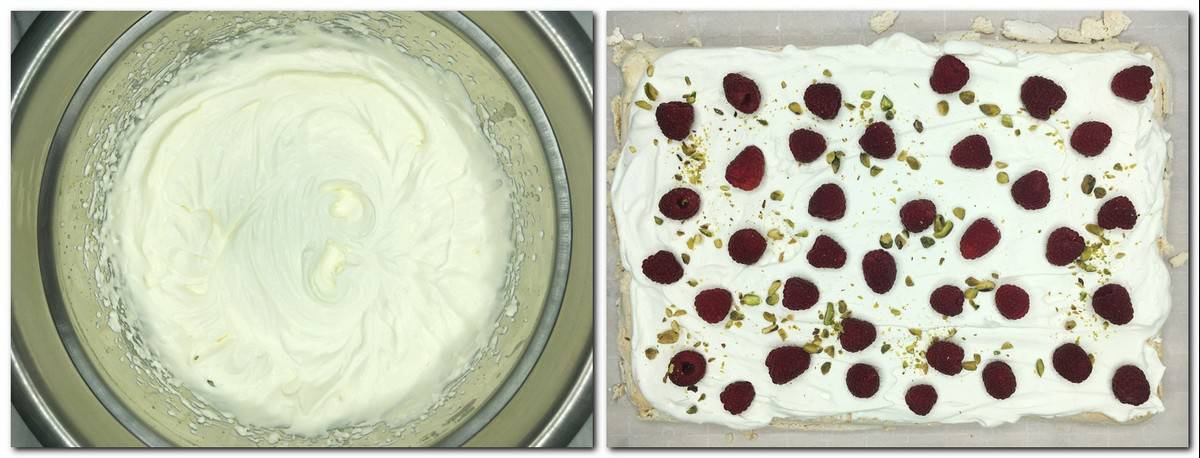
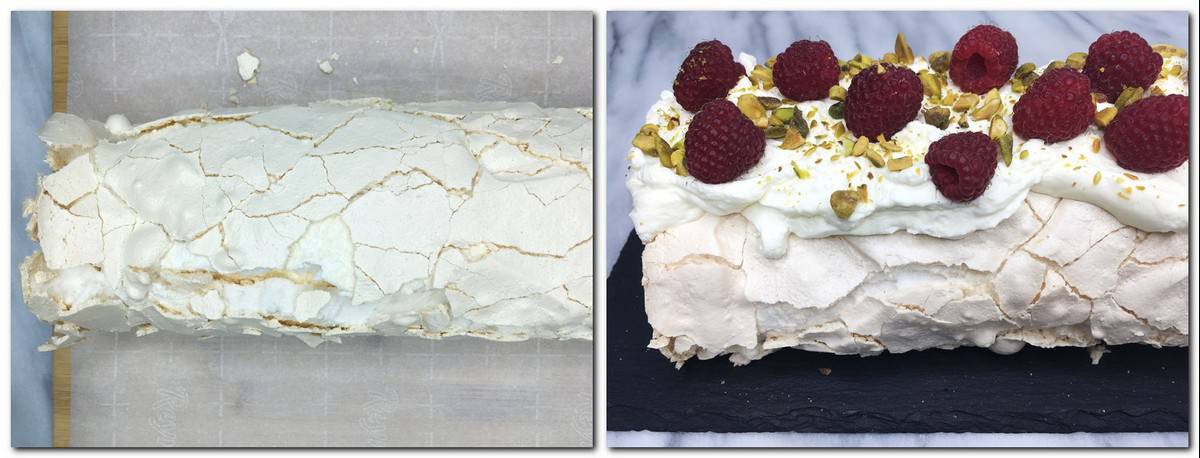
To roll, place a clean kitchen towel over the meringue and flip the whole thing over so the parchment paper is now on top. Peel away the parchment carefully. Using the long edge of the towel, gently lift and guide the meringue over the filling. The weight of the towel helps provide even pressure, allowing you to create a tight spiral without using your fingers, which might crush the delicate crust.
Pro Tip: The Flip When you invert the meringue, do it in one swift motion. Any hesitation can cause the meringue to slide or break prematurely. Once rolled, keep the roulade wrapped in the towel or fresh parchment for at least 30 minutes in the fridge to help it set into shape.
Troubleshooting and Make-Ahead Tips
Even for experienced bakers, things can go wrong. Common Ottolenghi brown sugar meringue roulade troubleshooting involves dealing with "weeping" meringue—where liquid seeps out of the base. This usually happens if the sugar wasn't fully incorporated or if the humidity is particularly high. To prevent this, ensure you whisk the sugar long enough until the mixture feels smooth (not gritty) between your fingers.
If the meringue is sticking to the parchment paper, it may be underbaked. The exterior should feel dry to the touch and slightly firm. If you find it sticking during assembly, you can use a long palette knife to gently release it as you roll.
Regarding the logistics of entertaining, preparing Ottolenghi meringue roulade ahead of time is highly recommended. You can make the burnt honey apples and the mascarpone cream 24 hours in advance. However, the assembly should happen no more than three to four hours before serving. Meringue is hygroscopic, meaning it absorbs moisture from the air and the cream filling. If left assembled for too long, the crisp shell will soften and lose its delightful crunch.
Bonus: What to Do with Leftover Yolks
One frequent question when making an Ottolenghi meringue roulade is what to do with the six or seven egg yolks left behind. In the spirit of waste-free cooking, these yolks are a goldmine for other kitchen projects.
- Hollandaise Sauce: A perfect accompaniment for a festive brunch the next morning.
- Pastry Cream: Use the yolks to make a thick, vanilla-flecked custard that can be used for fruit tarts or eclairs.
- Lemon Curd: The acidity of a homemade curd is a brilliant way to use the yolks and provides a bright contrast to other holiday bakes.
- Cured Yolks: Salt-cure the yolks for a few days to create a firm, grateable topping for pasta or salads.
By utilizing every part of the egg, you align with the resourcefulness often seen in the Ottolenghi kitchens, turning a single recipe into a multi-day culinary event.
FAQ
How do you roll a meringue roulade without it breaking?
The secret lies in the tea towel technique and timing. You must let the meringue cool completely so it deflates slightly and becomes more flexible. By using a clean kitchen towel to support the weight of the meringue as you roll, you distribute the pressure evenly, which prevents deep fractures. Small surface cracks are normal and add to the aesthetic.
Can you make Ottolenghi meringue roulade the day before?
You can prepare the individual components, such as the burnt honey apples and the whipped mascarpone cream, the day before. However, you should not assemble and roll the roulade until the day you plan to serve it. For the best texture, assemble it 2-3 hours before serving to allow it to set in the fridge without becoming soggy.
What is the difference between a pavlova and a meringue roulade?
While both use a meringue base, a pavlova is typically baked as a thick disk or nest and served as a single layer with toppings on top. A meringue roulade is baked in a flat, rectangular sheet and contains a higher ratio of marshmallowy interior to crisp exterior, specifically designed to be flexible enough to roll around a filling.
Why is my meringue roulade sticking to the parchment paper?
This usually occurs if the meringue is slightly underbaked or if the sugar hasn't been properly dissolved. Using high-quality silicone-coated parchment paper can help. If sticking occurs, try dusting the top of the meringue with powdered sugar before inverting it onto the towel to provide a non-stick barrier.
What is the best way to prevent meringue from weeping?
Weeping is caused by undissolved sugar or moisture. Ensure you add the sugar very gradually while whisking on high speed. Adding a small amount of cornstarch (cornflour) helps stabilize the mixture by soaking up excess moisture from the egg whites, creating a more resilient marshmallow center.