Quick Facts
- Efficacy: Users report a 40% reduction in opioid overdose incidents and a 50% decrease in alcohol intoxication rates.
- Mechanism: The medication modulates the mesolimbic pathway to dampen the dopamine response in the brain's reward center.
- Clinical Status: Currently remains in Phase 2 clinical trials and is used as an off-label prescribing option for addiction.
- User Rating: Early adopters and participants in studies give a 10/10 for craving suppression efficacy.
- Timeline: Most patients notice a significant reduction in cravings within the first 2 to 4 weeks of starting treatment.
- Weight Impact: Beyond metabolic health, the drug helps manage compulsive behaviors by reducing what patients call food noise.
Recent 2026 breakthroughs suggest that Ozempic for cravings is proving to be a revolutionary tool in addiction recovery. By targeting the brain's reward system, semaglutide and other GLP-1 receptor agonists are showing massive potential in reducing the intensity of urges for alcohol and opioids, with some studies showing a 40-50% reduction in substance-related incidents by modulating the mesolimbic pathway.
The Neurobiology of Desire: How GLP-1s Quiet the Brain
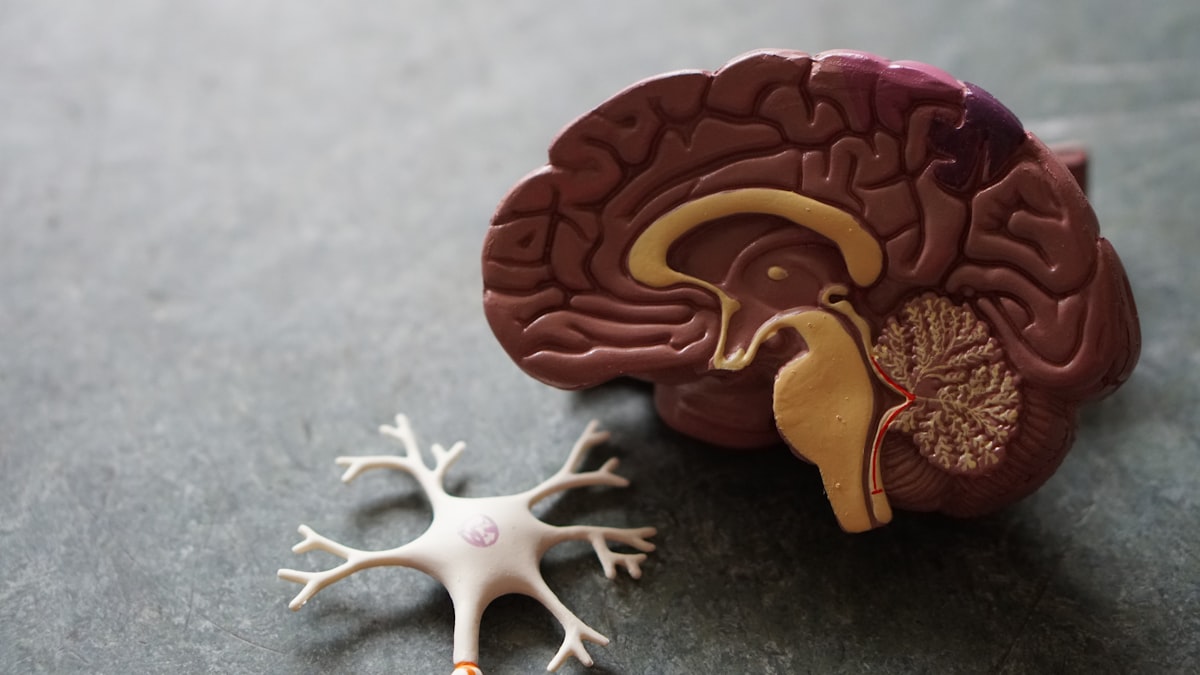
To understand why a diabetes medication is making waves in mental health circles, we have to look at the neurobiology of addiction. For years, we have viewed addiction as a failure of willpower, but we now know it is deeply rooted in the ventral striatum, a key part of the brain reward system. When someone experiences a craving, their brain produces a massive spike in dopamine in anticipation of the reward. This is often triggered by cue-induced triggers—like walking past a favorite bar or feeling a specific type of stress.
Ozempic impact on brain reward system works by dampening this anticipatory spike. When you take a GLP-1 receptor agonist, it interacts with VTA-GABA neurons. Essentially, it puts a "muffler" on the brain's loud demands for a dopamine hit. This creates a state of impulse control that many patients have never experienced before. They describe it as a quietness in the mind, a disappearance of the constant mental chatter or food noise that usually drives them toward substances or binge eating.
By shifting the focus from the consummatory reward (the pleasure of using) to the anticipatory craving (the urge to use), these medications allow the prefrontal cortex—the logical, decision-making part of the brain—to regain control. It is not just about making the substance less pleasurable; it is about making the urge to seek it far less powerful.
2024-2026 Clinical Evidence: Hard Numbers on Addiction Recovery
The shift from anecdotal "miracle stories" to hard clinical data has been rapid. A landmark large-scale observational study involving individuals with alcohol use disorder found that those prescribed semaglutide had a 50% lower rate of alcohol intoxication compared to those not taking the medication. This suggests that the drug doesn't just help people stop drinking entirely; it helps prevent the loss of control that leads to dangerous levels of intoxication.
Similarly, the impact on the opioid crisis has been startling. Research looking at the health records of over 500,000 people diagnosed with opioid use disorder revealed that patients on GLP-1 receptor agonists experienced a 40% lower rate of opioid overdose. These figures represent a major shift in how we might approach long term addiction relapse prevention in the future.
While semaglutide for addiction recovery is gaining traction, it is helpful to see how it compares to existing treatments.
| Feature | Naltrexone (Standard Care) | Ozempic / Semaglutide (Emerging) |
|---|---|---|
| Primary Mechanism | Blocks opioid receptors directly | Modulates dopamine in the mesolimbic pathway |
| Alcohol Efficacy | Reduces heavy drinking days | 41.1% reduction in heavy drinking days |
| Opioid Efficacy | High (prevents the "high") | High (reduces the "urge" and overdose risk) |
| Administration | Daily pill or monthly injection | Weekly injection |
| Secondary Benefits | Minimal | Weight loss, improved metabolic health |
These numbers suggest that GLP-1s might offer a more holistic approach to substance use disorder. By addressing the metabolic and neurological roots of compulsive behaviors simultaneously, we are seeing a multifaceted recovery process that traditional medications sometimes miss.
Beyond Weight Loss: Managing Food Noise and Substance Urges
In my work as an editor, I often hear from readers who say they started Ozempic for weight loss but found their "secondary" habits—like evening wine or smoking—simply vanished. This phenomenon is often linked to the reduction of food noise. In the context of addiction, we can think of this as "substance noise." It is that intrusive, background thought that constantly reminds you that a drink or a pill would make you feel better.
When this noise is turned down, patients report a 10/10 rating for craving suppression. It allows them to engage more deeply with therapy because they aren't spending all their mental energy fighting off an immediate urge. However, this neurobiological "quiet" comes with its own set of considerations.
One area of concern for mental health professionals is the potential for anhedonia risks. If the medication dampens the brain's response to dopamine, does it also dampen the joy found in everyday activities, like eating a good meal or enjoying a sunset? Some patients describe a "graying" of pleasure, where they feel less impulsive but also less enthusiastic. This is why managing ozempic side effects during addiction recovery treatment is so critical. We must balance the relief from cravings with the need for a vibrant, meaningful life.
Furthermore, we must address what happens to cravings when you stop taking ozempic for addiction. Currently, evidence suggests that for many, the cravings return once the medication is discontinued. This highlights the importance of using this drug as a bridge—a tool that provides the stability needed to build long-term coping mechanisms through behavioral therapy and mindfulness.

Practical Guidance: Talking to Your Doctor in 2026
If you are struggling with substance urges, you might be wondering how to talk to your doctor about ozempic for alcohol cravings. It is important to remember that using GLP-1s for addiction is currently an off-label prescribing practice. This means that while doctors can legally prescribe it for this purpose, it is not yet the FDA-approved standard of care.
When you meet with your healthcare provider, come prepared with the recent data. Mention the studies showing a reduction in heavy drinking days and the impact on the mesolimbic pathway. Be honest about your history with substance use disorder and any other treatments you have tried, such as naltrexone or buprenorphine.
It is also vital to view this medication as part of a larger toolkit. Pharmacotherapy is most effective when combined with holistic recovery practices. Integrating GLP-1 treatments with mindfulness-based relapse prevention can help you manage the emotional triggers that the medication alone might not fully address. We are also looking toward the future of long-acting delivery, such as titanium implants that could provide a steady dose of medication for months, potentially revolutionizing how we handle long term addiction relapse prevention.


FAQ
Does Ozempic work for alcohol cravings?
Yes, clinical trials and observational studies show that Ozempic for cravings is particularly effective for alcohol. By modulating the dopamine response in the brain, it can reduce the urge to drink and significantly lower the number of heavy drinking days for many patients.
How long does it take for Ozempic to reduce cravings?
Most patients begin to notice a difference in their impulse control and a reduction in cravings within the first 2 to 4 weeks. However, the full therapeutic effect on the brain reward system may take several months as the dosage is gradually increased to the maintenance level.
Why am I still experiencing cravings on Ozempic?
While many report a 10/10 success rate, the medication is not a miracle cure for everyone. Factors like the specific substance being used, the presence of co-occurring mental health issues, and environmental cue-induced triggers can all influence the effectiveness. It is essential to manage ozempic side effects during addiction recovery treatment and ensure you are also participating in behavioral therapy.
Does Ozempic suppress the urge to binge eat?
Yes, the medication is highly effective at reducing food noise, which is the constant mental preoccupation with food. By improving impulse control in the ventral striatum, it helps individuals manage compulsive eating behaviors and binge-eating episodes.
What happens to food cravings after stopping Ozempic?
Currently, research indicates that what happens to cravings when you stop taking ozempic for addiction is often a return of the original urges. Because the drug manages the symptoms of the neurobiological imbalance rather than "curing" the underlying addiction, it is often seen as a long-term management tool.
As we look toward the future, the role of GLP-1 receptor agonists in addiction recovery represents one of the most exciting shifts in psychiatry in decades. While we await further clinical validation, the evidence we have today offers a powerful new hope for those looking to build resilience and reclaim their emotional well-being.