Quick Facts
- Lean Mass Loss: Clinical data suggests that 25% to 40% of weight lost on GLP-1 medications is typically lean muscle tissue.
- The Aging Effect: Losing muscle rapidly can mimic the functional decline typically seen over 20 years of natural, age-related muscle loss.
- Protein Target: Experts recommend consuming between 1.2 to 1.6 grams of protein per kilogram of body weight daily to sustain muscle protein synthesis.
- Training Frequency: A minimum of 2 to 3 resistance training sessions per week is required to signal the body to retain muscle during a caloric deficit.
- Metabolic Impact: Preserving muscle is the most significant factor in maintaining basal metabolic rate and preventing weight regain after stopping medication.
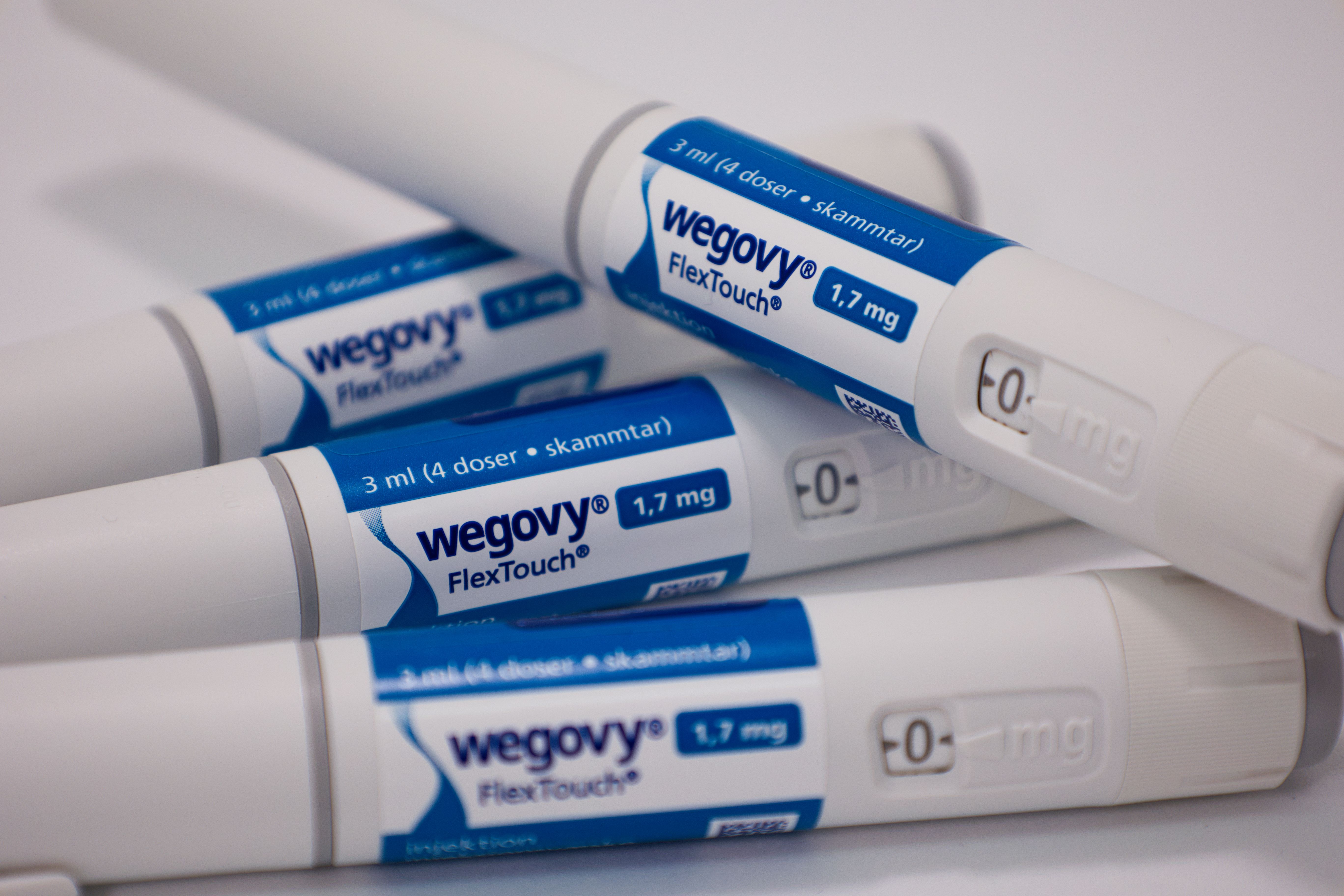
- Direct Answer: Rapid weight loss from GLP-1 medications like Ozempic often involves losing muscle alongside fat, which can lower the basal metabolic rate and impact long-term health. However, Ozempic muscle loss can be mitigated through a high-protein diet and consistent resistance training to protect your metabolism and functional strength.
While Ozempic muscle loss is a common side effect of a significant caloric deficit, it is not an inevitable outcome of the medication itself. By intentionally focusing on nutrient density and physical activity, patients can shift their body composition toward a healthier ratio of lean mass to fat.
Why Ozempic Muscle Loss Happens: The Biology
When patients begin treatment with GLP-1 receptor agonists like semaglutide, the primary mechanism of action is a profound reduction in appetite and a slowing of gastric emptying. This leads to a substantial caloric deficit, which is necessary for weight loss. However, when the body receives significantly fewer calories than it requires for daily function, it doesn't just tap into fat stores. It also begins to break down muscle tissue to meet its energy and amino acid needs.
This biological reality was highlighted in the STEP 1 clinical trial substudy, where participants taking 2.4 mg of semaglutide lost an average of 6.9 kg of lean mass. This loss accounted for approximately 40% of their total weight reduction. While this sounds alarming, it is important to place it in context. In many intensive weight loss interventions involving diet and exercise alone, lean mass loss typically ranges from 20% to 30%. The 20% to 40% reduction seen with GLP-1 medications is slightly higher, largely due to the speed and magnitude of the weight loss.
The risk here is a condition known as sarcopenic obesity. This occurs when an individual has high body fat but low muscle mass, leading to weakness and metabolic dysfunction. Because muscle is more metabolically active than fat, losing it lowers your basal metabolic rate, meaning your body burns fewer calories at rest. This is why some people find it difficult to keep weight off once they stop taking the medication.
The Protein Protocol: Nutrition Targets for GLP-1 Users
To combat the breakdown of lean tissue, your nutritional priority must shift toward protein. Protein provides the essential amino acids required for muscle protein synthesis. When you are eating significantly less food, every bite must be nutrient-dense.
I typically recommend Ozempic protein intake recommendations that far exceed the standard RDA. Most experts in the field of metabolic health suggest a range of 1.2 to 1.6 grams of protein per kilogram of body weight. For many, this feels like a lot of food, especially when appetite suppression is high. The strategy should be to aim for 25 to 30 grams of protein per meal, ensuring a steady supply of amino acids throughout the day.
Protein Requirements Lookup Table
| Current Weight (lbs) | Daily Protein Target (Grams) | Example Protein Sources |
|---|---|---|
| 150 lbs | 82 – 109g | 3 eggs, 6oz chicken breast, 1 cup Greek yogurt |
| 200 lbs | 109 – 145g | 2 scoops whey protein, 8oz salmon, 1 cup lentils |
| 250 lbs | 136 – 182g | 10oz lean steak, 1 cup cottage cheese, 3oz turkey |
| 300 lbs | 163 – 218g | Mix of whole foods and high-quality supplements |
Focusing on how much protein to eat on Ozempic for muscle maintenance is the single most important dietary change you can make. If you struggle to meet these targets through whole foods alone, protein supplement recommendations for GLP-1 users often include high-quality whey or plant-based isolates. These are easier to consume when you feel full.

Because semaglutide can make large meals feel unappealing, liquid nutrition can be a lifesaver. Shakes and smoothies allow you to sip on your protein throughout the morning or afternoon without the "heavy" feeling that comes from a large steak or a bowl of beans.
Resistance Training: The Essential Muscle Shield
If protein provides the building blocks for muscle, resistance training is the architect. Without a physical stimulus, the body has no reason to maintain expensive muscle tissue during a caloric deficit. Engaging in resistance training for GLP-1 patients is not just about aesthetics; it is a clinical necessity to preserve bone mineral density and functional strength.
You do not need to spend hours in the gym to see results. The goal is hypertrophy—triggering the growth and maintenance of muscle fibers. I recommend at least two to three sessions per week focusing on compound movements. These are exercises that work multiple muscle groups at once, providing the most "bang for your buck."
Some of the best resistance training exercises for Ozempic patients include:
- Squats and Lunges: These target the largest muscle groups in the lower body, including the glutes and quads.
- Push-ups or Chest Presses: These build upper body strength and support the shoulders.
- Rows or Pull-downs: Essential for posture and back health.
- Planks or Core Bracing: Vital for stability and preventing back pain as your center of gravity shifts during weight loss.
Consistent movement is the best way of preventing sarcopenia during rapid Ozempic weight loss. By challenging your muscles against resistance—whether using weights, bands, or your own body weight—you send a signal to your brain that this tissue is necessary for survival, even if energy is scarce.
Tracking Success: Beyond the Scale
One of the biggest mistakes patients make is relying solely on the bathroom scale to measure progress. The scale is a blunt instrument; it cannot tell the difference between five pounds of fat and five pounds of muscle. If you are losing weight rapidly but feeling increasingly weak, tired, or "flabby" even at a lower weight, you may be experiencing signs of muscle loss while on Ozempic.
To get a clearer picture of what is happening under the skin, we need to look at body composition. While clinical data shows that the proportion of lean body mass relative to total body weight actually increases for many semaglutide users, you want to ensure your absolute loss of muscle is kept to a minimum.
| Symptom | Normal Weight Loss | Severe Muscle Loss Signs |
|---|---|---|
| Energy Levels | Stable or slightly improved | Chronic fatigue and lethargy |
| Strength | Maintaining current gym lifts | Significant drop in strength/ability |
| Physical Appearance | Clothes fit better; body feels firmer | "Skinny fat" appearance; loose, soft tissue |
| Functional Daily Life | Easier to climb stairs/carry groceries | Difficulty with basic physical tasks |
If you want to know exactly how to track lean body mass while taking Ozempic, I highly recommend a DEXA scan. This is a medical-grade imaging test that provides a highly accurate breakdown of your fat mass, lean mass, and bone density. If a DEXA scan is not available, high-quality bioelectrical impedance scales can provide a baseline, though they are less precise.
The goal of GLP-1 treatment should be a healthier body, not just a lighter one. By monitoring your strength levels and body composition, you can adjust your protein intake and training intensity in real-time to ensure the weight you are losing is the weight you want to lose.
FAQ
Does Ozempic cause muscle loss?
Ozempic muscle loss is not caused by the medication itself, but rather by the rapid weight loss and severe caloric deficit it creates. When the body loses weight quickly, it naturally breaks down both fat and muscle tissue for energy.
How to prevent muscle loss while taking Ozempic?
The most effective way of preventing muscle loss on Ozempic is a two-pronged approach: consuming a high-protein diet (1.2-1.6g per kg of body weight) and engaging in consistent resistance training at least twice a week.
How much muscle do people lose on Ozempic?
Clinical studies such as the STEP 1 trial suggest that lean mass accounts for about 40% of the total weight lost. This is slightly higher than the 20% to 30% typically seen in traditional diet and exercise programs.
Why do GLP-1 drugs cause muscle loss?
GLP-1 receptor agonists cause muscle loss because they suppress appetite so effectively that patients often enter a massive caloric deficit. Without enough incoming energy or specific muscle stimulation, the body catabolizes muscle tissue.
Should I eat more protein to stop muscle loss on Ozempic?
Yes, prioritizing protein is essential. Aiming for 25 to 30 grams of protein per meal helps ensure your body has the necessary amino acids to maintain muscle protein synthesis even while in a caloric deficit.
How can I tell if I am losing muscle or fat?
You can tell by monitoring your strength and energy levels. If you are getting smaller but feeling weaker or more fatigued during daily tasks, you may be losing too much muscle. Using a DEXA scan for body composition tracking is the most accurate method.