Quick Facts
- Risk Ratio: Patients using GLP-1 receptor agonists for weight loss are 3.67 times more likely to develop gastroparesis compared to other treatments.
- Bowel Obstruction: There is a 4.22 times higher risk of experiencing bowel obstruction (ileus) while on semaglutide.
- FDA Milestone: In late 2023, the FDA updated the safety label for Ozempic to include warnings regarding ileus.
- Symptom Threshold: Medical professionals suggest that vomiting for 14 or more consecutive days indicates a serious complication rather than routine nausea.
- Legal Status: As of May 2026, more than 3,000 gastroparesis cases are currently pending in multidistrict litigation against manufacturers.
- Direct Answer: Ozempic side effects range from common nausea to severe complications like gastroparesis (stomach paralysis) and ileus, which occur when the drug significantly delays stomach motility.
Ozempic side effects have moved beyond mild nausea, with increasing reports of stomach paralysis and intestinal blockages. As semaglutide use for chronic weight management grows, understanding the risks of gastrointestinal complications is essential for patient safety. These conditions occur when stomach motility is significantly delayed, preventing food from moving into the small intestine effectively.
The Mechanism: How Semaglutide Slows the GI Tract
As a preventive care editor, I always look at how a substance alters our internal rhythm. To understand Ozempic side effects, we must look at how GLP-1 receptor agonists function. Semaglutide is designed to mimic the glucagon-like peptide-1 hormone, which naturally occurs in the body. One of its primary roles is to signal the brain that you are full while simultaneously slowing down the gastrointestinal tract.
This process is known as delayed gastric emptying. In a healthy digestive system, the stomach muscles contract to move food into the small intestine at a steady pace. However, by mimicking GLP-1, semaglutide tells the stomach to hold onto food for a much longer duration. For most users, this results in a prolonged feeling of satiety, which is the cornerstone of how the drug aids in chronic weight management.
The concern arises when this helpful slowing becomes a complete standstill. This is the tipping point where healthy digestion transforms into stomach motility dysfunction. When the delay becomes too extreme, the condition is clinically referred to as gastroparesis. In these cases, the stomach muscles do not just slow down; they effectively become paralyzed. This prevents the stomach from emptying at all, leading to the fermentation of food within the digestive chamber, which causes many of the severe semaglutide gastrointestinal complications reported by patients today.
Warning Signs: Difference Between Nausea and Gastroparesis
One of the most difficult challenges for patients is distinguishing between a transient reaction to a new medication and a serious Ozempic intestinal blockage warning signs. While almost everyone starting semaglutide experiences some level of queasiness, there are specific markers that suggest your body is struggling with a more permanent stomach dysfunction.
In my experience, the duration and intensity of the symptoms are the most telling factors. Transient nausea usually peaks a day or two after your injection and fades as your body adjusts. Conversely, semaglutide gastroparesis symptoms are persistent and may worsen over time.
| Feature | Typical Ozempic Nausea | Gastroparesis or Ileus |
|---|---|---|
| Duration | Lasts 24–48 hours after injection | Persistent for 14+ days |
| Vomiting | Occasional or triggered by overeating | Frequent, forceful, and often contains undigested food from hours prior |
| Pain | Mild discomfort or "queasiness" | Severe abdominal pain and cramping |
| Satiety | Feeling full after a small meal | Feeling full after just one or two bites (early satiety) |
| Bowel Movements | Mostly normal or mild constipation | Total absence of bowel movements or inability to pass gas |
If you experience severe bloating, abdominal distension, or the inability to keep liquids down, you may be facing ileus, a condition where the intestines fail to move food properly. This is a medical emergency that requires immediate intervention. Understanding the difference between Ozempic nausea and gastroparesis can be the difference between a manageable side effect and a long-term health crisis.
Regulatory & Legal: 2026 Status of Ozempic Lawsuits
The landscape of semaglutide regulation has shifted dramatically over the last few years. According to data from the FDA's Adverse Events Reporting System, over 8,500 reports of gastrointestinal disorders were filed regarding semaglutide-based medications by mid-2023. This surge in data forced the FDA to re-evaluate the drug's safety profile, leading to the 2023 FDA label update that specifically added ileus as a potential risk.
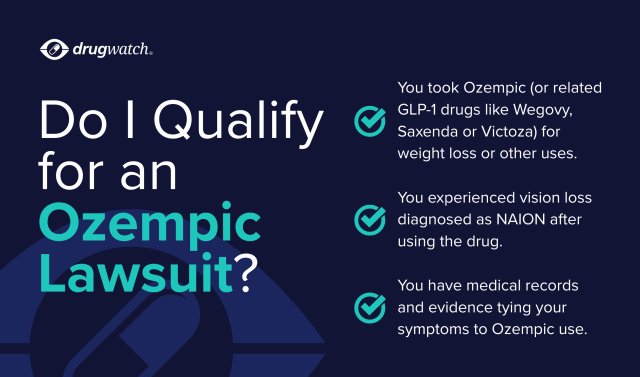
As we move through 2026, the legal pressure on Novo Nordisk has intensified. Thousands of plaintiffs have joined multidistrict litigation (MDL 3094) in the Eastern District of Pennsylvania. These lawsuits primarily center on "failure to warn" claims. Patients allege that the manufacturer knew about the potential for permanent stomach dysfunction and other injuries, such as vision loss (NAION), but failed to provide adequate Ozempic stomach paralysis warnings to the public or the medical community.
The legal proceedings are currently scrutinizing whether the risk of severe stomach dysfunction from semaglutide was downplayed to facilitate the drug's rapid adoption for weight loss. For patients, these Ozempic gastroparesis lawsuit updates 2026 serve as a reminder that the clinical understanding of these drugs is still evolving.
Medical Action: Diagnostic Tools and Symptom Management
If you suspect that your digestion has slowed to a dangerous degree, medical intervention is necessary. Doctors typically use specific clinical tests to confirm a diagnosis of gastroparesis. The gold standard is Scintigraphy, a gastric emptying study where you eat a meal containing a tiny amount of radioactive material, allowing a camera to track how quickly the food leaves your stomach. Other methods include wireless motility capsules that record pressure and pH levels as they travel through your gastrointestinal tract.
For those managing milder Ozempic side effects, there are several holistic and pharmaceutical strategies to consider.
- Pharmaceutical Support: Doctors may prescribe metoclopramide (Reglan) to stimulate stomach contractions, though this is usually for short-term use. For acute nausea, managing Ozempic nausea with Zofran or Reglan can help patients maintain their nutritional intake.
- Dietary Adjustments: To prevent stomach motility issues, it is essential to avoid high-fat and ultra-processed foods, which naturally take longer to digest. Focus on well-cooked vegetables and lean proteins that are easier for the stomach to break down.
- Eating Patterns: Instead of three large meals, aim for five or six small, nutrient-dense snacks throughout the day. This reduces the mechanical load on the stomach.
- Hydration and Fiber: While fiber is generally healthy, excessive amounts of insoluble fiber can actually worsen bloating when gastric emptying is delayed. Monitor your bowel function closely and prioritize hydration with electrolytes.
FAQ
Can Ozempic cause severe stomach problems?
Yes, Ozempic can lead to severe gastrointestinal complications such as gastroparesis (stomach paralysis) and ileus (intestinal blockage). While many users experience mild nausea, these more serious conditions involve a significant or total cessation of digestive movement, which can require hospitalization and may have long-term impacts on digestive health.
How long do Ozempic side effects usually last?
Common side effects like mild nausea or diarrhea often subside within the first few weeks as the body becomes accustomed to the medication. However, if the side effects are related to stomach motility dysfunction, they may persist as long as the medication is in your system. In some reported cases of gastroparesis, patients have found that their stomach function did not immediately return to normal even after discontinuing the drug.
What should I do if I experience side effects from Ozempic?
If your side effects are mild, you should consult your prescribing physician about adjusting your dosage or changing your eating habits. However, if you experience persistent vomiting for more than 14 days, severe abdominal pain, or an inability to pass gas or stool, you should seek immediate medical attention, as these can be signs of a life-threatening intestinal blockage.
Are there long-term risks associated with Ozempic?
The long-term risks are still being studied, but current data and ongoing litigation highlight concerns regarding permanent gastric dysfunction, gallbladder disease, and potential vision loss (NAION). Because semaglutide is often intended for long-term chronic weight management, the cumulative effects on the gastrointestinal tract remain a primary focus for researchers and regulatory bodies in 2026.
Can Ozempic cause constipation or diarrhea?
Yes, both are common Ozempic side effects. Constipation is frequently a result of delayed gastric emptying, where stool remains in the colon for too long and becomes dry. Diarrhea can occur as a reaction to the medication's effect on the gut microbiome or as a result of malabsorption when the digestive process is disrupted.
Conclusion & Medical Consultation
Navigating the journey of chronic weight management requires a careful balance between achieving metabolic goals and maintaining the integrity of our digestive health. While semaglutide has offered a breakthrough for many, the risk of severe stomach dysfunction from semaglutide cannot be ignored.
I encourage anyone currently using these medications to stay highly attuned to their body's signals. Do not dismiss chronic vomiting or severe bloating as "just part of the process." Maintaining a proactive dialogue with your healthcare provider is essential. If symptoms persist, ask your doctor about lowering the dose or exploring alternative therapies that may be more compatible with your unique physiology. Preventive care is about more than just managing weight; it is about protecting the fundamental systems that keep us vibrant and healthy for the long term.