Quick Facts
- Medical Consensus: There is no medically mandated best time of day to take the medication, as it remains effective for a full week.
- Consistency: The most critical factor for glycemic control is taking the injection on the same day every week.
- Nausea Management: Many patients find taking the dose at night helps them sleep through initial gastrointestinal side effects.
- Peak Effectiveness: Medication levels typically peak in the bloodstream 1 to 3 days after the subcutaneous injection.
- Flexibility: You can take your dose with or without food at any hour that fits your personal schedule.
- The 48-Hour Rule: If you need to change your injection day, ensure at least 48 hours have passed since your last dose for safety.
Regarding Ozempic timing, there is no single medically mandated best time of day to take Ozempic, as the medication maintains a steady-state concentration in the body for a full week. Whether you prefer Ozempic morning vs night, the primary factor for success is ensuring the injection occurs consistently on the same day each week to maintain stable blood glucose regulation and satiety signals.
The Science of Ozempic Timing: How Semaglutide Works
To understand why the specific hour of your injection matters less than the day, we have to look at the pharmacokinetics of semaglutide. As a GLP-1 receptor agonist, semaglutide mimics a natural hormone in your body that regulates appetite and blood sugar. One of its most significant functions is how it affects gastric emptying, which is the process of food leaving your stomach. By slowing this process down, the medication helps you feel full longer.
The FDA-approved prescribing information for Ozempic confirms that the drug has a half-life of approximately seven days. This means it takes a full week for half of the medication to leave your system. Because of this long duration, the medication provides consistent appetite regulation and glycemic control regardless of whether you inject it at 8:00 AM or 8:00 PM.
However, your body does not reach a steady-state concentration—where the amount of drug in your blood remains level—immediately. It typically takes about 4 to 5 weeks of consistent dosing to achieve this balance. This is why following a strict ozempic injection schedule for the first four weeks is so important for long-term metabolic health. During this initial phase, your body is adjusting to new satiety signals and changes in how it processes insulin.

Ozempic Morning vs. Night: Choosing Based on Side Effects
While the hour of administration does not change how much weight you lose, it can significantly impact your gastrointestinal tolerance. Clinical trials have shown that nausea is reported by 15% to 20% of patients, particularly when starting a new dose.
For many, the debate of Ozempic morning vs night for weight loss comes down to when they feel most comfortable. Taking the injection in the morning allows some users to monitor their body's response throughout the day. This can be helpful if you are concerned about how your energy levels might fluctuate. On the other hand, many healthcare providers suggest an evening dose. The logic here is simple: if you experience nausea or mild digestive discomfort shortly after the injection, you might be able to sleep through the worst of it.
The best time to take ozempic to avoid nausea is often right before bed. This strategy allows the initial "surge" of the medication to settle while you are resting. Below is a comparison of how different times might affect your routine:
| Timing Strategy | Potential Benefits | Ideal For |
|---|---|---|
| Morning Injection | Can monitor for allergic reactions or acute side effects; fits into a "start-of-day" health routine. | Those who prefer tracking symptoms during waking hours. |
| Evening Injection | May sleep through initial nausea or fatigue; less disruption to work or daily activities. | Those with sensitive gastrointestinal tolerance. |
| Before Bed | Maximum potential to avoid noticing immediate peaks in digestive discomfort. | Patients who experience significant nausea within 2-4 hours of dosing. |

Beyond the Hour: Picking the Best Day of the Week
While the hour is flexible, picking the best day of the week to take ozempic for weight loss is a more tactical decision. Because semaglutide reaches its peak concentration in the blood 1 to 3 days after the injection, you can time your "strongest" appetite suppression to match your lifestyle challenges.
If you find that your biggest hurdle is weekend overeating or social events, a Thursday or Friday injection might be the most effective ozempic timing for consistent appetite suppression during those high-risk days. Conversely, if you have a high-stress job where you need to be at your peak performance without any potential fatigue, you might choose a Sunday or Monday injection so that any potential "peak" side effects occur while you are settled into your midweek work routine.
| Injection Day | Peak Medication Levels | Best For... |
|---|---|---|
| Monday | Tuesday – Thursday | Staying on track during a busy work week. |
| Wednesday | Thursday – Saturday | Managing appetite as the weekend begins. |
| Friday | Saturday – Monday | Curbing weekend cravings and having the weekend to rest if side effects occur. |
By aligning your ozempic timing with your personal habits, you create an environment where maintaining a calorie deficit feels less like a struggle and more like a natural extension of your biology.
Changing Your Routine Safely: The 48-Hour Rule
Life is unpredictable, and there may be times when you need to adjust your Ozempic injection schedule. Perhaps you are traveling, or you’ve realized that a different day of the week would better suit your lifestyle. The good news is that semaglutide offers some flexibility, provided you follow specific safety protocols.
To understand how to change ozempic injection day and time safely, you must remember the 48-hour rule. You should never take two doses within 48 hours of each other. If you want to move your injection day from Friday to Monday, you can do so as long as your last dose was at least two days prior.
If you miss a dose, the window for "catching up" is five days. If it has been more than five days since your scheduled dose, you should skip that dose entirely and wait until your next regularly scheduled day. This prevents a double-dose scenario which could lead to severe Ozempic side effects and timing issues with your digestion.

When performing the subcutaneous injection, remember that you can take it with or without food. Unlike some oral medications that require an empty stomach for absorption, Ozempic’s effectiveness is not influenced by your last meal.
Expected Results: The Ozempic Weight Loss Timeline
As an editor focusing on nutrition science, I always remind readers that metabolic health is a marathon, not a sprint. While ozempic timing and consistency are vital, the results take time to manifest as your body adjusts its set point.
The landmark STEP (Semaglutide Treatment Effect in People) clinical trials provide the gold standard for what patients can expect. Based on prescribing data and clinical trials, the timeline for weight loss typically looks like this:
- Month 1: Focus is on titration and adjusting to the medication. Most users see a 3% to 5% reduction in body weight as the ozempic injection schedule begins.
- Month 3: As the dosage increases and steady-state concentration is achieved, weight loss often reaches 5% to 8%.
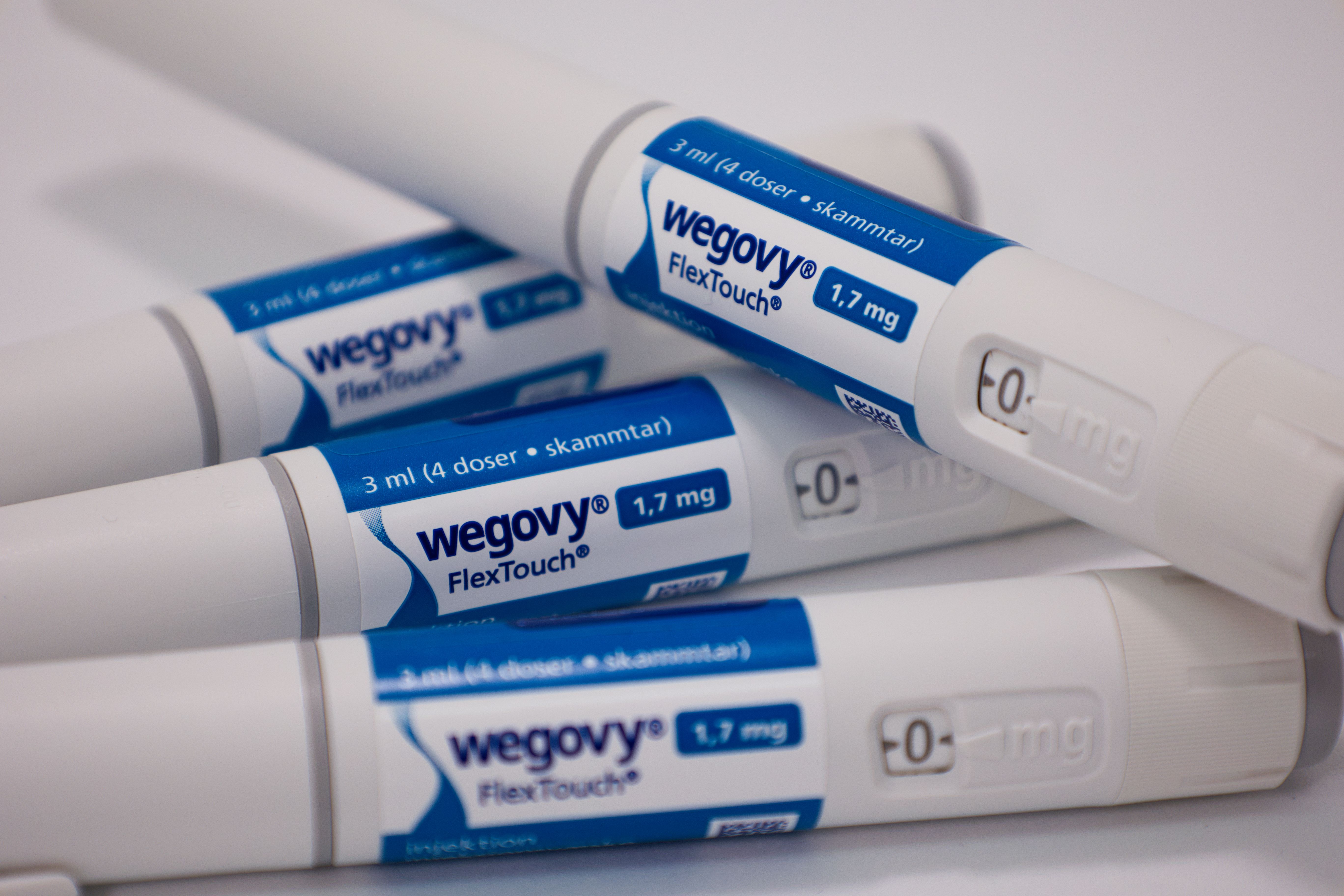
- Month 12 and Beyond: In long-term studies, participants taking semaglutide 2.4 mg (the dose for Wegovy, which is the same molecule as Ozempic) saw an average weight loss of approximately 14.9% to 16% over 68 weeks.
These results are most significant when the medication is paired with lifestyle modifications. Even with the best Ozempic timing, the quality of your nutrition and your level of physical activity remain the foundational pillars of health.

FAQ
What is the best time of day to take Ozempic?
There is no medically superior time of day. Because the medication stays in your system for a full week, the most important factor is consistency. You should choose a time that you can easily remember and stick to every week.
Should Ozempic be taken with food or on an empty stomach?
Ozempic can be taken with or without food. Its absorption is not affected by meals, so you can perform your injection whenever it is most convenient for you, regardless of your eating schedule.
Is it better to take Ozempic in the morning or at night?
It depends on your personal reaction to the medication. Morning injections allow for daytime monitoring, while nighttime injections may help you sleep through common side effects like nausea or fatigue.
Does taking Ozempic at night help reduce nausea?
Many patients and healthcare providers find that evening dosing helps manage gastrointestinal discomfort. By taking the injection before bed, the initial rise in medication levels happens while you are asleep, potentially reducing the sensation of nausea during your waking hours.
Can you change the day of the week you take your Ozempic injection?
Yes, you can change your injection day as long as the time between two doses is at least 48 hours. If you need to shift your schedule, simply pick your new day and ensure it has been at least two days since your last shot.
The journey to optimal metabolic health is deeply personal. While science gives us the framework—the seven-day half-life, the 48-hour rule, and the peak concentration window—your lifestyle should dictate the specifics of your Ozempic timing. Always consult with your healthcare provider before making significant changes to your prescription routine to ensure your plan is safe and effective for your unique needs.