Quick Facts
- Top Essential Oils: Frankincense (Brain Health), Lavender (Sleep & Tremors), Peppermint (Energy), and Helichrysum (Muscle Stiffness).
- Research Insight: Over 70% of participants using essential oils reported a reduction in tremors and enhanced relaxation in a Parkinson's Foundation survey.
- Integrative Use: Approximately 40% of Parkinson's disease patients in the United States use complementary therapies, including aromatherapy.
- Sleep Quality: Clinical data shows that 98.4% of patients saw an improvement in anxiety-related sleep disturbances when using standardized lavender oil.
- Key Safety Rule: Always dilute essential oils in carrier oils (1-2% concentration) and ensure they are GC/MS tested for purity.
- Mechanism of Action: Essential oils work through olfactory stimulation, affecting the limbic system and helping to manage neuroinflammation.
Essential oils such as Frankincense and Lavender are powerful tools in integrative neurology for managing Parkinson's symptoms. Research shows up to 70% of users report tremor relief and improved relaxation when using therapeutic-grade Parkinson's essential oils as part of a daily wellness routine.
The Science of Scent: How Aromatherapy Supports the PD Brain
When we talk about aromatherapy for Parkinson's symptoms, we are looking at a direct biological highway to the brain. Unlike many other sensory inputs, the sense of smell is connected directly to the limbic system, which governs emotions, memory, and certain autonomic functions. When you inhale the volatile compounds from an essential oil, the molecules travel through the olfactory bulb and interact with the amygdala and hippocampus. This process, known as olfactory stimulation, can trigger the release of neurotransmitters like dopamine and serotonin, which are often depleted in those living with Parkinson's.
For those exploring how to use Frankincense oil for Parkinson's brain health, the science becomes even more fascinating. Certain oils contain high levels of sesquiterpenes—molecules that are small enough to cross the blood-brain barrier. These compounds are believed to support brain oxygenation and help manage neuroinflammation, which is a key factor in the progression of neurodegenerative conditions. By reducing oxidative stress at a cellular level, these botanical extracts provide a protective layer to dopaminergic neurons that are under pressure.
In the world of integrative neurology, we view these oils not as a cure, but as a supportive strategy to improve the brain's internal environment. By calming the nervous system and reducing the "fight or flight" response, we create a foundation where traditional medications can work more effectively and the patient feels more in control of their body.
Essential Oils for Motor Symptoms: Tremors and Rigidity
The primary physical challenges of Parkinson's—tremors, bradykinesia (slowness of movement), and muscle rigidity—can significantly impact daily independence. While Parkinson's essential oils cannot replace dopamine-replacement therapy, they offer a complementary approach to muscle relaxation. Lavender (Lavandula angustifolia) is particularly noted for its high linalool content, which has a sedative effect on the central nervous system. When applied via gentle massage, it can help ease the physical tension that often exacerbates hand tremors.
Another powerful botanical is Helichrysum (Helichrysum italicum), often called "Everlasting" or "Immortelle." It is valued for its anti-inflammatory properties and its ability to support circulation. For patients dealing with stiffness, a blend of Helichrysum and a high-quality carrier oil can be massaged into the joints and muscles to promote flexibility. This topical pulse point application allows the oils to be absorbed into the bloodstream while the physical act of massage provides sensory feedback to the brain, helping to break the cycle of rigidity.
| Symptom | Recommended Oil | Application Method | Primary Benefit |
|---|---|---|---|
| Hand Tremors | Lavender, Frankincense | Topical Diluted Massage | Nervous system calming |
| Muscle Stiffness | Helichrysum, Basil | Warm Compress / Massage | Improved circulation |
| Rigidity | Vetiver | Pulse Point Application | Grounding and relaxation |
| Low Coordination | Cedarwood | Diffuser | Brain oxygenation |
Using essential oils for Parkinson's tremors often involves creating a ritual. Caregivers can play a vital role here by performing a light hand or foot massage. This not only delivers the benefits of the best essential oils for Parkinson's hand tremors but also provides the therapeutic benefit of human touch, which has been shown to lower cortisol levels and improve motor control in some patients.
Managing Non-Motor Symptoms: Sleep, Anxiety, and Fatigue
Parkinson's is often described as an iceberg; while tremors are visible, the non-motor symptom management is equally critical for quality of life. Issues like anxiety, depression, and sleep hygiene often go untreated but cause significant distress. This is where the emotional power of aromatherapy truly shines.
For those struggling with nighttime restlessness, essential oil recipes for Parkinson's sleep support usually center on Roman Chamomile and Lavender. These oils help regulate the sleep-wake cycle by signaling the brain to enter a state of repose. A clinical study in the Journal of Psychiatric Research highlights just how effective this can be, noting that nearly all participants saw improvements in anxiety-related sleep issues when using standardized botanical extracts.
On the opposite end of the spectrum, many patients face debilitating fatigue during the day. This is where peppermint oil for Parkinson's fatigue and low energy becomes a staple. Unlike the sedating oils used at night, Peppermint (Mentha piperita) is refreshing and mentally clearing. Inhaling it directly from the bottle or using it in a morning diffuser can provide a natural "lift" without the jitters associated with caffeine. Similarly, aromatherapy diffuser blends for Parkinson's anxiety often incorporate citrus oils like Bergamot. Bergamot is unique because it is both uplifting and calming, helping to balance the mood throughout the day.
Essential Oil Safety for Elderly Patients
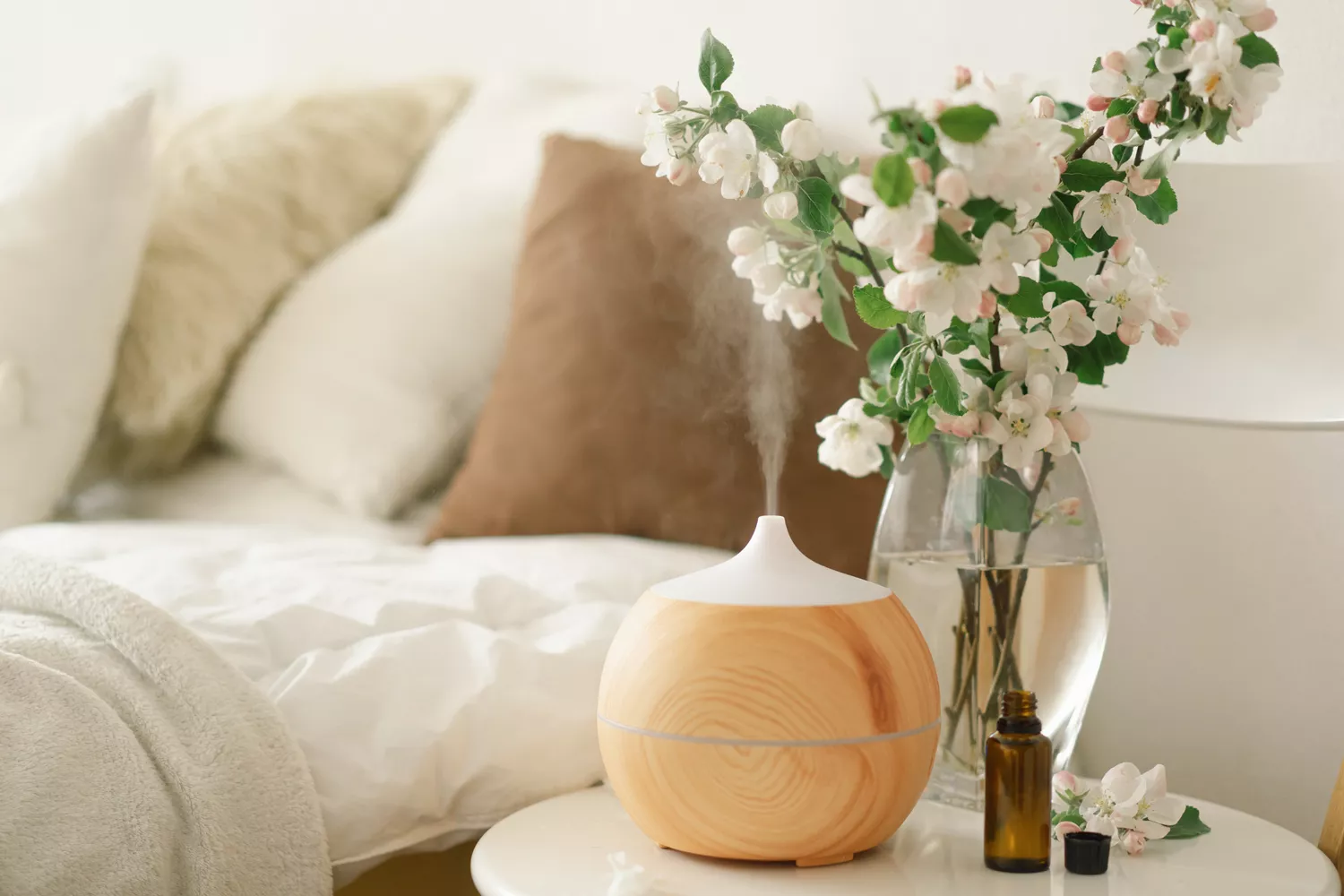
While essential oils are natural, they are also highly concentrated chemicals that must be used with care, especially in elderly patients. Aging skin is thinner and more sensitive, making the use of carrier oils like jojoba, fractionated coconut oil, or almond oil mandatory. A safe dilution ratio for seniors is typically 1% to 2%, which translates to about 3 to 6 drops of essential oil per ounce of carrier oil.
When selecting products, look for therapeutic-grade purity. Because the essential oil market is largely unregulated, many "bargain" oils are adulterated with synthetic fragrances or solvents that can cause respiratory irritation or skin rashes. Always verify that a company provides GC/MS testing results. This lab test ensures the oil contains the correct chemical constituents and is free from contaminants.
Safety guidelines for using essential oils with elderly Parkinson's patients also involve being mindful of drug interactions. While topical use and diffusion are generally safe, certain oils may interact with Parkinson's medications like levodopa or anticholinergics. For instance, very high doses of certain oils might affect how the body processes medication. Always keep a clear line of communication with your neurologist.
Safety Warning Box: Never ingest essential oils unless under the direct supervision of a clinical aromatherapist and medical doctor. Always perform a patch test on a small area of skin before applying a new oil blend to larger areas of the body. If skin irritation or respiratory distress occurs, stop use immediately.
Finally, consider the environment. If using a diffuser, ensure the room is well-ventilated and the device is cleaned regularly to prevent mold buildup. Following these essential oil safety for elderly patients protocols ensures that the experience remains a therapeutic benefit rather than a health risk.
FAQ
Which essential oils are best for Parkinson's disease symptoms?
The most effective oils include Lavender for sleep and anxiety, Frankincense for neuroprotection and grounding, Peppermint for daytime fatigue, and Helichrysum for muscle stiffness. Each oil addresses different aspects of the condition, so a multi-oil approach is often the most beneficial.
Can essential oils help reduce Parkinson's tremors?
While they are not a cure, many patients find that oils like Lavender and Vetiver help reduce the intensity of tremors by calming the central nervous system. When the body is in a relaxed state, the physical manifestations of the disease, including hand tremors, often become less pronounced.
Is lavender oil effective for Parkinson's-related sleep issues?
Yes, lavender oil is highly effective for improving sleep hygiene. Clinical research shows that it significantly improves anxiety-induced insomnia and helps patients stay asleep longer by promoting the production of calming neurotransmitters in the brain.
How do you safely use essential oils for Parkinson's patients?
Safety starts with proper dilution in carrier oils to protect sensitive skin. It is also important to use a diffuser in well-ventilated areas and to choose only GC/MS tested oils to ensure purity. Always consult with a healthcare professional before starting a new aromatherapy routine.
Do essential oils interact with Parkinson's medications?
Most essential oils used aromatically or topically at low dilutions are safe. however, some concentrated compounds could potentially interfere with the absorption or metabolism of medications like levodopa. It is essential to discuss your aromatherapy plans with your neurologist to ensure there are no contraindications.