Quick Facts
- Prep Time: 10–15 minutes
- Dietary: Vegan, Gluten-Free, No Refined Sugar
- Key Nutrients: High Vitamin C, 7g fiber per cup
- Shelf Life: Up to 5 days (stored separately)
- Texture: Superior crunch with texture contrast
- Technique: Shredding and massaging for better digestion
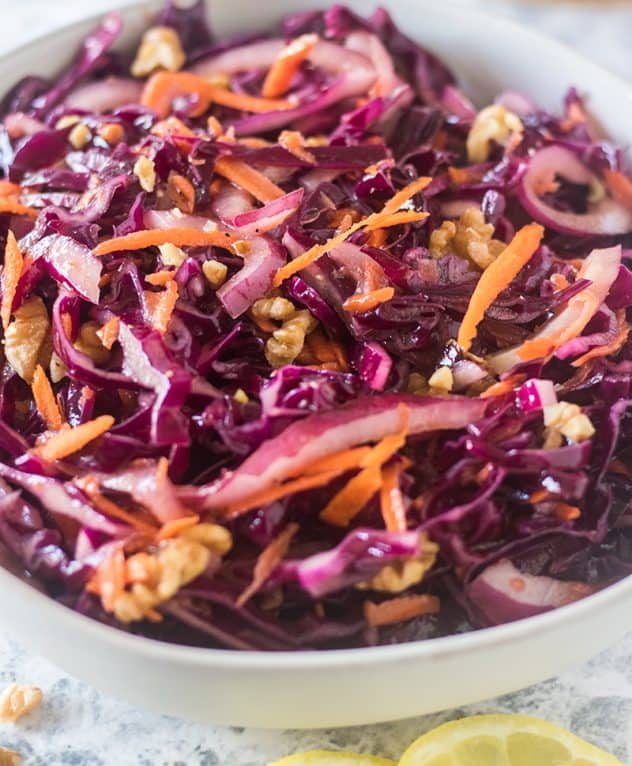
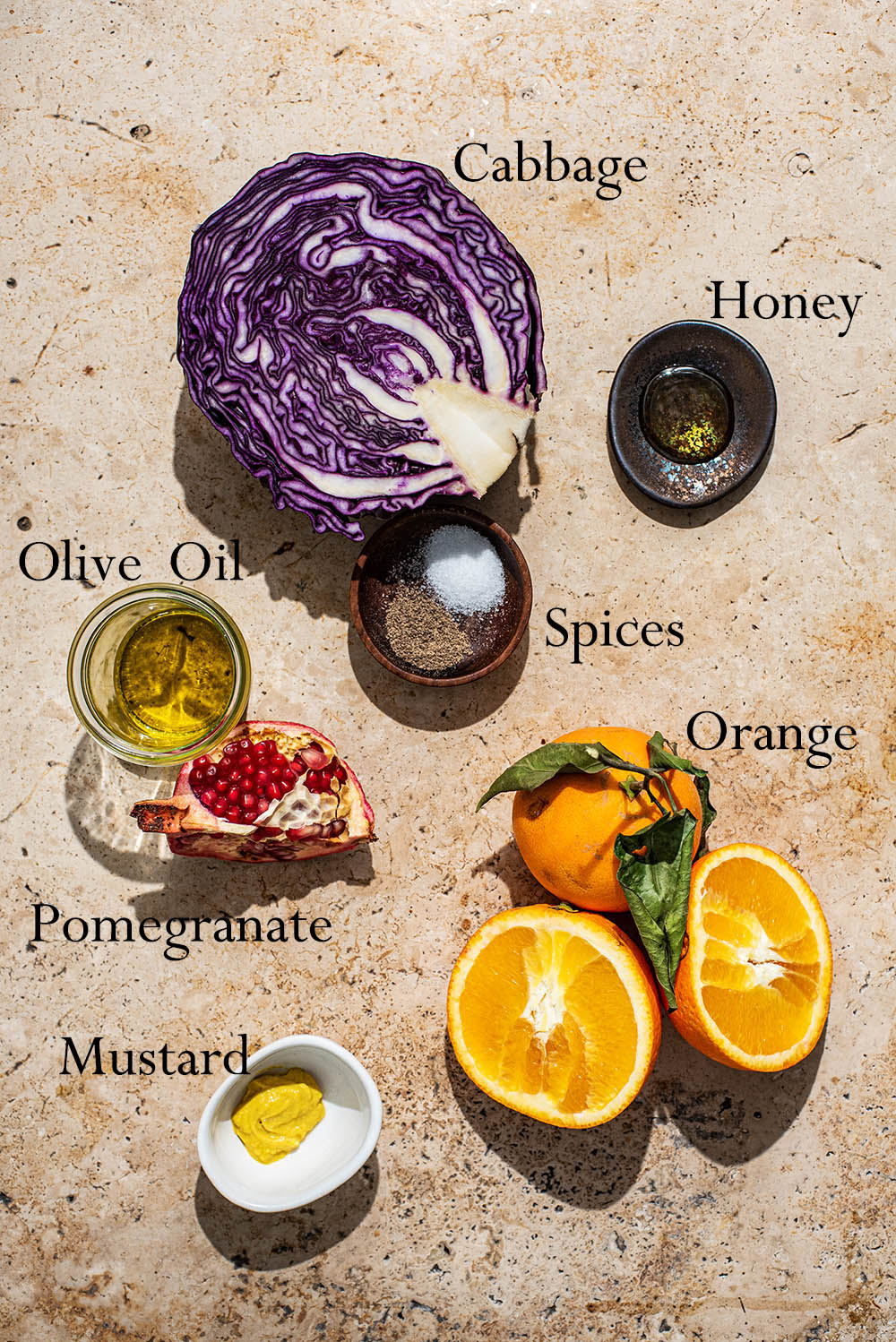
Start with a vibrant Pomegranate Slaw that brings a burst of flavor to your table. This red cabbage and pomegranate salad is a vegan gluten-free coleslaw that works as a festive side or a healthy meal-prep staple. To make this refreshing dish, combine shredded red cabbage, carrots, and beetroot with fresh pomegranate seeds, then toss with a dressing of extra virgin olive oil, apple cider vinegar or clementine juice, and maple syrup to avoid refined sugars.
Why This Pomegranate Slaw is a Nutrient Powerhouse
As a nutrition editor, I am often asked how to make everyday meals more functional without sacrificing flavor. This Pomegranate Slaw is the perfect example of a nutrient-dense side dish that serves as both a palate cleanser and a concentrated source of health-promoting compounds. The foundation of this salad is cruciferous greens, specifically red cabbage, which is known for its high concentration of anthocyanins—the pigments that give it a deep purple hue and provide significant anti-inflammatory benefits.
When we look at the nutritional profile of the star ingredient, the pomegranate, the data is truly impressive. One cup of fresh pomegranate arils, which is approximately 174 grams, provides about 7 grams of dietary fiber and 30% of the recommended daily value for Vitamin C. These nutrients are essential for supporting immune function and maintaining a healthy digestive tract. Beyond the basic vitamins, pomegranates contain unique antioxidants known as punicalagins. Research has shown that these compounds possess three times the antioxidant activity of red wine and green tea, making this fruit a formidable ally against oxidative stress.
The visual rainbow appeal of this dish isn't just for aesthetics; in the world of nutrition science, a variety of colors on your plate indicates a wide spectrum of phytonutrients. By combining the earthy tones of beetroot with the bright orange of carrots and the ruby red of pomegranate seeds, you are ensuring a diverse intake of vitamins and minerals. This salad is particularly effective during the winter harvest season when heavier meals are common. Its bright acidity helps break down fats and proteins, facilitating smoother digestion after a large holiday dinner or a protein-rich weeknight meal.
Professional Preparation: Shredding and Massaging
Achieving the perfect texture in a red cabbage and pomegranate salad requires more than just a sharp knife. For a professional result that feels like it came from a high-end bistro, I recommend using a mandoline slicer or the shredding attachment on a food processor. These tools ensure uniform cabbage strips, which allows the dressing to coat every piece evenly and provides a consistent mouthfeel. If you are adding apple matchsticks for a touch of sweetness, a mandoline is equally helpful for maintaining that delicate shape.
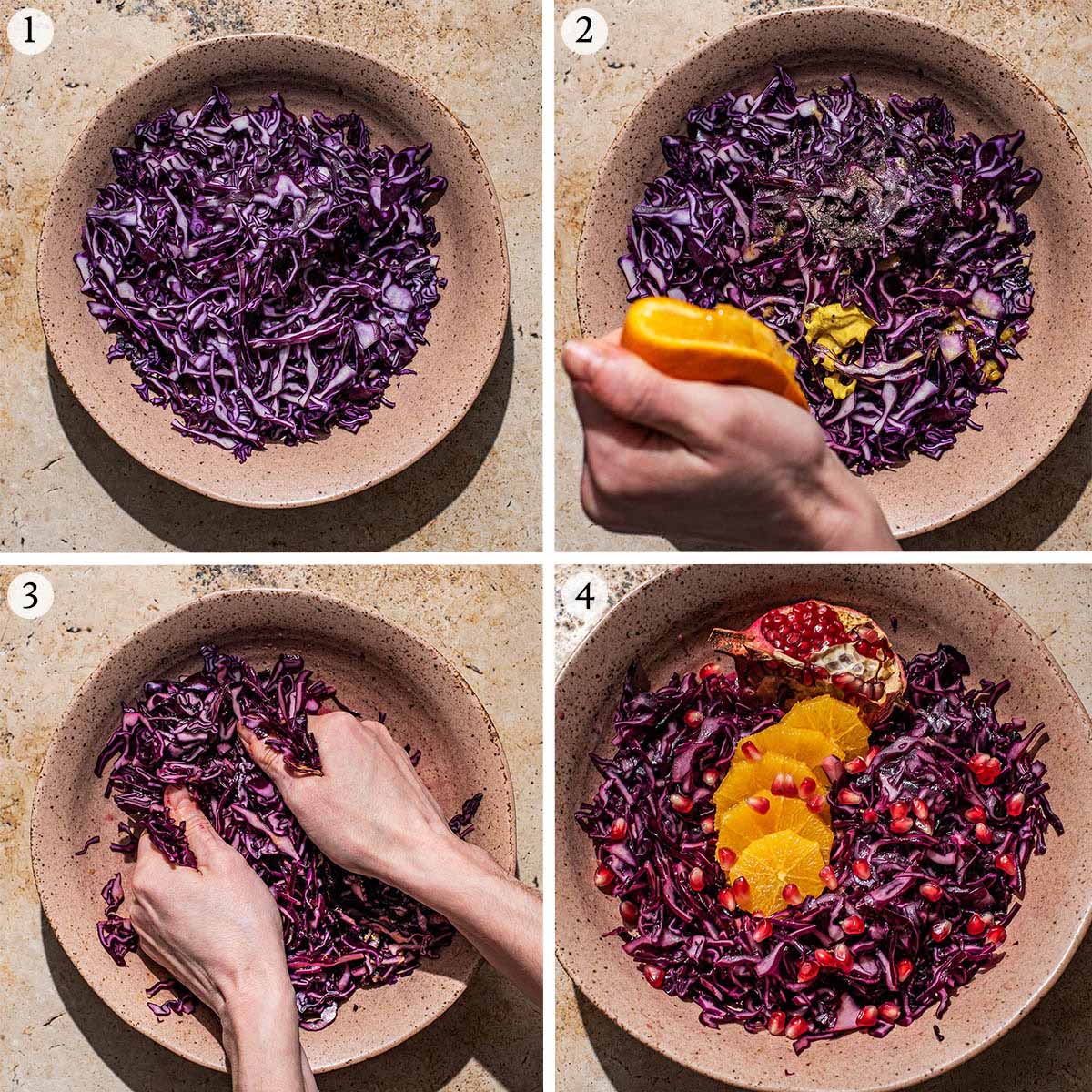
One of my favorite professional secrets for handling cruciferous vegetables is the 60-second massage. Red cabbage can be quite fibrous and tough when raw. By placing the shredded cabbage in a large bowl and gently massaging it with a pinch of sea salt for about one minute, you physically break down the tough cellulose structures. This technique softens the texture without removing the satisfying crunch, making the slaw much easier to chew and digest. It also allows the cabbage to absorb the flavors of the dressing more deeply.
Preparation efficiency is also about minimizing mess. Dealing with fresh fruit can be daunting, but there are simple tips for deseeding pomegranates without the mess for salads. The most effective method is the water bowl technique: cut the pomegranate into quarters and submerge them in a large bowl of water. Gently pull the seeds away from the pith under the water. The arils will sink to the bottom, while the white pith will float to the top. This prevents the juice from splattering across your kitchen and keeps your hands clean.
The Recipe: Red Cabbage and Pomegranate Salad
This quick 10 minute vegan gluten free coleslaw recipe is designed for those who value both health and convenience. It avoids all refined sugars and common allergens, making it a safe and delicious option for almost any dietary requirement.
Ingredients
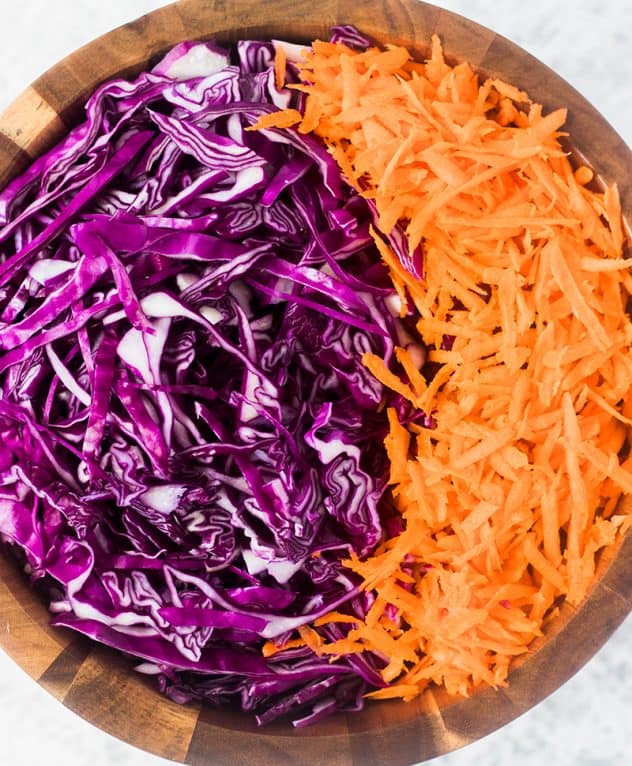
- 4 cups shredded red cabbage (approx. half a medium head)
- 1 large carrot, julienned or shredded
- 1 small raw beetroot, peeled and shredded
- 1 cup fresh pomegranate arils
- 1/4 cup toasted pepitas or sunflower seeds
- Optional: 1 Granny Smith apple, cut into matchsticks
Dressing Ingredients
- 3 tablespoons extra virgin olive oil
- 2 tablespoons apple cider vinegar or fresh clementine juice
- 1 tablespoon maple syrup
- 1 teaspoon Dijon mustard (ensure it is gluten-free)
- Sea salt and cracked black pepper to taste
Preparation Steps
- Prepare the vegetables by shredding the cabbage, carrots, and beetroot. If using the massage technique, do this with the cabbage first before adding the other vegetables.
- In a small jar or bowl, whisk together the extra virgin olive oil, clementine juice, maple syrup, and Dijon mustard. This red cabbage and pomegranate salad dressing without refined sugar provides a bright, citrusy lift that complements the earthy vegetables.
- In a large mixing bowl, combine the shredded vegetables and the pomegranate arils.
- Pour the dressing over the mixture and toss thoroughly to ensure an even coat.
- Just before serving, top the salad with toasted pepitas or mixed seeds. This adds an essential texture contrast and a boost of healthy fats and plant-based protein.
Serving Suggestions and Healthy Pairing Ideas
The versatility of this Pomegranate Slaw makes it a staple for any seasonal entertaining event. Because of its robust texture and vibrant acidity, it stands up well to bold flavors. If you are looking for healthy slaw pairing ideas, consider serving this alongside a fillet of roasted salmon. The acidity of the clementine juice in the dressing cuts through the richness of the fish perfectly.
For those following a plant-based diet, this salad serves as an excellent crunchy topping for sandwiches or veggie burgers. It adds a layer of complexity and freshness that traditional toppings like lettuce often lack. It also pairs beautifully with plant-based appetizers such as green spelt balls or grilled tofu skewers. During the holiday season, I often recommend this slaw as a side dish for heavier roasts, as its fiber-dense ingredients help guests feel satisfied without feeling weighed down.
When you are planning your menu, consider the best main dishes to serve with pomegranate slaw. It works exceptionally well with Mediterranean-inspired flavors, such as lemon-herb chicken or roasted chickpeas. The sweetness of the pomegranate and the tang of the dressing provide a beautiful balance to savory, herb-heavy preparations.
Storage Tips for Vegan Meal Prep
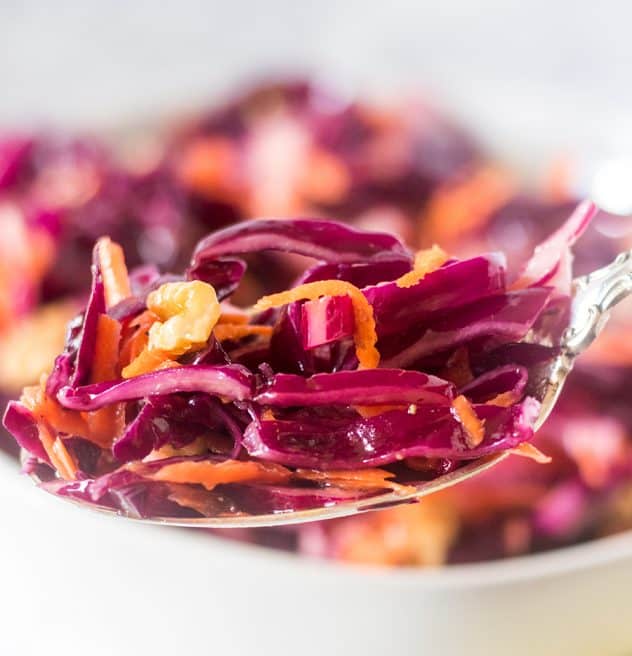
One of the reasons I frequently include this recipe in my meal planning guides is its impressive durability. Unlike leaf-based salads that wilt within hours, a red cabbage and pomegranate salad actually improves in flavor as it sits, making it ideal for meal prep. However, if you want to know how to make pomegranate slaw for vegan meal prep while keeping it as fresh as possible, the secret lies in the storage method.
To maintain the maximum crunch, store the shredded vegetables and the dressing in separate airtight containers in the refrigerator. This is the most effective way to store red cabbage salad to prevent it from getting soggy. When you are ready to eat, simply toss a portion of the vegetables with a spoonful of the dressing and a handful of seeds.
If you have already mixed the entire salad, it will still remain delicious for up to 48 hours. The cabbage is sturdy enough to hold its shape, though it will soften slightly over time. For the best experience, consumption within one to two days is recommended. If you are prepping for the entire work week, you can expect the shredded components to stay fresh for up to 5 days if they remain undressed and dry in a quality meal prep storage container.
FAQ
What ingredients are in pomegranate slaw?
The primary ingredients are shredded red cabbage, carrots, beetroot, and fresh pomegranate arils. To add crunch and flavor, toasted pepitas or sunflower seeds are used as a garnish. The dressing is typically a blend of extra virgin olive oil, an acidic component like apple cider vinegar or clementine juice, and a natural sweetener like maple syrup.
How do you make a dressing for pomegranate slaw?
To create a balanced dressing without refined sugars, whisk together extra virgin olive oil with apple cider vinegar or fresh clementine juice. Add a touch of maple syrup for sweetness and Dijon mustard to emulsify the mixture. Seasoning with sea salt and black pepper ensures the flavors of the vegetables are properly highlighted.
What main dishes go well with pomegranate slaw?
This slaw is incredibly versatile. It pairs excellently with roasted salmon, grilled chicken, or veggie burgers. It is also a fantastic side for plant-based appetizers like green spelt balls or falafel. Its bright, acidic profile makes it a perfect counterpoint to rich or savory main courses.
How long does pomegranate slaw stay fresh in the refrigerator?
If stored separately from the dressing, the shredded vegetables can stay fresh and crunchy for up to 5 days. Once the salad has been tossed with the dressing, it is best enjoyed within 1 to 2 days to ensure the cabbage retains its firm texture and doesn't become overly soggy.
How do you easily deseed a pomegranate for salad?
The easiest, mess-free method is to submerge pomegranate quarters in a bowl of water and gently pull the seeds away from the white pith. The seeds will sink while the pith floats, allowing you to easily skim off the waste and drain the clean arils without staining your hands or countertop.
Is pomegranate slaw a healthy side dish?
Yes, it is a nutrient-dense option. It is high in fiber and Vitamin C, providing a significant portion of your daily requirements in just one serving. Additionally, the punicalagins in pomegranates and the anthocyanins in red cabbage offer powerful antioxidant and anti-inflammatory benefits.