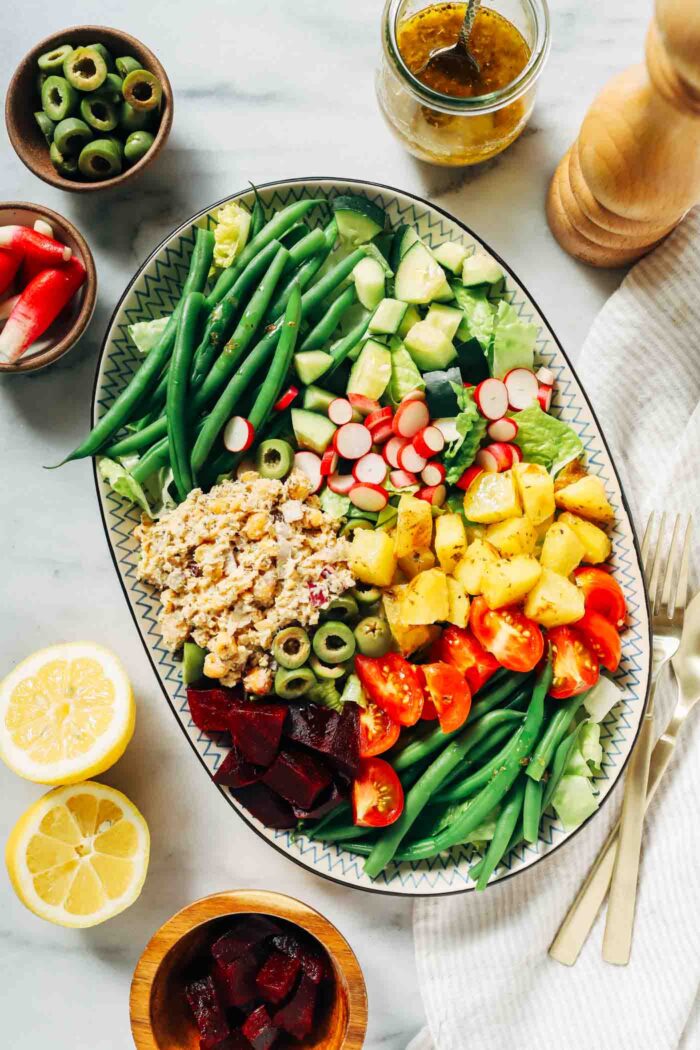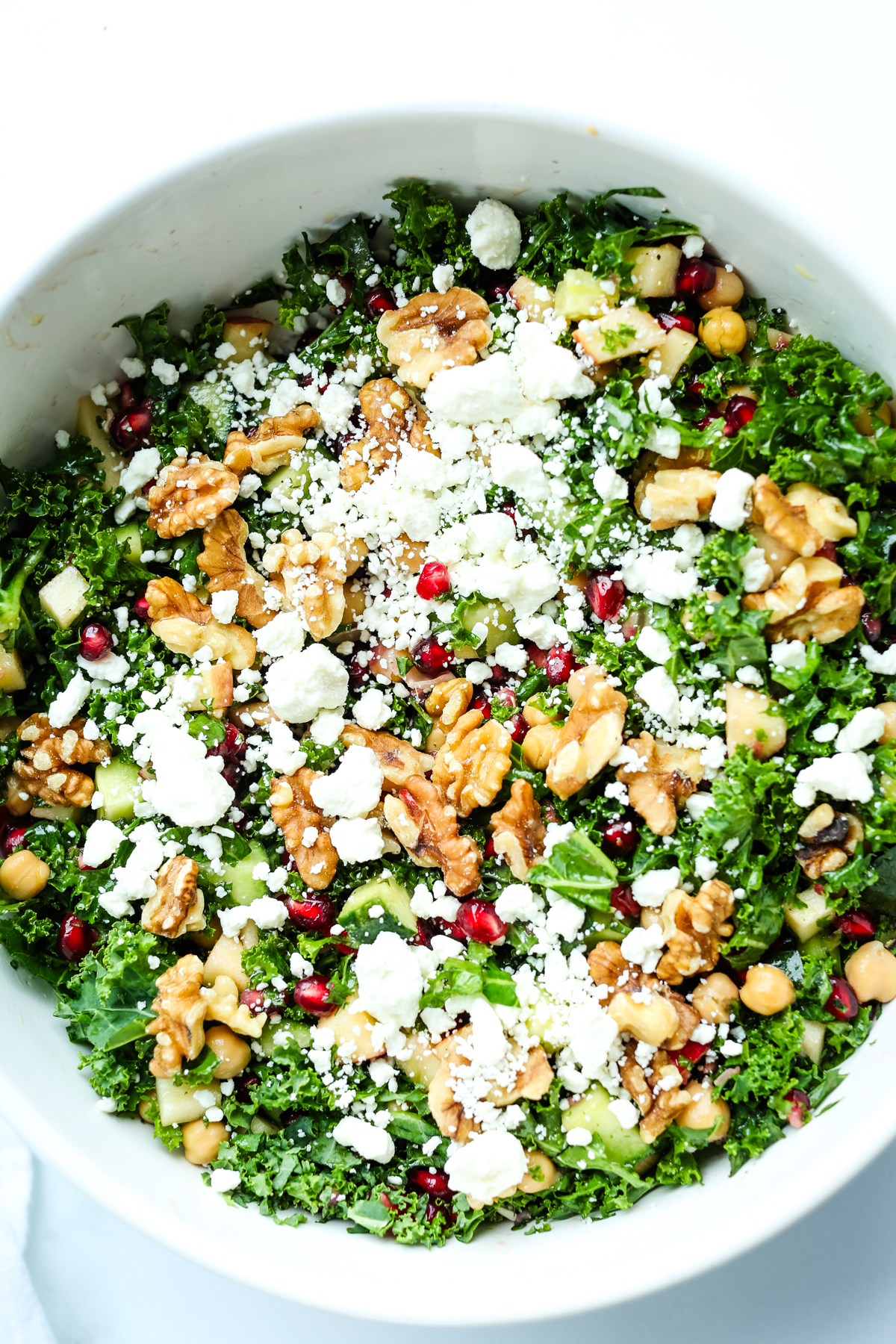
Quick & Protein-Rich Winter Kale Salad Recipe
Quick Facts
- Prep Time: 15 mins
- Cook Time: 15 mins
- Total Time: 30 mins
- Protein Content: Up to 30g per serving
- Dietary: Vegan, Gluten-Free
- Shelf Life: 5-6 days
- Key Ingredients: Massaged kale, quinoa, butter beans, pomegranate, walnuts
Start your healthy dinner with this 30-minute winter kale salad. Packed with plant-based protein and seasonal superfoods, it is the perfect quick dinner solution for those looking to maintain their health goals during the colder months.
To make a high-protein winter kale salad, combine massaged kale with cooked quinoa and hearty legumes such as butter beans or chickpeas. Add nutrient-dense toppings like walnuts, sliced avocado, and beetroot wedges. This combination provides a balance of plant-based protein, healthy fats, and complex carbohydrates, making it a satisfying main dish for a quick 30-minute dinner.
The Science of Winter Nutrition
As a nutrition editor, I often see people struggle with their vegetable intake once the temperature drops. We naturally crave warmth and density, which leads many to abandon the fresh greens they enjoyed during the summer. However, the Winter Kale Salad is a nutritional powerhouse that bridges the gap between light summer fare and heavy winter comfort food. Kale is a true resilient green, thriving in cold weather and offering a robust profile that stands up to heavy dressings and warm additions.
From a scientific perspective, kale is an exceptional base for any meal. Research shows that raw kale contains approximately 2.9 to 4.3 grams of protein per 100-gram serving, which is significantly higher than most other leafy greens. Beyond its protein content, it is a micronutrient giant. A 100-gram portion of raw kale delivers over 600% of the recommended daily value of vitamin K and more than 100% of the daily value of vitamin C. These nutrients are vital during the winter for supporting bone health and maintaining a robust immune system when seasonal viruses are more prevalent.
When we talk about quick healthy dinner salads, the goal is to create a meal that is both metabolically functional and physically satisfying. By focusing on nutrient-dense superfoods, we ensure that every bite contributes to our overall wellness goals without requiring hours of kitchen preparation.
Texture Mastery: How to Soften Kale
The biggest complaint I hear about kale is its tough, fibrous texture and occasional bitterness. If you have ever eaten a kale salad that felt like a chore to chew, it likely wasn't prepared correctly. The secret to a gourmet-level salad lies in the mechanical breakdown of the leaf’s cellular structure through a process known as massaging.
Massaging kale is not just a culinary trick; it is a practical application of food science. Kale leaves are protected by a tough cellulose structure. When you apply pressure with your hands, you physically break these fibers. This results in a leaf that is darker, softer, and significantly more tender. This texture softening not only makes the salad more pleasant to eat but also makes the greens easier for your digestive system to process.
To master this technique:
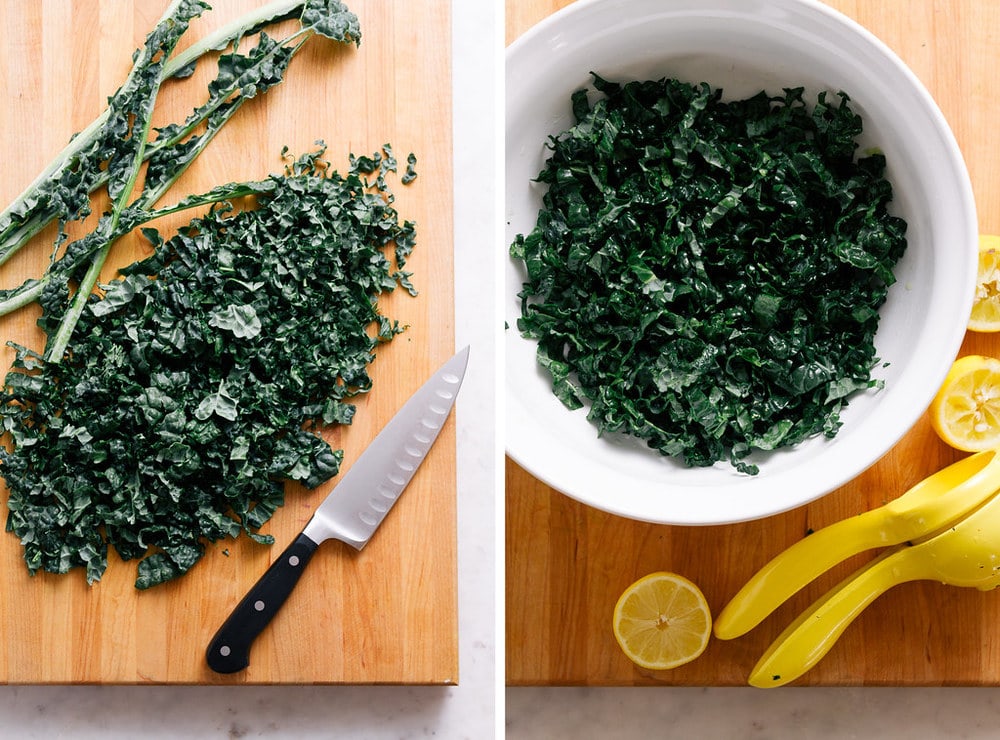
- Remove the woody stems from the kale and chop the leaves into bite-sized pieces.
- Place the leaves in a large bowl and drizzle them with a small amount of extra virgin olive oil, a pinch of sea salt, and a squeeze of fresh lemon juice.
- Use your hands to firmly massage the kale for two to three minutes. You will feel the leaves shrink in volume and see them turn a vibrant, deep green.
By using a citrus vinaigrette or simple lemon juice during this process, the acid helps to chemically soften the fibers further while neutralizing some of the bitterness. This is how to massage kale for winter salad success every single time.
The Protein Powerhouse: Quinoa & Butter Beans
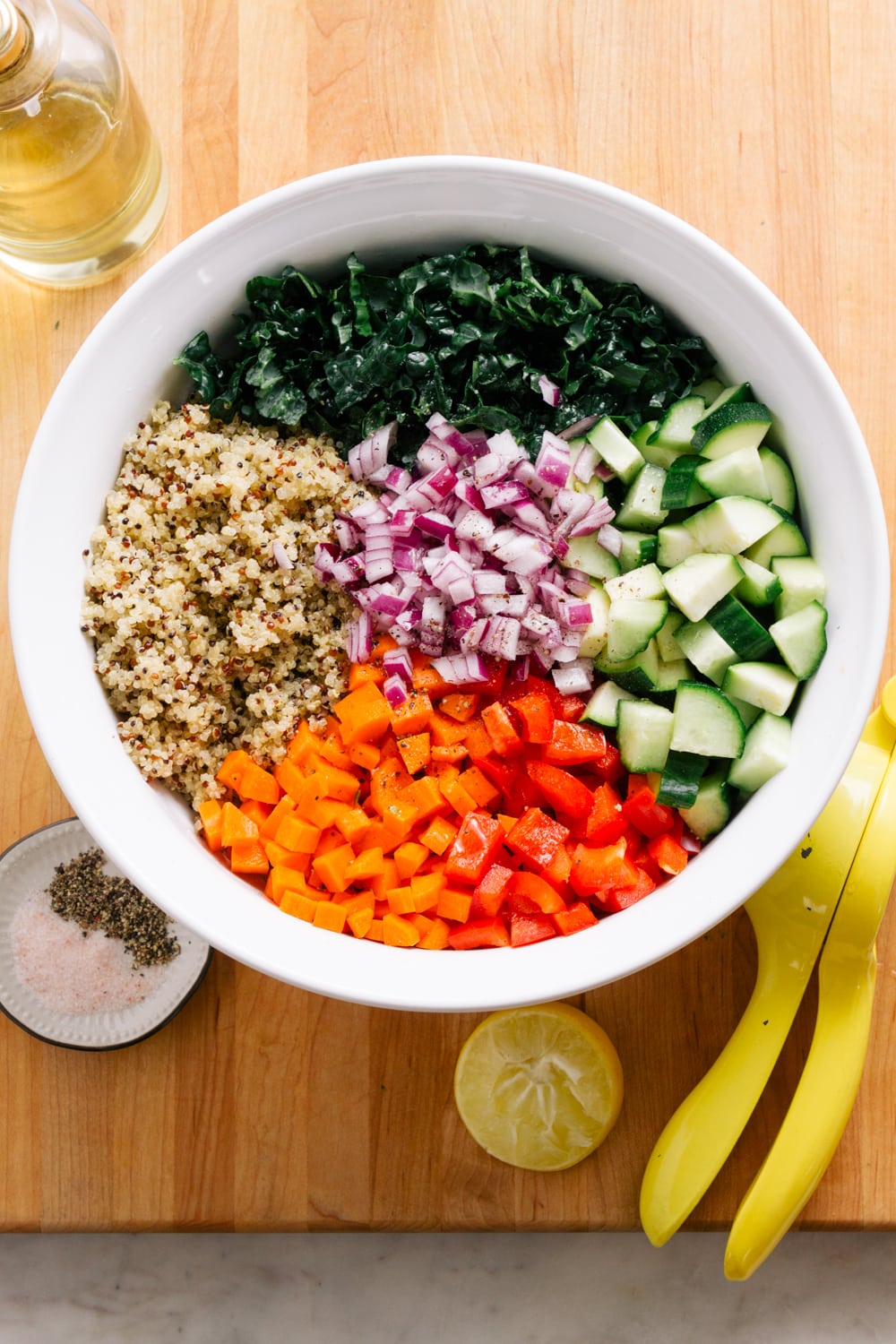
A common misconception is that salads cannot serve as a complete dinner. However, when we focus on creating a high protein kale salad, we use the greens as a canvas for high-quality macronutrients. For this recipe, we utilize a dual-source plant-based protein strategy: quinoa and butter beans.
Quinoa is a unique seed that acts like a grain but contains all nine essential amino acids, making it a complete protein. To elevate the flavor, I recommend a grain bowl assembly where you cook the quinoa in vegetable broth instead of plain water. This adds a layer of savory umami that complements the earthy flavor profile of the kale.
Butter beans, also known as lima beans, provide a creamy, buttery texture that contrasts beautifully with the crunch of the vegetables. These legumes are rich in fiber and minerals, contributing to the overall satiety of the meal. A protein-rich kale salad can provide as much as 30 grams of plant-based protein per serving when combined with these nutrient-dense ingredients.
If you are following a vegan high protein winter kale salad with butter beans approach, you are getting a clean, anti-inflammatory meal. For those who want an even higher protein count or prefer a different nutritional profile, adding 300g of roasted chicken breast or a few boiled eggs can customize the bowl to your specific needs. The inclusion of complex carbohydrates from the quinoa ensures that you have sustained energy throughout the evening, preventing the late-night snacking that often follows a less substantial dinner.
Seasonal Layering: Pomegranates, Beetroot, and Nuts
The difference between a basic salad and a winter masterpiece is the layering of seasonal ingredients. Winter is the season of root vegetables and bright, tart fruits that provide necessary antioxidants and a pop of color.
For this recipe, we focus on a winter kale salad with roasted beetroot and apples. The earthy sweetness of the roasted beetroot pairs perfectly with the crisp, tart bite of a Granny Smith or Honeycrisp apple. These ingredients provide different types of fiber and a range of vitamins that are essential for gut health.
To finish the salad, I suggest adding vibrant pomegranate arils. These tiny gems are packed with polyphenols and provide a burst of acidity that cuts through the richness of the butter beans and walnuts. Walnuts or toasted pepitas add the final layer of crunch and a dose of heart-healthy omega-3 fatty acids. This combination of textures—soft beans, fluffy quinoa, tender kale, and crunchy nuts—is what makes this 30 minute winter kale quinoa salad for dinner so satisfying.
Serving Guide: Warm vs. Cold Winter Salads
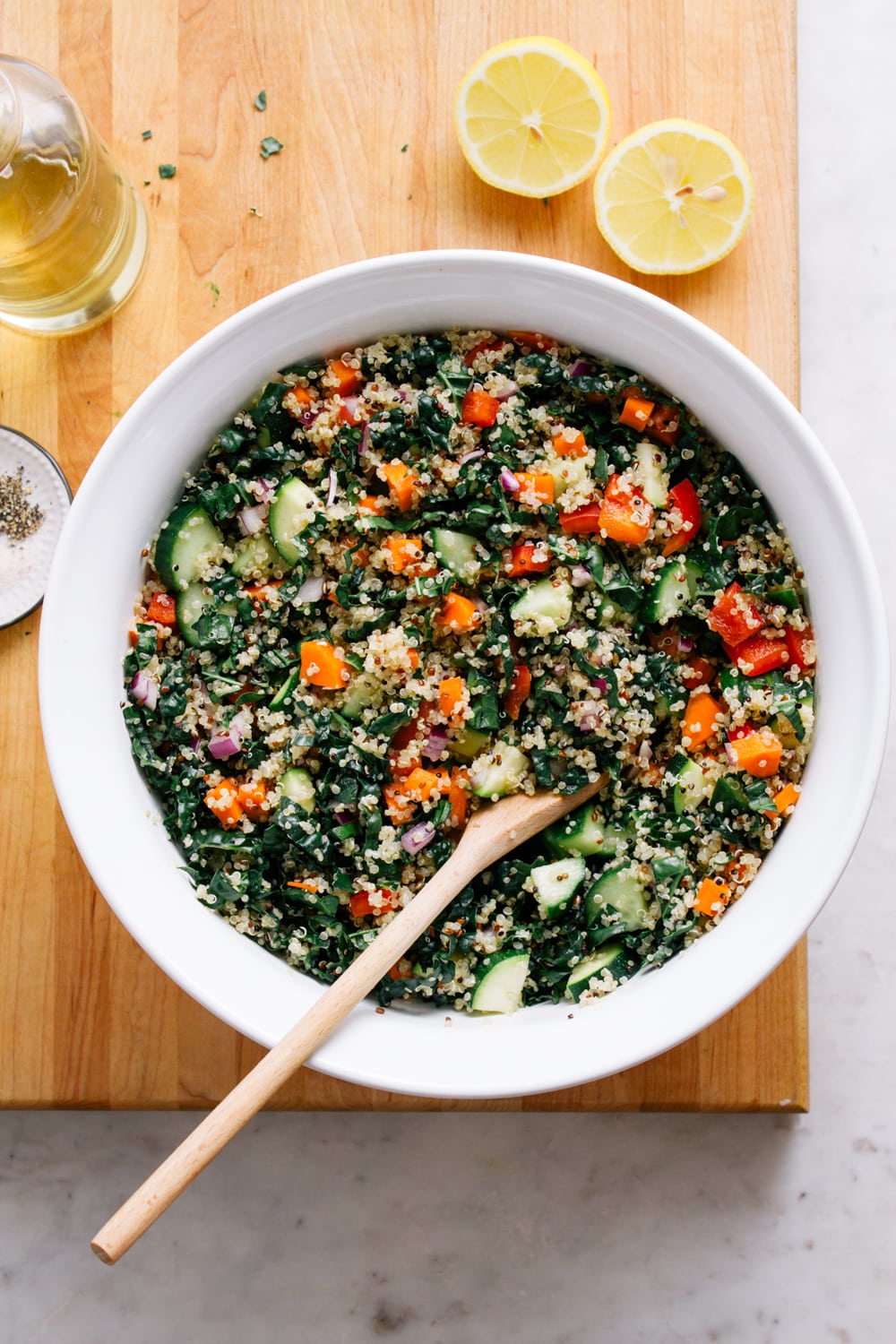
One of the best things about a winter quinoa salad recipe is its versatility in serving temperatures. Depending on the weather or your personal preference, you can enjoy this dish in two distinct ways.
| Feature | Warm Serving Style | Cold Serving Style |
|---|---|---|
| Texture | Kale is slightly wilted and softer | Kale is crisp and hearty |
| Flavor Profile | Earthy and aromatic notes are enhanced | Bright and zesty notes are more prominent |
| Best For | A cozy, comforting dinner | Refreshing lunch or quick meal prep |
| Preparation | Add quinoa and roasted beets while hot | Allow all cooked components to cool completely |
| Mood | Hygge and satiating | Energizing and light |
When considering warm vs cold kale quinoa salad serving suggestions, I personally find that adding the quinoa while it is still slightly warm helps the dressing penetrate the kale leaves even deeper, creating a more cohesive flavor. However, if you prefer a salad with more structural integrity, the cold version is equally delicious.
Meal Prep & Storage: Stay Fresh for 5 Days
One of the reasons I advocate for kale over spinach or mixed greens is its incredible durability. Kale is a hardy green that does not wilt quickly once dressed. In fact, many people find that a kale salad actually tastes better the second day because the dressing has had more time to soften the leaves and meld the flavors together.
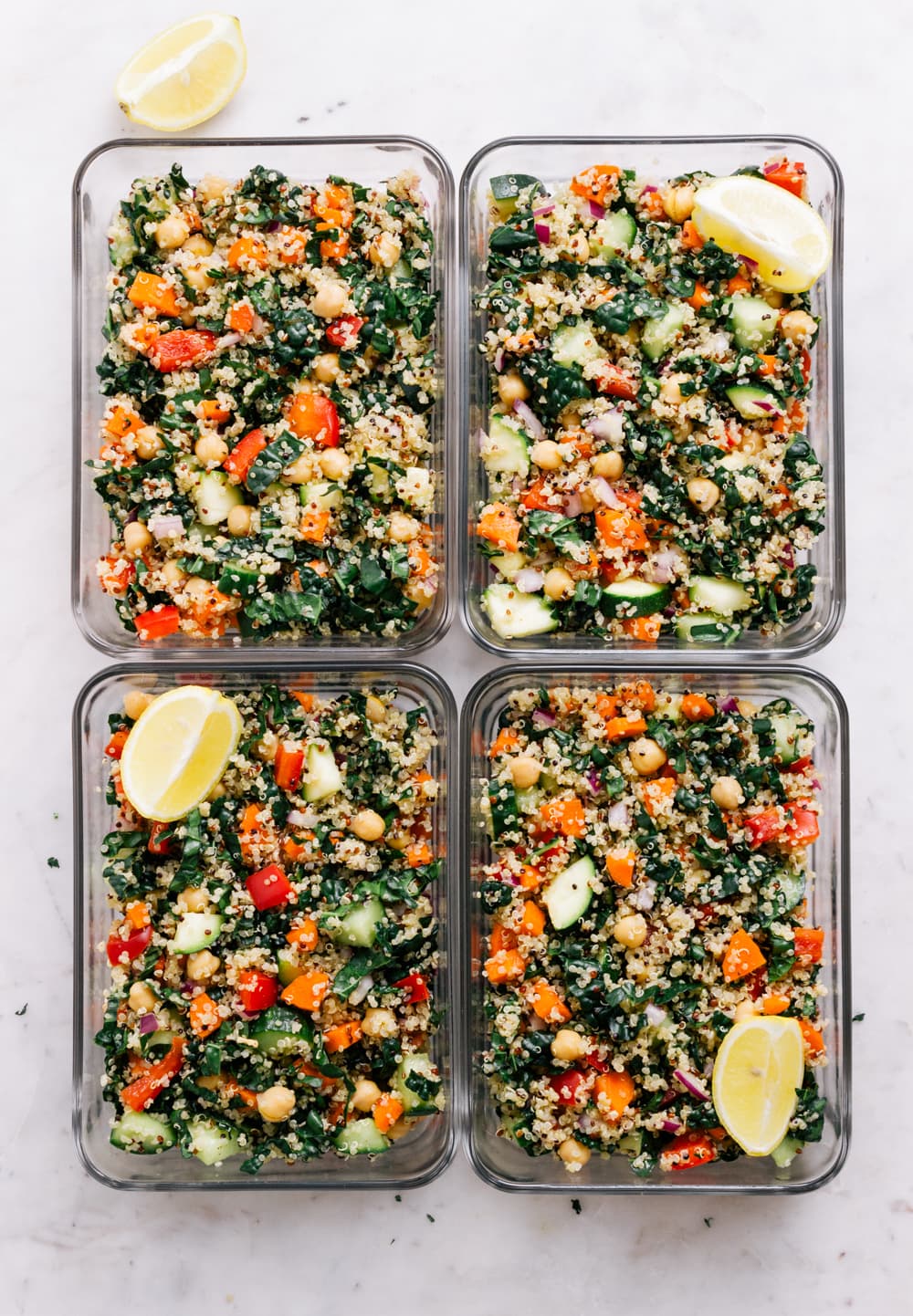
This makes the recipe ideal for anyone interested in batch cooking. You can prepare a large quantity on Sunday and have healthy meals ready for the majority of the work week. Here are a few meal prep kale salad tips for the week to keep your food at peak quality:
- Store the salad in an airtight glass container. Glass keeps the ingredients colder and doesn't retain odors.
- If you are using avocado, wait to slice and add it until right before you eat to prevent browning.
- Add your crunchy elements, like toasted nuts or seeds, at the last minute to ensure they don't lose their consistency.
- The salad can stay fresh and flavorful for five to six days in the refrigerator, making it one of the most reliable gluten-free dinner options for busy professionals.
FAQ
What are the best ingredients for a winter kale salad?
The best ingredients for a winter version of this salad include a mix of hardy greens like Lacinato or curly kale, a complex carbohydrate like quinoa or farro, and a protein source like butter beans or chickpeas. Seasonal additions like roasted beetroot, pomegranate arils, apples, and toasted walnuts provide the necessary balance of sweetness, acidity, and crunch that defines winter produce.
How do you soften kale for a salad?
Soften kale by removing the tough stems and massaging the leaves with your hands for two to three minutes. Adding a small amount of oil, lemon juice, or salt during this process helps break down the fibrous cellulose structure. This makes the leaves tender, reduces bitterness, and improves digestibility, transforming the kale from a tough leaf into a delicate salad base.
Can you make kale salad ahead of time?
Yes, kale salad is one of the few salads that is actually better when made ahead of time. Unlike delicate lettuces that wilt within hours of being dressed, kale's sturdy structure allows it to remain fresh in the refrigerator for up to six days. This makes it an excellent candidate for weekly meal prep and batch cooking.
How do you take the bitterness out of kale?
Taking the bitterness out of kale is best achieved through a combination of massaging the leaves and using an acidic dressing. The physical action of massaging releases some of the bitter compounds, while ingredients like lemon juice, apple cider vinegar, or a touch of honey in the dressing help to balance and neutralize the sharp flavors.
Is kale salad still good the next day?
Kale salad is excellent the next day and often tastes even better than when it was first prepared. The extra time allows the dressing to fully marinate the leaves, resulting in a more tender texture and a deeper infusion of flavors. Just remember to add soft ingredients like avocado or very crunchy items like nuts right before serving to maintain the best textural contrast.
In our fast-paced world, finding a meal that is both nutrient-dense and efficient to prepare is a win for your health. I encourage you to try this protein-rich winter salad tonight—it might just change the way you view winter greens forever. Don't forget to share your favorite protein-boosting toppings with us in the comments!