
Quick Facts
- Prevalence: Between 55% and 84% of patients with end-stage renal disease report persistent itching.
- Sleep Impact: Approximately 61% of individuals in Stage 5 CKD find it difficult to fall asleep due to itchy skin.
- Primary Triggers: The condition is driven by uremic toxins, high phosphorus levels, and systemic inflammation.
- Top Recommended Brands: Dermatologists and nephrologists frequently suggest Cerave, Cetaphil, and Aveeno for skin barrier repair.
- Gold Standard Treatment: For cases that do not respond to creams, narrowband UVB phototherapy is considered highly effective.
- Medical Options: Specialized medications like gabapentin or difelikefalin are used to target the neurological side of the itch.
Kidney disease itching, or uremic pruritus, is best managed through a combination of fragrance-free emollients to repair the skin barrier and optimizing dialysis adequacy to remove irritating uremic toxins from the blood. For persistent cases, healthcare providers may recommend phototherapy or medications like gabapentin to target the underlying nerve pathways and reduce the systemic urge to scratch.
The Nighttime Struggle: Why Itching Ruins Your Sleep
If you are living with chronic kidney disease, you likely know the frustration of the "nocturnal itch." While the sensation can occur at any time, many patients find that kidney disease itching intensifies the moment they try to settle into bed. This isn't just a minor annoyance; a systematic review found that 50% experience disturbed sleep quality specifically because of chronic kidney disease-associated pruritus.
Several factors contribute to managing CKD itching at night. During the day, distractions often keep our minds off the sensation. At night, the lack of stimuli makes the brain more sensitive to the itch. Furthermore, our body temperature naturally fluctuates in the evening, and increased warmth can trigger the release of histamine and other inflammatory markers. Many patients also experience a "mirror symmetry" effect, where the itching occurs on both sides of the body simultaneously, such as both forearms or both shins.
Practicing better sleep hygiene is essential for anyone facing this struggle. This includes keeping the bedroom environment cool, as heat is a major trigger for uremic pruritus. Choosing soft fabrics for uremic pruritus sleep comfort is another simple but effective strategy. Opt for high-quality cotton pajamas and bed sheets, which allow the skin to breathe and minimize the mechanical irritation that often leads to nocturnal scratching.
Identifying the Root Cause: Toxins and Phosphorus
To find lasting uremic pruritus relief, we have to look beneath the surface of the skin. Unlike a typical insect bite or a simple case of dry skin, this type of itching is systemic. It is often caused by the accumulation of uremic toxins that the kidneys are no longer able to filter effectively. When these waste products build up in the bloodstream, they can trigger pruriceptors—specialized nerve endings that send itch signals to the brain.

Another major culprit is hyperphosphatemia, or high levels of phosphorus in the blood. When phosphorus levels rise, it can lead to a "calcium-phosphorus product" deposit in the skin, causing intense irritation. This is why many patients find that making diet changes to lower phosphorus for itchy skin—such as avoiding processed foods and certain dairy products—can provide significant relief.

For those on treatment, ensuring dialysis adequacy is the first clinical step. If the blood isn't being cleaned thoroughly enough during sessions, the toxin levels remain high, making it nearly impossible to stop the itch. Itchy skin care for hemodialysis patients always starts with a conversation with the clinical team to ensure the "dose" of dialysis is sufficient for their specific metabolic needs.
Step 1: Home Remedies and Skin Barrier Repair
While systemic issues require medical attention, protecting your skin barrier is something you can do at home starting tonight. Chronic kidney disease often causes the skin to become extremely dry (xerosis), which lowers the "itch threshold" and makes you more susceptible to uremic pruritus.
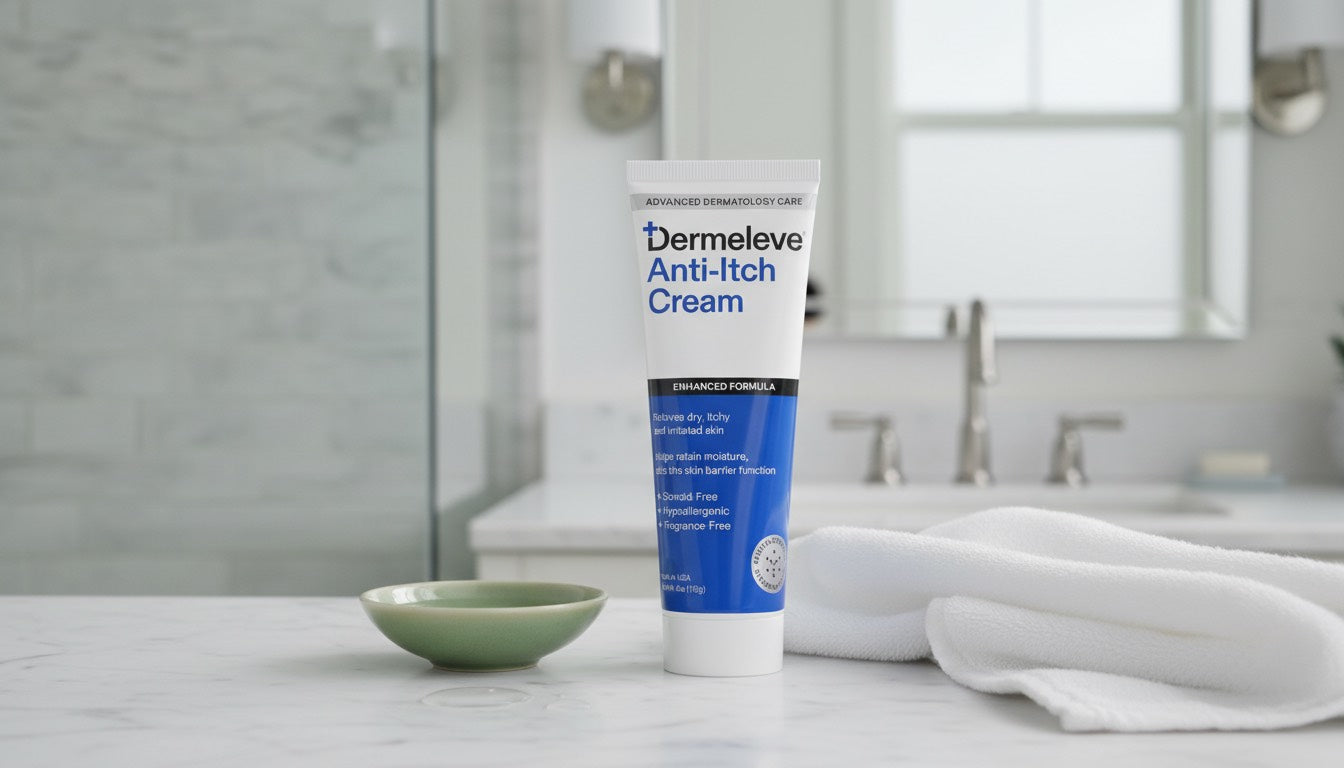
The most effective home remedies for kidney disease skin itch involve intense hydration. Look for fragrance-free emollients that contain ceramides or urea. Brands like Cerave and Cetaphil are excellent options because they help rebuild the protective outer layer of the skin without adding irritating perfumes.
A Daily Routine for Relief:
- The 3-Minute Rule: After a lukewarm shower, pat your skin dry (don't rub) and apply the best moisturizers for chronic kidney disease skin within three minutes to lock in the moisture.
- Cooling Techniques: Some patients find relief by keeping their moisturizer in the refrigerator. The cool temperature provides an immediate "distraction" for the nerves.
- Avoid Hot Water: Hot showers strip the skin of its natural oils, worsening dryness and itching. Stick to tepid or cool water.
- Cotton Clothing: As mentioned, wearing soft fabrics for uremic pruritus sleep comfort ensures that your clothing isn't the reason you are waking up to scratch.
Step 2: Advanced Medical Treatments and Phototherapy
When home remedies aren't enough, it’s time to move to more advanced therapies. Research indicates that 61% of patients with Stage 5 chronic kidney disease experience difficulty falling asleep because of itching. For these individuals, topical creams are rarely the whole solution.
One of the most successful clinical interventions is uremic pruritus relief through phototherapy. Narrowband UVB light therapy helps by reducing inflammation in the skin and desensitizing the nerve endings. Usually performed two to three times a week, it can lead to a dramatic reduction in symptoms for those who haven't found relief elsewhere.
If phototherapy isn't an option, your nephrologist might suggest systemic medications. A common choice is gabapentin, usually started at a very low dose of 100mg to 300mg after dialysis sessions. While effective, it is important to discuss gabapentin for kidney disease itching side effects with your doctor, as it can cause dizziness or sleepiness in some patients.
| Treatment Type | Examples | Key Benefit |
|---|---|---|
| Topical | Cerave, Cetaphil, Aveeno | Repairs skin barrier and hydrates |
| Oral/Injectable | Gabapentin, Difelikefalin | Targets nerve signals and opioid receptors |
| Light Therapy | Narrowband UVB | Reduces systemic skin inflammation |
| Dialysis Adjustments | High-flux membranes | Improves removal of uremic toxins |
Patients on hemodialysis with moderate to severe pruritus are three times more likely to have poor quality of sleep compared to those with mild symptoms. This highlights why a nephrologist consultation is so critical; you don't have to simply endure the discomfort. New treatments like difelikefalin, a kappa-opioid receptor agonist, specifically target the pathways involved in CKD-associated pruritus without the side effects of traditional pain medications.
FAQ
Why is kidney itching worse at night?
Itching often peaks at night due to natural fluctuations in body temperature and a lack of daytime distractions. Additionally, the body's circadian rhythm can influence the release of inflammatory cytokines, making the skin more sensitive to the accumulation of toxins during the evening hours.
How can I stop kidney itching at home?
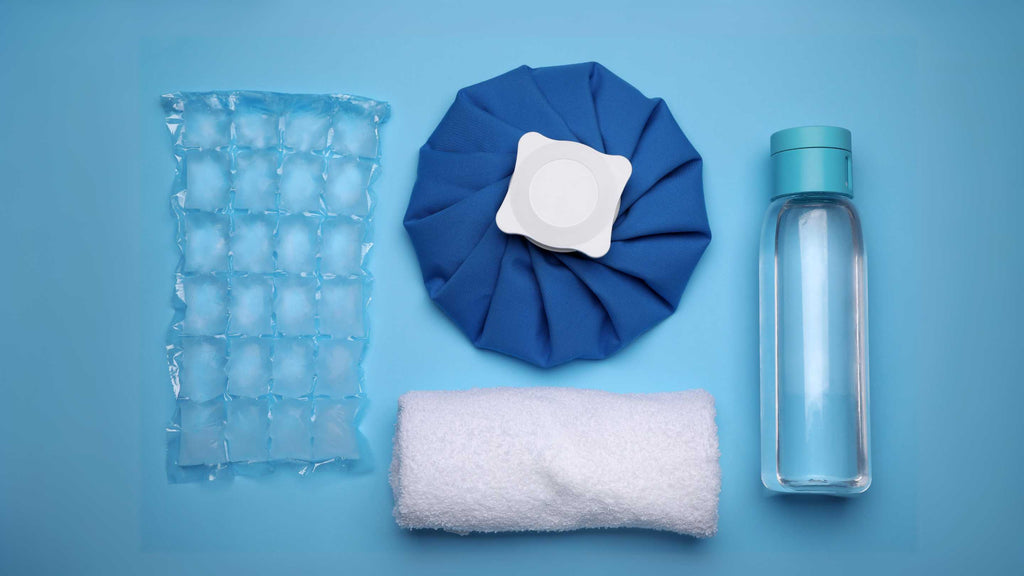
You can manage the sensation by using fragrance-free moisturizers, taking lukewarm showers, and wearing soft cotton clothing. Keeping your home environment cool and using cold compresses on particularly itchy areas can also provide temporary relief from the urge to scratch.
What is the best cream for kidney disease itching?
The best moisturizers for chronic kidney disease skin are thick, fragrance-free emollients that contain ceramides, urea, or oatmeal. Brands like Cerave, Cetaphil, and Aveeno are highly recommended for their ability to repair the skin barrier without causing further irritation.
What medications are prescribed for uremic pruritus?
Commonly prescribed medications include gabapentin and pregabalin, which help calm overactive nerve signals. Newer treatments like difelikefalin (Korsuva) specifically target opioid receptors involved in the itch reflex. Antihistamines are generally less effective for this specific type of renal itch.
Why does kidney disease cause itching?
The itch is primarily caused by the buildup of uremic toxins and high levels of phosphorus in the blood when the kidneys can no longer filter them. These substances, along with systemic inflammation and nerve fiber changes, directly irritate the pruriceptors in the skin.

Living with the "invisible" burden of uremic pruritus is exhausting, but there is hope. By combining proactive skin care with medical management and metabolic balance, you can reclaim your nights and your overall quality of life. Start by tracking your symptoms using the 5-D Itch Scale and bring those results to your next medical appointment.