Quick Facts
- Core Insight: Sleep anxiety is a state of hyperarousal where the brain has been conditioned to associate the bed with stress instead of sleep.
- Success Rate: Behavioral protocols like CBT-I show a 70-80% improvement rate in retraining your brain to associate bed with sleep.
- Key Statistics: Research shows 54% of adults report that stress and anxiety are the primary reasons they have difficulty falling asleep.
- Neurological Impact: A single night of sleep deprivation can trigger a 30% increase in anxiety levels by impairing emotional regulation.
- The Golden Rule: Use the 20 minute rule for stimulus control therapy to break the link between the bedroom and wakeful frustration.
- Clinical Risk: Individuals with chronic sleep issues are twice as likely to develop a clinical anxiety disorder.
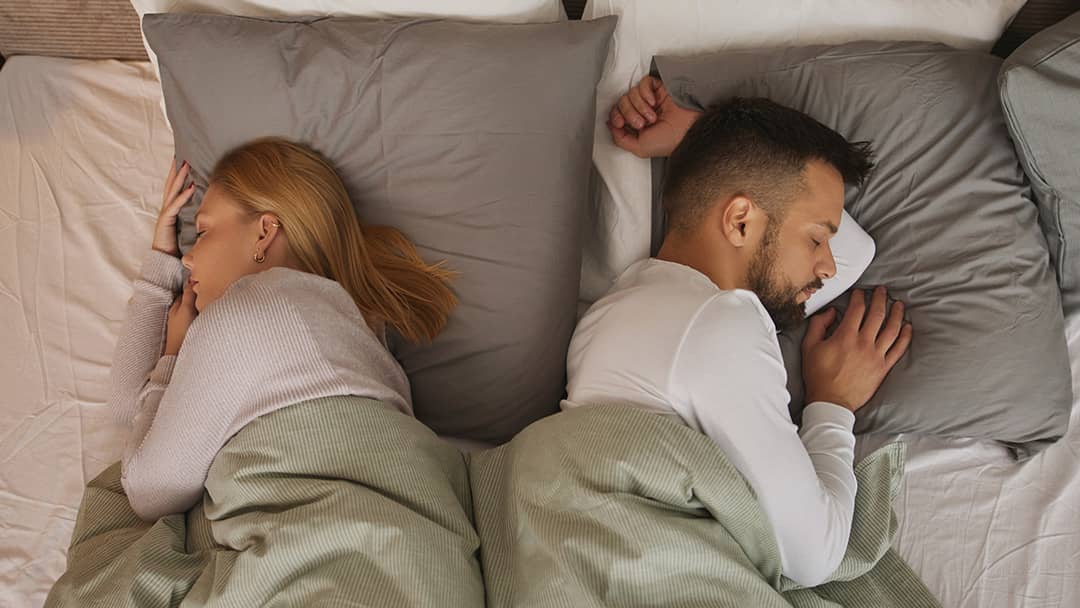
Sleep anxiety often results from conditioned arousal, where the brain mistakenly learns to associate the bed with frustration and wakefulness rather than rest. When you spend hours tossing and turning, your nervous system may trigger a fight-or-flight response, causing the sleep environment to become a stimulus for stress.
The Bedtime Trap: Understanding Conditioned Arousal
For many people struggling with sleep anxiety, the problem is not a lack of tiredness but a surge of energy that arrives the moment their head hits the pillow. This phenomenon is known as conditioned arousal. It occurs through a process of classical conditioning, much like Pavlov’s dogs. If you spend night after night worrying, checking the clock, or feeling frustrated in bed, your brain eventually decides that the bed is a place for high-alert activity rather than rest.
When you enter the bedroom, your brain begins to monitor for threats. In this context, the threat is the inability to sleep. This perceived danger triggers the release of cortisol, the body’s primary stress hormone. Cortisol is designed to keep you alert and focused, which is the exact opposite of what you need for sleep onset. As cortisol levels rise, your sleep onset latency—the time it takes to transition from full wakefulness to sleep—stretches longer and longer.
This cycle is deeply rooted in our biology. Your circadian rhythm may be telling your body it is time to wind down, but the fight-or-flight response takes priority. From an evolutionary perspective, it is better to stay awake and alert if there is a "threat" nearby than it is to get a good night's rest. Unfortunately, your brain cannot distinguish between a physical predator and the mental distress of a looming deadline or the fear of being tired tomorrow.

Stimulus Control: The 20-Minute Rule for Bedtime Peace
To overcome this, we must use stimulus control therapy for sleep. This is a behavioral approach designed to re-establish the bed as a place for sleep and nothing else. The goal is to utilize neuroplasticity to rewrite the old, stressful associations and replace them with a sense of calm and safety.
The most vital component of this strategy is the 20 minute rule for stimulus control therapy. If you have not fallen asleep within approximately 20 minutes—or if you start to feel any sense of frustration or anxiety—you must get out of bed. Remaining in bed while agitated only strengthens the association between the bedroom and distress.
When you leave the bed, you should move to a different room and engage in a low-stimulation activity. The environment should have dim lighting and be free from screens. Here are some guidelines on what to do when you feel anxious about going to sleep during these "out of bed" intervals:
- Listen to soft audio: Audiobooks or gentle podcasts can provide enough cognitive engagement to distract from worry without being overstimulating.
- Light reading: Use a physical book or an e-reader with the warm-light filter turned on.
- Gentle movements: Try very light stretching or progressive muscle relaxation to lower somatic tension.
- Tactile hobbies: Knitting, drawing, or sorting can be meditative and calming.
The bedroom must be reserved for two things only: sleep and intimacy. By removing all other activities—including worrying—you provide your brain with a clear, unambiguous signal that being in bed equals being asleep.
Conversely, there are specific behaviors that can sabotage your progress. These activities often provide a temporary distraction but ultimately increase hyperarousal.
Activities to Avoid
- Clock-watching: Knowing exactly how many hours of sleep you have "lost" triggers an immediate cortisol spike.
- Using electronics: The blue light from phones can suppress melatonin, but the content is often worse. Social media and news are designed to keep your brain engaged, not relaxed.
- Productive work: Avoid the temptation to "get ahead" on work just because you can't sleep. This reinforces the idea that the night is for productivity.
- Heavy meals or caffeine: These introduce physiological arousal that conflicts with your body's attempt to rest.

By consistently applying these conditioned arousal sleep techniques, you are teaching your nervous system that the bed is no longer a battleground. You only return to bed when you are truly sleepy, not just tired. This distinction is crucial: tiredness is a feeling of exhaustion, while sleepiness is the actual inability to stay awake.

Mental Maintenance: Stopping the Rumination Cycle
While stimulus control handles the behavioral side of the problem, we must also address the cognitive side. Many people suffer from what clinicians call sleep effort. This is the paradoxical act of trying too hard to sleep. Because sleep is a passive process, the more effort you put into it, the further away it stays.
To manage this, you can implement sleep anxiety rumination stop exercises. One effective method is the "Worry Decision Tree." During the day or early evening, take 15 minutes to write down everything that is bothering you. For each item, ask yourself: "Is this a problem I can do something about right now?"
- If Yes: Write down the first small step you will take tomorrow.
- If No: Acknowledge that the thought is not helpful at this moment and "park" it on the paper.
This practice helps prevent the brain from using the quiet of the night to process unresolved emotions. If a worry pops up while you are trying to sleep, you can tell yourself, "I have already addressed this on my list; it is safe to let it go until morning."
Another way to stop catastrophizing about sleep at night is to challenge the "what-if" thoughts. When you think, "If I don't sleep tonight, I will fail my presentation tomorrow," replace it with a more balanced thought: "I have functioned on poor sleep before, and while it isn't ideal, I will get through the day." Reducing the perceived stakes of sleep naturally lowers the pressure, allowing the parasympathetic nervous system to take over.
Practical ways to lower hyperarousal before bed also include somatic techniques. Progressive muscle relaxation involves tensing and then slowly releasing each muscle group in your body, starting from your toes and moving up to your forehead. This sends a physical signal to the brain that the body is safe and ready for rest, helping in overcoming bedtime stress association.
When to See a Professional: Stress vs. Sleep Disorders
It is important to distinguish between psychological sleep anxiety and physical sleep disorders. Sometimes, the anxiety is a secondary reaction to a primary medical issue like Sleep Apnea or Restless Leg Syndrome. If you are applying behavioral techniques but still find yourself exhausted during the day, it may be time for a clinical evaluation.
Clinical Checklist: Do You Need a Sleep Study?
If you check more than two boxes below, consider speaking with a healthcare provider about a formal sleep study:
| Indicator | Description |
|---|---|
| Snoring | Loud, frequent snoring or gasping for air during the night. |
| BMI / Neck Size | A BMI over 30 or a neck circumference greater than 17 inches (men) or 16 inches (women). |
| Daytime Sleepiness | An Epworth Sleepiness Scale score higher than 10. |
| Morning Headaches | Waking up with a dull headache that dissipates within an hour. |
| Observed Apnea | A partner has noticed you stop breathing during sleep. |
For those dealing with chronic insomnia that is purely psychological, dCBT-I (Digital Cognitive Behavioral Therapy for Insomnia) has become the gold standard of care. It provides a structured environment to apply the techniques we have discussed with the guidance of an algorithm or a therapist. Since those with chronic sleep issues are twice as likely to develop clinical anxiety, proactive treatment is a vital form of mental health maintenance.
FAQ
Why do I feel anxious as soon as I get into bed?
This is typically due to conditioned arousal. Your brain has learned through repetition that the bed is a place where you experience frustration, worry, and wakefulness. Consequently, as soon as you lie down, your body triggers a stress response (releasing cortisol) because it anticipates the struggle to sleep rather than the rest itself.
How do I stop my mind from racing at night?
One of the most effective ways is to practice "worry time" earlier in the day to offload your thoughts onto paper. At night, you can use rumination stop techniques like focusing on your breath or using a "mental anchor"—such as visualizing a familiar walk in great detail—to give your mind a neutral path to follow instead of the racing thoughts.
What is the difference between sleep anxiety and insomnia?
Insomnia is a clinical diagnosis characterized by persistent difficulty falling or staying asleep despite having the opportunity to do so. Sleep anxiety is the emotional and psychological state of fear or worry regarding sleep. While they often occur together, sleep anxiety is frequently the "engine" that keeps chronic insomnia running by maintaining high levels of hyperarousal.
How can I overcome the fear of not being able to sleep?
The key is to reduce sleep effort and lower the stakes. Practice accepting that you may have a rough night, and remind yourself that your body will eventually catch up on the sleep it needs. Using the 20 minute rule for stimulus control therapy also helps because it removes you from the environment where the fear is most intense, breaking the cycle of dread.
What is the best way to treat nighttime anxiety?
A combination of behavioral and cognitive strategies is most effective. This includes stimulus control therapy to retrain the brain's association with the bed, and cognitive techniques to address catastrophizing. If the anxiety feels unmanageable, Cognitive Behavioral Therapy for Insomnia (CBT-I) is the most evidence-based professional treatment available.