Quick Facts
- Commonality: Nearly 1 billion adults worldwide between ages 30 and 69 are affected by obstructive sleep apnea.
- Prevalence: Loud snoring is a hallmark sign, reported in approximately 94% of obstructive sleep apnea cases.
- Clinical Benchmark: A formal apnea event is defined as a breathing pause lasting 10 seconds or longer.
- Diagnosis Gap: It is estimated that 80% of moderate to severe obstructive sleep apnea cases in the United States remain undiagnosed.
- Primary Types: The condition is categorized into three types: Obstructive (physical), Central (neurological), and Complex (combination).
- Treatment Urgency: Left untreated, the repeated oxygen desaturation can lead to significant cardiovascular strain and long-term health complications.
Sleep apnea is a serious sleep-disordered breathing condition affecting nearly 1 billion adults worldwide. Recognizing sleep apnea symptoms early is vital, as 80% of cases remain undiagnosed. These symptoms typically manifest as loud snoring, waking up gasping for air at night, and excessive daytime fatigue, occurring when the body experiences oxygen desaturation due to repeated interruptions in breathing during restorative sleep cycles.
Understanding the 3 Main Types of Sleep Apnea
When we talk about sleep apnea, most people picture a person snoring loudly, but the condition is more nuanced than just noisy breathing. As a preventive care specialist, I often use the "Plumbing vs. Wiring" analogy to help my clients understand what is happening inside their bodies. Understanding the different types of sleep apnea is the first step toward finding the right treatment.
Obstructive sleep apnea (OSA) is essentially a plumbing issue. It is the most common form and occurs when the soft tissues in the back of the throat collapse, creating a physical blockage of the airway during sleep. This upper airway collapse forces the body to work harder to pull air into the lungs, often resulting in the loud snoring we associate with the condition.
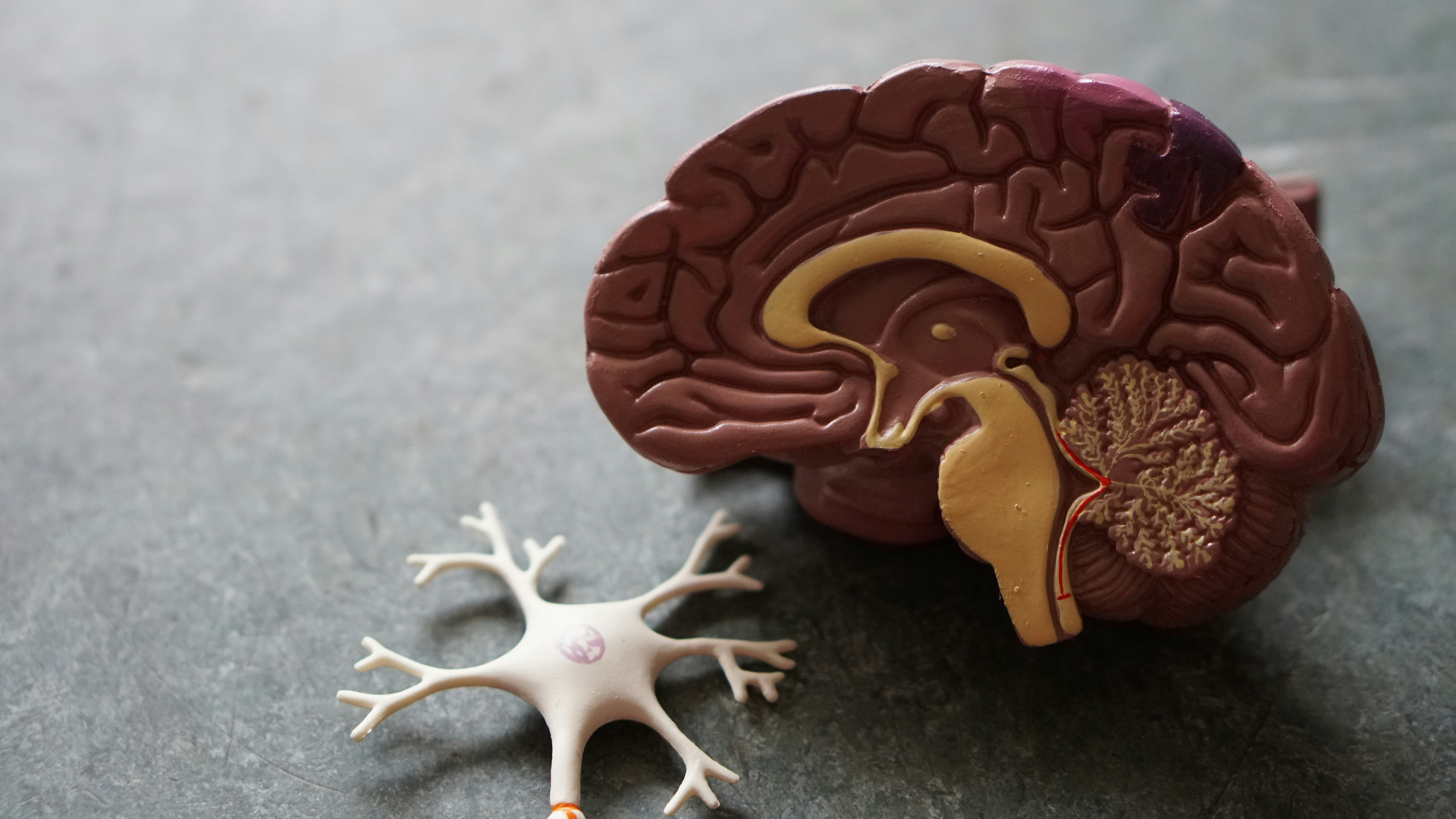
On the other hand, central sleep apnea (CSA) is a wiring issue. In this case, your airway is technically open, but your brain fails to send proper signals to the muscles that control breathing. This neurological feedback failure means your body simply "forgets" to take a breath for several seconds. Finally, some individuals deal with complex sleep apnea syndrome, also known as treatment-emergent central sleep apnea, which is a combination of both obstructive and central components.
The following table breaks down the key differences between these categories to help you understand the specific mechanisms at play.
| Feature | Obstructive Sleep Apnea (OSA) | Central Sleep Apnea (CSA) | Complex Sleep Apnea (CSAS) |
|---|---|---|---|
| Primary Cause | Physical airway blockage (Plumbing) | Brain signaling failure (Wiring) | Both physical and neurological |
| Common Sensation | Gasping or choking for air | Quiet pauses in breathing | Variable, often seen during CPAP start |
| Snoring Correlation | Very high (94% of cases) | Often lower or absent | Moderate to high |
| Risk Factors | Obesity, anatomy, neck size | Heart failure, stroke, high altitude | Mixed clinical history |
When comparing obstructive vs central sleep apnea symptoms, it is important to note that while both lead to fragmented sleep and daytime exhaustion, the lack of snoring in CSA can make it much harder to detect without a partner or a clinical study.
10 Sleep Apnea Warning Signs: Night vs. Day
If you suspect your rest is being compromised, it helps to look at your symptoms in two categories: what happens while you are unconscious and how you feel once you are awake. Many people ignore the early warning signs of obstructive sleep apnea because they attribute them to stress or simply "getting older," but your body is often sending clear distress signals.
Nighttime Indicators
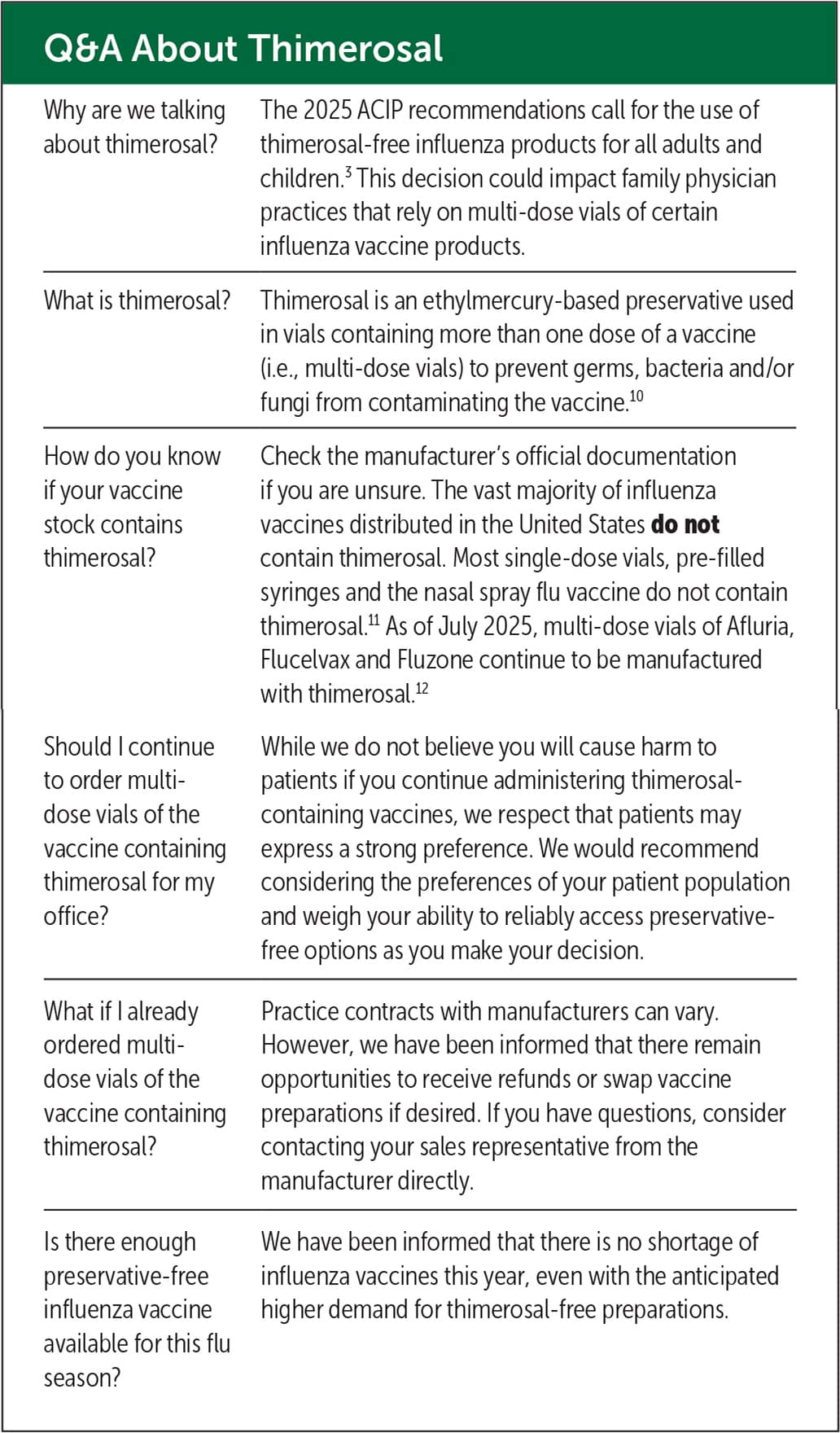
- Loud and Persistent Snoring: This is more than just occasional snoring. It is typically loud enough to disturb a partner and occurs almost every night.
- Waking Up Gasping for Air at Night: If you ever wake up suddenly feeling like you have been underwater, this is a major red flag that your oxygen levels have dropped.
- Choking or Snorting Sounds: These sounds often follow a period of silence and indicate that your body is struggling to overcome an upper airway collapse.
- Nocturia: Frequent urination during the night can actually be a sign of sleep apnea, as the heart releases a specific hormone when it is under cardiovascular strain from breathing pauses.
- Observed Breathing Pauses: If a partner notices you stop breathing for 10 seconds or more, this is the clinical definition of an apnea event and requires immediate attention.
Daytime Consequences
- Morning Headaches and Dry Mouth Sleep Apnea: Waking up with a parched throat or a dull, throbbing headache is often caused by the exertion of gasping for air and the lack of oxygen during the night.
- Excessive Daytime Sleepiness: This is a deep, bone-weary fatigue that makes it difficult to stay awake during meetings, while reading, or even while driving.
- Irritability and Mood Swings: Chronic sleep fragmentation prevents you from reaching the restorative sleep cycles needed for emotional regulation.
- Cognitive Impairment: Often described as brain fog, this includes difficulty concentrating, memory lapses, and a general feeling of mental slowness.
- Insomnia: Ironically, many people with sleep apnea have trouble staying asleep. Your brain may trigger an "alert" mode to prevent you from stopping breathing, making it hard to maintain a deep slumber.
RED FLAG ALERTS If you experience any of the following, consult a healthcare provider immediately:
- Pauses in breathing longer than 10 seconds.
- Frequent gasping or choking that wakes you from sleep.
- Falling asleep involuntarily during the day (e.g., while driving).

Learning how to tell if snoring is sleep apnea usually comes down to the quality of the sound. Regular snoring is rhythmic and consistent. Sleep apnea snoring is often interrupted by silence (the apnea) followed by a loud "recovery" breath or snort.
Gender Differences: Sleep Apnea in Women vs. Men
As an editor focusing on holistic health, I am particularly passionate about addressing how sleep apnea symptoms in women are frequently overlooked. The medical community has historically viewed sleep apnea as a "man’s disease," but this bias leaves millions of women at risk.
Women are less likely to report the classic "lumberjack" snoring. Instead, they often present with signs you might have sleep apnea without snoring, such as chronic insomnia, anxiety, and overwhelming morning fatigue. For women, the symptoms of central sleep apnea in adults or even obstructive cases are often misattributed to menopause, depression, or thyroid issues.
During the menopausal transition, the decline in progesterone—a hormone that helps stimulate the upper airway muscles—can significantly increase the risk of airway collapse. If you find yourself waking up exhausted despite "sleeping" eight hours, or if you are struggling with unexplained mood changes, it is worth looking beyond traditional hormonal therapy and considering a sleep evaluation.
Diagnosis: From Home Tests to Polysomnography
Getting a diagnosis is not as daunting as it used to be. The first step is often an excessive daytime sleepiness evaluation using the Epworth Sleepiness Scale, a simple questionnaire that measures how likely you are to doze off during daily activities.
From there, your doctor may recommend a Home Sleep Test (HST). This is a simplified version of a sleep study that you can do in your own bed, measuring oxygen desaturation and heart rate. However, for a more comprehensive look at your "wiring" and "plumbing," an in-lab Polysomnography remains the gold standard. This test monitors brain waves, eye movements, and muscle activity to determine your Apnea-Hypopnea Index (AHI).
The AHI tells us how many times per hour your breathing stops or becomes shallow. A score of 5 to 15 is considered mild, while a score over 30 indicates severe apnea. Identifying this number is crucial because untreated sleep apnea puts immense cardiovascular strain on your system, increasing the risk of hypertension, stroke, and heart disease.
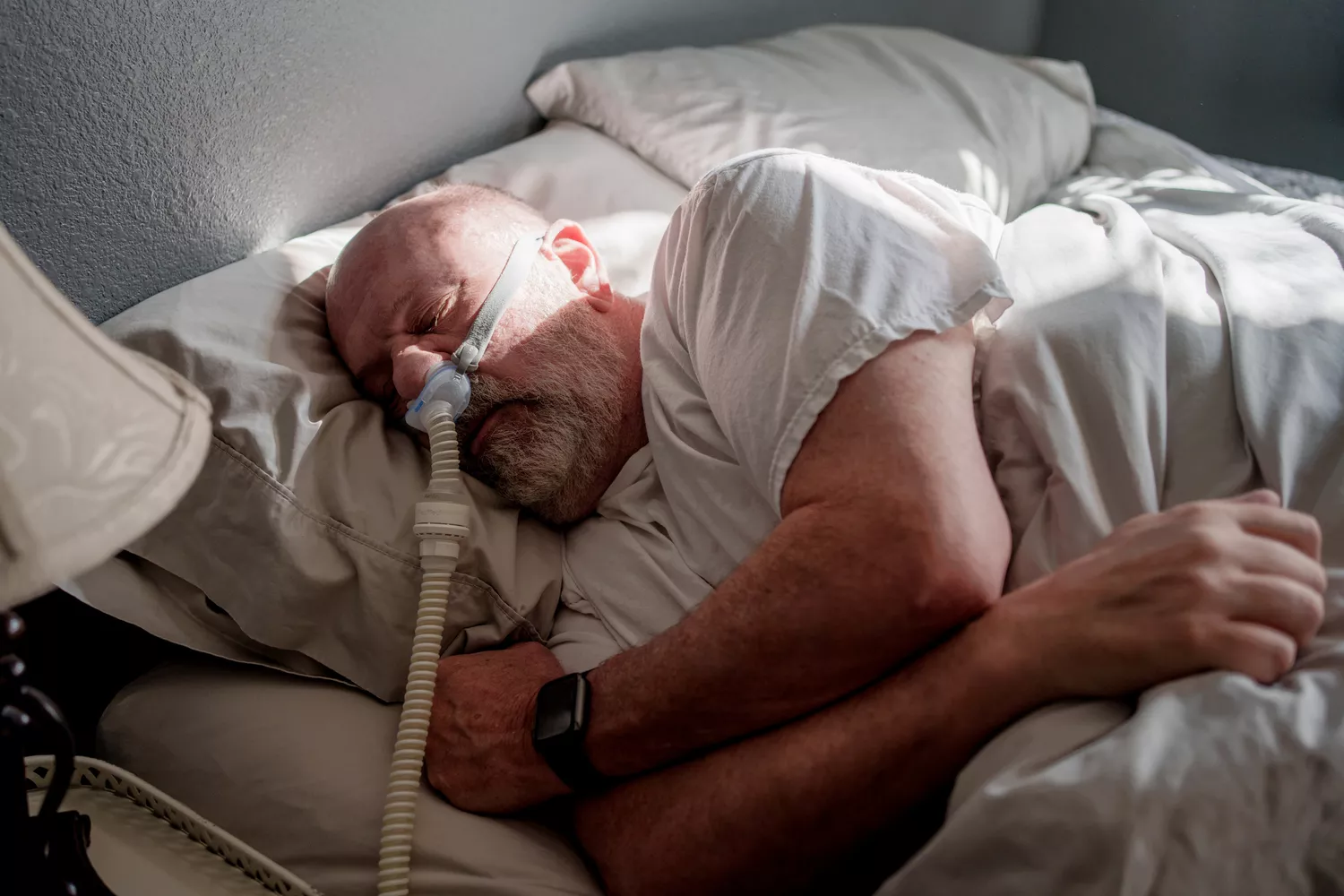
Choosing to address these warning signs is one of the most impactful things you can do for your long-term wellness. Whether it is through CPAP therapy, lifestyle changes, or oral appliances, reclaiming your restorative sleep cycles will transform your energy and your health.
FAQ
What are the most common warning signs of sleep apnea?
The most frequent indicators include loud, persistent snoring, waking up gasping for air at night, and excessive daytime sleepiness. Many people also report waking up with a very dry mouth or a morning headache, which results from the physical struggle to breathe and the lack of oxygen throughout the night.
Can you have sleep apnea without snoring?
Yes, it is entirely possible to have sleep apnea without snoring, particularly in cases of central sleep apnea. Because central apnea is a neurological issue rather than a physical blockage, the airway remains open, so there is no vibration or "snore" sound. Instead, the person simply stops breathing quietly for several seconds.
What are the symptoms of sleep apnea in women?
Women often experience "atypical" symptoms that differ from the classic male presentation. These include insomnia, morning headaches, anxiety, and a feeling of complete exhaustion even after a full night's sleep. Because these signs are subtle, they are often misdiagnosed as stress or symptoms of menopause.
How is sleep apnea usually diagnosed?
Diagnosis typically begins with a clinical evaluation of your symptoms and history. A doctor will then order a sleep study, which can either be a Home Sleep Test for convenience or an in-lab Polysomnography. These tests measure your Apnea-Hypopnea Index (AHI) to determine how many times your breathing is interrupted per hour.
What does a sleep apnea headache feel like?
A sleep apnea headache is typically felt on both sides of the head and is often described as a dull, squeezing sensation rather than a sharp or throbbing pain. It is most intense immediately upon waking and usually starts to fade within an hour or two once you begin breathing normally and oxygen levels stabilize.