Quick Facts
- Preparation Time: 45 minutes of active preparation plus a mandatory 12 to 24 hours for the cold fermentation process.
- Key Benefit: Exceptionally high in Vitamin K and anti-inflammatory phenolics that support bone health and circulation.
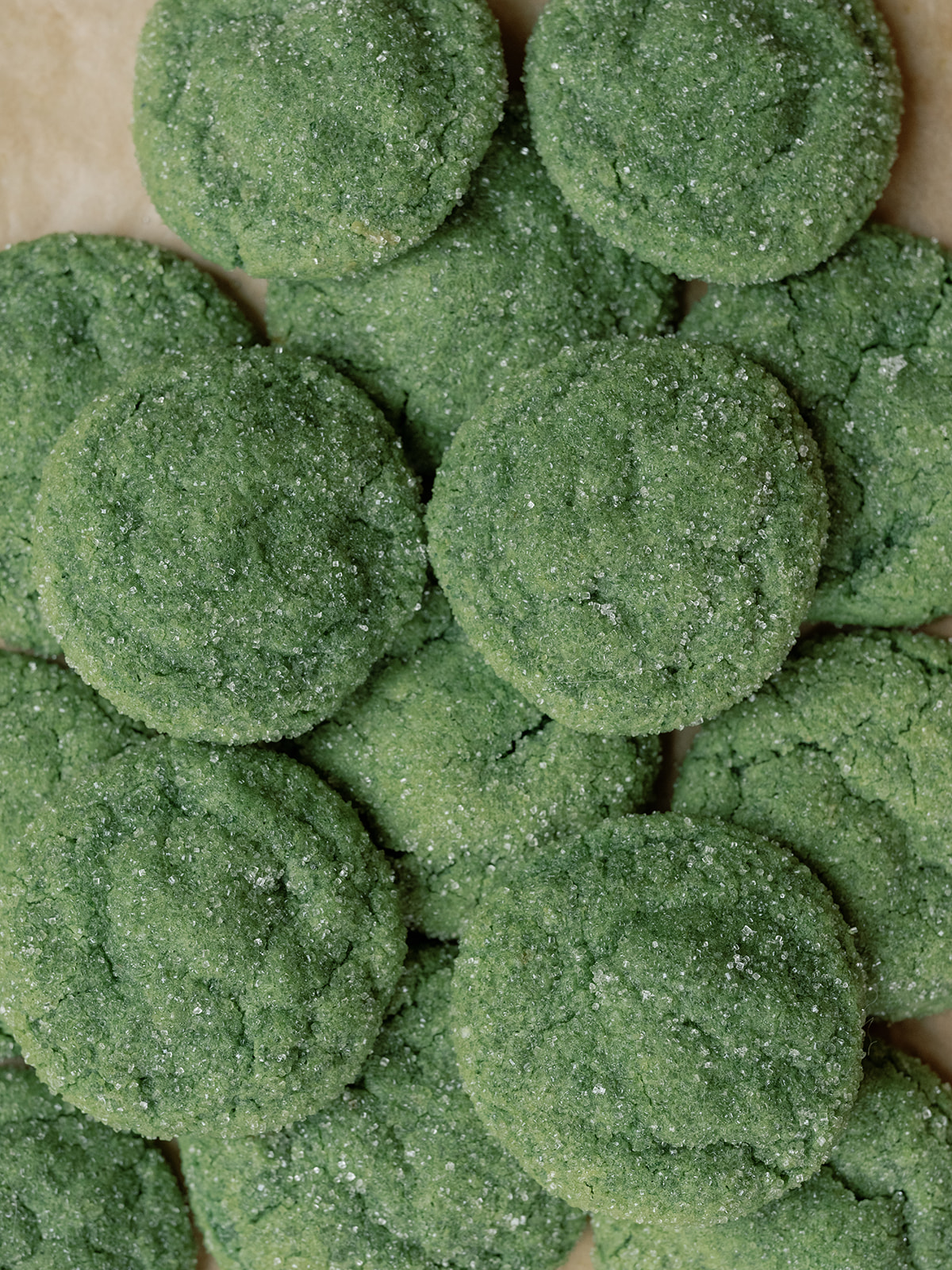
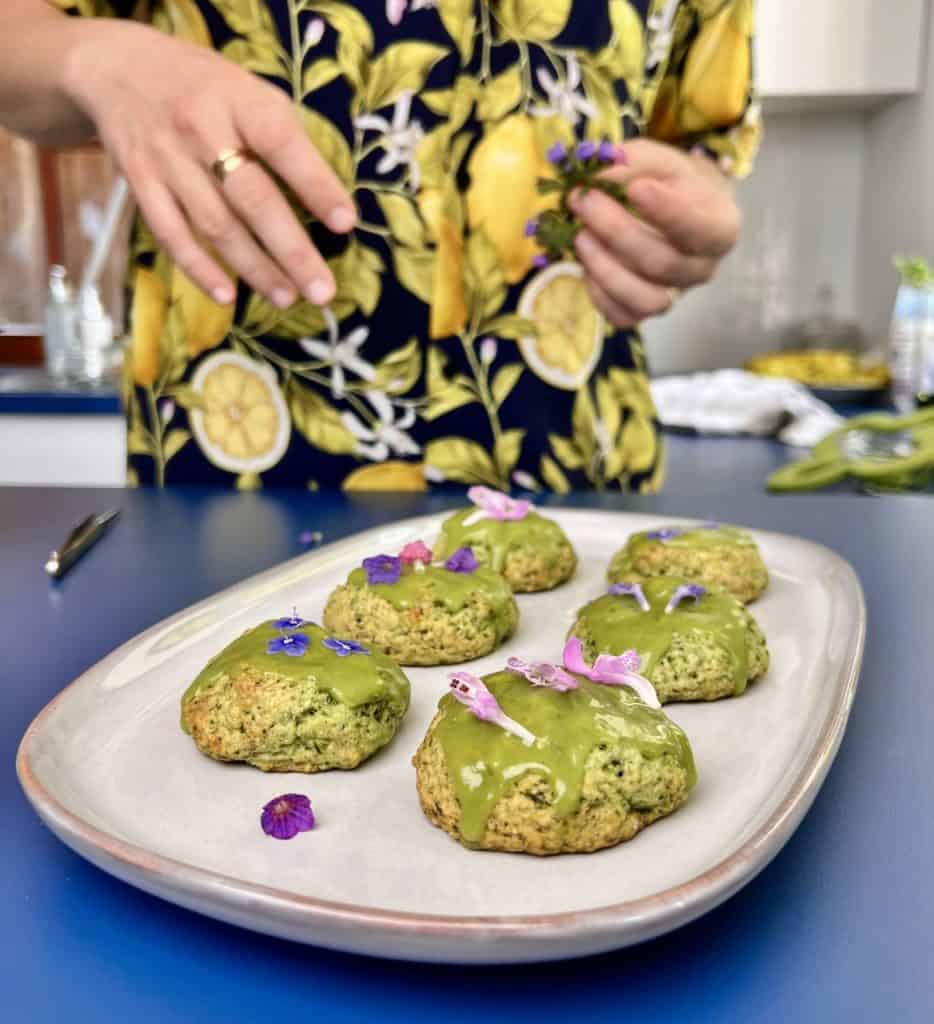
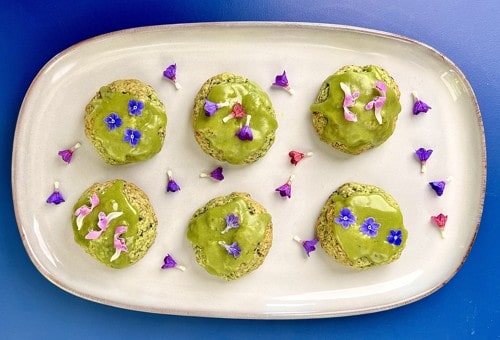
- Texture: These are soft and chewy sourdough sugar cookies with nettles, featuring a fudgy interior and slightly crisp, sugar-coated edges.
- Flavor Profile: A sophisticated balance of earthy undertones from the greens, complemented by the warmth of vanilla and a hint of almond.
- Discard Usage: Utilizes 1/4 cup of sourdough discard to provide a subtle tang and improve the overall shelf life of the bake.
- Safety Protocol: Proper blanching of wild foraged greens for 3 to 5 minutes is essential to neutralize the stinging hairs and formic acid.
To bake sourdough nettle cookies, cream blanched nettle butter with sugar before adding an egg, vanilla, almond extract, and sourdough discard. Mix in dry ingredients, roll the dough into balls, and coat with sugar. For optimal texture and flavor, chill the dough for 12 to 24 hours to allow for a long fermentation process before baking at 350°F.
Sourdough Nettle Cookies offer a unique blend of earthy flavor and functional health benefits. By combining sourdough discard with blanched wild greens, you can create soft and chewy sugar cookies that are as nourishing as they are vibrant. This recipe focuses on a long-fermentation process to maximize digestibility and nutrient density. As we transition into the spring harvest season, these cookies provide a bridge between traditional confectionery and functional nutrition, utilizing one of nature’s most misunderstood superfoods.
Spring Foraging: Harvesting Stinging Nettles for Baking in Spring
The transition from winter to spring brings a bounty of wild foraged greens, but few are as nutrient-dense or as intimidating as the stinging nettle. When harvesting stinging nettles for baking in spring, timing and technique are everything. You are looking for the young tips of the plant, specifically the first two or three sets of leaves at the very top. These are the most tender and contain the highest concentration of beneficial compounds before the plant begins to flower.
Safety is paramount when dealing with botanical ingredients that have built-in defenses. You must wear appropriate foraging safety gear, including thick gloves and long sleeves, to protect your skin from the tiny, hollow hairs (trichomes) that inject formic acid upon contact. While the "sting" is what gives the plant its name, it is also a signal of the potent biological activity within the leaves.
Ethical harvesting is a core pillar of my nutrition philosophy. Never clear-cut a single patch; instead, take only what you need from various locations to ensure the plant can continue to thrive and provide for the local ecosystem. By pinching off only the top growth, you encourage the plant to bush out rather than go to seed too early, extending the harvest for everyone. Once you return to the kitchen, these wild greens offer a blank canvas for functional baking, provided you know how to handle them.
Step-by-Step: How to Prepare Nettles for Baking
The most common question I receive from home bakers is how to prepare nettles for baking without getting stung. The secret lies in a simple but precise blanching technique. Heat is the natural enemy of the nettle's sting; a few minutes in boiling water completely neutralizes the formic acid, transforming the leaves into a safe, spinach-like green.
To start, bring a large pot of salted water to a rolling boil. Drop your cleaned, foraged leaves into the water and submerge them for 3 to 5 minutes. This duration is long enough to disarm the stingers but short enough to preserve the vibrant green color and the integrity of the heat-sensitive vitamins. Immediately following the boil, use a slotted spoon to transfer the leaves into an ice water bath. This "shocks" the plant, stopping the cooking process instantly and locking in that deep chlorophyll hue.
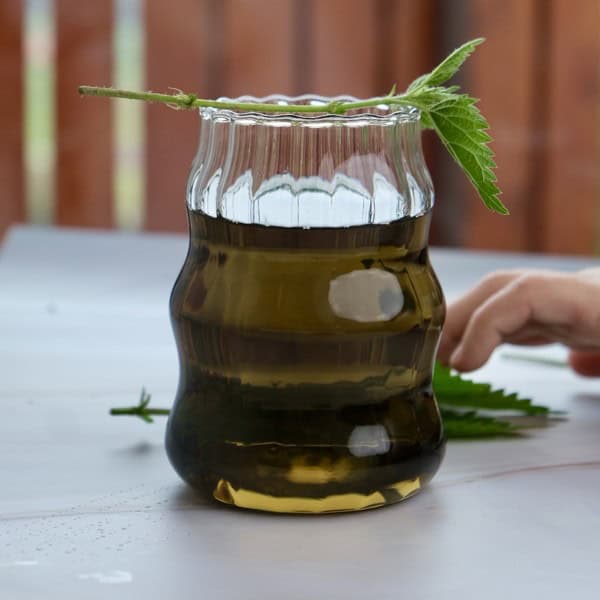
Once cooled, squeeze the leaves thoroughly to remove as much moisture as possible. This step is critical; excess water will ruin the emulsion of your cookie dough. After squeezing, finely chop the leaves. For this recipe, we create a nettle butter emulsion by blending the chopped greens with room-temperature, grass-fed butter. This results in a smooth, naturally green base that acts as a natural food dye while infusing the fat with botanical nutrients. This method ensures that the earthy undertones are evenly distributed throughout every bite of your Sourdough Nettle Cookies.
The Recipe: How to Make Sourdough Nettle Sugar Cookies
When you are ready to learn how to make sourdough nettle sugar cookies, think of it as a marriage between artisan baking techniques and modern nutrition. We start with a traditional sourdough discard sugar cookies base, which provides a beautiful depth of flavor that a standard sugar cookie lacks. The acidity in the discard interacts with the baking soda to create a lift that results in a remarkably soft and chewy texture.
Ingredients Checklist
- [ ] 1/2 cup grass-fed butter, softened and blended with 1/4 cup blanched nettle puree
- [ ] 1 cup organic cane sugar (plus extra for rolling)
- [ ] 1 large egg, room temperature
- [ ] 1/4 cup sourdough discard (unfed is fine)
- [ ] 1 teaspoon vanilla extract
- [ ] 1/2 teaspoon almond extract
- [ ] 2 cups all-purpose flour
- [ ] 1/2 teaspoon baking soda
- [ ] 1/2 teaspoon fine sea salt
The mixing process begins by creaming your green nettle butter with the sugar until light and fluffy. Incorporating vanilla and almond extracts is a strategic choice; the almond, in particular, mirrors the herbaceous flavor profile of the nettles, creating a seamless sensory experience. Once the wet ingredients and sourdough discard are fully integrated, gently fold in your dry ingredients.
The most important step for both flavor and digestion is the cold fermentation process. Place the dough in the refrigerator for at least 12 to 24 hours. This resting period allows the flour to fully hydrate and the sourdough cultures to break down complex starches, which is why these are often better tolerated by those with mild gluten sensitivities. When you are ready to bake, scoop the dough into 30g portions, roll them into balls, and coat them in extra sugar. Bake at 350°F for 10 to 12 minutes. The cookies should look set at the edges but still appear slightly underbaked in the center to ensure they remain soft.
Functional Benefits: Why Use Nettles in Cookies?
As a nutrition editor, I am always looking for ways to increase the nutrient density of our favorite treats. Using stinging nettles isn't just a culinary novelty; it is a way to introduce seasonal superfoods into the diet in an approachable way. Stinging nettles are a nutritional powerhouse often overlooked by the modern grocery store.
Research indicates that stinging nettle powder is highly nutrient-dense, containing approximately 33.8% protein on a dry basis, which is nearly three times the protein content of standard wheat flour. While we are only using a portion of that in cookie form, every bit contributes to a more balanced macronutrient profile. Furthermore, fresh stinging nettles provide a concentrated source of vitamin K, with 100 grams of the plant containing roughly 499 micrograms, or about 416% of the recommended daily intake. Vitamin K is essential for proper blood clotting and bone mineralization.
Beyond vitamins and minerals, the anti-inflammatory benefits of these cookies are significant. The addition of 5% dried stinging nettle leaves to dough has been shown to significantly increase the total phenolic content and antioxidant activity of baked goods compared to non-enriched versions. By choosing to bake with these wild greens, you are essentially creating a functional snack that supports the nervous system and circulation while satisfying a sweet craving. If you cannot find fresh greens, using dried nettles for sourdough sugar cookies (about 1 to 2 tablespoons of powdered leaf) can offer a similar, albeit less vibrantly green, nutritional boost.
FAQ
How do you prepare stinging nettles for baking cookies?
To prepare stinging nettles for baking, you must first neutralize the sting by blanching the leaves. Boil fresh nettle tips in water for 3 to 5 minutes, then immediately move them to an ice bath. Once cooled, squeeze out all the excess water and finely chop or puree the leaves. For the best integration into cookie dough, blend this puree directly into your softened butter to create a vibrant green emulsion.
Are stinging nettles safe to eat in desserts?
Yes, stinging nettles are entirely safe and highly nutritious once they have been cooked or dried. The heat from blanching or the baking process itself destroys the formic acid and the physical stingers. In a dessert context, they provide a beautiful natural color and a unique earthy flavor that pairs exceptionally well with bright notes like lemon, vanilla, or almond.
How do you harvest nettles for cookie recipes?
When harvesting, always wear gloves and long sleeves. Focus on the young, tender tops of the plant during the spring season, typically the top four leaves. Avoid harvesting nettles once they have started to flower, as the leaves can develop cystoliths—tiny gritty particles—that may irritate the urinary tract and result in a less pleasant texture in your baked goods.
Can I use sourdough discard for making cookies?
Sourdough discard is an excellent addition to cookie recipes. While it doesn't provide the same leavening power as active starter, it adds a distinct depth of flavor and acidity. This acidity helps tenderize the gluten in the flour, resulting in a softer, more professional texture. It also extends the shelf life of the cookies by retaining moisture more effectively than standard recipes.
Are there health benefits to eating nettle cookies?
Nettle cookies are a functional treat because they incorporate high levels of Vitamin K, protein, and antioxidants. These nutrients support bone health and provide anti-inflammatory benefits. By using a sourdough base and a long fermentation period, the cookies are also easier on the digestive system, making them a more mindful choice for those looking to balance indulgence with wellness.