Quick Facts
- Goal: Rapid recovery and restoration of the intestinal lining through strategic hydration and low-residue nutrition.
- Stage 1 (Hours 0-6): Prioritize gut rest with no solid food; introduce ice chips and micro-hydration only.
- Stage 2 (Hours 6-24): Focus on clear liquids and electrolytes to correct glucose-electrolyte balance.
- Stage 3 (Day 2): Reintroduction of starchy, bland foods via the BRAT diet protocol.
- Stage 4 (Day 3+): Integration of mild proteins like scrambled eggs or steamed chicken to rebuild strength.
- Red Flag: Seek medical attention if you experience a fever over 102°F, bloody stools, or signs of severe dehydration.
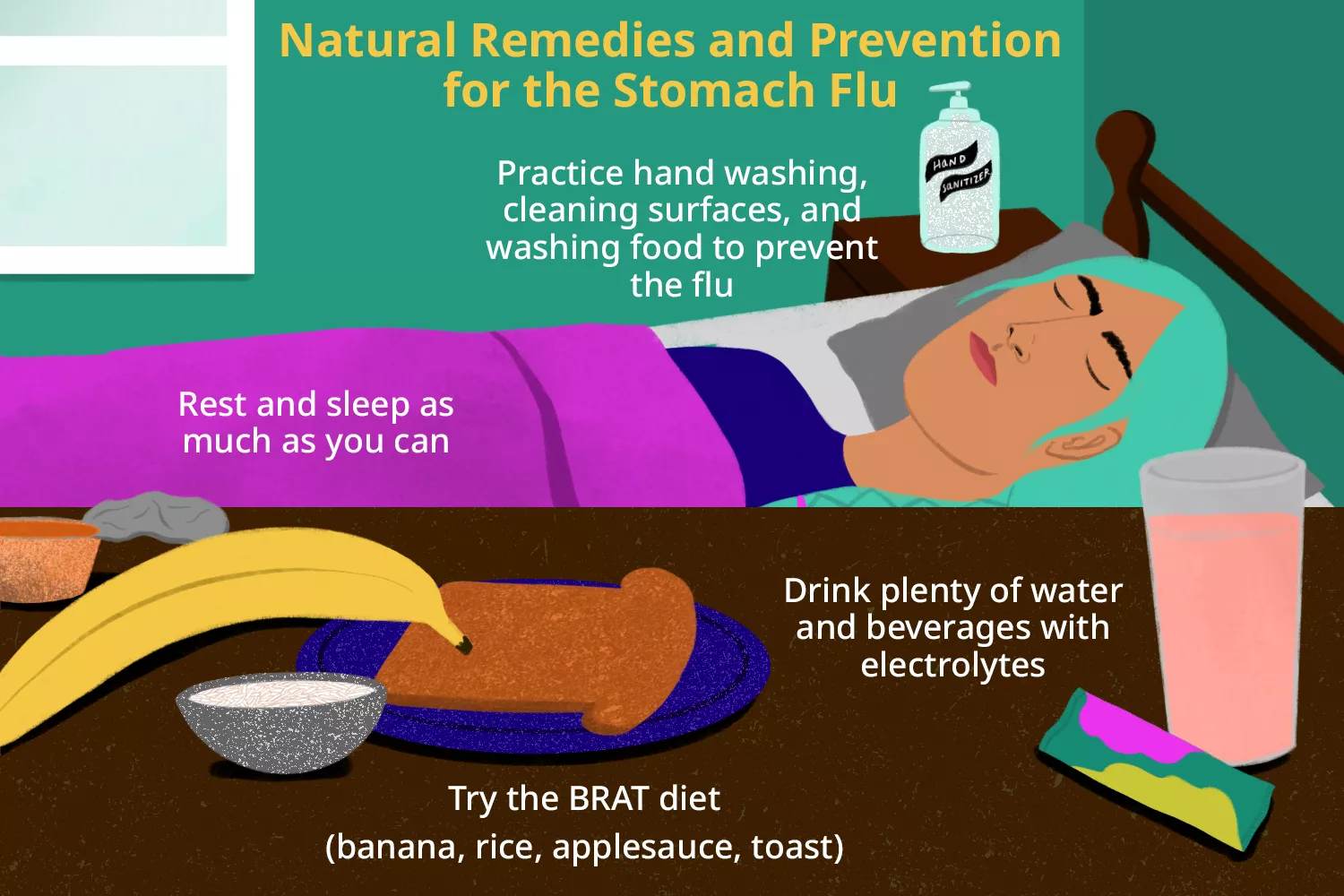
Recovering from viral gastroenteritis requires more than just rest; it requires a strategic stomach flu diet. Knowing what to eat and drink can be the difference between a 24-hour bug and a week of digestive tract distress. This guide covers the essential liquids to prevent dehydration and the gradual reintroduction of bland foods like the BRAT diet to help you regain your strength safely. The most effective stomach flu diet focuses on bland, easy-to-digest foods like bananas, rice, applesauce, and toast, paired with consistent electrolyte replacement. Transitioning slowly from liquids to low-residue solids allows the intestinal lining to heal while preventing further digestive tract distress.
Phase 1: Immediate Management and Gut Rest
When the first wave of viral gastroenteritis hits, your primary instinct might be to reach for a glass of water or a piece of toast to settle your stomach. However, as a nutrition editor, my first piece of advice is often the hardest to follow: wait. The stomach lining is currently inflamed and hyper-sensitive. Introducing anything too quickly can trigger the purge reflex, leading to further fluid loss and exhaustion.
The clinical recommendation for when to start eating after stomach flu vomiting is typically to wait at least six hours after your last episode of emesis. During this "gut rest" period, your digestive tract needs a complete break from processing nutrients. This phase is less about nutrition and more about physiological stabilization. If you feel parched, start with ice chips or extremely small, frequent sips of water—no more than a teaspoon every five to ten minutes. This frequency of intake ensures that the stomach isn't overwhelmed by volume.
If nausea persists, you might consider anti-nausea remedies such as peppermint or ginger. A mild, lukewarm ginger tea is often the best herbal tea for stomach flu nausea because it contains gingerols, which help calm the gastric muscles. However, keep these sips tiny. The goal is to settle the stomach, not fill it. If you can keep small sips down for a few hours, you are ready to move into the active rehydration phase.
Phase 2: Mastering Rehydration at Home
Once you have passed the initial six-hour window without further vomiting, your focus shifts entirely to fluid and mineral replacement. Many people make the mistake of drinking only plain water. While water is essential, it lacks the necessary minerals—specifically sodium and potassium—to fully restore your body’s balance. When you experience diarrhea or vomiting, you aren't just losing water; you are losing the salts that keep your heart, muscles, and brain functioning.
This is where the science of the glucose-electrolyte balance becomes critical. Your small intestine uses a specific mechanism called the sodium-glucose co-transport system. Essentially, the presence of a small amount of sugar (glucose) helps your body absorb salt and water more efficiently. Oral rehydration therapy (ORT) is estimated to have saved approximately 70 million lives since its introduction in the late 1970s and can prevent up to 93% of deaths caused by diarrheal diseases.
To manage this at home, look for an oral rehydration solution (ORS) like Pedialyte or create a DIY version with 1/2 teaspoon of salt, 6 teaspoons of sugar, and 1 liter of water. You can also utilize coconut water, which is naturally rich in potassium, or clear broths. Avoiding high-sugar drinks is paramount here; sugary sodas or commercial fruit juices can actually worsen diarrhea because the high concentration of sugar creates an osmotic effect, pulling even more water into the gut. Focus on how to replenish electrolytes for stomach virus at home by taking small, consistent sips throughout the day rather than chugging a large glass at once.
| Beverage Type | Why it Works | Best Practice |
|---|---|---|
| Oral Rehydration Solutions | Perfect glucose-sodium ratio for absorption. | Sip 1-2 ounces every 15 minutes. |
| Bone or Vegetable Broth | High in sodium and provides mild warmth. | Ensure it is low-fat and clear. |
| Coconut Water | Natural source of potassium and magnesium. | Best for later stages of rehydration. |
| Ginger or Peppermint Tea | Natural anti-spasmodic properties. | Drink lukewarm, not hot. |
Phase 3: The BRAT Diet and Beyond
As you enter the second day of recovery and your appetite begins to return, it is time to introduce low-residue foods. For decades, the gold standard has been the BRAT diet for stomach flu, which stands for Bananas, Rice, Applesauce, and Toast. While some modern clinical perspectives suggest expanding this diet as soon as possible, the BRAT diet remains a highly effective transitional tool because these foods are "binding."
Bananas are particularly useful because they are high in potassium and contain pectin, a soluble fiber that helps firm up stool. White rice and plain white toast provide the starchy energy sources your brain needs to function without the irritant of high-fiber husks found in whole grains. Applesauce is easier to digest than a raw apple because the cooking process breaks down the cellular structure of the fruit.
When considering the best foods for child with stomach flu, these four staples are usually the most well-tolerated. They provide the necessary carbohydrates for energy without further irritating the intestinal lining. During this phase, you might also consider introducing probiotic-rich snacks like a small serving of plain, low-fat yogurt. Clinical research indicates that the use of probiotics can shorten the duration of diarrhea symptoms associated with viral gastroenteritis by an average of 24.76 hours. Restoring your gut microbiome is a key step in preventing lingering digestive issues.
Expert Tip: When eating toast, avoid butter or margarine. Fats are difficult for an inflamed stomach to process and can delay gastric emptying, potentially causing a relapse of nausea.
Phase 4: Rebuilding Strength with Soft Proteins
Once you can successfully digest the BRAT diet, your body will start signaling for more substantial nutrition. This usually happens around 48 to 72 hours after the onset of symptoms. To truly recover, you need to transition from simple carbohydrates to mild proteins to rebuild muscle tissue and support the immune system.
Many patients ask, are eggs good for stomach flu recovery? The answer is yes, provided they are prepared correctly. Scrambled eggs (without milk or heavy oil) or poached eggs are excellent sources of high-quality protein and are very soft on the digestive tract. Similarly, plain, skinless chicken breast that has been boiled or steamed offers the amino acids needed for tissue repair without the grease of fried alternatives.
Nutrient-dense recovery foods provide essential electrolytes and help you figure out what to eat after stomach flu to regain strength. For instance, chicken noodle soup containing approximately 32% of the daily value for sodium and one medium boiled potato offering about 12% of the daily value for potassium are perfect Stage 4 meals. These foods help replace the minerals lost during the acute phase while providing the caloric density required to banish the "weak" feeling that often lingers after a virus.
Irritants to Avoid: What Worsens Gastroenteritis
Understanding what to include in a stomach flu diet is only half the battle; knowing which foods to avoid with a stomach bug is equally critical for preventing a relapse. The inflamed lining of your stomach and intestines is highly susceptible to malabsorption prevention issues, meaning it cannot process complex molecules as it normally would.
First and foremost, steer clear of dairy products. Even if you aren't normally lactose intolerant, viral gastroenteritis can cause a temporary deficiency in the enzyme lactase. This means drinking milk or eating cheese can lead to significant bloating, gas, and explosive diarrhea. Similarly, caffeine and alcohol act as diuretics and stimulants, which can dehydrate you further and irritate an already sensitive gastric lining.
You should also avoid:
- Greasy or Fried Foods: High fat content slows down digestion and can cause immediate gastric upset.
- Spicy Foods: Capcaicin can act as an irritant to the intestinal walls.
- Raw Vegetables and High-Fiber Fruits: While healthy under normal circumstances, the "roughage" is too difficult for a recovering gut to move through.
- Highly Processed Sugars: As mentioned, these can exacerbate diarrhea through osmosis.
By strictly avoiding these irritants for at least 3 to 5 days, you allow your digestive system to return to its baseline state before taxing it with complex digestion.
FAQ
What is the best thing to eat when you have the stomach flu?
The best initial foods are clear liquids and oral rehydration solutions to manage hydration. Once you can tolerate solids, the best options are bland, starchy foods like bananas, white rice, applesauce, and plain toast, which are easy on the stomach and help firm up stools.
What foods should you avoid with a stomach bug?
You should strictly avoid dairy, caffeine, alcohol, and high-fat or greasy foods. Additionally, spicy dishes and high-fiber vegetables should be avoided until your digestion has completely returned to normal, as they can irritate the intestinal lining and cause further distress.
Is the BRAT diet still recommended for stomach flu recovery?
Yes, the BRAT diet is still recommended as a short-term transitional strategy. While it is too low in protein and fat for long-term use, it is perfect for the first 24 to 48 hours of solid food reintroduction because it provides easily digestible carbohydrates and binding fibers.
How soon can you start eating solid food after vomiting?
It is generally recommended to wait at least six hours after the last episode of vomiting before attempting to eat solid food. You should first ensure you can tolerate small sips of clear liquids for several hours without further nausea before moving to bland solids.
Can you eat dairy products while recovering from stomach flu?
It is best to avoid dairy for several days after symptoms subside. Viral infections can cause a temporary state of lactose intolerance, making dairy products like milk and cheese difficult to digest and likely to cause gas, bloating, or a return of diarrhea.
When to Call the Doctor
While most cases of viral gastroenteritis resolve on their own with a proper stomach flu diet and rest, some symptoms require professional medical intervention. Use this checklist to determine if you need to contact a healthcare provider:
- Persistent Vomiting: If you cannot keep any liquids down for more than 12-24 hours.
- Signs of Dehydration: Such as extreme thirst, dry mouth, very dark urine, or dizziness upon standing.
- High Fever: A temperature consistently above 102°F (38.9°C).
- Bloody Stools: Any presence of blood in vomit or bowel movements.
- Duration: If symptoms do not show signs of improvement after 48 to 72 hours.
Recovery is a marathon, not a sprint. By following these phased nutritional steps, you are supporting your body’s natural healing processes and ensuring a much faster return to your daily routine.