
Quick Facts
- Gold Standard: A medium-firm mattress is the optimal choice for the majority of sleepers to maintain spinal health.
- Worst Position: Prone or stomach sleeping is frequently linked to increased lumbar strain and morning discomfort.
- Weight Threshold: Support requirements shift significantly at 130 lbs and 230 lbs to ensure proper body weight distribution.
- Adjustment Period: It typically takes 2-3 weeks for the body to acclimate to a new sleep surface or corrective posture.
- The Scaffolding Rule: Use ergonomic pillows as structural tools for alignment rather than just soft cushions for comfort.
To stop morning back pain, maintain a neutral spine position by placing a pillow under the knees (back sleepers) or between the legs (side sleepers), and ensure your mattress provides adequate lumbar support and pressure point relief to allow for spinal decompression.
Understanding the Morning Stiffness: Why Your Back Hurts at Sunrise
Waking up with a stiff, aching back is a frustrating way to start the day, yet it is a shared reality for many. Statistics show that approximately 92% of individuals with chronic low back pain experience significant difficulties with sleeping or rising in the morning due to their condition. As a preventive care editor, I look at this not just as a mechanical failure of a mattress, but as a complex interaction between biology and environment.
During the night, our bodies undergo a period of relative stillness. For those dealing with chronic inflammation, this lack of movement can cause the synovial fluid in the joints to thicken, and the fascia—the connective tissue surrounding your muscles—to become less pliable. When your sleep setup fails to facilitate a neutral spine position, these tissues are stretched or compressed in unnatural ways for hours on end. This creates a cycle where the body cannot effectively achieve spinal decompression, leading to that tell-tale "locked" feeling when you try to stand up.
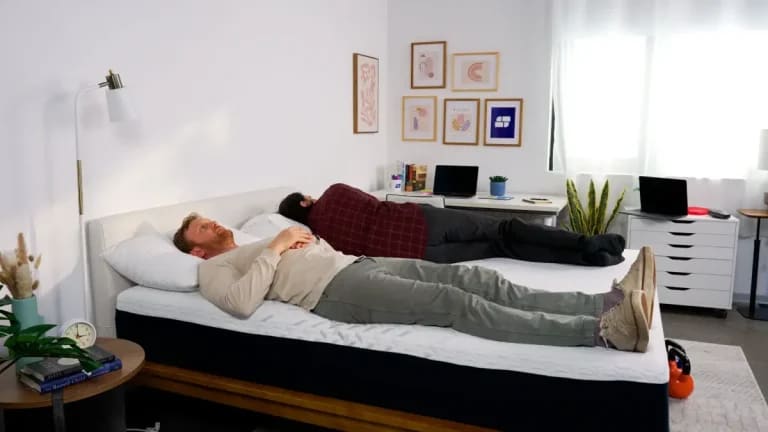
The goal of a healthy sleep routine is to minimize this inflammatory build-up by ensuring the musculoskeletal system is fully supported. When the spine is aligned, the muscles can finally relax, and the discs between your vertebrae can rehydrate after a day of bearing your weight.
Ranking Sleep Postures: From Best to Worst for Spinal Health
Your choice of sleep posture is perhaps the most influential habit you can change overnight. Research indicates that maintaining an incorrect sleeping position is independently associated with nearly double the risk of experiencing low back pain compared to supportive postures.

To help you visualize the best sleeping positions for back pain, I have ranked them based on their ability to promote spinal health:
| Rank | Sleep Position | Spinal Impact | Recommended Adjustment |
|---|---|---|---|
| 1 | Back (Supine) | Excellent; evenly distributes weight. | Place a small pillow under the knees to support the lumbar curve. |
| 2 | Side (Lateral) | Good; reduces snoring and acid reflux. | Use a firm pillow between the legs to prevent pelvic tilt. |
| 3 | Stomach (Prone) | Poor; causes neck rotation and lumbar arching. | Place a flat pillow under the pelvis or transition to side sleeping. |
For side sleepers, the best sleeping position for lower back pain side sleepers involves more than just rolling over. Without a pillow between the knees, the top leg tends to pull forward, rotating the hips and creating a pelvic tilt that strains the lower back. By using pillows between legs for spinal alignment, you create a parallel line between your hips, knees, and ankles, which keeps the lumbar spine from twisting.
If you are a chronic stomach sleeper, you are likely putting the most stress on your frame. A systematic review suggests that the prone sleeping position, or sleeping on the stomach, is associated with a higher risk of low back pain due to increased lumbar strain. To fix how to stop stomach sleeping back pain, try the "tennis ball" trick—sewing a small pocket onto the front of a sleep shirt to hold a tennis ball, making it uncomfortable to roll onto your stomach.

Choosing Your Foundation: Mattresses and Pillows as Scaffolding
Think of your mattress and pillows as the scaffolding for your body. A supportive mattress for back pain must balance two competing needs: the need to contour to your body's curves and the need to provide deep structural support.
The debate over a firm vs medium firm mattress for morning back stiffness has largely been settled in favor of the medium-firm hybrid. Modern mattresses, like the WinkBed or Casper Dream Hybrid, utilize a zoned coil system. This means the springs are firmer in the center third of the mattress to support the heavy torso and hips, while being softer under the shoulders. This targeted support prevents the sagging that leads to morning back pain.
Body weight distribution plays a crucial role in how you perceive firmness:
- Under 130 lbs: Light sleepers often need more memory foam contouring to allow their joints to sink enough to reach the support layers.
- 130 to 230 lbs: This group usually finds the most relief on a true medium-firm surface that offers balanced pressure point relief.
- Over 230 lbs: Heavier sleepers require a firmer foundation with high-density coils to prevent bottoming out and losing the neutral spine position.
Who Should Avoid: If you have acute morning stiffness, avoid ultra-plush memory foam mattresses without a coil base. While they feel comfortable initially, they often lack the "push-back" necessary for spinal decompression, leading to a feeling of being stuck in a hole by 3:00 AM.
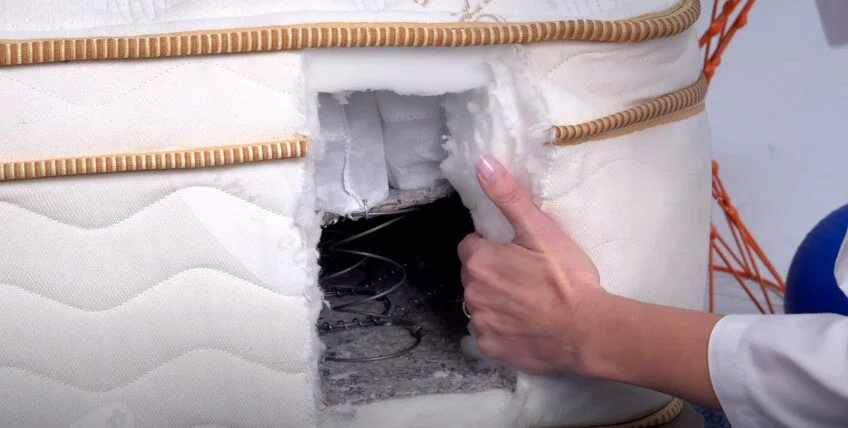
When upgrading your setup, remember the 3-week break-in period. Your muscles have developed "postural memory" for your old, sagging mattress. Even a perfect new surface might feel slightly uncomfortable as your body realigns itself.
Habits and Stretches: The Daily Routine for a Pain-Free Morning
Correcting your physical environment is only half the battle. You must also cultivate sleep habits for spinal alignment that prepare your body for rest. High-quality sleep hygiene isn't just about blue light; it’s about physical readiness.
I recommend a simple evening and morning routine to maintain mobility:
- Evening Myofascial Release: Spend five minutes using a foam roller or a lacrosse ball on your glutes and hamstrings before bed. Tight lower body muscles can pull on your pelvis while you sleep.
- Temperature Regulation: Keep your room cool. Restless movements caused by overheating can frequently knock you out of your neutral spine position.
- The 3-Minute Morning Wake-Up: Before reaching for your coffee, perform gentle morning stretches for lower back pain and stiffness.
- Knees-to-Chest: Gently pull one knee at a time to your chest while lying in bed.
- Cat-Cow: Move to the floor for a slow transition between arching and rounding your back.
- Child’s Pose: Hold for 30 seconds to allow the lower back to gently expand.
Incorporating daily sleep habits for optimal spinal alignment ensures that you are not just reacting to pain, but actively preventing it.
FAQ
Why does my back hurt more in the morning?
Morning back pain is usually a result of prolonged spinal misalignment or the thickening of inflammatory fluids in your tissues due to lack of movement. If your mattress does not support a neutral spine position, your muscles remain tense all night to protect the spine, leading to stiffness upon waking.
Can a mattress cause back pain in the morning?
Yes, a mattress that is too soft will cause your hips to sink, creating a hammock effect that strains the ligaments. Conversely, a mattress that is too firm creates pressure points on the shoulders and hips, preventing the spine from relaxing into its natural curve.
How do I get rid of morning back stiffness?
The most effective way to alleviate stiffness is through a combination of heat and movement. A warm shower followed by specific morning stretches for lower back pain and stiffness, such as the cat-cow or gentle pelvic tilts, helps restore blood flow and fascia elasticity.
What is the best sleeping position to prevent back pain?
The most recommended position is back sleeping (supine) with a small pillow under the knees. This mimics the spine's natural curve and allows for even body weight distribution. Side sleeping with a pillow between the knees is an excellent second choice.
Are there specific stretches to relieve morning back pain?
Yes, focusing on the "big three" can help: knees-to-chest to decompress the lower spine, pelvic tilts to engage the core, and a gentle child's pose to stretch the lumbar extensors. These should be done slowly without any bouncing movements.
Conclusion & Next Steps
Stopping morning back pain is a journey of small, intentional adjustments. By focusing on a neutral spine position and auditing your supportive mattress for back pain, you address the root mechanical causes of your discomfort.
I encourage you to track your morning pain levels for the next 30 days. Start by adding a pillow between your knees or under your legs tonight. Note the changes in how you feel when your feet first hit the floor in the morning. Wellness is a long-term strategy, and your sleep posture is one of the most powerful tools in your preventive healthcare toolkit.