Quick Facts
- Global Impact: Tension-type headaches are one of the most prevalent conditions worldwide, with absolute cases reaching approximately 2.01 billion in 2021.
- Stress Link: Research indicates that for every 10-point increase in stress intensity, the duration of tension-type headaches increased by 6.3%, adding hours of pain each month.
- Efficacy: Mind-body therapies and stress reduction techniques for tension headaches have been shown to reduce symptoms by 35% to 55%.
- Top Technique: The 4-2-6 breathing ratio (inhale for 4 seconds, hold for 2, exhale for 6) provides immediate tension headache relief by activating the parasympathetic nervous system.
- Cost-Benefit: Home-based behavioral treatments for natural tension headache relief methods without medication are approximately five times more cost-effective than frequent clinical visits.
- Key Muscles: The upper trapezius and suboccipital muscles are the most common physical sites where stress-induced tension accumulates.
Effective tension headache relief can be achieved through immediate stress management techniques like deep breathing and mindfulness. By practicing controlled breathing—such as inhaling for four seconds and exhaling for six—you activate the parasympathetic nervous system to lower cortisol and reduce muscle tightness. Mindfulness helps shift focus away from pain perception, calming the nervous system and potentially decreasing the frequency of stress-induced attacks.
The Stress-Headache Connection: Why Your Mind Affects Your Muscles
We have all felt that familiar sensation: a tight band squeezing the temples, a dull ache radiating from the base of the skull, or a heavy pressure behind the eyes. Tension headaches are the most common type of primary headache, and for many of us, they are the physical manifestation of a busy life. When we experience emotional or mental pressure, our body enters a state of high alert. This survival mechanism, while useful in short bursts, often leads to chronic cortisol regulation issues and persistent muscle contraction.
The link between our mental state and physical pain is profound. According to the Global Burden of Disease study, these headaches affect over 20% of the global population, contributing significantly to lost productivity and diminished quality of life. The modern stress response keeps our muscles in a state of "bracing," particularly in the jaw, neck, and shoulders. This constant engagement irritates the nerves and restricts blood flow, creating a feedback loop of pain. Finding lasting tension headache relief requires us to look beyond the symptoms and address the underlying stress reduction techniques for tension headaches that allow the body to return to a state of ease.
Immediate Relief: The 15-Minute Calm Protocol
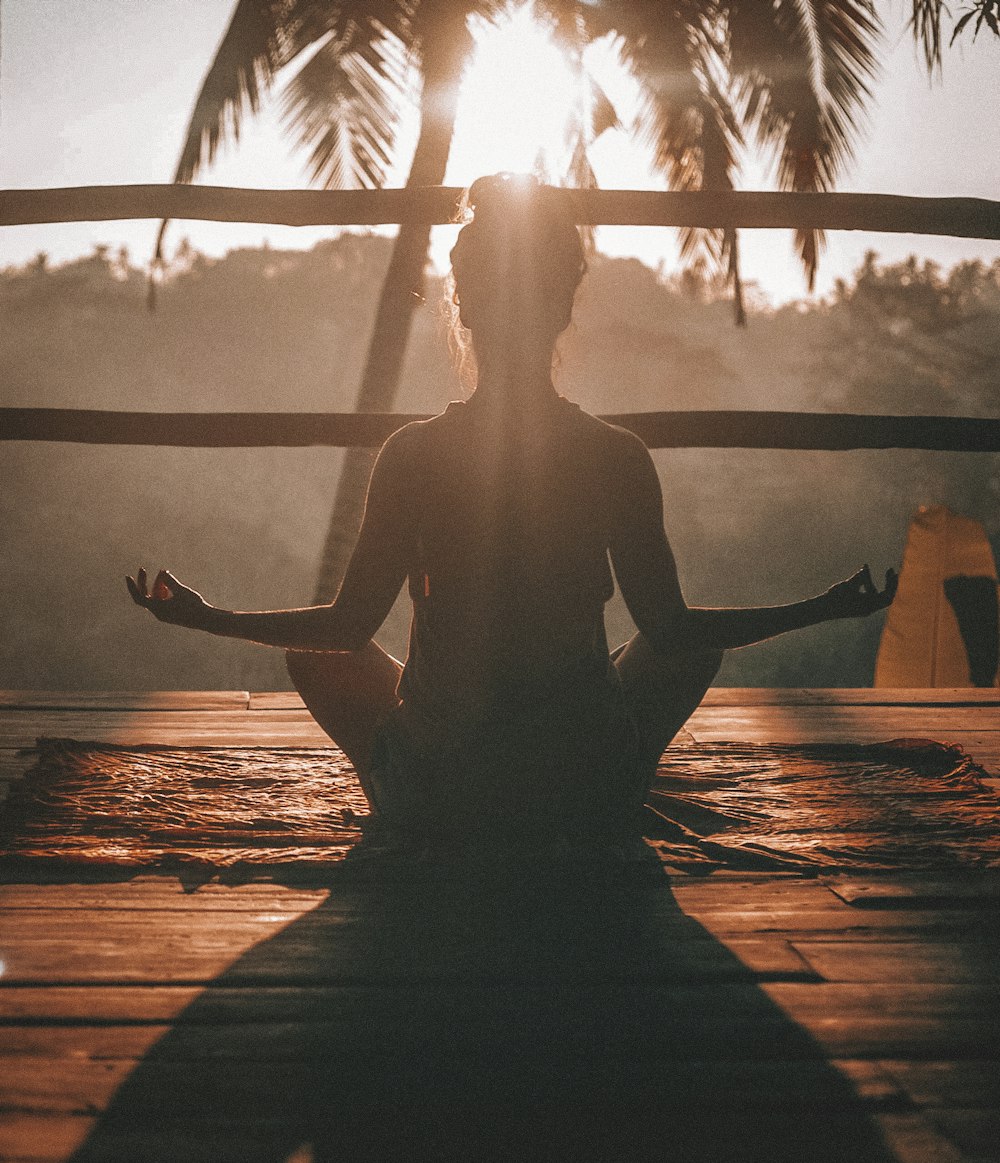
When a headache begins to bloom, the instinct is often to push through the day. However, taking fifteen minutes to intervene can prevent the pain from escalating. The goal of this protocol is vagus nerve stimulation, which tells your brain it is safe to relax.
The foundation of immediate relief is the 4-2-6 breathing method. This specific ratio is designed to maximize the exhale, which is the "reset button" for your nervous system. By lengthening the breath out, you signal the heart to slow down and the muscles to soften.
Try This: The 4-2-6 Breathing Exercise
- Find a quiet seat and allow your eyes to close or soften your gaze.
- Inhale slowly through your nose for a count of 4, feeling your belly expand.
- Hold the breath gently for a count of 2.
- Exhale through pursed lips for a count of 6, imagining the air carrying away the tension in your forehead.
- Repeat this cycle for five to ten minutes to facilitate deep breathing techniques for immediate tension headache relief.
Alongside breathing, mindfulness exercises for headache relief can help decouple the sensation of pain from the emotional distress it causes. Often, we tense up in anticipation of the pain getting worse, which only tightens the muscles further. Adopting an "observer mindset" allows you to notice the sensation without judging it or fearing it. If you feel overwhelmed by your environment, try the 5-4-3-2-1 grounding method: acknowledge five things you see, four you can touch, three you hear, two you smell, and one you can taste. This quick 5-minute mindfulness for tension headache sufferers effectively pulls the brain out of a stress loop and back into the present moment.
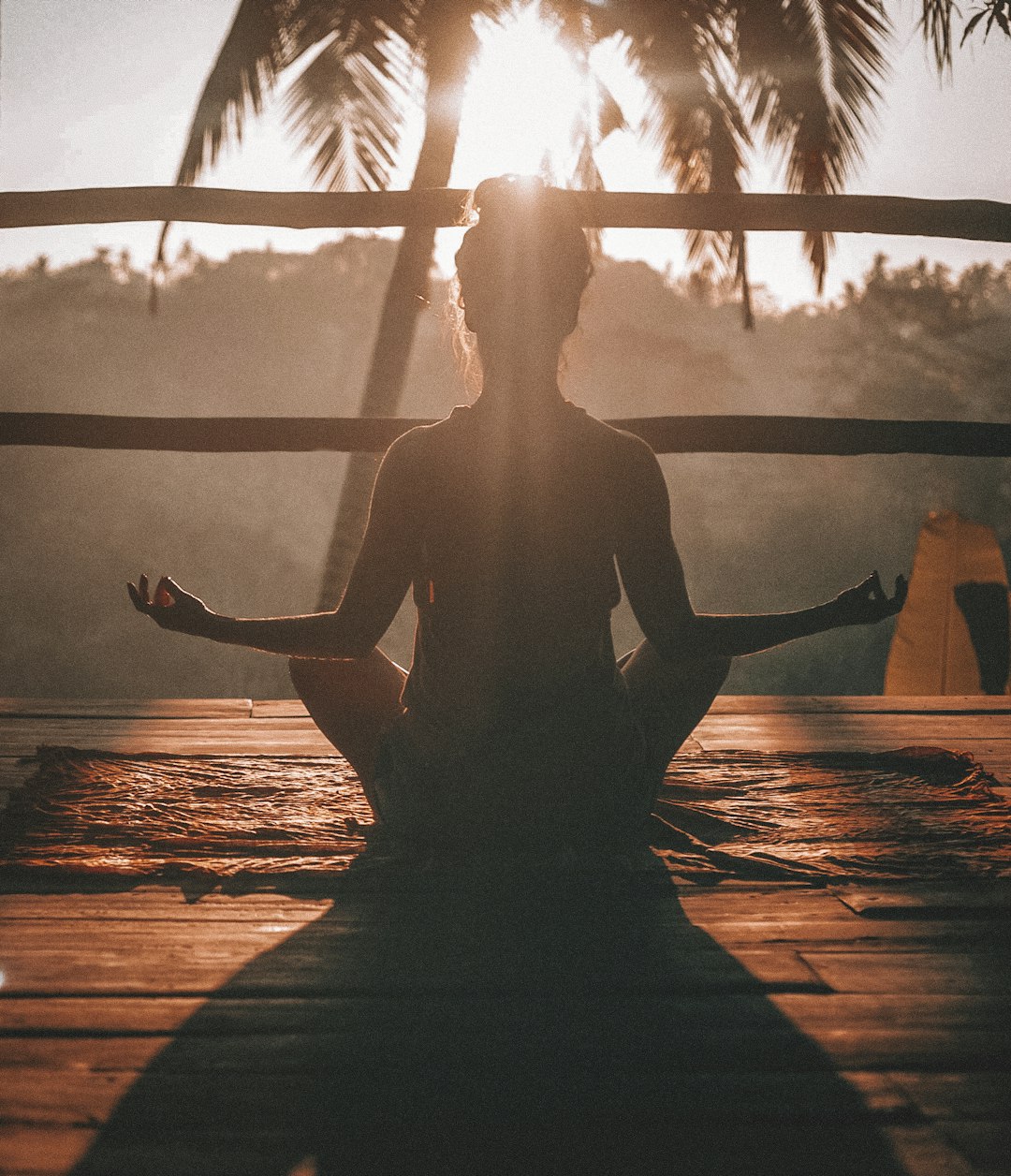
Releasing the Physical Knot: Muscle Mapping and Stretches
While the mind triggers the response, the muscles hold the memory. Stress-related headaches often originate in "referred pain" zones. This means the pain you feel in your temples might actually be coming from a knot in your neck or a tight jaw. This is why muscle relaxation techniques for headaches are so effective; they address the source of the structural pull.
Common culprits include the upper trapezius (the large muscles on either side of your neck), the sternocleidomastoid (SCM) on the front of the neck, and the suboccipital muscles at the very base of the skull. Many office workers also suffer from jaw clenching and bruxism, which can refer pain directly to the side of the head.
To release these areas, you can use a progressive muscle relaxation guide for tension headaches. This involves systematically tensing and then releasing different muscle groups. For instance, shrug your shoulders up to your ears as hard as you can for five seconds, then let them drop completely, feeling the weight melt away.
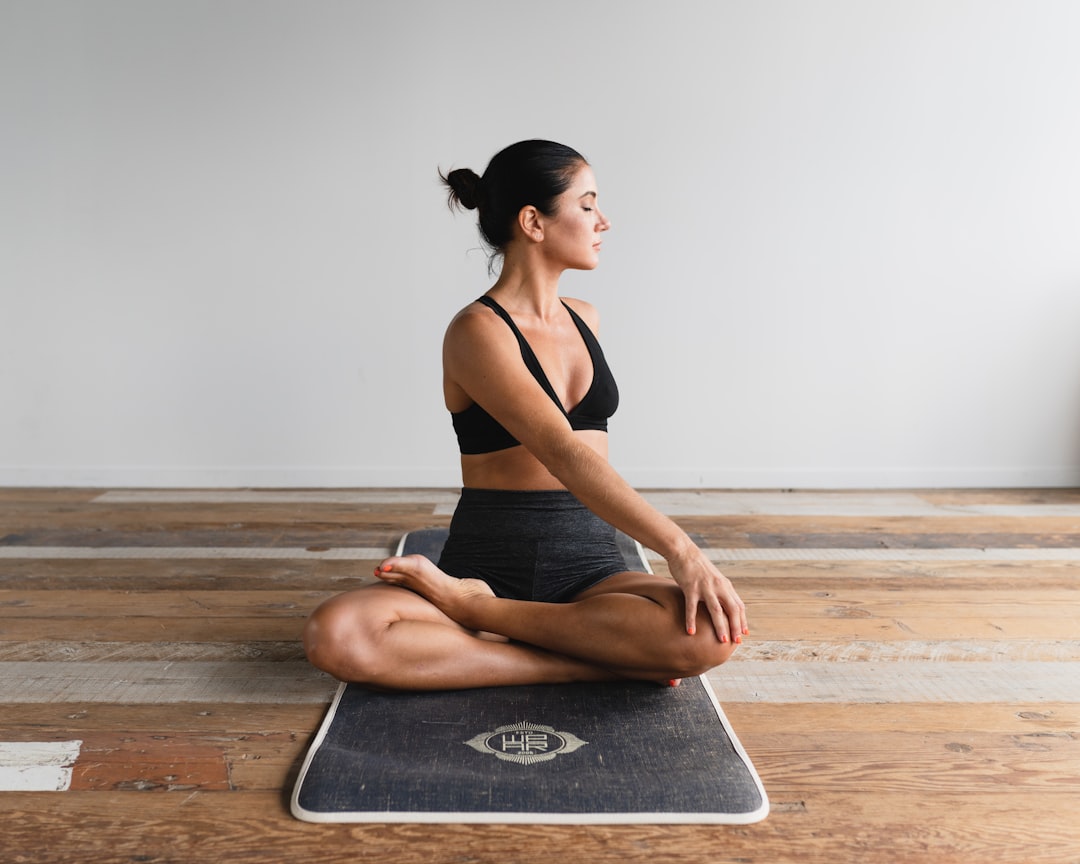
If you are at your desk, these best desk stretches for stress-related headache relief can be done in just a few minutes:
- The Chin Tuck: Gently draw your chin straight back, as if making a "double chin." This stretches the suboccipital muscles at the base of the skull.
- Ear-to-Shoulder Stretch: Slowly lower your right ear toward your right shoulder. Hold for 30 seconds, then repeat on the left to release the trapezius.
- Jaw Release: Place your tongue on the roof of your mouth behind your front teeth and allow your jaw to hang open slightly, releasing the masseter muscles.
These movements help release myofascial trigger points that contribute to recurring pain. By breaking the cycle of physical tightness, you provide a clear path for tension headache relief.
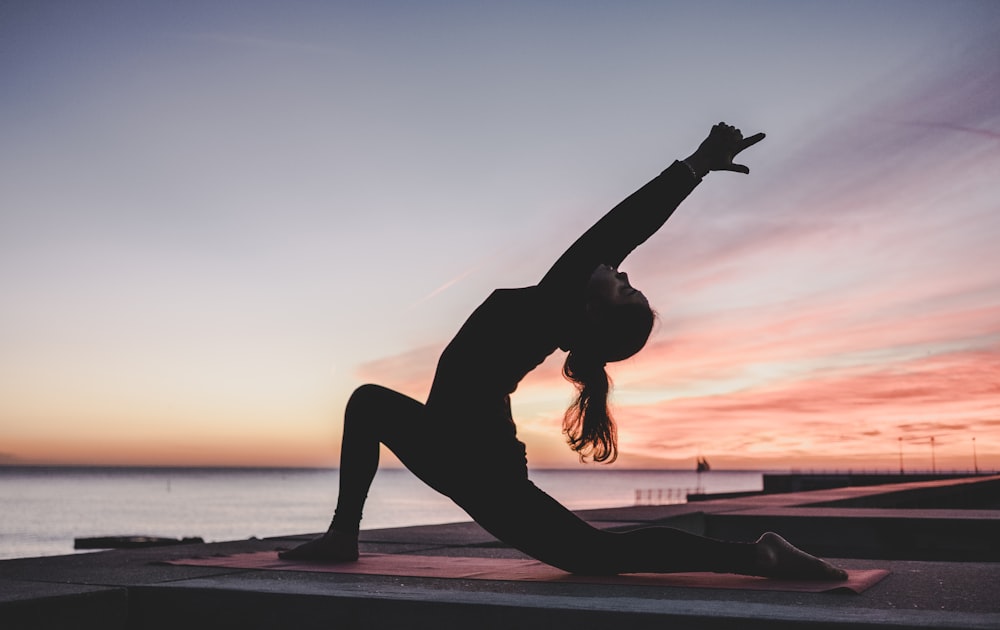
Long-Term Prevention: Lifestyle Stress Management
Short-term fixes are vital, but long-term prevention is where true wellness resides. Preventing future episodes involves lowering your overall stress threshold so that daily challenges don't immediately trigger a physical response.
One of the most powerful tools for this is cognitive behavioral techniques. These strategies help you identify the thought patterns—such as perfectionism or catastrophizing—that lead to high stress levels. Studies show that behavioral changes can reduce headache activity by nearly half. Similarly, biofeedback therapy can be used to teach you how to consciously control involuntary functions like heart rate and muscle tension.
Beyond the mental work, your environment plays a massive role. An ergonomic workspace that supports proper posture habits to reduce stress-induced tension headaches is essential. If your monitor is too low or your chair doesn't support your lower back, your neck muscles have to work overtime to keep your head upright.
Consistency in your daily routine also provides a sense of safety to the nervous system. Consider these foundational habits:
- Consistent Sleep Hygiene: Going to bed and waking up at the same time helps stabilize your body’s internal clock and lowers cortisol.
- Managing Digital Eye Strain: Follow the 20-20-20 rule—every 20 minutes, look at something 20 feet away for 20 seconds—to prevent eye fatigue from triggering a headache.
- Hydration and Nutrition: Dehydration is a major headache trigger. Aim for steady hydration throughout the day rather than drinking large amounts all at once.
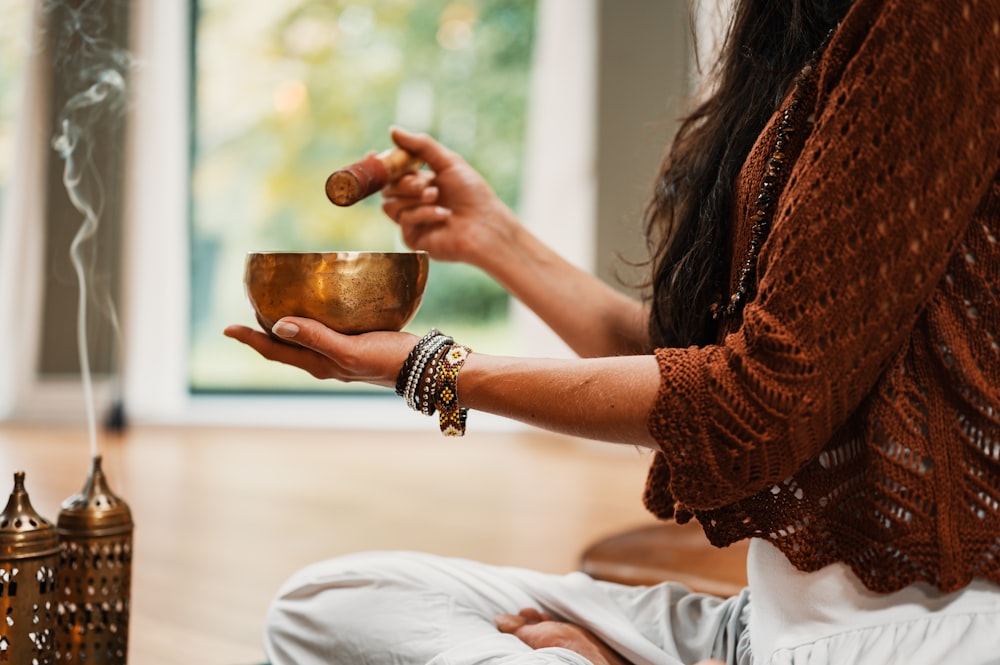
By integrating these stress reduction techniques for tension headaches into your lifestyle, you aren't just treating a symptom; you are building a more resilient, balanced version of yourself.
FAQ
What is the fastest way to get rid of a tension headache?
The fastest way to achieve tension headache relief is often a combination of a cold or warm compress on the neck and immediate deep breathing. Using the 4-2-6 breathing ratio for five minutes can quickly lower your heart rate and signal the nervous system to relax the muscles in your scalp and neck.
How can I relieve a tension headache at home without medicine?
You can find natural tension headache relief methods without medication by using progressive muscle relaxation, taking a warm bath to soothe tight muscles, or practicing sensory grounding. Staying in a dark, quiet room for a few minutes while applying gentle pressure to your temples or the base of your skull can also be highly effective.
What causes frequent tension headaches?
Frequent tension headaches are often caused by a combination of high daily stress, poor posture (especially "tech neck"), and lifestyle factors like insufficient sleep or eye strain. Habits such as jaw clenching or bruxism during sleep are also major contributors to chronic pain.
What is the difference between a tension headache and a migraine?
A tension headache usually feels like a tight band around the head and is typically a dull, steady ache. In contrast, a migraine is often localized to one side of the head, is characterized by a throbbing or pulsing sensation, and is frequently accompanied by nausea or sensitivity to light and sound.
What is the best sleeping position for tension headache relief?
Sleeping on your back with a supportive pillow that maintains the natural curve of your neck is generally the best position. This prevents the neck muscles from being strained or twisted overnight. If you are a side sleeper, ensure your pillow is high enough to keep your head level with your spine.
Can massage help reduce tension headache pain?
Yes, massage is an excellent tool for tension headache relief. Specifically, targeting the suboccipital muscles at the base of the skull and the trapezius muscles can release the trigger points that refer pain to the head. Even self-massage using a tennis ball or your fingertips can provide significant comfort.